
In Short
Conflict in negotiation is not a warning sign. It is evidence that both parties have real stakes in the outcome. When you learn to read conflict as information rather than threat, you gain a clear view of what your counterpart actually values, and that knowledge is the foundation of every durable agreement.
- Conflict reveals priorities your counterpart would never openly state.
- Productive friction creates space for trade-offs that benefit both sides.
- Agreements forged through honest conflict hold longer than those built on avoidance.
Conflict in negotiation is the friction that arises when two parties hold competing interests, positions, or priorities at the table. It is a natural and necessary feature of any genuine negotiation, signalling that both sides have real stakes and creating the conditions for meaningful, lasting agreements.
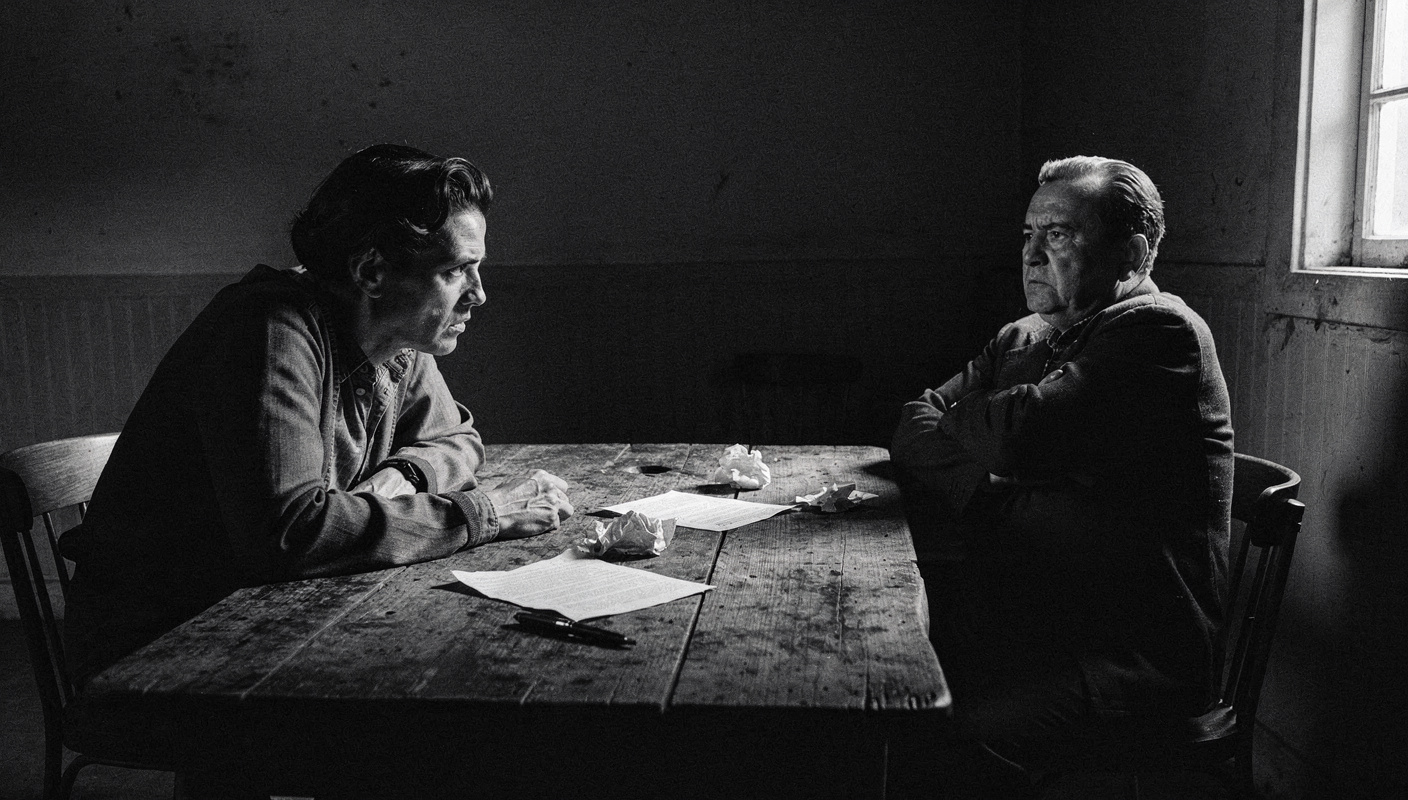
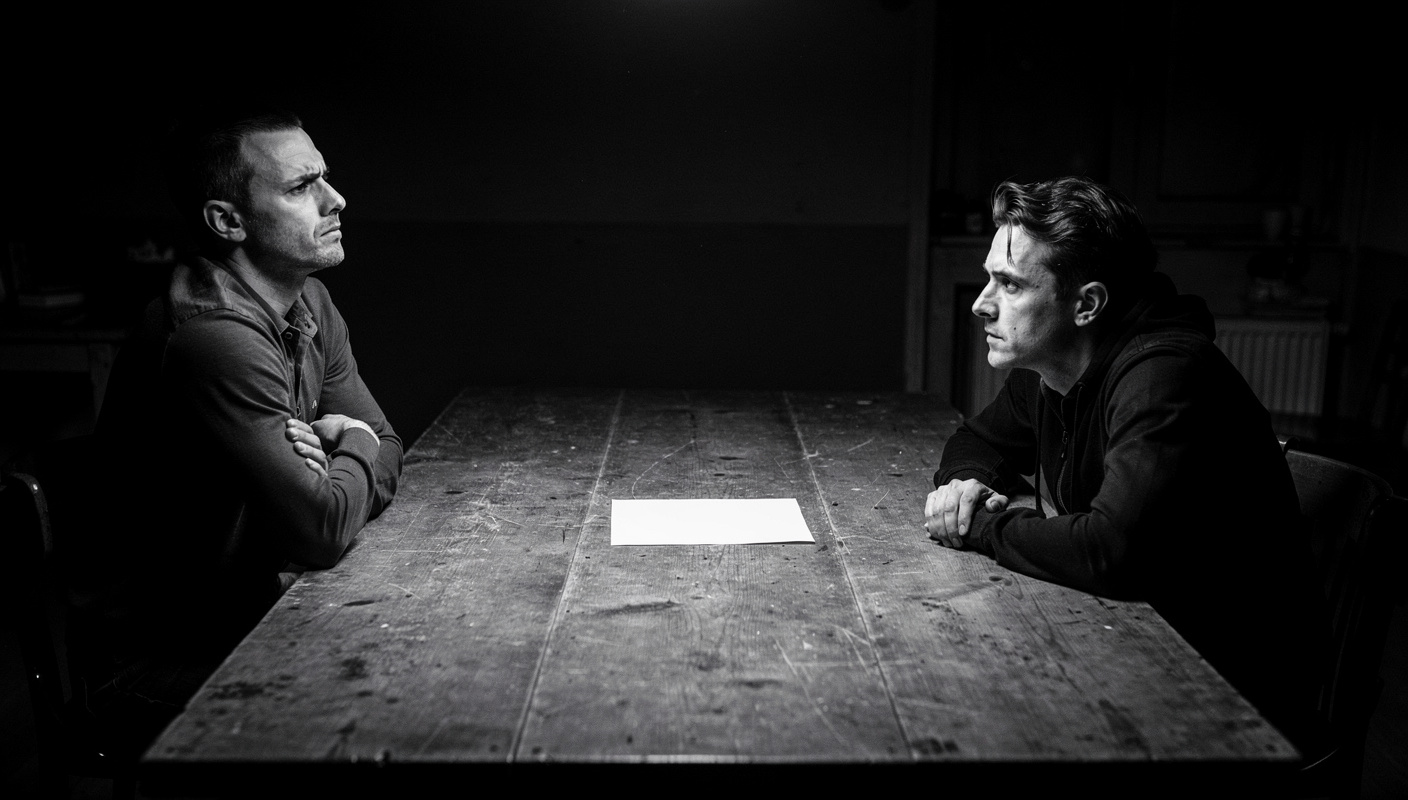
Sometime in my forties, I sat across a table from a man who had not moved on a single point in three hours. I was ready to walk out. Instead, something shifted. I stopped trying to end the conflict and started listening to it. Within twenty minutes, I understood exactly what he was protecting and why. We reached an agreement before lunch. That moment taught me more about conflict in negotiation than any book or training ever had.
Most people treat conflict at the negotiating table as a malfunction. It feels like proof that something has gone wrong. But here is the truth of it: conflict is not a deviation from negotiation. It is negotiation, doing exactly what it is supposed to do.
What Conflict in Negotiation Actually Looks Like in Practice
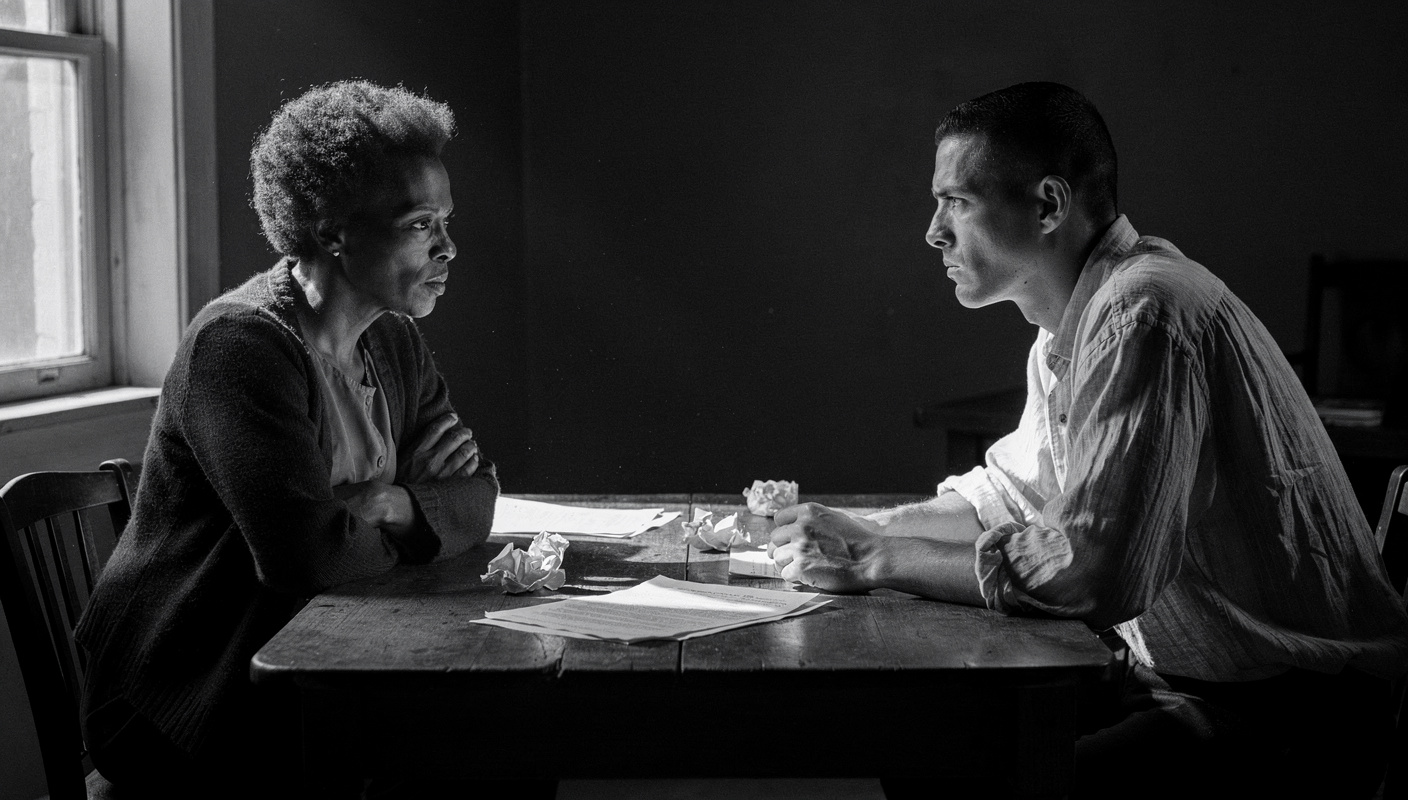
Conflict in negotiation is not shouting. It is not hostility. Most of the time, it looks far quieter than people expect.
It looks like your counterpart repeating the same position three times without budging. It looks like a long silence after you name your number. It looks like the other party suddenly becoming very interested in a clause they previously waved away. These are all forms of conflict, and every one of them is telling you something valuable.
Here is a concrete example. A procurement manager is negotiating a supply contract. The supplier keeps returning to the payment schedule, even after the price has been agreed. That resistance is conflict. It signals that cash flow, not margin, is the real constraint on the supplier's side. A negotiator who reads that signal can offer a revised payment structure in exchange for a price concession. Both parties leave the table better served. The negotiator who tries to bulldoze through the resistance misses the opportunity entirely.
Conflict becomes destructive only when it stops being about positions and starts being about people. As long as the friction is aimed at the substance of the deal, it is doing productive work.
"The Conversation You're Avoiding Is the One You Need to Have."
"The Conversation You're Avoiding
Is the One You Need to Have."
Stop rehearsing conversations you'll never have. Say It Right Every Time gives you 115 word-for-word scripts and 16 proven frameworks to speak with confidence in every conversation that matters.
The Information Conflict Gives You That Nothing Else Will
You cannot know what your counterpart truly values until they push back. A person who agrees to everything is not easy to work with. They are withholding information.
When conflict surfaces in a negotiation, it maps the territory for you. The points your counterpart contests hardest are the points that matter most to them. The concessions they offer willingly reveal what they value least. This is intelligence you cannot buy, and you cannot extract it through clever questioning alone. You have to create the conditions where both parties feel enough pressure to show their hand.
I have watched skilled negotiators deliberately introduce friction on a point they did not particularly care about, precisely to see how the other side responded. The counterpart's reaction, the intensity of their defence, the speed of their counter, told the negotiator everything about the underlying hierarchy of priorities. That is conflict being used as a tool.
If you approach conflict in negotiation as something to manage away quickly, you lose this information permanently. You end up agreeing on terms that feel smooth but leave value on the table for both sides.
Three Misconceptions That Keep People Stuck
Conflict has a reputation problem. The misconceptions around it are costing people better agreements every day.
The mistake: Conflict means the negotiation is failing. Why it persists: People associate conflict with interpersonal hostility and assume the same rules apply at the negotiating table. The correction: A negotiation with no conflict is usually a negotiation where one side has already conceded everything silently. Conflict is confirmation that both parties are engaged and that something real is being contested.
The mistake: Backing down ends conflict faster and preserves the relationship. Why it persists: Avoiding confrontation feels polite and considerate in the short term. The correction: Chronic capitulation breeds contempt, not goodwill. The person across the table quickly learns you will fold under pressure, and they will apply more of it next time. If you find yourself in a pattern of yielding too quickly, learning how to de-escalate arguments during meetings without surrendering your position is a skill worth building.
The mistake: Conflict is about winning. Why it persists: Competitive framing dominates how most people are taught to negotiate. The correction: The goal is not victory. It is the best possible agreement for your side, which is not the same thing. An agreement the other party resents will cost you in implementation, compliance, and every future conversation you have with them.
How Conflict Plays Out Across Real Negotiating Situations
When a Colleague Disputes Your Proposal
You present a plan. A colleague challenges your cost estimates directly in front of the group. The instinct is to defend or deflect. But that challenge is conflict in negotiation form, and it contains information. What specifically are they contesting? The numbers, or the underlying assumption about risk? If you stay curious instead of defensive, you often find the dispute is narrower than it first appeared, and resolving it creates a stronger proposal. You can read more about navigating these charged moments in how to handle conflict during meetings.
When a Deal Stalls Over a Single Issue
A buyer and seller are aligned on everything except delivery timeline. Both parties have dug in. This deadlock feels like failure. But the stall is signalling that the timeline is carrying more weight than either party has explained. The buyer may have a hard internal deadline. The seller may have a capacity constraint they have not disclosed. The conflict is forcing both parties toward a more honest conversation than they would have had otherwise. When underlying needs drive the dispute, addressing those needs rather than the stated positions is often what breaks the stall. How unmet needs drive team conflict explores this dynamic in depth.
When Tension Between Two People Threatens the Outcome
Sometimes conflict in negotiation is not about the deal at all. Two colleagues who have a fractured relationship bring that history to every conversation, and the negotiation suffers for it. The dispute looks like it is about deliverables. It is actually about trust. When this happens, the surface-level conflict needs to be separated from the relational one. You may find the D.E.A.L. Method for resolving conflicts that are fracturing team synergy useful as a structured approach for separating those two conversations.
When Conflict Needs to Be Repaired, Not Just Managed
Not every conflict resolves cleanly. Sometimes a negotiation goes sideways and leaves damage behind. The agreement falls apart. Someone feels ambushed. Positions harden into personal grievances.
This is where the real test of your communication skills begins. The B.R.I.D.G.E. Method for rebuilding working relationships after tension gives you a clear framework for that repair work. And if a conversation intended to resolve tension makes things worse rather than better, the R.E.C.O.V.E.R. Method is built precisely for that situation.
Conflict managed badly creates the need for these tools. Conflict managed well often makes them unnecessary. The difference lies in preparation and in your willingness to stay in the discomfort long enough to hear what it is telling you.
When two colleagues refuse to cooperate entirely, their conflict has usually moved past the negotiable stage without anyone noticing. The D.E.A.L. Method for defusing tension between colleagues who refuse to cooperate offers a practical path back to productive ground.
What to Do With This Understanding
Here is where I land after six decades of getting this wrong and occasionally getting it right.
Walk into your next negotiation expecting conflict. Not dreading it. Expecting it, the way you expect resistance when you push on a door you have never opened before. That resistance tells you something about what is on the other side.
When conflict surfaces, pause before you respond. Ask yourself what this disagreement is actually protecting. What does the pushback reveal about what the other party cannot afford to lose? That one question, held genuinely, will shift you from reactive to strategic faster than any tactic I know.
Prepare for the specific points where conflict in negotiation is most likely to arise, because those are the points where the real value in the deal lives. The person who goes in knowing where the friction will be, and why, earns the agreement that matters.
Frequently Asked Questions (FAQ)
What is conflict in negotiation?
Conflict in negotiation is the natural friction that arises when two or more parties hold competing interests, priorities, or positions. It signals that both sides care about the outcome. Handled well, it creates the conditions for durable, honest agreements rather than hollow compromises.
Why does conflict in negotiation happen?
Conflict in negotiation happens because every party arrives with different priorities, constraints, and definitions of a fair outcome. That difference is not a problem to eliminate. It is the raw material negotiations are built from. Without it, you are not really negotiating at all.
Can conflict in negotiation be a strategic advantage?
Yes. Conflict in negotiation reveals what your counterpart values most, creates space for meaningful trade-offs, and builds more durable agreements. When both parties openly contest a point, the resulting resolution tends to be stronger than a quick compromise reached to avoid discomfort.
How do you handle conflict in negotiation without damaging the relationship?
Separate the person from the position. Stay direct about what you need while remaining genuinely curious about what they need. Conflict handled with respect tends to strengthen working relationships rather than fracture them. Avoiding conflict, by contrast, breeds resentment on both sides.
What is the difference between productive and destructive conflict in negotiation?
Productive conflict is focused on positions and interests. Both parties contest the substance of the deal while respecting each other. Destructive conflict becomes personal, with both parties contesting each other rather than the issue. The difference lies in the target of the friction, not its intensity.
How do you know when conflict in negotiation has gone too far?
When the conversation shifts from competing over outcomes to undermining each other personally, the conflict has crossed into destructive territory. Other signs include one party going silent, threats replacing arguments, and either side losing sight of the original goal. That is the moment to slow down and reset.