
In Short
Conflict in a negotiation does not mean the deal is over. It means the process needs a reset.
- Most negotiation conflicts stem from positions hardening around unmet interests, not genuine incompatibility.
- A structured, step-by-step process keeps you clear and grounded when the other side is neither.
- The goal is not to win the conflict. The goal is to resolve it well enough that both sides reach a durable agreement.
Conflict in negotiation is the friction, breakdown, or impasse that occurs when two or more parties cannot align on terms, interests, or process. It ranges from a single point of tension to a full collapse of communication that halts progress entirely.
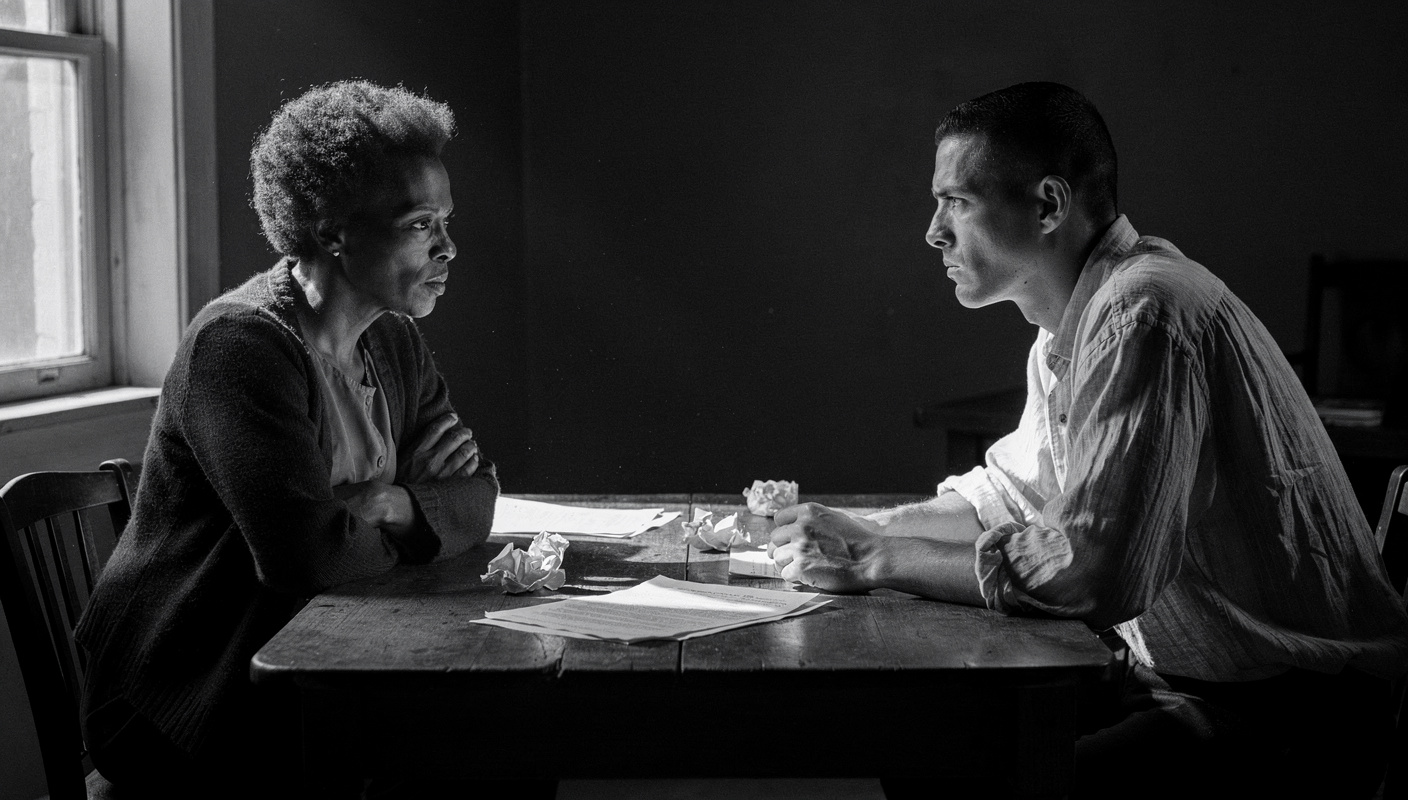
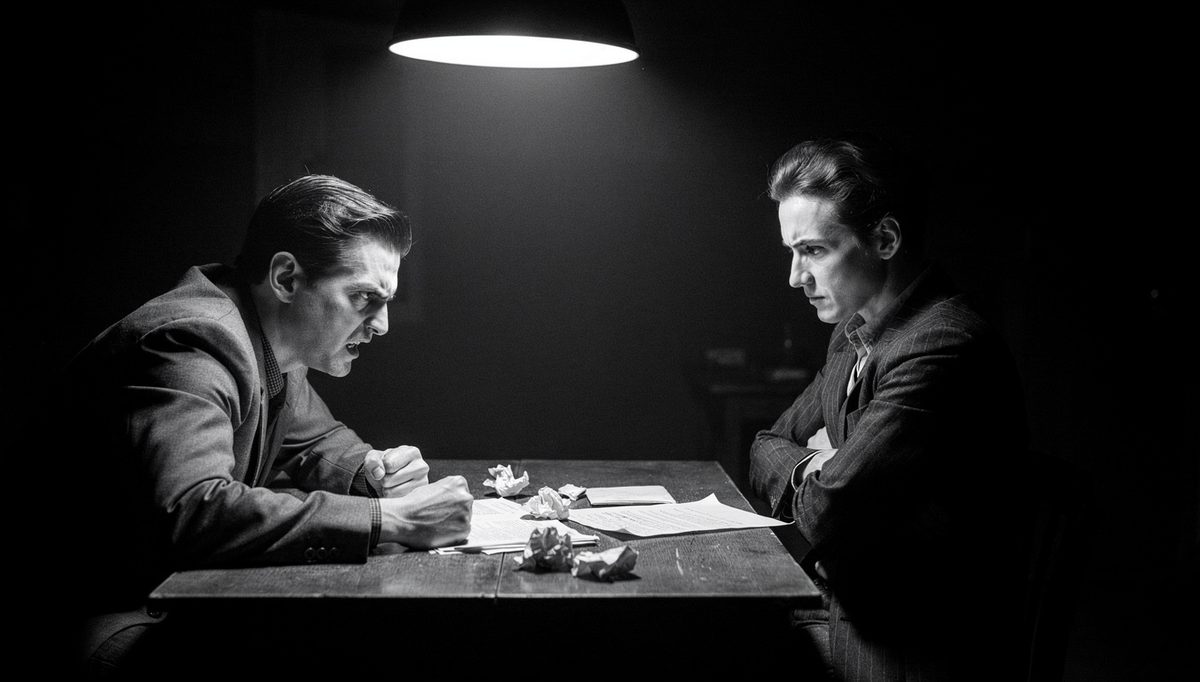
I watched a deal fall apart in a single afternoon once. Two capable people, a negotiation that should have been straightforward, and one comment that landed the wrong way. Within an hour, the conversation had stopped being about the terms and started being about something older and more personal. Neither side knew how to turn it back. By the end of the day, both parties walked away from an agreement they had each genuinely wanted.
That is how conflict in a negotiation works. It rarely announces itself. It builds quietly until one moment, one word, one demand too many, and then everything tightens. The problem is not that people disagree. Disagreement is the raw material of every negotiation. The problem is that most people have no reliable process for when the disagreement becomes conflict. They either push harder, go quiet, or walk out. None of those options serve them.
This guide gives you a process that does. You will know what to do before the first word is spoken in anger, and you will know what to do at every stage after that.
Why Conflict in a Negotiation Feels Different From Other Disputes
Negotiations carry stakes. When you are sitting across from someone and your interests are in direct competition, the emotional weight is not the same as a casual disagreement. There is often money involved, or a relationship, or a decision that will affect people beyond the two of you. That weight makes conflict in a negotiation feel more personal and more threatening than it might otherwise be.
The second difficulty is positional bargaining. Most people enter negotiations having decided on a position, a specific number or outcome they are committed to defending. When the other side challenges that position, it can feel like a challenge to your judgment, your authority, or your worth. People stop listening for solutions and start defending ground. That is the moment conflict takes root.
Understanding this dynamic is the first step toward managing it. The fight is almost never really about the position. It is about the interest underneath it: the need for security, for respect, for certainty, for fairness. Until both sides can see that, no amount of back and forth will move anything forward.
"The Conversation You're Avoiding Is the One You Need to Have."
"The Conversation You're Avoiding
Is the One You Need to Have."
Stop rehearsing conversations you'll never have. Say It Right Every Time gives you 115 word-for-word scripts and 16 proven frameworks to speak with confidence in every conversation that matters.
What You Need Before the Process Begins
Before you work through a conflict in a negotiation, two things need to be true.
First, you need to know your own interests clearly, not just your position. Your position is what you are asking for. Your interest is why you need it. These are almost never the same thing. If you do not know the difference, you will defend the wrong thing at the wrong moment. Write it down before the conversation: "What do I actually need this negotiation to deliver, and why does that matter to me?"
Second, you need enough composure to stay in the conversation when it gets hard. This is not about being unaffected. It is about being able to think clearly while you are affected. If you know you are someone whose first instinct under pressure is to attack or retreat, how to use the C.O.R.E. framework to stay grounded during a tense workplace conversation gives you a practical set of anchors for exactly that. Build your composure before you need it.
The Step-by-Step Process for Resolving Conflict in a Negotiation
Stop and name the shift. When the conversation moves from negotiation into conflict, the first thing to do is acknowledge it directly without escalating it. Say something like: "I think we have moved away from the main issue. Can we take a moment before we go any further?" You are not conceding anything. You are slowing a process that has started to accelerate in the wrong direction. This one move prevents more breakdowns than any tactic that comes afterward.
Lower the emotional temperature. Before any substantive progress is possible, the tension needs to come down. This does not mean pretending the conflict did not happen. It means creating enough calm to think clearly. Ask a neutral question, offer a short break, or shift to a point of agreement before returning to the contested ground. A brief acknowledgment of the other side's position, "I can see why that matters to you," costs you nothing and can change the entire atmosphere of the room. For situations where the argument has already escalated, how to de-escalate arguments during meetings provides specific language for pulling a conversation back from the edge.
Identify the interests behind the positions. Once the emotional temperature has dropped enough to allow real dialogue, shift the focus from positions to interests. Ask open questions: "What is driving that for you?" or "Help me understand what you need this to achieve." Then listen without interrupting. You are not looking for leverage. You are looking for the real problem. When you understand what the other side genuinely needs, the path to resolution almost always becomes clearer. This step is where most people rush, and the rushed version never holds.
Find the ground you already share. Even in a serious conflict, there is almost always something both sides agree on. A shared deadline, a common risk, a goal neither party wants to miss. Finding that shared ground is not a negotiating tactic. It is a genuine reset. Say: "I think we both want this to work. Here is what I understand we agree on." Naming common ground shifts the frame from opposition to collaboration, and that shift changes what is possible. If the conflict involves people who have a working relationship outside this negotiation, how unmet needs drive team conflict and what to say to restore synergy offers deeper insight into why shared needs so often go unspoken.
Work through each point of disagreement, one at a time. This is where the real work happens. Do not try to resolve everything at once. Take the least contentious point first, work through it clearly, and reach a small agreement. That small agreement matters more than its content suggests. It demonstrates that progress is possible, and it builds the mutual trust needed to tackle the harder issues. For each point: state the issue plainly, invite the other side's view, listen without rebuttal, then look for an option that addresses both sets of interests. If a point cannot be resolved yet, set it aside explicitly and return to it after you have built agreement elsewhere.
Test the agreement before you close. Before you conclude, check that both sides understand and accept what has been decided. Summarise the terms clearly, invite corrections, and confirm that each point is genuinely agreed rather than simply abandoned. A resolution that one party only half-accepted is not a resolution. It is a conflict waiting to restart. Ask: "Does this reflect what we agreed?" and wait for a real answer, not just a nod. If something still feels uncertain, say so. Clarity now prevents conflict later.
Confirm next steps and commitments. End the conversation with specific, named commitments: who will do what, by when, and how you will both know it has been done. Vague agreements dissolve under pressure. Specific ones hold. Write it down if the stakes are high enough to warrant it. This final step is where trust either gets consolidated or quietly eroded, depending on whether both sides follow through.
When the Other Side Will Not Engage
Some negotiations involve a party who digs in so completely that the standard process stalls. They repeat their position, refuse to discuss interests, and treat any question as an attack.
Here is the truth of it: you cannot force someone to negotiate in good faith. But you can change the conditions enough to make good faith more likely.
Reframe the conversation entirely. Instead of continuing on the contested ground, propose a different format: "What if we each took ten minutes to write down what we need, then shared it?" Written exchange removes some of the defensive heat that face-to-face conflict generates. Alternatively, name the impasse without blame: "We seem to be stuck. What would need to be different for this to move forward?" That question shifts responsibility toward shared problem-solving rather than individual defence.
If the conflict is severe enough to have fractured the working relationship rather than just the negotiation, how the B.R.I.D.G.E. method rebuilds working relationships after tension has created a genuine breakdown gives you a structured approach for the repair work that needs to happen before the negotiation can proceed at all.
The Mistakes That Keep Conflicts Running
These are the errors I see most often. Each one makes sense in the moment and causes damage in the long run.
The mistake: Pushing for a resolution before the emotional temperature has come down.
Why it happens: People confuse urgency with progress. Getting to an answer fast feels productive.
What to do instead: Pause before you push. A ten-minute break does more work than ten minutes of argument.
The mistake: Treating the other side's position as their final word.
Why it happens: Positions are stated firmly, so they sound fixed.
What to do instead: Ask what is behind the position. The interest underneath it is almost always more flexible than the position itself.
The mistake: Making a concession just to relieve the tension.
Why it happens: Conflict is uncomfortable, and giving something feels like it will help.
What to do instead: Make concessions on genuine common ground, not on pressure. A concession made to end discomfort teaches the other side that pressure works.
The mistake: Going quiet and letting the conflict continue unaddressed.
Why it happens: Naming conflict feels confrontational, so people avoid it and hope it resolves itself.
What to do instead: Name the conflict directly and calmly. Unaddressed conflict does not resolve. It calcifies.
If conflict is recurring across multiple negotiations or within a team that negotiates together, how to handle conflict during meetings addresses the structural patterns that allow conflict to keep resurfacing in group settings.
Your Pre-Negotiation Conflict Readiness Check
Use this before any negotiation where conflict is likely.
- Have you written down your core interests, not just your opening position?
- Can you state what the other side genuinely needs from this negotiation, in their own terms?
- Do you know which points are non-negotiable and which are flexible?
- Do you have a phrase ready to use if the conversation becomes hostile?
- Do you know your composure triggers: what makes you attack, what makes you shut down?
- Have you identified at least one point of shared interest to return to if the discussion breaks down?
- Do you know what a good enough outcome looks like, distinct from a perfect one?
If you cannot answer all seven clearly, your preparation is not finished. Return to it before you sit down at the table. How to use the D.E.A.L. method to resolve conflicts that are fracturing team synergy provides an additional structured framework if you are preparing for a conflict with multiple stakeholders or a complex set of competing interests.
For conflicts specifically between two colleagues who have stopped cooperating, how to use the D.E.A.L. method to defuse tension between two colleagues who refuse to cooperate adapts the same underlying logic for a more interpersonal setting.
Frequently Asked Questions (FAQ)
What is conflict in negotiation?
Conflict in negotiation is the breakdown that occurs when two or more parties cannot align on terms, interests, or process. It ranges from minor friction over a single issue to a full impasse where communication has broken down and progress has stopped entirely.
How do you resolve conflict in a negotiation?
You resolve conflict in a negotiation by pausing, identifying the underlying interests behind each position, rebuilding enough trust to communicate clearly, and working through each point of disagreement systematically. A structured process prevents emotional escalation from derailing a deal that both sides actually want.
What causes conflict in a negotiation to escalate?
Conflict in a negotiation escalates when people defend positions instead of exploring interests, when one party feels disrespected or unheard, or when the emotional temperature rises faster than either side can manage. Small misunderstandings compound quickly without a deliberate process to slow things down.
How do you break a deadlock in a negotiation?
Break a deadlock by shifting the conversation from positions to needs. Ask what each side genuinely requires, not just what they are demanding. Introduce a new variable, change the format of the discussion, or agree to set one contentious issue aside temporarily while you build agreement elsewhere.
What should you do before a difficult negotiation to prevent conflict?
Before a difficult negotiation, clarify your own non-negotiables and flexible points, anticipate where the other side is likely to push back, and decide how you will respond if the tone turns hostile. Preparation prevents most conflicts from escalating and gives you confidence when tension rises.
How do you rebuild trust after conflict in a negotiation?
Rebuild trust by acknowledging what broke down without assigning blame, demonstrating good faith through a small, visible concession or gesture, and following through on whatever you commit to. Trust in a negotiation is earned incrementally; one reliable action builds more goodwill than a dozen promises.
The hardest part of managing conflict in a negotiation is not the process. The steps are learnable. The hard part is applying them when your own emotions are running high and the other side seems determined to make things worse. That takes practice, preparation, and the courage to stay in a difficult conversation when every instinct is telling you to leave. This much I know for certain: the people who do that work consistently, who prepare before the table and stay grounded at it, are the people who reach agreements that last. Start with the readiness check. Use it before your next negotiation. The process only works when you bring it with you.