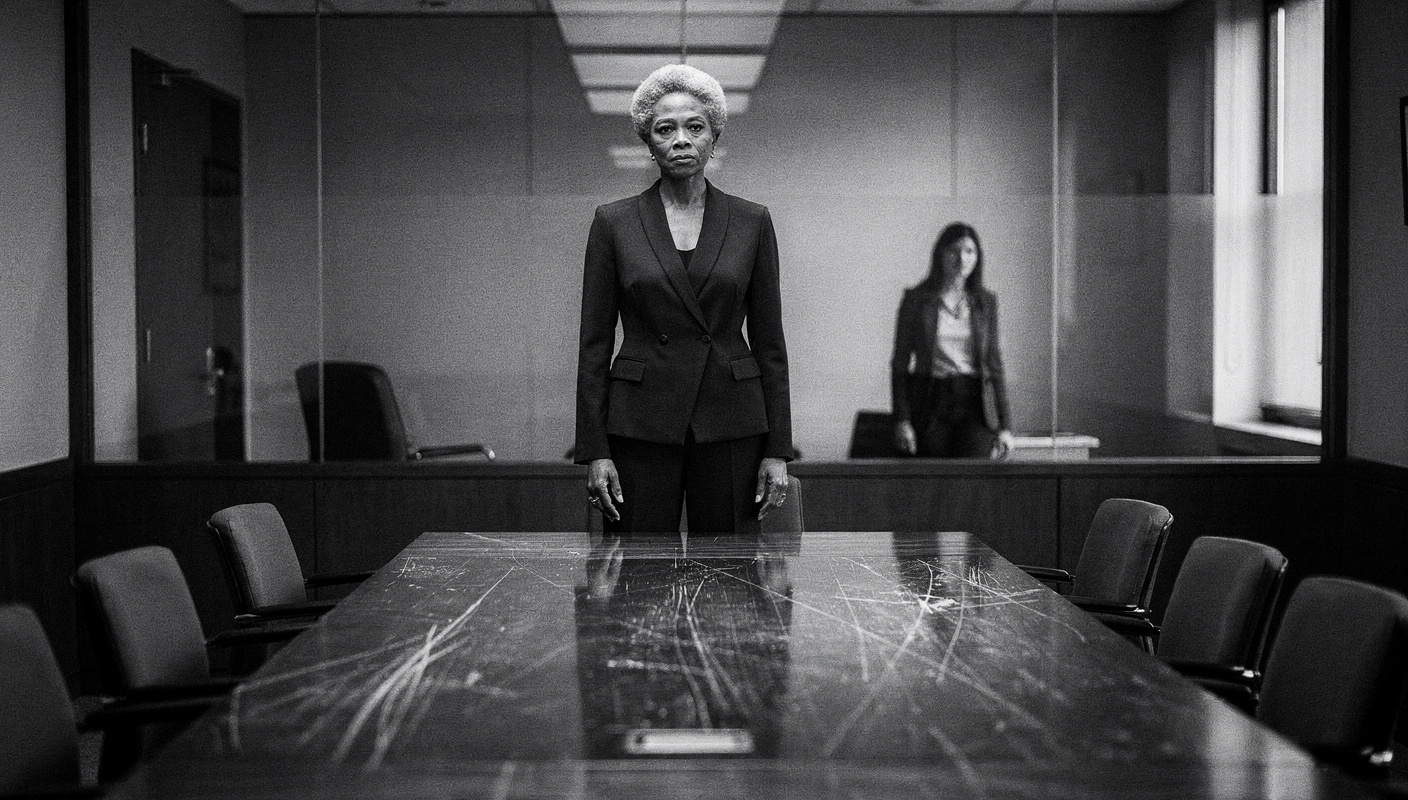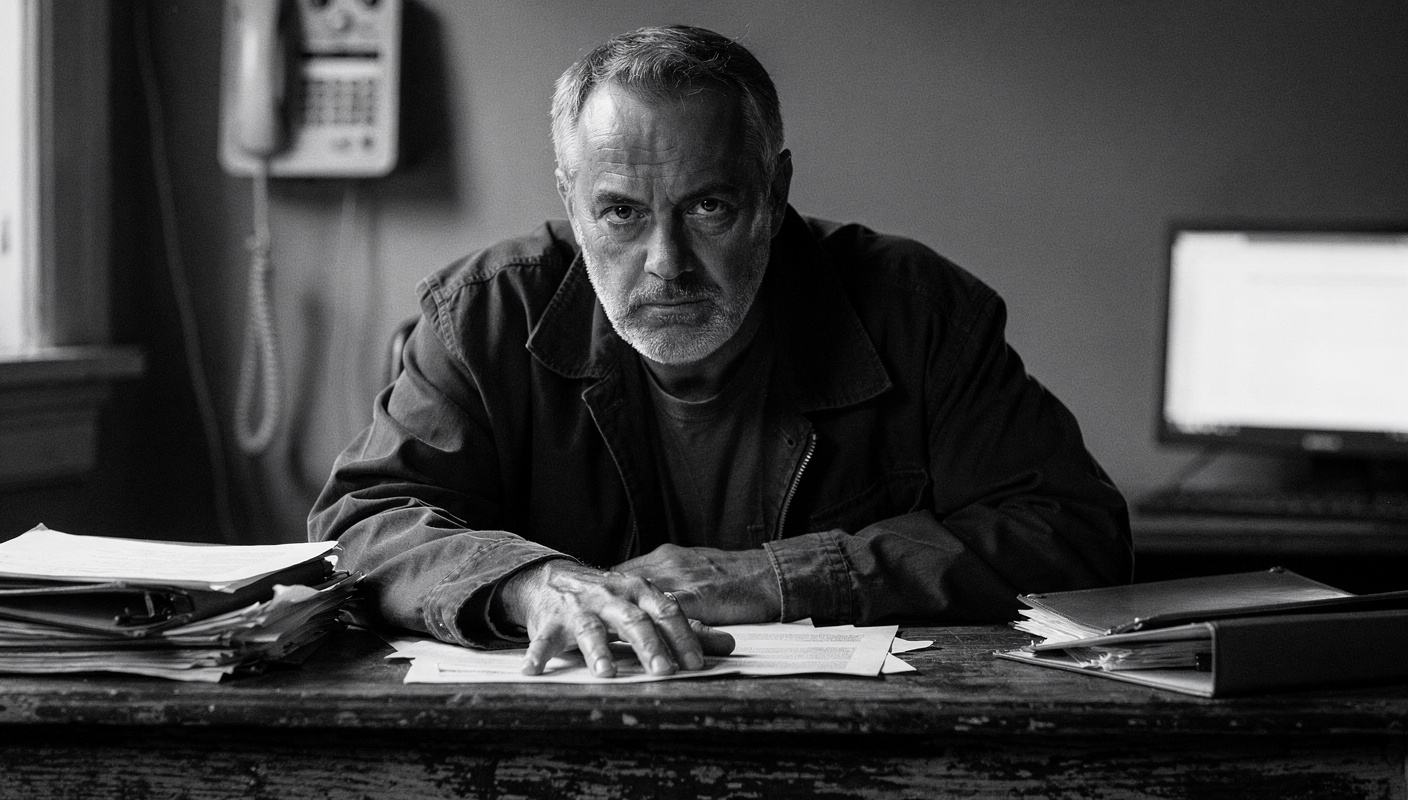

In Short
Body language in leadership is not decoration. It is the primary signal your team uses to decide whether your words are real. The L.E.A.D. Method gives you a structured conversation framework, but each of its four steps demands a specific physical posture to land with full force.
- Your body confirms or contradicts every word you say.
- Each stage of L.E.A.D. has a distinct physical requirement.
- Mastering the physical layer is what separates presence from performance.
Body language leadership is the deliberate use of posture, gesture, eye contact, and physical positioning to reinforce authority, signal openness, and build trust during leadership conversations. It is the nonverbal layer that either aligns with your words or silently undermines them.
I once watched a manager deliver a genuinely thoughtful message to his team about a difficult budget cut. His words were measured and clear. He acknowledged the loss. He outlined next steps. And not one person in that room believed a word of it, because while he spoke, he stood with his arms folded tight across his chest, his weight shifted onto one hip, and his eyes moving between the floor and the door. His body language told a completely different story. The words said, "I am with you." His body said, "I cannot wait to leave."
That is the problem most leaders never address. They prepare what to say. They work on tone, on timing, on choosing the right framework. But they walk into the room and let their body do whatever it wants, and their body, under pressure, defaults to self-protection: closed, tight, evasive. The message dies before the second sentence.
In Say It Right Every Time, I introduce the L.E.A.D. Method as a four-step framework for structuring leadership conversations: Listen First, Empathize, Articulate Your Vision, and Define the Next Steps. Chapter 7 of Say It Right Every Time covers this in full. But even in writing it, I knew the method would only work if the physical layer matched the verbal one. Body language in leadership is not a soft skill. It is the structure beneath the structure.
What the L.E.A.D. Method Actually Requires of Your Body
The L.E.A.D. Method is a framework for leadership conversations. It is built on four clear steps, and each step has a job to do. The problem is that most leaders focus entirely on what to say at each step and ignore what their body is broadcasting at the same moment.
Here is the truth of it: your team is reading you before you open your mouth. They are reading you while you speak. They are reading you after you finish. Your posture, your eye contact, your hand position, where you stand and how still you are: these signals either amplify your words or hollow them out. The L.E.A.D. Method gives you the verbal architecture. What follows gives you the physical one.
"The Conversation You're Avoiding Is the One You Need to Have."
"The Conversation You're Avoiding
Is the One You Need to Have."
Stop rehearsing conversations you'll never have. Say It Right Every Time gives you 115 word-for-word scripts and 16 proven frameworks to speak with confidence in every conversation that matters.
L.E.A.D. Step 1: Listen First and What Your Body Must Do
Listening sounds passive. It is not. Active listening has a physical shape, and most leaders get it wrong because they confuse stillness with passivity and eye contact with staring.
When you are in the Listen First phase, your body should do four specific things:
Open your chest. Uncross your arms. Square your shoulders toward the speaker. An open chest signals that you are not guarding yourself against what you are about to hear. It is the physical declaration that this person and their words are welcome.
Lean slightly forward. Not so far that you crowd the speaker, but enough to close the gap between you and them by about ten percent. This small shift in posture communicates interest without pressure. It says, "I am coming toward your words, not waiting for them to end."
Keep your hands visible and still. Hands tucked under the table, in pockets, or gripping a pen send signals of concealment or anxiety. Rest them open on the table or loosely in your lap. Visible, still hands tell the speaker that you are grounded.
Hold eye contact for three to five seconds at a time. Not a fixed stare, which feels confrontational, but a steady, returning gaze. Look away briefly and naturally, then return. This rhythm mirrors how people look at someone they genuinely trust.
If you find yourself checking your phone, glancing at the door, or turning your body sideways, you have left the Listen First phase physically, even if you are technically still present in the room. When leaders do this during nonverbal communication in tense situations, the damage compounds quickly.
L.E.A.D. Step 2: Empathize and the Signals That Make It Real
Empathy without physical alignment is just performance. Your team can feel the difference, even if they cannot name it.
The Empathize step requires you to physically close the distance, not just emotionally. Here is what that looks like in practice:
Reduce physical distance by one step. If you are standing across the room, move closer. If you are seated at opposite ends of a table, shift to a corner position, ninety degrees rather than face to face. This removes the feeling of adversarial confrontation.
Slow your nodding. Fast, repetitive nodding signals impatience. Slow, deliberate nodding signals understanding. Nod once, let it land, then hold. That pause tells the speaker their words have weight.
Soften your facial expression. Not a forced smile, which reads as dismissive. A slight relaxation of the jaw, a slight softening around the eyes. This is the face of someone who is absorbing rather than judging.
Mirror their energy level, not their distress. If someone is visibly upset, do not match their agitation. Instead, model the physical composure you want them to find. Breathe visibly. Lower your shoulders. Your calm body becomes an invitation for their nervous system to settle.
This step is especially critical when you are applying the Empathy Bridge Technique before a difficult conversation starts. The physical layer of empathy must arrive first, or the words sound scripted.
L.E.A.D. Step 3: Articulate Your Vision and Standing Like You Mean It
This is where most leaders unconsciously shrink. The moment you shift from listening to speaking, from receiving to directing, your body should change. It should expand, not collapse.
Stand or sit tall. Draw your spine up. Pull your shoulders back and down, not stiffly, but with intention. This posture physically opens your airway, which deepens your voice, slows your pace, and signals confidence. Slumped posture during vision-setting sends the message that even you are not sure about what you are proposing.
Use gestures that match the scale of the message. Small, contained gestures close to your body suit detailed explanations. Broader gestures suit direction-setting and rallying language. When you say, "Here is where we are going," a small flutter of the hands contradicts the scale of the claim.
Plant your feet. Shifting weight from foot to foot, crossing your ankles, or edging sideways all signal unease. Stand with your feet roughly shoulder-width apart, weight balanced. This is what I mean when I talk about groundedness. It is not a metaphor. It is a physical instruction.
Pause and hold before key statements. Before you deliver the central point of your vision, stop moving entirely for one second. The stillness creates emphasis. It tells the room that what follows matters. Then speak.
In Chapter 7 of Say It Right Every Time, I describe vision articulation as the moment when a leader's credibility is tested most directly. The words must be clear. But the body is what the room trusts.
L.E.A.D. Step 4: Define the Next Steps and Closing with Physical Conviction
The final step of L.E.A.D. is where many leaders lose what they built. They deliver a strong vision, and then they physically trail off. They look down at their notes. They begin to edge toward the door. Their body communicates that the conversation is over before they have confirmed what comes next.
Maintain your posture through the end. Do not let your shoulders drop or your gaze wander as you close. The final moments of a leadership conversation carry disproportionate weight. People remember how it ended.
Use direct eye contact when assigning accountability. When you say, "I need you to handle this," look at the person you are speaking to. Do not look at the table, the room, or the air. That gaze is not intimidating. It is respectful. It says, "I trust you with this, and I mean it."
Allow silence after the next steps are stated. Do not rush to fill the pause. A quick, anxious follow-up with "Does that make sense? Okay good, great, thanks" unravels the authority you just built. State the next steps. Hold the silence. Let the room absorb them.
Physically mark the close. A slow, deliberate nod as you finish. A relaxed but firm handshake if appropriate. Standing up to signal the meeting's conclusion with purpose, not relief. These small physical acts signal completion and confidence.
For feedback conversations using the S.B.I. Method, this closing posture is especially important. You have delivered a specific, honest message. Your body needs to confirm that you stand behind it.
Reading the Room: What Your Team's Body Language Tells You
Body language in leadership runs in both directions. While you are managing your own physical signals, your team is broadcasting theirs. A leader who can read those signals in real time can adjust the conversation before it breaks down.
Watch for these patterns. Crossed arms do not always mean defensiveness. They sometimes mean the person is cold, or thinking, or uncomfortable with the room layout. Context matters. But arms that cross the moment you raise a specific topic are telling you something direct.
Averted gaze during feedback can signal shame rather than disengagement. If someone looks down as you raise a concern, the instinct is to push harder for eye contact. Resist it. Give them a breath. Let them process.
Leaning back sharply is almost always a withdrawal signal. It means the person has felt something threatening, whether a tone, a word, or a perceived accusation. The C.O.R.E. Framework is useful here because it helps you stay grounded while you recalibrate your own physical approach in response.
Where Leaders Get This Wrong: Three Physical Habits That Undermine Authority
After decades of watching people lead, and spending a fair portion of those years getting it wrong myself, I have noticed three physical patterns that reliably undermine even the most carefully structured conversation.
The Backward Lean During Difficult Conversations.
Why it happens: Under pressure, the body instinctively creates distance. Leaning back feels safer. What it communicates: Disengagement, reluctance, or even disgust. The speaker reads it as rejection.
What to do instead: Notice the urge to lean back and consciously counter it with a single slow forward shift and one deliberate breath.
The Closed Triangle.
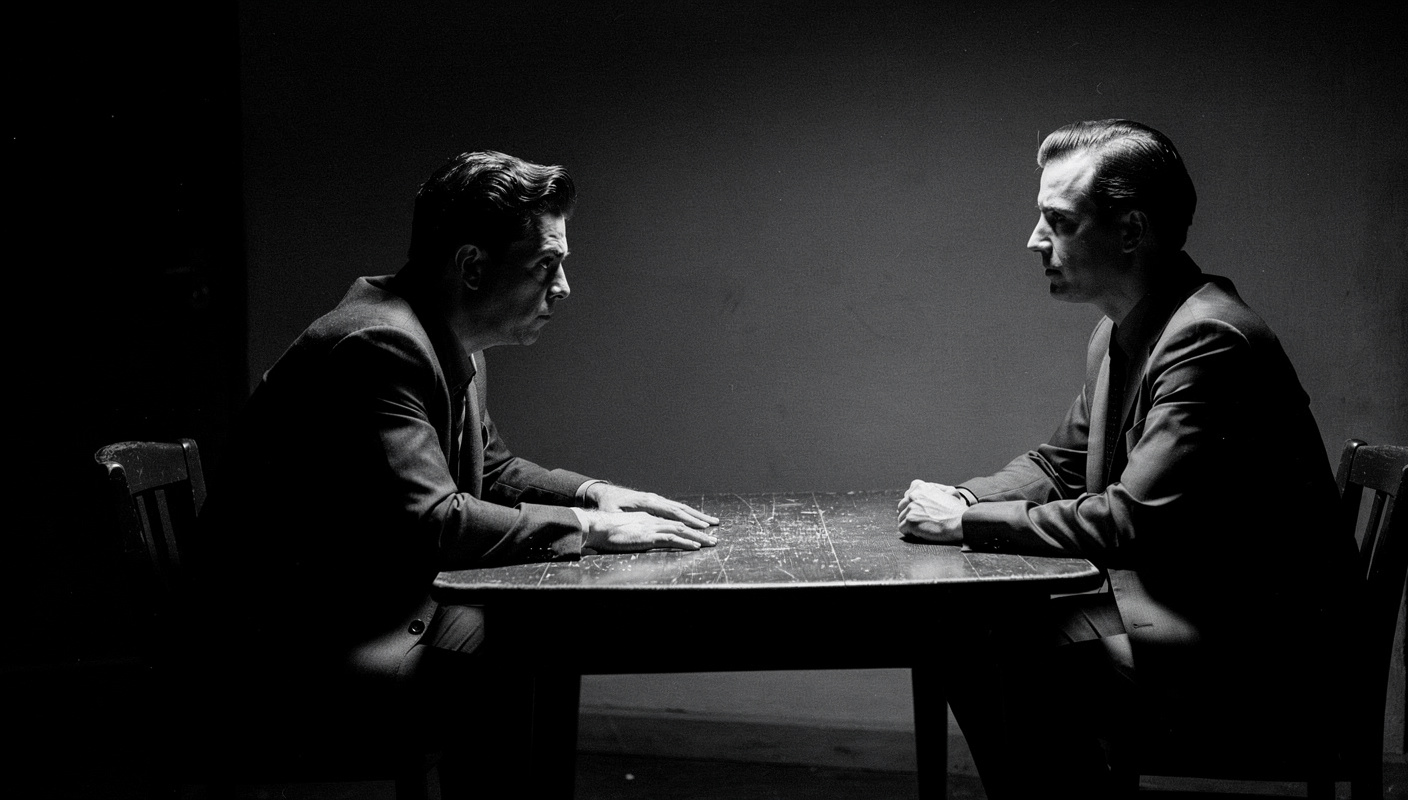
Why it happens: When two people are in conflict, both unconsciously angle their bodies away from each other. It is automatic self-protection. What it communicates: That you are not fully committed to the conversation.
What to do instead: Deliberately orient your navel toward the speaker. It is a small move. It signals enormous commitment.
Fidgeting Under Pressure.
Why it happens: Nervous energy needs somewhere to go. Hands tap, pens click, feet shift. What it communicates: Anxiety, impatience, or that you would rather be elsewhere.
What to do instead: Channel the energy into deliberate stillness. Press your feet firmly into the floor. Feel the ground. That physical act of grounding settles the nervous system faster than any breathing technique.
These same patterns appear in remote settings too. If you lead virtual teams, read how leaders stay visible in virtual workspaces to understand how body language translates through a camera frame.
Building Physical Fluency: How to Practice This Over Time
You cannot think your way to good body language. You have to practice it until it becomes reflex. Here is a realistic method for building that fluency without turning every conversation into a self-conscious exercise.
Start with one element per week. Do not try to fix your posture, your eye contact, your hand position, and your closing energy all at once. Choose one physical variable, say, stillness under pressure, and focus on it in every meeting for seven days. Notice when you deviate. Do not judge it. Just return.
Record yourself. This is uncomfortable and entirely necessary. Watching a three-minute recording of yourself leading a meeting will teach you more than an hour of reading about body language ever could. You will see exactly where your body contradicts your message.
Use low-stakes conversations as a training ground. A casual team check-in, a brief corridor conversation, a one-to-one catch-up: these are where you practice the physical habits that will hold under pressure when the stakes are higher.
This connects directly to developing your leadership voice as a whole. If you have not yet read how to develop your leadership voice, the physical and vocal layers of leadership presence are more connected than most people realize, and that article addresses the broader picture.
For handling tense moments specifically, the principles in how to address tension-causing behavior without triggering a defensive shutdown pair directly with what your body needs to do to keep that conversation open and productive.
The Physical Dimension You Cannot Afford to Skip
This much I know for certain: the leaders who earn lasting respect are not the ones with the cleverest frameworks or the most polished scripts. They are the ones whose bodies confirm what their words claim. They stand like they mean it. They listen with their whole posture. They close with conviction rather than relief.
The L.E.A.D. Method gives you a system that works. But the system only works when your body is aligned with it at every stage. Practice the physical layer with the same discipline you bring to preparing your words. That is where body language leadership becomes real, not just a concept you read about on a Tuesday afternoon and forget by Wednesday morning.
Frequently Asked Questions (FAQ)
What is body language leadership?
Body language leadership is the practice of using your physical presence, posture, gestures, and eye contact to reinforce your authority and build trust with your team. How you hold yourself communicates confidence, openness, and composure long before you speak a single word.
How does body language affect leadership credibility?
Your team reads your physical signals constantly. Crossed arms, averted eyes, or restless movement can undermine even the clearest message. Consistent, grounded posture and open gestures signal confidence and trustworthiness, making it far easier for people to follow your lead.
What body language should a leader use when listening?
A leader listening well leans slightly forward with an open chest, maintains steady eye contact without staring, keeps hands relaxed and visible, and nods slowly to show understanding. This posture signals that the speaker has your full attention and that their words carry genuine weight.
Can body language training improve leadership communication?
Yes, and quickly. Most people have ingrained physical habits that contradict their intentions. Deliberate practice, starting with posture and eye contact in low-stakes conversations, builds new defaults over time so that composed, open body language becomes natural rather than performed.
What physical signals undermine leadership presence?
The most damaging signals include slumped posture, crossed arms during feedback conversations, fidgeting under pressure, avoiding eye contact when delivering difficult news, and turning the body sideways as though ready to leave. Each of these tells the room you are less confident than your words claim.
How does the L.E.A.D. Method connect to body language?
The L.E.A.D. Method structures leadership conversations through four steps: Listen First, Empathize, Articulate Your Vision, and Define the Next Steps. Each step requires a distinct physical posture to match its intent. Without aligned body language, the method loses its impact and can feel rehearsed rather than genuine.