
In Short
Body language is not background noise during conflict. It is the first signal the other person reads and the one they trust most when words and posture disagree.
- Your stance, stillness, and eye contact either support the D.E.A.L. method or quietly undermine it.
- Grounded, open posture at each D.E.A.L. step keeps tension from escalating physically before it escalates verbally.
- You can practice these physical anchors in low-stakes situations until they become the default your body reaches for under pressure.
D.E.A.L. method body language is the deliberate use of posture, gesture, stillness, and eye contact aligned with each step of the D.E.A.L. conflict resolution framework, designed to physically anchor your presence so your nonverbal signals reinforce, rather than contradict, your words.
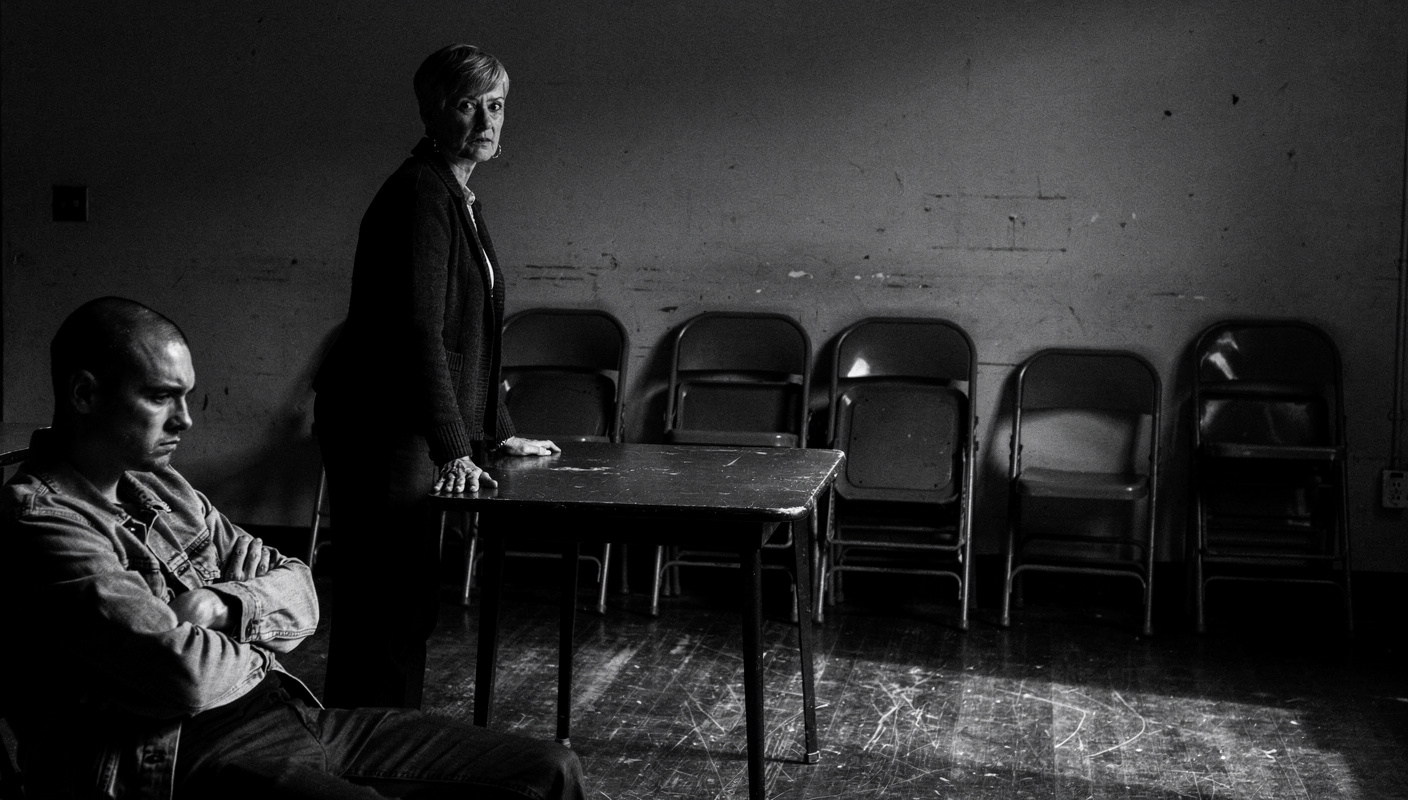
I have been in rooms where someone said all the right things and still made the situation worse. The words were careful. The tone was measured. But the body told a different story: arms crossed tight, jaw clenched, weight forward and aggressive. The other person stopped hearing the words entirely. They responded to the body. They always do.
Conflict puts every physical habit you have under a spotlight. Your posture, where your hands rest, how you hold your gaze, whether you lean in or pull back, all of it broadcasts your internal state long before you open your mouth. D.E.A.L. method body language is the practice of making sure that broadcast works in your favour, not against you. In Say It Right Every Time, I introduce the D.E.A.L. Method as a four-step conflict resolution process. Chapter 9 lays out the full framework. What this article adds is the physical layer: how to anchor your body at each step so the method actually lands.
What the D.E.A.L. Method Requires From Your Body
The D.E.A.L. Method moves through four steps: Define the Issue, Explore Perspectives, Agree on a Solution, and Lock in the Commitment. Each step has a different emotional weight and a different physical demand. You can read the full conflict resolution application of the D.E.A.L. Method here, but the short version is this: the method gives conflict a structure. Without that structure, most people default to their worst physical habits under pressure.
Those habits are familiar. The forward lean that reads as aggression. The crossed arms that signal shutdown. The finger that points instead of gestures. The restless shifting that signals anxiety. These are not character flaws. They are what an unregulated nervous system does when it senses threat. The problem is that they trigger the same response in the other person, and the conversation spirals before a single useful word gets spoken.
Structure, alone, does not fix that. The body needs its own framework.
"The Conversation You're Avoiding Is the One You Need to Have."
"The Conversation You're Avoiding
Is the One You Need to Have."
Stop rehearsing conversations you'll never have. Say It Right Every Time gives you 115 word-for-word scripts and 16 proven frameworks to speak with confidence in every conversation that matters.
The Four Physical Anchors of the D.E.A.L. Method
Each step of the D.E.A.L. Method calls for a specific physical stance. I call these physical anchors because that is exactly what they do: they root you in the moment and keep you from drifting into defensive or aggressive posture as the pressure rises.
Step 1: Define the Issue. The Grounded Stance
What it is designed for: The opening of a conflict conversation sets the physical tone for everything that follows. If you arrive tense and closed, the other person reads danger before you have said a word.
How it works:
- Feet flat, shoulder-width apart. Before you say anything, plant your feet. Not wide and dominant. Not narrow and collapsed. Shoulder-width, weight distributed evenly. This is your physical baseline. It tells your nervous system you are stable.
- Shoulders back and down. Raised shoulders signal stress. Let them drop. Pull them slightly back so your chest opens. This is not a power pose. It is a signal of availability, not threat.
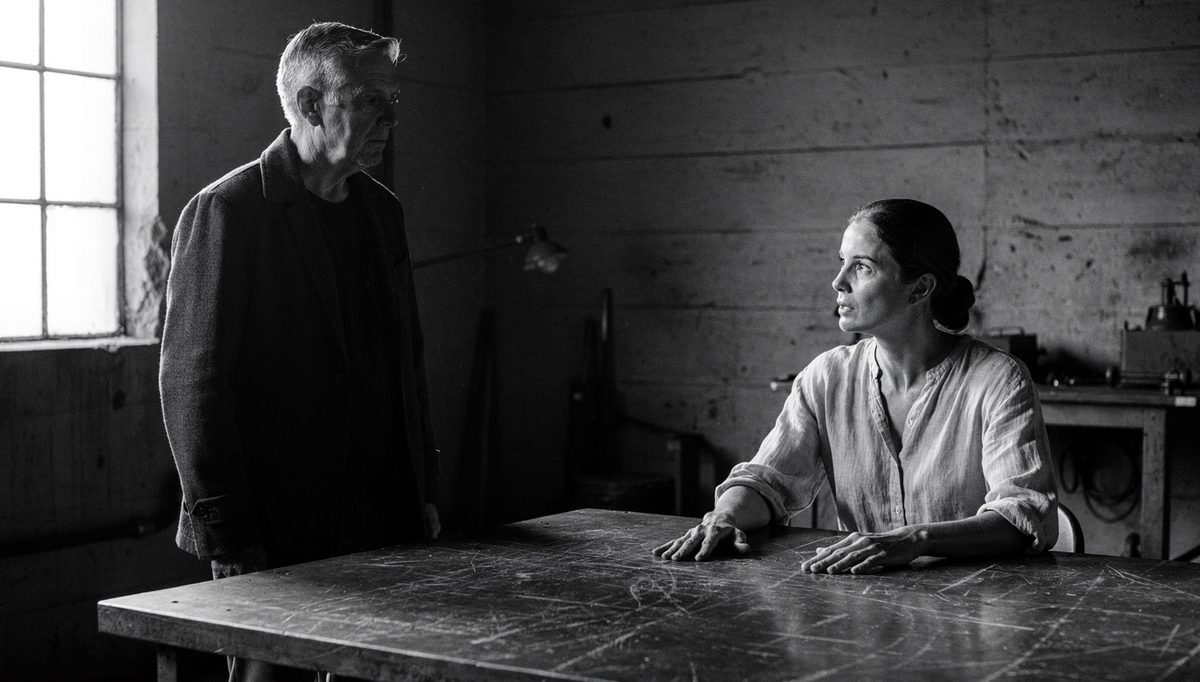
- Hands visible and open. Rest them in your lap or on the table, palms slightly upward or flat. Hidden hands create distrust. Clenched hands signal aggression. Open hands signal honesty.
- Speak from stillness. Deliver your neutral problem statement without moving toward the other person. Let the words carry the weight. Your stillness communicates control.
When to use it: Every time. Before you speak the first word of a conflict conversation.
When not to lean on it: If the environment forces you to stand and the other person is seated, adjust for equality. Crouching to their level or pulling up a chair matters more than perfect stance in that moment.
Example: You need to address a colleague who missed a deadline that affected your project. Before you speak, you sit down, place your hands flat on the table, and say: "I wanted to discuss the timeline for the Henderson report. The delay affected our client delivery, and I want to understand what happened." Your stillness and open hands signal this is a conversation, not an ambush.
Here is the truth of it: the body sets the frame for the conversation. Set it wrong and no script in the world will save you.
Step 2: Explore Perspectives. The Listening Posture
What it is designed for: This step asks you to genuinely hear the other person's side. Your body has to back that up visually. If your posture contracts while they speak, they will sense it and stop being honest.
How it works:
- Slight forward lean, from the hips. Not aggressive. An inch or two toward the person. It says: I am interested in what you are saying. Stay relaxed through the shoulders.
- Steady eye contact, not a stare. Hold their gaze for three to five seconds at a time, then glance briefly away before returning. Unbroken staring reads as intimidation. Breaking contact completely reads as disengagement.
- Nod slowly and sparingly. One slow nod signals you heard something. Rapid nodding signals impatience. Space them out and make each one deliberate.
- Keep your hands still. No tapping, no pen-clicking, no phone in hand. Restless hands signal that your mind is elsewhere or that you are itching to respond.
- Monitor your facial expression. This is where signal leakage happens most. A micro-expression of contempt or dismissal will register even if you say nothing. Consciously soften your jaw and brow.
When to use it: Throughout the entire perspective-sharing phase, whether you are mediating between two colleagues who refuse to cooperate or hearing out someone who is angry with you directly.
When not to use it: If the other person becomes physically agitated, mirror their energy downward instead. Slow your own breathing visibly. It often pulls them back without a word.
Example: A team member is explaining why the project went sideways. You sit with a slight forward lean, hands resting still, nodding once when they make a key point. You do not cross your arms when they say something you disagree with. You hold that open posture even when it is uncomfortable. The journalist mindset described in Chapter 9 of Say It Right Every Time asks you to gather information before judging. Your body needs to match that mindset.
Decades of difficult conversations taught me this: people do not open up to closed bodies. You want honesty, open your posture first.
Step 3: Agree on a Solution. The Collaborative Position
What it is designed for: This step is where you move from two opposing positions toward shared ground. The body needs to signal cooperation, not victory or concession.
How it works:
- Match their physical position gradually. If they are sitting back, do not lean forward. If they begin to relax, let yourself relax too. This gentle mirroring builds rapport without mimicry.
- Bring your hands into the conversation. Open, palm-up gestures while speaking signal offering and inclusion. Keep them below shoulder height. Gestures above the shoulders read as emotional and erratic under tension.
- Create physical symmetry. Sit or stand at the same level as the other person. Equality of physical position signals equality of voice in the solution.
- Soften your eye contact. The focused intensity of the earlier steps can ease here. Let your gaze become warmer and less scrutinising. You are building now, not assessing.
When to use it: As soon as the conversation turns toward options and resolution.
When not to use it: Do not begin mirroring if the other person is still physically tense and closed. Wait for a small physical opening from them before you match it.
Example: You and a colleague have each heard the other out. You say, "So what if we split the client reporting responsibility this quarter?" As you speak, your hands open toward them, palms up, elbows loose. You are not directing. You are inviting. The physical gesture carries the spirit of the words. You can reinforce this with the nonverbal communication strategies covered in tense situations.
This is where I used to make my worst mistakes. I would reach an agreement in words but keep my body rigid, still in the previous fight. The other person felt it. The agreement never held.
Step 4: Lock in the Commitment. The Closing Anchor
What it is designed for: A verbal agreement made without physical conviction is forgotten by Tuesday. The body communicates seriousness at the close of a conversation in ways that words alone cannot.
How it works:
- Sit fully upright. Return to your initial grounded posture. This signals a transition. The emotional negotiation is over; something is being decided.
- Maintain direct eye contact as you state the commitment. Look at the person as you say what you have agreed. Look at them as they confirm it. This creates a felt sense of accountability between you.
- Use a single, decisive gesture. A slow nod, a hand placed briefly on the table, a moment of stillness before you move. Something that physically marks the agreement as real.
- Do not rush the physical close. Resist the urge to immediately gather your things or look at your phone. Stay present for a few seconds after the commitment is spoken. It matters.
When to use it: Every time. A solution that is imposed or rushed physically is not a solution. It is a temporary ceasefire, as I note in Say It Right Every Time.
Example: You and a colleague have agreed on a new review process. You sit upright, meet their eyes, and say: "So we are agreed. You will send the draft by Wednesday and I will review and respond by Friday. That starts this week." You hold the eye contact for a beat after they confirm. You do not break it to check your phone. The moment holds. So does the agreement.
Choosing the Right Physical Anchor for the Moment
The four anchors above follow the D.E.A.L. sequence, but real conflict rarely moves in a straight line. Here is a quick reference for mapping your physical stance to what is happening in the room.
| What is happening | Physical anchor to use |
|---|---|
| Opening the conversation | Grounded stance: feet planted, hands open, stillness |
| Listening to their side | Listening posture: slight lean, slow nods, soft face |
| Tension rising mid-conversation | Reset to stillness: slow breath, shoulders down, hands flat |
| Moving toward resolution | Collaborative position: mirroring, open gestures, equal height |
| Closing the agreement | Closing anchor: upright, direct eye contact, deliberate pause |
| They become aggressive | Widen your base, lower your voice, reduce your movement |
If you are unsure which anchor to use, default to stillness. A still body rarely escalates a situation. A reactive body almost always does. The C.O.R.E. Framework for staying grounded in tense conversations pairs well here as an internal mental anchor that your physical anchors can sit alongside.
Where Physical Presence Goes Wrong in Conflict
Most people do not lose conflicts because they chose the wrong words. They lose them because their body telegraphed something different from their words. Here are the patterns I have watched derail hundreds of otherwise well-prepared conversations.
The mistake: Crossing your arms during the Explore step.
Why it happens: Your body is protecting itself from information it finds uncomfortable.
What to do instead: Place your hands flat on the table or rest them openly in your lap. Let the discomfort sit there. Do not close your body around it.
The mistake: Leaning forward with a pointed finger during Define.
Why it happens: You feel unheard and you are reaching for physical emphasis.
What to do instead: Pull back slightly, drop your hand, and let your voice carry the emphasis instead. Conflict during meetings often escalates here when one person's gesture reads as accusatory.
The mistake: Breaking eye contact completely when the conversation gets difficult.
Why it happens: Avoidance. The eyes naturally look away from things that cause discomfort.
What to do instead: Practise the three-to-five-second rhythm. Look away briefly, return deliberately. It reads as thoughtful, not evasive.
The mistake: Smiling or nodding rapidly when uncomfortable.
Why it happens: Social anxiety produces appeasing gestures. The body tries to make the discomfort stop.
What to do instead: Slow everything down. One slow nod. A neutral expression. Calm the body and the anxiety follows.
Building Physical Fluency Over Time
In Chapter 12 of Say It Right Every Time, I describe a 60-day progression from low-stakes to high-stakes conversations. The same logic applies to physical anchoring. You do not start by practising these stances in the most charged conversation of your year.
Start in ordinary conversations. When you are having a straightforward discussion with a colleague, practise your grounded stance. Notice where your hands naturally go. Notice when your shoulders creep up. Build the physical habits first in calm conditions. The body learns through repetition, and it retrieves under pressure what it has rehearsed in quiet.
After two or three weeks of that, take the anchors into mildly tense exchanges: a disagreement over priorities, a feedback conversation, a moment where you are asked to do something unreasonable. Use the Explore posture deliberately. Notice what changes. The Empathy Bridge technique is a useful companion practice during this phase, helping you prepare emotionally before the conversation starts, so your body is not already stressed before you walk through the door.
By the time you face a genuine conflict, grounded posture, open hands, and controlled stillness are no longer things you have to think about. They are what your body does. That is when the D.E.A.L. Method becomes something you can genuinely rely on.
You might also find it useful to use the Neutral Problem Statement in the Define step. It keeps your opening words from triggering a defensive physical response in the other person before the conversation has a chance to settle.
The Body Tells the Truth
This much I know for certain: you can script every word of a conflict conversation and still lose it in the first thirty seconds if your body signals threat, contempt, or fear. The other person will trust what they see over what they hear, every single time.
D.E.A.L. method body language is not about performance. It is not about looking calm when you are not. It is about training your body to signal what you actually intend, so the message you deliver with your words and the message your posture delivers are the same message. When those two things align, people trust you. When they disagree, people trust neither. The physical anchors in this article give you a practical system you can reach for, step by step, the next time a conflict conversation demands everything you have.
Frequently Asked Questions (FAQ)
What is D.E.A.L. method body language?
D.E.A.L. method body language refers to the deliberate physical postures, gestures, and stillness you use at each step of the D.E.A.L. conflict resolution framework. It ensures your physical presence reinforces your words rather than contradicting them, building trust and reducing escalation.
How does body language affect conflict resolution?
Body language signals your emotional state before you say a word. Crossed arms, a rigid jaw, or a forward lean can escalate tension even when your words are calm. Deliberate posture and stillness during conflict show the other person you are present, open, and in control.
What body language should you use during a difficult conversation?
Keep your feet flat on the floor, shoulders relaxed, and hands visible and open. Maintain steady eye contact without staring. Avoid crossed arms, pointing fingers, or repeated movement, all of which signal defensiveness or dominance and undermine the conversation.
How do you stop defensive body language during conflict?
Notice physical tension early: a tight jaw, raised shoulders, or a forward lean are warning signs. Pause, take a slow breath, and consciously reset your posture to a grounded, open position. This interrupts the physical escalation cycle before it takes over the conversation.
Can body language training improve how you handle conflict?
Yes. Consistent practice of grounded posture, open gestures, and controlled stillness builds physical habits that hold under pressure. Start in low-stakes conversations and work up to high-tension situations. Over time your body learns to default to calm rather than defensiveness.
What does physically anchoring your presence mean in a conflict?
Physically anchoring means consciously placing your body in a stable, open, non-threatening position before and during a conflict conversation. It reduces your own adrenaline response and signals safety to the other person, which creates the conditions for a productive exchange.