
In Short
Your body either backs your words or betrays them when you delegate. Posture that collapses, eye contact that drifts, and gestures that apologise all signal uncertainty to your team, even when your words sound confident.
- Grounded, upright positioning tells your team the task matters and the decision is final.
- Deliberate, visible gestures reinforce clarity; restless movement destroys it.
- Congruence between what you say and how your body moves is the root of real authority.
Delegation body language is the set of postures, gestures, eye contact patterns, and physical positioning a leader uses when assigning work to another person. These nonverbal signals communicate authority, clarity, and conviction, either reinforcing or directly contradicting the verbal instruction being given.
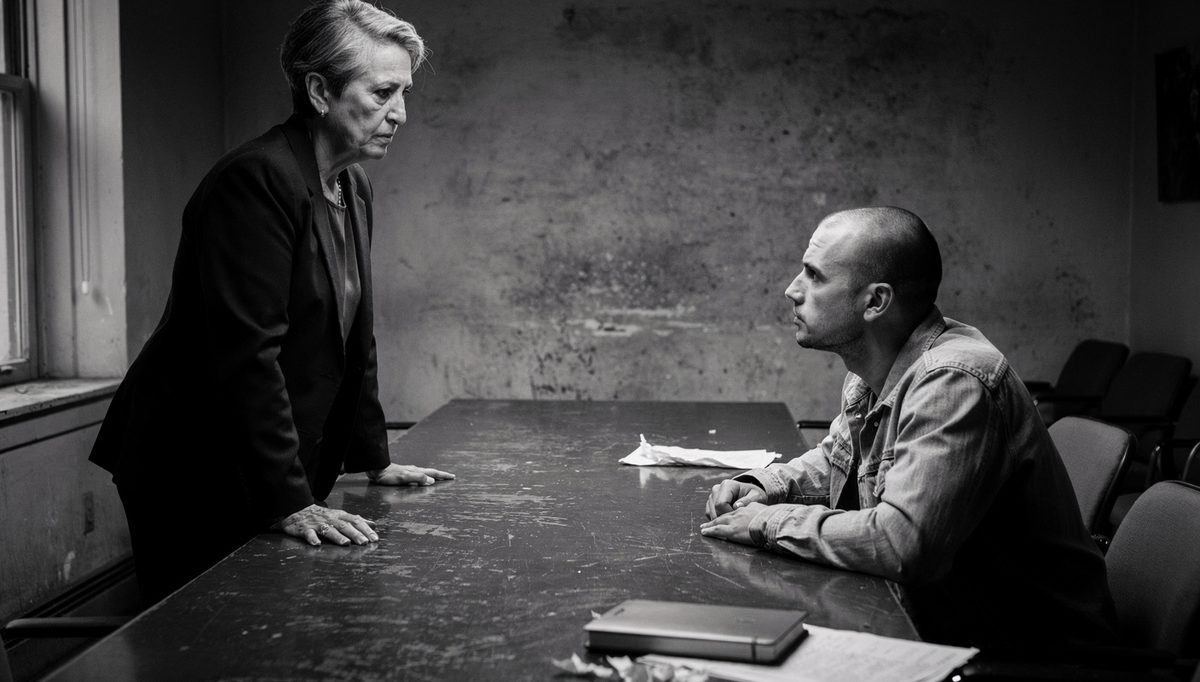
I watched a senior manager lose a project once. Not in the boardroom. Not in the plan. She lost it in the thirty seconds she stood in her team member's doorway, shoulders pulled inward, eyes glancing at the floor while she said, "I was hoping you could maybe take the lead on this, if that works for you?" The words described a delegation. Her body described a request she expected to be refused.
The team member took the task and treated it exactly as it had been offered: as optional. The deadline slipped. The accountability was nowhere. And the manager could not understand why.
This is the real difficulty of delegation body language. Most leaders know roughly what to say when handing off work. Very few have learned what their body is saying at the same moment. The two signals travel together, and when they contradict each other, the body always wins.
Here is a practical system, built over decades of watching this go wrong and right, for making your physical presence match the clarity of your intention when you assign work.
Why Delegation Falls Apart Before You Finish Speaking
Words carry meaning. The body carries weight. When you delegate, your team is reading both simultaneously, and they trust what they see more than what they hear.
This is not a flaw in your team. It is how people are wired. Physical signals evolved long before formal language. Your posture, the direction of your gaze, and the way you hold your hands all transmit information at a speed your words simply cannot match.
The specific difficulty of delegation body language is that the moment of handing off work is almost always slightly uncomfortable. You may feel uncertain about the task's scope. You may be asking someone who is already stretched. You may genuinely not know if the person will succeed. That internal uncertainty bleeds out through your body without you choosing it.
Crossed arms, a tilted head, an apologetic half-smile, a sentence that starts strong and then trails into a question you did not mean to ask: these are not character flaws. They are physical habits formed under social pressure. The fix is not more confidence as a feeling. The fix is a physical practice you can prepare and repeat.
"The Conversation You're Avoiding Is the One You Need to Have."
"The Conversation You're Avoiding
Is the One You Need to Have."
Stop rehearsing conversations you'll never have. Say It Right Every Time gives you 115 word-for-word scripts and 16 proven frameworks to speak with confidence in every conversation that matters.
What Needs to Be True Before You Enter the Room
You cannot coach your body to project authority for an assignment you have not yet thought through. Physical confidence in delegation is always downstream of mental clarity.
Before any delegation conversation, get clear on three things: the outcome you need, the deadline that is real, and the level of autonomy you are genuinely granting. Vagueness in your thinking produces hesitation in your body. When you know exactly what you are handing off and why this person is right for it, your physicality follows naturally.
Also choose your location deliberately. An instruction delivered while standing in a corridor, half-turned toward the exit, reads as tentative and deniable. A conversation where you are both settled, facing each other, signals that what follows is serious. Meeting facilitation skills for managers address environment and positioning in depth, and the same principles apply when the meeting is just two people and a task.
A Step-by-Step System for Authoritative Delegation Posture
These steps follow a sequence. Work through them in order the first several times, until the pattern becomes natural.
Ground yourself before you speak. Stand or sit with both feet flat and fully in contact with the floor. No crossed legs, no weight shifted to one hip. This grounds your physical presence and signals to your own nervous system that you are stable. You cannot project settled authority from an unsettled body.
Open and square your shoulders. Pull your shoulder blades gently back and down. Your chest opens. Your spine lengthens. Do not puff up; simply stop collapsing. This single adjustment changes how your presence reads in a room more than almost anything else you can do. It is the physical difference between "I am offering this task" and "I am assigning this task."
Face the person directly. Turn your whole body toward them, not just your head. Angled-away positioning reduces perceived commitment. When your torso is squared to the person you are delegating to, the instruction lands as direct and intentional.
Establish steady eye contact before you name the task. Look at the person before you start speaking. Hold that contact through your opening sentence. Say something like: "I want to walk you through something I need you to own." Then keep your gaze steady. Eyes that drift to the desk or the window while the key instruction lands signal that you are not fully behind the words leaving your mouth.
Keep your hands visible and deliberate. Hands in pockets or tucked under crossed arms read as closed or concealed. Rest them on the desk or hold them loosely in your lap. When you want to emphasise a point, use a single, intentional gesture: an open palm pressed gently down, or a calm forward extension of one hand. Avoid repetitive movements like tapping, clicking a pen, or touching your face. These broadcast anxiety clearly. For the physical specifics of this, the body language guidance in Nonverbal Communication in Tense Situations extends these principles into high-pressure moments well.
Pause after the core instruction. Do not fill the silence. After you have named the task, the deadline, and the expected outcome, stop. Sit with the quiet for two or three seconds. Leaders who fill every silence with qualifications, additions, or apologies undercut the weight of everything they just said. Stillness communicates that you have finished and that you expect a response. Movement fills the void you just created with uncertainty.
Close the conversation with a physical signal that it is done. Lean back very slightly or sit upright with both hands resting on the table. Maintain eye contact. Say something like: "I know you have what this needs. What questions do you have?" This phrasing and the settled posture that accompanies it close the delegation cleanly. It is not a request for permission. It is a confident transfer.
Adapting Your Delegation Body Language to Video Calls
Remote delegation strips away roughly half of your physical toolkit. Your team cannot see how you stand. They cannot read your full posture. What they can read, they read in an amplified way because the camera focuses attention tightly.
On video, three physical elements carry almost all of the authority signal: your camera height, your eye-line, and your hands.
Camera height matters enormously. A camera below eye level makes you look down at your team, which can read as domineering. A camera too far above you makes you look small. Set the camera at or just slightly below eye level. This produces a natural, direct gaze.
Eye-line is the remote equivalent of eye contact. When you want a key instruction to land with weight, look directly into the camera lens, not at the person's face on your screen. It feels unnatural, but it is what produces the sense of direct, sustained eye contact on the other end.
Hands within the frame matter here more than in person. Keep them visible. Use the same deliberate, open gestures you would use in the room. Scripts for delegating with authority pair well with this physical practice: your words and your visible body language working together close the gap that remote settings create.
The Physical Habits That Quietly Erode Your Authority
These are the mistakes I have made myself over the years, and watched others make more times than I can count.
The mistake: Leaning back or physically retreating as you name the task.
Why it happens: Unconsciously, you are softening the ask, reducing the perceived pressure on the other person.
What to do instead: Lean in very slightly, or stay square and still. The forward lean communicates that this matters to you.
The mistake: Ending the instruction with a rising pitch and a questioning tilt of the head.
Why it happens: You want to appear collaborative. The body confuses collaboration with uncertainty.
What to do instead: End your key instruction with a level or downward vocal finish and a still head. The question you genuinely want answered can come after a deliberate pause.
The mistake: Smiling too broadly or too continuously while assigning high-stakes work.
Why it happens: You want to reduce tension. The persistent smile reduces the perceived seriousness of the task.
What to do instead: Warmth is a genuine signal. Save it for the close. During the instruction itself, a calm, neutral expression reads as serious and respectful. Your tone carries the warmth.
The mistake: Using hedging gestures: palms turned up, shoulders raised, a slight shrug.
Why it happens: These are the physical form of phrases like "I think" and "maybe." They often happen without awareness.
What to do instead: Record one delegation conversation on your phone or on video. Watch it back with the sound off. You will see your hedging gestures with startling clarity.
The verbal dimension of this challenge is addressed in scripts for delegating a synergy-critical project, and it is worth pairing that resource with this physical practice. Your words and your body need to be working from the same page.
Building Confident Physical Habits Through Deliberate Practice
The S.T.R.O.N.G. framework, covered in depth in Say It Right Every Time For Women, includes a step that is pure body language: "Take a Breath and Pause" as a physical reset before any high-stakes conversation. That pause is not just about composure. It is about giving your body a moment to find its ground before your mouth starts moving. The same principle applies directly to delegation. A two-second breath before you begin physically settles your posture, drops your shoulders, and slows the nervous energy that otherwise leaks out through gesture and gaze. You can read the full framework and its execution layer in Say It Right Every Time For Women.
Practice each element of delegation body language in isolation before you need it under pressure. Stand in front of a mirror and practise your grounded stance for sixty seconds. Practise holding eye contact without speaking while watching your own reflection. It feels strange. It works. Physical skills build through repetition, not through thinking about them.
Your Pre-Delegation Body Language Checklist
Run through this before any significant task handoff, whether in person or on video.
Mental clarity:
- I know the specific outcome I am assigning, not just the task category.
- I know the real deadline and am prepared to state it clearly.
- I know the level of autonomy I am granting and where the boundaries are.
Physical setup:
- I have chosen a location where we are both settled and facing each other.
- My phone is away. My laptop is closed or turned.
- On video: my camera is at eye level, lighting is in front of me, not behind.
Body before speaking:
- Both feet flat on the floor or both feet grounded if standing.
- Shoulders back and relaxed, chest open.
- Hands visible, resting, ready.
During the conversation:
- Eye contact is steady through the key instruction.
- I will pause after naming the task and not fill the silence.
- My gestures are deliberate and open-palmed when I use them.
- I am not tilting my head or raising my shoulders during the core instruction.
Closing the delegation:
- I close with a statement of confidence, not a question seeking reassurance.
- My posture is still and settled as I finish.
- I hold the silence after "What questions do you have?"
This checklist complements the communication framework in the role of communication in meeting success, which covers how physical presence shapes every kind of leadership conversation.
When You Get It Wrong: Recovery Without Retreat
You will sometimes finish a delegation and feel, immediately, that your body betrayed you. The words came out right. The posture did not. Here is the truth of it: you can recover within the same conversation.
Do not apologise for your earlier delivery. Simply pause, settle your body into the grounded position, look the person in the eye, and restate the core instruction one more time with calm directness. Something like: "Let me be clear on the key thing here. I need this finished by Thursday, and I am counting on you to own it." Delivered with a still body and steady eyes, that restatement lands cleanly.
The same composure that helps after a difficult exchange helps here too. How to handle conflict during meetings covers physical recovery in tense moments, and the physical principles transfer. Grounding, steadiness, and deliberate eye contact repair more than most people expect. When corrective feedback is also part of the picture, the S.B.I. method for corrective feedback pairs well with this physical practice, because clear feedback delivered from a grounded body lands without triggering defensiveness.
Delegation Body Language Is a Skill You Build, Not a Trait You Have
Some people carry natural physical authority. Most do not, and those who appear to have earned it through practice. I spent years watching my own hedging gestures undermine instructions I genuinely meant, and years more deliberately building the physical habits that now come without thought.
Delegation body language is not about dominance or performance. It is about congruence: making your body a reliable carrier of the message your words are trying to deliver. When your team sees a grounded, direct, physically composed person assigning them work, they receive it as real. They take it seriously. They hold themselves accountable.
Your body is not the enemy of your authority. Learn to use it deliberately, and it becomes your most consistent tool.
Frequently Asked Questions (FAQ)
What is delegation body language?
Delegation body language refers to the posture, gestures, eye contact, and physical positioning a leader uses when assigning work. These nonverbal signals either reinforce or contradict the verbal message, directly influencing whether a team member accepts the task with confidence or with doubt.
How does body language affect delegation at work?
When your posture is grounded and your gestures are deliberate, your team receives the task as clear and important. When your body signals hesitation, crossed arms, averted gaze, nervous movement, team members read the assignment as uncertain, and accountability suffers as a result.
What body language signals undermine authority when delegating?
The most common signals that undermine authority include a collapsed chest, avoiding eye contact, excessive apologetic gestures, fidgeting while speaking, and physically retreating after giving an instruction. Each of these tells the listener that you are not fully behind what you are saying.
How should a manager position themselves when delegating a task?
Stand or sit fully upright with both feet grounded, shoulders back and relaxed, and your body turned squarely toward the person. Maintain steady eye contact through the key instructions. Keep your hands visible and still unless you are using a deliberate gesture to emphasise a point.
Can delegation body language be practised and improved?
Yes. Delegation body language is a learnable physical skill, not a personality trait. You can practise the grounded stance, deliberate eye contact, and intentional gestures in isolation before using them in real conversations. Consistent rehearsal builds the muscle memory needed for natural, confident delivery.
How does delegation body language change in remote or video settings?
On video, your camera framing, seated posture, eye-line to the lens, and hand visibility replace the full-body signals of an in-person conversation. Sit tall, position the camera at eye level, look into the lens when delivering key instructions, and keep your hands within frame for visible, deliberate gestures.