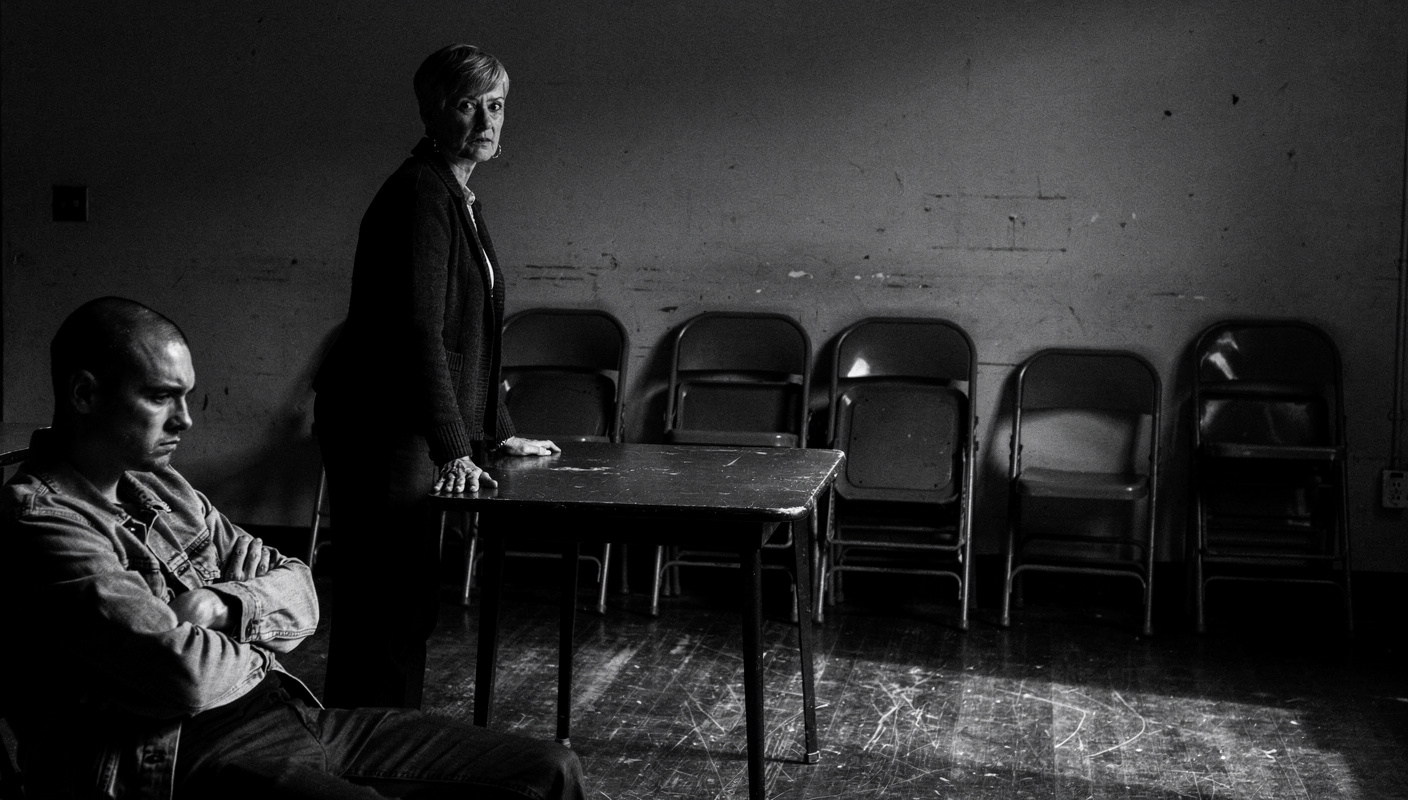

In Short
Body language difference is real, consequential, and manageable. When you are the only person in a room who looks different, your body often responds to that pressure before your mind does, and those signals shape how others read your competence and confidence.
- Stress narrows your physical presence in ways that undermine your credibility before you speak.
- You can override that response with deliberate, practiced physical choices.
- The goal is not to perform comfort you do not feel; it is to stop your body from broadcasting distress you cannot afford to show.
Body language difference describes how visible physical distinctions, such as race, gender, age, or disability, alter the nonverbal signals a person sends and receives in group settings. When you stand out, your posture, gaze, and gestures carry amplified social meaning, affecting how others read your authority and competence.
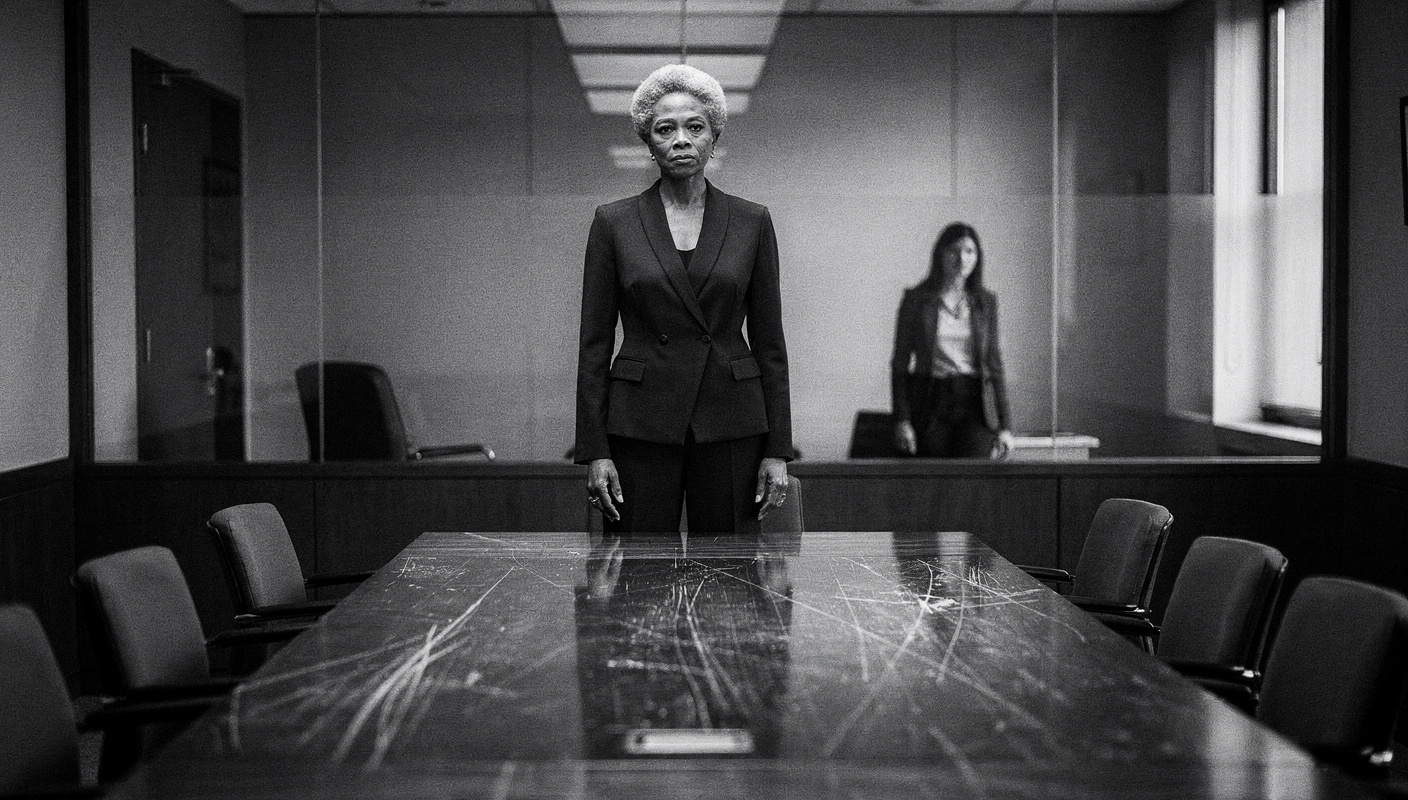
There is a particular kind of pressure that settles on a person the moment they walk into a room and realise they are the only one who looks like them. It is not imagined. It is physical. Your shoulders shift, your breath shortens, your body starts making decisions you did not consciously authorise. Body language difference is what happens when visibility becomes a weight your body tries to manage on its own, and it often manages it badly.
I have watched this play out more times than I can count. A person with genuine expertise and hard-won ideas enters a room, scans it, feels the gap between themselves and everyone else, and their body responds by making them smaller. By the time they speak, they have already told the room something untrue: that they are uncertain, peripheral, perhaps not quite sure they belong. The words that follow fight an uphill battle against what the body already said.
This piece is about understanding what your body does under that pressure, why it does it, and how you can take back control of the signals you send.
What Your Body Does Before Your Brain Catches Up
The human stress response is ancient and fast. When your nervous system registers a threat, which social exclusion genuinely is, your body reacts in predictable ways. Your shoulders pull forward and up. Your chest narrows. Your eyes drop or dart. You begin to take up less space. These are protective signals, and in a genuine physical threat, they make sense. In a boardroom or a meeting room, they do the opposite of protect you.
The problem is that these responses happen before you consciously decide anything. By the time you are aware of them, the room has already registered them. People read closed body language as low confidence, and low confidence as low competence. The two are not the same thing, but the body does not know that.
If you have ever sat through a meeting feeling invisible despite having the most relevant experience in the room, the chances are good that your physical presence was confirming what the room already assumed. That is not your fault. It is your body doing what bodies do. But it is something you can change.
"The Conversation You're Avoiding Is the One You Need to Have."
"The Conversation You're Avoiding
Is the One You Need to Have."
Stop rehearsing conversations you'll never have. Say It Right Every Time gives you 115 word-for-word scripts and 16 proven frameworks to speak with confidence in every conversation that matters.
The Weight of Being Seen and Not Seen at the Same Time
There is a particular contradiction in being visibly different: you are simultaneously hyper-visible and professionally invisible. Others notice your difference immediately. They may struggle to see your competence at the same rate. Your body, caught in this bind, often tries to resolve it by disappearing, which is precisely the wrong move.
I want to be clear about something. The problem here is not that you feel out of place. The problem is that your body is broadcasting that feeling as if it were a fact about your ability. It is not. What your posture signals and what you are capable of are two entirely separate things. The work is to close that gap.
Hyper-visibility tends to produce one of two physical responses. The first is shrinking: becoming physically smaller, speaking softly, avoiding sustained eye contact, keeping your gestures tight and close to your body. The second is overcompensation: speaking more loudly than feels natural, moving more assertively than the moment calls for, performing confidence rather than practising it. Neither of these serves you. The first makes you easy to overlook. The second makes you easy to dismiss.
What serves you is composure. Not comfort, which you may not genuinely feel. Composure, which is the physical practice of steadiness under pressure. For related guidance on staying grounded when tension is present, the C.O.R.E. Framework offers a practical place to start.
What Composed Body Language Actually Looks Like
Let me give you something concrete. Composed body language in a high-stakes room has specific, observable qualities. None of them require you to feel confident. They require you to make physical choices and hold them.
Your feet are grounded. Whether you are standing or seated, both feet are flat on the floor, hip-width apart. This is not a small thing. Grounded feet create a stable base that your body registers as safe, and that stability travels upward through your posture.
Your hands are visible and still. Hands hidden under a table, clenched in your lap, or fidgeting with a pen all signal anxiety. Hands resting openly on a table, or gesturing deliberately when you speak, signal that you are at ease with being seen.
Your eye contact is steady, not searching. There is a difference between scanning a room anxiously and meeting eyes with intention. Anxious scanning broadcasts uncertainty. Deliberate eye contact, held for two or three seconds at a time, signals that you are present and unafraid to be noticed.
Your pace is slower than your nerves want. Stress speeds everything up: your speech, your movements, even your blink rate. Slowing down is one of the most powerful physical choices available to you. It reads as authority. It also helps regulate your own nervous system, which reduces the stress response from the inside out.
Three Situations Where This Plays Out, and What to Do
The meeting where you are the only one. You walk in, take your seat, and feel the gap. Your body wants to fold. Instead, pull your chair in close to the table, sit tall, and place your hands on the table surface in front of you. You are signalling, to yourself as much as to anyone else, that you belong at this table. When you speak, keep your gaze level and let the sentence finish before you look away. Do not look down when you are making your most important point.
For teams where multiple voices struggle to be heard, the dynamics described in How to Ensure Every Participant Gets Heard address the structural side of this challenge.
The presentation where everyone is watching you. Being the only person who looks different in front of a room amplifies every signal you send. Plant your feet before you begin. Take one breath, let it out slowly, and then start. Do not rush into speech to fill the silence. The pause before you begin tells the room that you are comfortable being there. That message lands before a single word does.
The tense exchange where you feel targeted. Sometimes the pressure is not ambient; it is direct. A comment that lands wrong, a question that feels pointed, a moment where you sense the room shifting. In these moments, your body will want to react quickly. Slowing your physical response, keeping your posture open, and taking the 3-second pause before you respond are not passive choices. They are active ones that keep you in control of what your body is saying. See also the guidance on nonverbal communication in tense situations for the broader picture.
What People Get Wrong About Body Language in These Moments
The first mistake is thinking mirroring will make you belong. Many people in unfamiliar rooms try to mirror the physical style of the dominant group, adopting their posture, their level of informality, their gesture style. The logic is that matching signals ease. In practice, forced mirroring reads as discomfort disguised as adaptation. Others sense it, even if they cannot name it. Your own natural physical style, practised and composed, signals far more confidence than a performance of someone else's.
The second mistake is treating eye contact as optional when you are nervous. Averted eyes feel safe when you are under social pressure. They are not. In most professional contexts, consistent eye contact signals credibility. When you avoid it, especially when speaking about your own ideas, you invite doubt about those ideas. Eye contact is not aggressive when it is calm. It is a signal that you trust what you are saying.
The third mistake is believing that what you feel inside is what the room sees. You may feel like an imposter. You may feel like every eye is judging you. But the room does not have access to your internal state. It only has access to your physical signals. This is not a reason to perform feelings you do not have. It is a reason to understand that deliberate physical choices can represent you more accurately than your stress response does.
For teams and leaders who want to understand how these dynamics shape group conversations, Running Inclusive Meetings with Diverse Teams addresses the responsibilities on both sides of the table. When those conversations become contested, the guidance in How to Handle Conflict During Meetings is worth keeping close. And before any difficult conversation begins, the Empathy Bridge Technique can reduce the temperature before it rises.
The Practice You Can Start Before the Next Meeting
Here is the truth of it. You cannot will yourself into a different nervous system. But you can build a physical practice that intercepts the stress response before it takes hold.
Before the next room you walk into alone, give yourself two minutes. Stand or sit with your feet flat, your spine long, and your hands open. Breathe in for four counts, out for six. Do not rehearse what you are going to say. Just practise being in your body without flinching from your own presence. This is not performance. It is preparation.
In the room, anchor yourself physically before you anchor yourself verbally. Sit down fully, both feet down, hands on the table. Let the room see you settle. Then, when you speak, speak to the whole room with your eyes, not just the person who asked the question.
Body language difference is not a fixed condition. It is a set of pressures acting on a body that can learn to respond differently. I have watched people who spent years making themselves small in professional rooms practise their way into genuine presence. Not by pretending the pressure was not there, but by building the physical habits that held steady under it.
You deserve to take up the space your contribution requires. Your body can learn to say that, even when the room makes it hard.
Frequently Asked Questions (FAQ)
What is body language difference in the workplace?
Body language difference refers to how visible physical distinctions, such as race, gender, age, or disability, affect the way a person carries themselves and how others interpret their nonverbal signals. When you stand out in a room, your posture and presence carry amplified weight.
How does being the only person who looks different affect your body language?
It often triggers a stress response that causes people to make themselves physically smaller, avoid eye contact, and restrict their gestures. These signals read as low confidence to others, even when the person is highly competent, creating a gap between ability and perceived authority.
How can you use body language to build credibility when you feel out of place?
Ground your feet, sit or stand with your full height, and keep your hands visible and relaxed. Make steady, deliberate eye contact rather than scanning anxiously. These physical choices signal confidence before you say a single word and help others read you as capable and composed.
What body language mistakes do people make when they feel like outsiders?
The three most common are shrinking physically to avoid drawing attention, over-mirroring the dominant group to blend in, and moving too quickly when nervous. Each of these undermines presence and can reinforce the very invisibility or hyper-visibility the person is trying to manage.
Can body language help you manage being hyper-visible in a room?
Yes. Deliberate, steady body language reduces the stress signals that hyper-visibility tends to produce. When you hold your posture, slow your movements, and breathe deliberately, you shift from reactive mode into composed presence, which changes how others perceive and respond to you.
What is the difference between open and closed body language under social pressure?
Closed body language, such as crossed arms, hunched shoulders, and averted eyes, signals discomfort and invites others to discount your contribution. Open body language, a square stance, visible hands, and direct gaze, signals that you belong in the room and expect to be heard.