
In Short
Athlete body language shifts the balance of a contest before a single action is taken. The body signals confidence or doubt, dominance or submission, to every person in the room.
- Posture, gaze, and stillness are read by opponents in seconds, often accurately.
- The same physical signals that work on a pitch work in a boardroom, a negotiation, or a tense conversation.
- At least one athlete in every competition is losing the nonverbal contest before the physical one begins.
Athlete body language is the set of physical signals, including posture, eye contact, movement, and stillness, that competitors use to project confidence, claim space, and influence the psychological state of opponents and teammates before and during competition.
I watched a young rugby player walk onto a field years ago and lose the match in the car park. He was talented. He was fit. But by the time he reached the centre line, his shoulders had already folded forward, his eyes were scanning the ground, and the opposing captain was watching every step. That captain smiled. Not at anything the young man had done. At what his body had already admitted.
That is what athlete body language teaches us, if we are willing to look. The body speaks before the mouth opens. And in sport, where the contest for psychological advantage starts long before the first whistle, every signal counts.
What Your Body Announces Before You Compete
Most people understand that communication involves words. Fewer appreciate how much is decided by physical signals alone, before a single word is exchanged. In sport, the pre-competition window is a masterclass in nonverbal communication in tense situations. Opponents read posture, walking pace, gaze, and spatial choices with the same seriousness a negotiator reads a counterpart across a table.
Here is what to watch for as you read these scenarios. Notice where the eyes go. Notice who claims space and who concedes it. Notice who moves slowly and deliberately, and who fills silence with restless energy. These are the signals that matter.
"The Conversation You're Avoiding Is the One You Need to Have."
"The Conversation You're Avoiding
Is the One You Need to Have."
Stop rehearsing conversations you'll never have. Say It Right Every Time gives you 115 word-for-word scripts and 16 proven frameworks to speak with confidence in every conversation that matters.
Five Scenarios That Show Body Language in Action
1. The Sprinter Who Owned the Starting Blocks
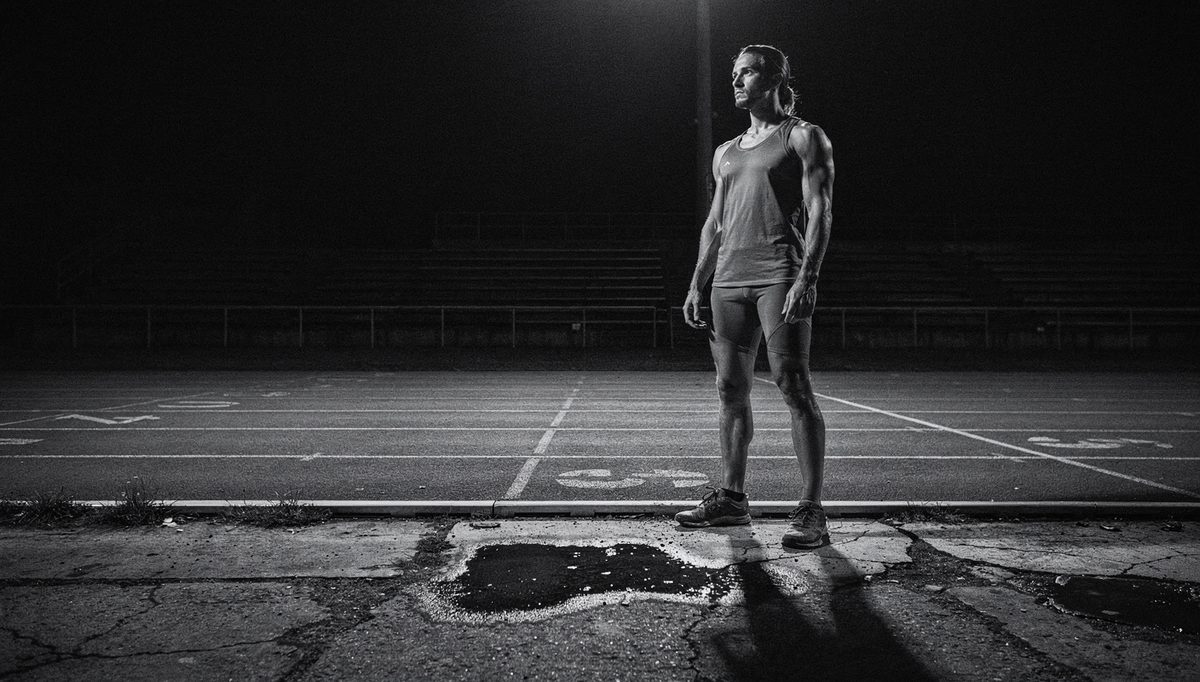
Two sprinters are warming up beside each other before a regional final. One moves through his routine with unhurried precision: each stretch measured, each breath audible and slow, his gaze moving calmly along the track ahead. He does not look at his competitor once.
The second sprinter glances sideways three times in a ninety-second window. He adjusts his vest twice. He shakes out his legs more than the warm-up requires.
The first sprinter is not ignoring his opponent. He is communicating something precise: you are not a threat worth my attention. That message lands. The second sprinter's preparation fractures. His starting sequence, normally clean, begins with a slight forward lurch.
Stillness and deliberate movement are among the most powerful tools in the athlete body language toolkit. The body that is calm signals to every observer, including the self, that the situation is under control.
2. The Boxer's Walk to the Ring
A professional boxer walks to the ring before a televised bout. Her pace is slow. Her chin is level. Her hands are loose at her sides. She does not scan the crowd for friendly faces. She looks straight ahead, as though the ring were already hers and she is simply returning to it.
Her opponent enters ninety seconds later and does the opposite. Her gaze sweeps the crowd. She raises her arms to generate noise. The noise comes, and it masks something: she needed that noise. She needed external energy because her own internal state required support.
The first boxer noticed. I have spoken with fighters who say that moment, before the first bell, tells them nearly everything about the night ahead.
This is not about arrogance. It is about self-containment. The body that seeks reassurance from the environment signals, to a trained observer, that it does not fully trust itself.
3. A Team That Stopped Looking at Each Other
A football team is losing at half-time by two goals. They gather in a loose cluster near the tunnel. Watch what the body language says before the coach speaks.
Three players are looking at the ground. Two are standing with their weight on one leg, a posture that signals disengagement. Nobody is facing the centre of the group directly. The cluster has already fractured into smaller private anxieties, each body turned slightly away from the next.
The cost of this is real. Groups that lose their shared physical orientation also lose their shared focus. The coach's words land on people who are already, in body at least, absent. By the time the team returns to the pitch, the contest for collective belief has been lost in the changing room.
The role of communication in meeting success depends on the same truth: when bodies disengage, attention follows. A team or a group can haemorrhage confidence through posture alone.
4. The Captain Who Lifted the Room Without Speaking
A women's volleyball team is losing the third set. Their captain calls a timeout. She does not shout. She does not point. She walks to the centre of the huddle, stands upright, makes direct and brief eye contact with each player in turn, and says very little.
But her chest is open. Her feet are shoulder-width apart. Her weight is evenly balanced. She is the physical opposite of the collapsing posture around her. And one by one, the players she looks at straighten. Not because she commanded it. Because a body under pressure that sees a body at ease begins, almost involuntarily, to adjust toward it.
This is inspiring body language in its clearest form. It does not perform energy at the team. It models composure, and composure is contagious in a way that shouting rarely is. This connects directly to how to ensure every participant gets heard: presence and physical stillness create the conditions for others to gather themselves.
5. The Wrestler Who Gave It Away at the Weigh-In
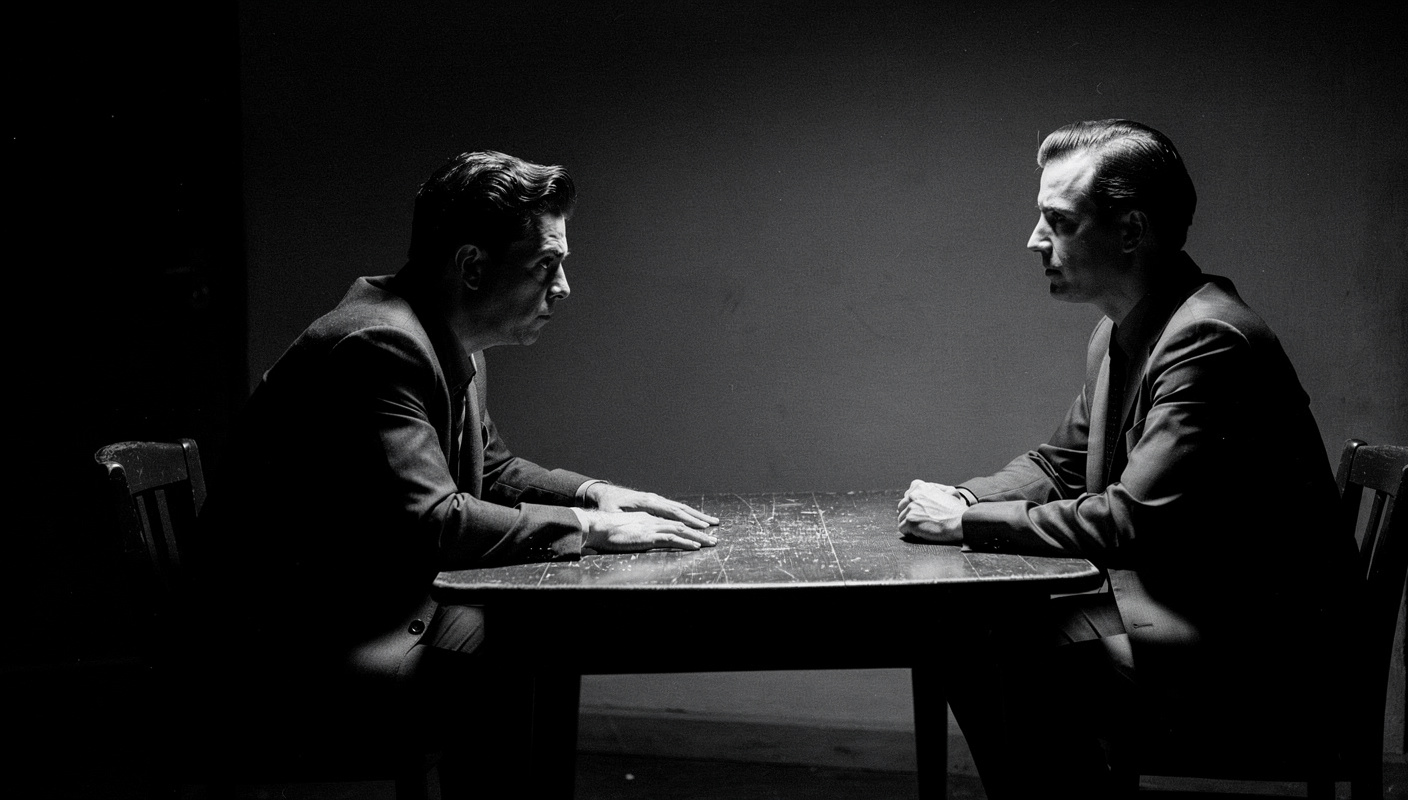
Here is the failure. A wrestler at a national championship meets his opponent the morning before competition at the official weigh-in. They stand three feet apart. The opponent holds his gaze. The wrestler, who I am told was the stronger technical competitor, looks down after two seconds.
That is all it takes. Two seconds of eye contact broken.
His opponent noticed and said nothing. He simply held his own gaze steady and waited. A space opened between them, and the wrestler filled it by looking away. The match that afternoon played out in a pattern familiar to those who understand the psychology of physical confidence. The wrestler fought defensively from the first minute, reacting rather than imposing. He lost.
The technical skills were there. The body language had already decided the terms. Two seconds of gaze aversion cost him the psychological foundation of the entire bout. When you understand how to deal with dominant voices in a discussion, you recognise this pattern immediately: the person who breaks first rarely recovers the ground.
What Runs Through All Five of These
Three things appear across every scenario, and they are worth naming directly.
The body signals before the mind decides. In each case, the nonverbal message was transmitted and received before any conscious strategy was in play. The sprinter glancing sideways was not choosing to show doubt. The footballer looking at the ground was not deciding to disengage. The signals ran ahead of intention.
Opponents and teammates are both reading you constantly. Sport compresses this into obvious drama, but the same dynamic runs through every meeting where conflict surfaces or argument that threatens to escalate. The people around you are processing your physical signals whether you are aware of them or not.
Composure is communicable. The captain who straightened her team without speaking illustrates something I have watched repeat across sixty years of paying attention to people: calm is not just an internal state. It is a visible, transmittable signal. One person holding themselves with steadiness gives others around them a physical reference to orient toward.
What This Means When You Step Into the Room
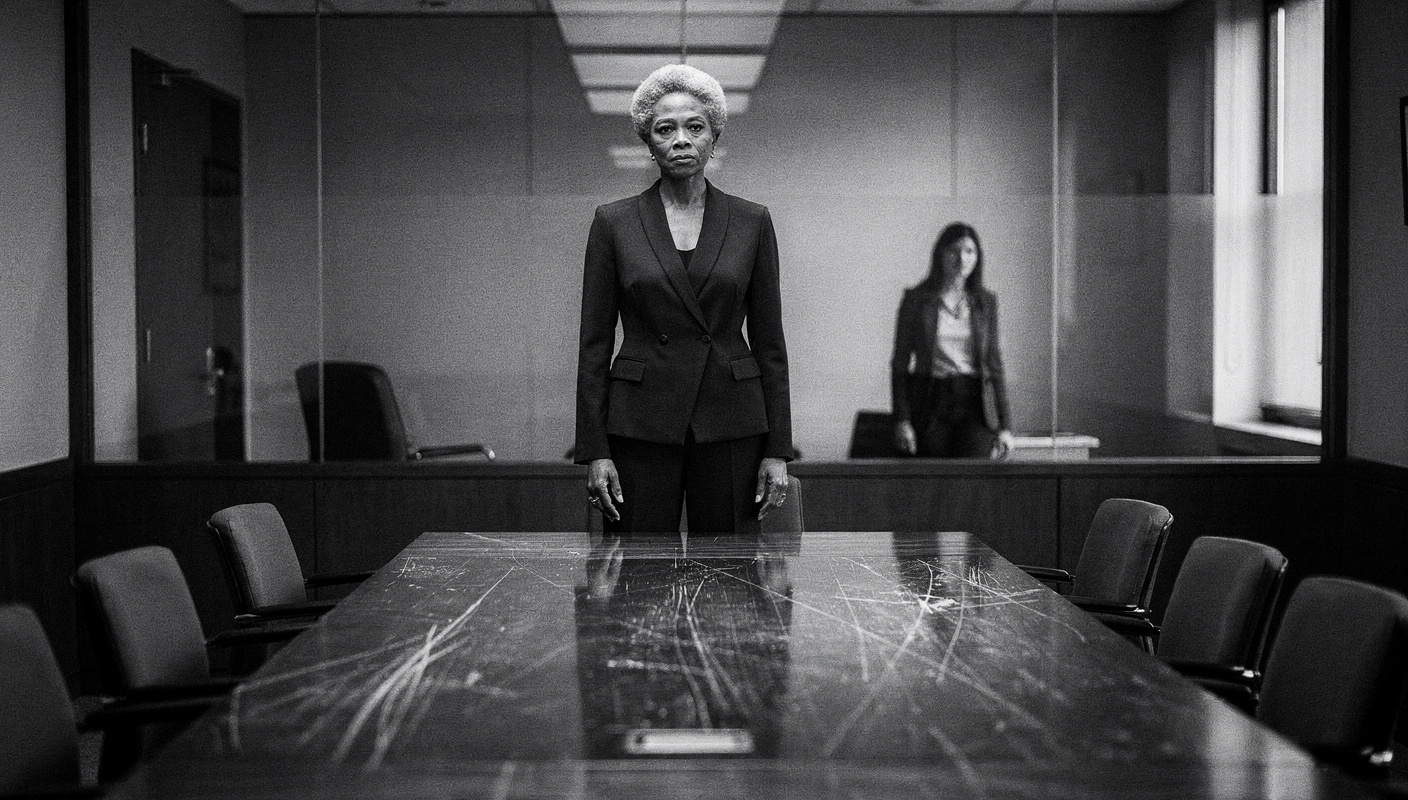
You do not need to be an athlete for these patterns to matter. Every high-stakes conversation, every presentation, every room where the balance of power is unresolved, runs on the same currency.
The questions worth asking yourself are specific. When you enter a room where tension is present, where do your eyes go first? When someone holds your gaze directly, how long before you look away? When you are under pressure, does your body claim space or begin to contract? These are not abstract questions. They are the same questions the sprinter and the wrestler would answer very differently.
The practice here is not performance. It is preparation. Meeting facilitation skills for managers rest partly on exactly this: the facilitator who enters with composed, open body language has already begun to shape the room before the agenda is introduced.
Slow down your movements. Keep your gaze steady. Hold the ground under your feet. These are not tricks. They are the physical habits that signal, to every person present, that you trust yourself in the situation.
Athlete body language is not a secret known only to competitors. It is a system of signals that every human being already reads. The question is whether you are sending them with intention, or leaving them to chance.
Frequently Asked Questions (FAQ)
What is athlete body language?
Athlete body language refers to the physical signals competitors send through posture, gaze, movement, and stillness before or during competition. These signals can project confidence and dominance or reveal doubt and anxiety, influencing both opponents and the athlete themselves.
How does body language intimidate opponents in sport?
Body language intimidates by claiming space, holding steady eye contact, moving slowly and deliberately, and showing no physical signs of anxiety. When an opponent reads these signals as confidence, their own composure can be disrupted before competition has even begun.
Can body language actually affect athletic performance?
Yes. The physical posture you hold influences your own mental state as much as it signals to others. Athletes who collapse their posture under pressure often accelerate their own anxiety, while those who maintain open, upright stances tend to sustain composure longer under stress.
What body language signals show weakness or doubt?
Gaze aversion, shoulders rolling forward, shallow breathing, frequent self-touching such as adjusting clothing, and breaking stillness under pressure are all signals that experienced opponents read as doubt. These cues often betray anxiety before the conscious mind has processed it.
How can I use athlete body language in everyday situations?
Carry your weight evenly, hold your gaze steady during difficult moments, and resist the urge to fill silence with nervous movement. In high-stakes conversations or presentations, the same physical discipline that athletes practise in training directly transfers to how others read your confidence.
What is the difference between intimidating and inspiring body language in athletes?
Intimidating body language turns inward on the opponent, using direct gaze, territorial space, and stillness to unsettle. Inspiring body language turns outward to teammates, using open gestures, shared eye contact, and deliberate calm to lift the room. Both use the same physical tools with different intent.