
In Short
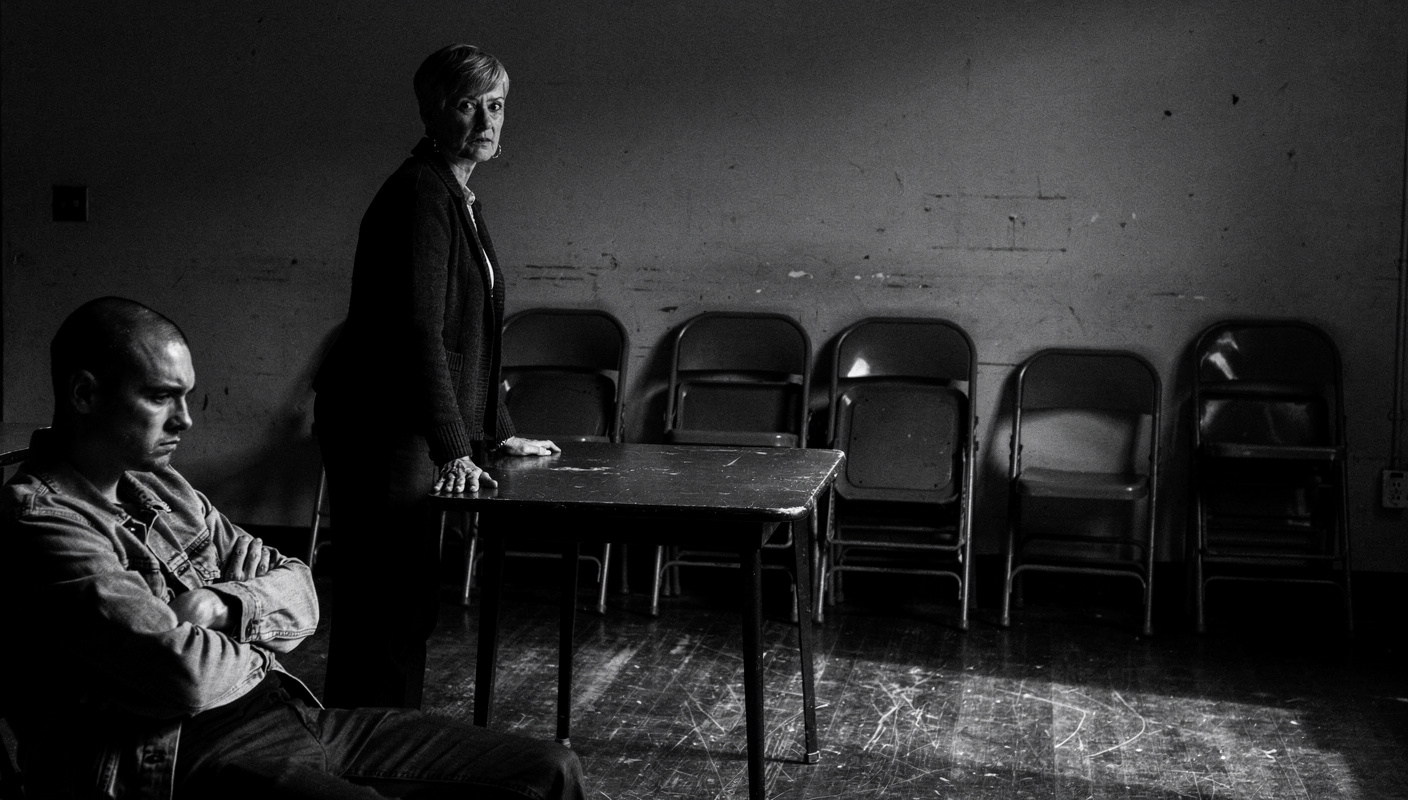
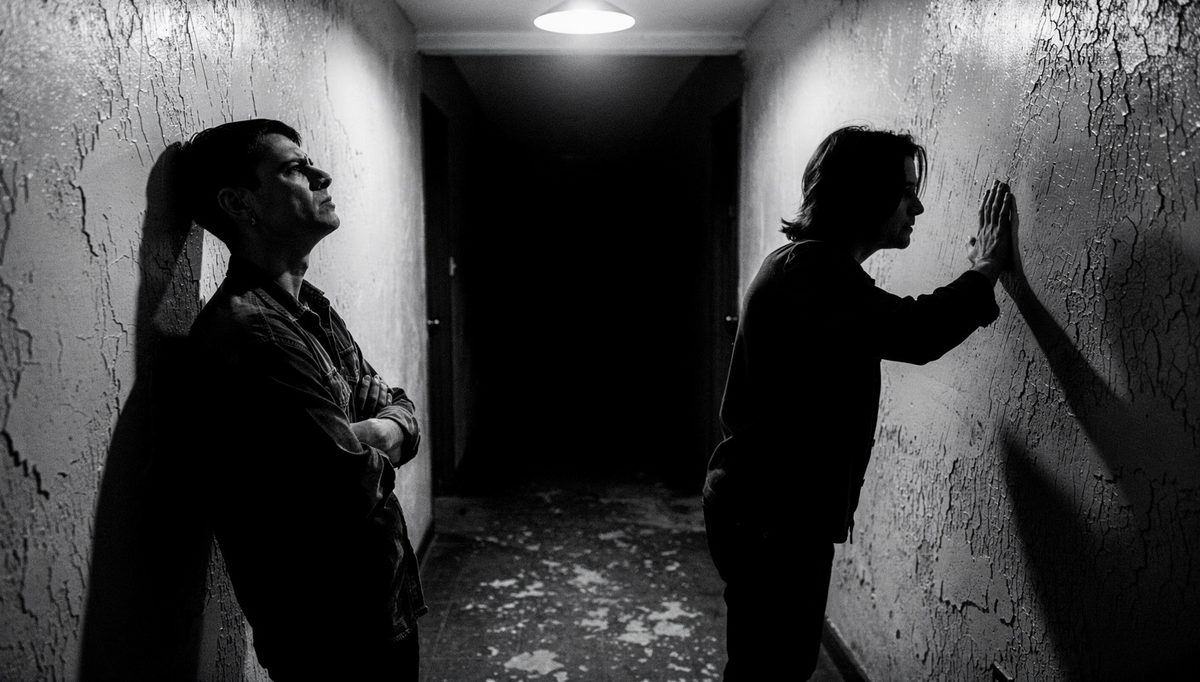
Body language shifts dramatically during conflict, and those shifts usually make things worse without anyone intending them to. Your posture, gaze, and gestures are broadcasting signals that either invite calm or invite retaliation.
- Conflict triggers automatic physical changes you must learn to recognise in yourself and others.
- Your body can de-escalate a tense moment before a single word is spoken.
- This process gives you a practical, repeatable method to use in real time.
Body language conflict refers to the involuntary and deliberate physical signals exchanged between people during disagreement or tension. These signals, including posture, eye contact, gestures, and facial expression, communicate threat or safety, and directly shape whether a conflict escalates or resolves.
I watched a good manager lose the respect of his entire team in under four minutes. Not because of what he said. Because of how he stood. His chin lifted, his chest squared up, and his eyes went hard the moment someone challenged his decision in a team meeting. The words that came out of his mouth were reasonable. His body was screaming something else entirely. The room felt it. The conversation collapsed. He had no idea why.
Body language conflict is not about dramatic gestures or obvious aggression. It is about the subtle, fast, largely automatic physical shifts that happen the moment tension enters a room. These shifts communicate danger before anyone has said a word, and they trigger responses in others that make resolution much harder. Learning to read those signals, and to consciously change your own, is one of the most practical skills you will ever build.
What Your Body Does the Moment Conflict Arrives
The nervous system does not wait for your permission. The moment you sense confrontation, it begins preparing you to fight or flee. That preparation is visible, and it rarely serves you well in a workplace conversation.
Posture closes. Shoulders rise and pull inward. Arms cross. The jaw tightens. Breathing moves up into the chest, becoming shallower and faster. Eye contact either intensifies into a hard stare or drops into avoidance. These are not personality traits or character flaws; they are threat responses the body has carried for thousands of years.
The problem is that these signals are contagious. When you read about the amygdala hijack and how it escalates workplace tension, you start to understand exactly why. One person's defensive posture triggers the other person's threat response, and within seconds you have two bodies broadcasting danger at each other while the rational parts of both brains go offline.
"The Conversation You're Avoiding Is the One You Need to Have."
"The Conversation You're Avoiding
Is the One You Need to Have."
Stop rehearsing conversations you'll never have. Say It Right Every Time gives you 115 word-for-word scripts and 16 proven frameworks to speak with confidence in every conversation that matters.
Why Controlling Your Physical Signals Is So Hard in the Moment
Here is the truth of it: you cannot talk yourself out of a threat response while you are inside one. Most people try. They tell themselves to calm down while their hands are shaking and their chest is tight. It rarely works.
The difficulty is timing. The physical response happens first. The conscious mind catches up seconds later, by which point the posture is already closed, the gaze is already hard, and the other person has already read the signal and responded to it. You are always slightly behind your own body during a conflict.
The second difficulty is self-awareness. Very few people have an accurate picture of what they look like in a tense moment. The manager I mentioned above was convinced he was being open and professional. He had practised the words. He had not practised the body.
This is why nonverbal communication in tense situations demands specific preparation, not just general intention. Wanting to stay calm is not the same as having a method for it.
Before You Can De-escalate Anyone Else, Check These Two Things
There are two conditions that must be in place before any step-by-step process works.
First, you need a baseline awareness of your own default conflict signals. Do your hands clench? Does your voice flatten? Does your gaze go hard or does it flee? You cannot regulate what you have never observed. Spend one week noticing your body during minor friction. A slightly difficult phone call, a small disagreement, a moment of impatience. That data is your preparation.
Second, you need to accept that de-escalating with body language means you will change your physical signals before the other person changes theirs. This feels unfair to many people. It feels like backing down. It is not. It is the move that makes resolution possible. The person who takes the body lead in a conflict holds the real power in that room.
The Step-by-Step Process for De-escalating Through Body Language
This process works in real time. Each step takes seconds. Together, they shift the physical atmosphere of a tense conversation.
Ground your feet before anything else. When tension rises, the body wants to either advance or retreat. Both are legible and both escalate. Plant both feet flat on the floor, hip-width apart. This is not about looking calm; it is about creating physical stability that your nervous system can actually use. You cannot regulate your breathing or your posture while you are unconsciously shifting your weight.
Slow your breathing from the belly, not the chest. This is the single most powerful physical intervention available to you. Chest breathing feeds the threat response. Diaphragmatic breathing signals safety to the nervous system. Breathe in for four counts, hold for two, out for four. Do this twice. It is invisible to the other person, and it will measurably change the quality of your next sentence. The 3-second pause that stops tension escalation works for exactly this reason.
Drop your shoulders and open your hands. Raised shoulders signal threat. Clenched hands signal aggression. Neither is useful. Consciously roll your shoulders down and back, and rest your hands open on your thighs or on a table. Open palms are one of the oldest safety signals in human body language. You do not need to make a performance of it. Just unclench.
Reduce your physical height relative to the other person. Standing over a seated person, or pulling yourself to full height while someone is distressed, reads as dominance. If you are standing, sit. If you are seated, avoid leaning forward with your chest up. This is particularly important for people in senior roles. The physical signal of reducing height says: I am not here to overpower you.
Soften your eye contact without withdrawing it. Hard, unblinking eye contact during conflict is a dominance display. Looking away entirely reads as dismissal or guilt. The middle ground is a soft, steady gaze with occasional natural breaks, roughly every five to eight seconds. Look at the person's whole face rather than locking onto their eyes. This feels more connected and considerably less combative.
Use a single, slow, deliberate gesture to signal openness. When you are ready to speak, use one open-handed gesture: a palm turned upward, a gentle outward movement of the wrist. This is not theatre. It is a physical cue that you are offering something rather than defending or attacking. Keep it small. One gesture, once, at the beginning of your response.
Mirror the other person's pace, then slow it down. If someone is talking fast and moving sharply, resist the instinct to match their energy. Instead, mirror them slightly, then gradually reduce your own pace. This is a technique rooted in how nervous systems co-regulate. When you slow down deliberately, you create a physical invitation for the other person to follow. It does not always work immediately. But it works far more often than matching their escalation does.
Adjusting the Process for Video Calls
Remote conflict deserves its own consideration, because the physical signals that carry weight on screen are different from those in the room.
On a video call, the camera frame cuts most of your body out of the picture. Your feet, your posture below the waist, your full gestural range: all invisible. What remains is your face, your upper shoulders, and whatever your hands do in frame. This concentrates the other person's attention entirely on your facial expression and your eye contact.
A blank face during a tense video call reads as contempt. A jaw held tight reads as barely controlled anger. Looking at your own image in the corner reads as avoidance. When you are de-escalating on screen, do the breathing and the shoulder work off-camera first, then turn your attention entirely to your expression. A slightly softened brow, a relaxed jaw, and genuine eye contact into the camera lens (not at the person's face on your screen) are the three tools available to you. Use them deliberately. For more on how to de-escalate arguments during meetings, including remote ones, the same physical principles translate once you understand what the frame shows.
What People Get Wrong When They Try to Use Body Language to De-escalate
After decades of coaching this in live situations, I have seen the same errors appear again and again. Each one comes from a reasonable instinct that backfires.
The mistake: Performing calmness rather than creating it.
Why it happens: People learn that relaxed body language de-escalates, so they consciously pose: forced smile, arms spread wide, voice artificially warm.
What to do instead: Start with the breathing. Genuine physiological change produces genuine body language. Performed calm is transparent and often reads as condescension.
The mistake: Making prolonged eye contact to show you are listening.
Why it happens: We are taught that eye contact signals engagement and respect.
What to do instead: During conflict, prolonged unbroken eye contact is a staring contest, not a connection. Use the soft gaze approach from Step 5. Regular, natural breaks read as thoughtfulness, not weakness.
The mistake: Touching the other person to calm them.
Why it happens: Touch can be deeply reassuring in the right context.
What to do instead: During active conflict, unsolicited touch almost always escalates. It crosses a boundary the other person has not offered. Keep your hands to yourself until the tension has genuinely broken.
The mistake: Nodding repeatedly to show agreement.
Why it happens: Nodding feels warm and receptive.
What to do instead: Fast, repetitive nodding during conflict reads as impatience, not agreement. A single slow nod, held for a beat, signals that you have genuinely received what was said. The C.O.R.E. framework for staying grounded in tense conversations addresses this kind of physical discipline in detail.
Your Body Language De-escalation Checklist
Keep this somewhere you can reach it before a conversation you know will be difficult. Run through it in the two minutes before the meeting, not inside it.
Before the conversation:
- I know my default conflict signals and I have named them.
- I have done two rounds of slow belly breathing in the last five minutes.
- My feet will be flat on the floor from the first moment.
- I am prepared to adjust my physical signals before the other person adjusts theirs.
During the conversation:
- Shoulders down, hands open or relaxed.
- Soft, steady eye contact with natural breaks.
- Sitting or standing at the same level as the other person where possible.
- One open-handed gesture when I begin to respond.
- I am pacing myself slower than the tension in the room.
If I feel the escalation pulling me back:
- I return to the breath first. Everything else follows from there.
For situations where the conflict involves two colleagues who are not directly addressing you, the D.E.A.L. method for defusing tension between colleagues gives you a third-party framework that applies these same physical principles from a facilitation position.
When the Damage Has Already Been Done
Sometimes you read this article after the conversation has already gone wrong. The body language signals fired without your awareness, the other person responded in kind, and now the relationship is strained.
De-escalation in that moment looks different. It is slower work. The signals you send in the days after a difficult encounter matter as much as the ones you sent during it. Open posture in a corridor. A steady, unhurried greeting. The absence of avoidance. These are not small things. They are the physical rebuilding of trust. For serious breakdowns, the B.R.I.D.G.E. method for rebuilding working relationships gives you a structured path back.
Body language conflict does not resolve itself. But with the right process, your body can lead the repair just as surely as it led the rupture. That is worth learning to trust.
Frequently Asked Questions (FAQ)
How does body language change during conflict?
During conflict, body language shifts into defensive or aggressive patterns. Posture closes off, arms cross, jaw tightens, and eye contact becomes either piercing or avoidant. These are involuntary threat responses driven by the nervous system, not conscious choices, which is why they escalate tension so quickly.
Can body language de-escalate a conflict?
Yes. Deliberate changes to your physical signals can genuinely reduce tension. Slowing your breathing, opening your posture, and reducing your physical height all send safety signals to the other person's nervous system. The body often leads the mind, so calming your posture can calm your thinking too.
What body language signals escalate conflict?
Pointing fingers, squaring your shoulders directly toward someone, maintaining a hard unblinking stare, clenching your jaw, and leaning forward aggressively all escalate conflict. These signals trigger the other person's fight-or-flight response, making rational conversation nearly impossible until the physical tension is reduced.
How do I control my own body language during an argument?
Start with your breath. Slow, diaphragmatic breathing interrupts the fight-or-flight cycle and visibly calms your physical signals. Then consciously drop your shoulders, unclench your hands, and soften your eye contact. These small adjustments take practice, but they become reliable once you have drilled them in lower-stakes situations.
Does body language in conflict look different on video calls?
Yes. On screen, the signals that matter most are facial expression, eye contact, and upper body posture. Leaning toward the camera reads as aggression. A blank or frozen expression reads as contempt. Crossed arms remain visible and feel cold. The same principles apply, but you must work with what the camera frame shows.
How long does it take to learn to de-escalate with body language?
You can apply the basics immediately after reading the steps in this article. Real fluency, where you read other people's signals accurately and adjust your own without thinking, takes weeks of deliberate practice across real conversations. Start in low-stakes situations and build from there.