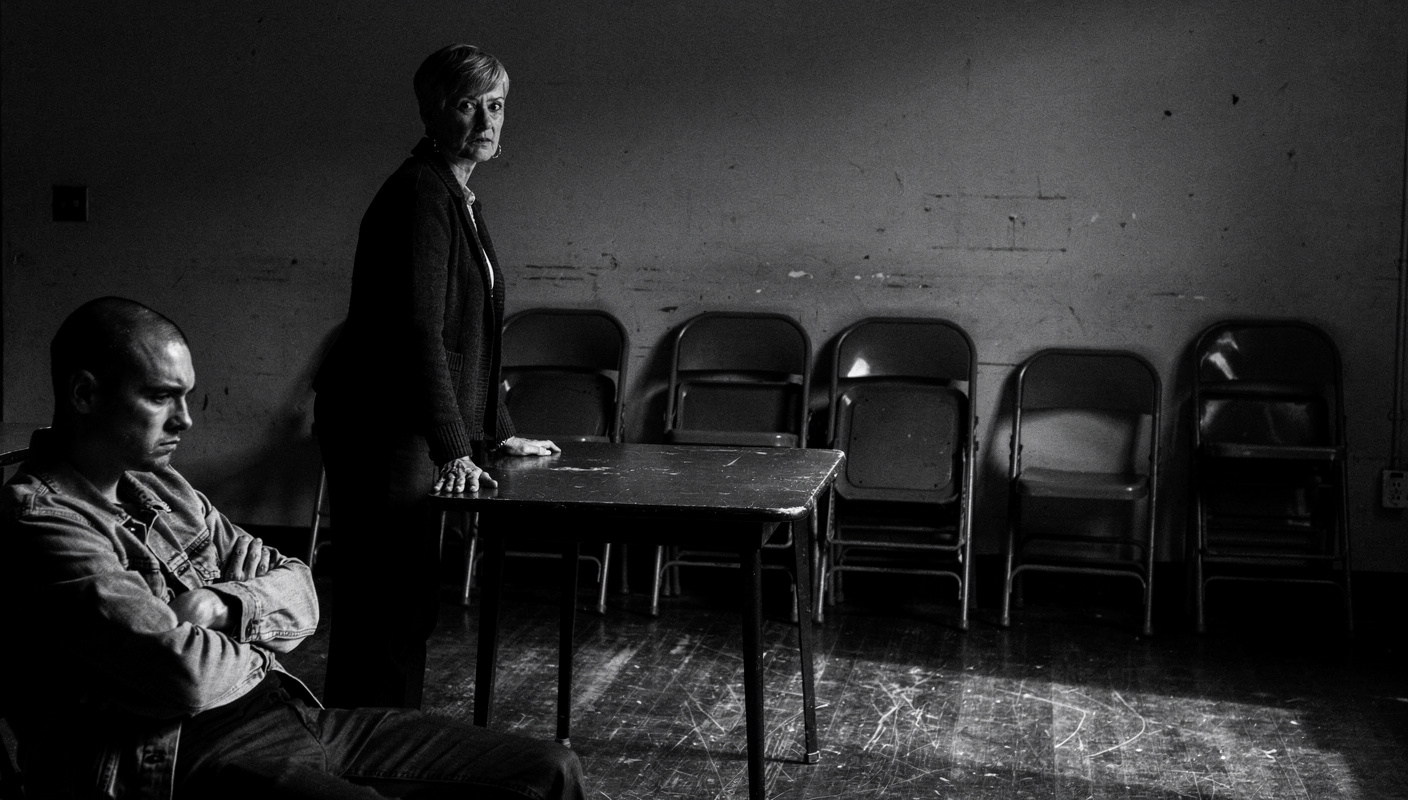

In Short
Body language principles are not a human invention. Animal trainers and pet owners have applied them for generations, because animals leave no room for pretending. What your body says either matches your intent or it does not.
- Posture, stillness, and proximity are the primary signals in any interaction without words.
- Animals reveal when body language is incongruent long before humans notice it.
- The principles that build trust with a nervous dog work just as directly with a defensive colleague.
Body language principles are the observable physical signals, including posture, eye contact, proximity, movement, and stillness, that communicate intent, emotion, and status without speech. They operate below conscious awareness and are processed by others before any words are heard or understood.
I watched a horse trainer settle a panicked animal once. She did not speak. She did not reach out. She simply turned slightly sideways, dropped her shoulders, and waited. Within two minutes, the horse walked toward her. No command. No reward. Just body language, read and answered precisely. That moment taught me more about body language principles than any book I had encountered. Animals cannot be talked into trust. They watch what your body does, and they decide.
That is why this world of pet owners and animal trainers is such a clear lens. The feedback is instant and honest. There is no polite pretending, no deferred reaction. Either your physical signals communicate what you intend, or they do not. These five scenarios will show you what that looks like in practice.
What to Watch For Before the Examples Begin
Most people think about body language after something goes wrong. A conversation turned cold. A room shifted. Someone pulled back. By then, the signal has already landed.
Animal trainers do not have that luxury. They learn to read posture, proximity, movement speed, and stillness in real time, because the animal is already responding. Before you read these examples, carry two questions with you: What is the body communicating before any words are spoken? And does it match the intent behind those words?
Those two questions will make these examples land differently.
"The Conversation You're Avoiding Is the One You Need to Have."
"The Conversation You're Avoiding
Is the One You Need to Have."
Stop rehearsing conversations you'll never have. Say It Right Every Time gives you 115 word-for-word scripts and 16 proven frameworks to speak with confidence in every conversation that matters.
Five Scenarios Where Body Language Told the Whole Story
1. The Dog That Would Not Come Forward
A new rescue dog had been in a foster home for three weeks. It would eat, sleep, and move around the house, but it would not approach anyone willingly. The foster owner, a kind person in their late forties, kept trying to coax it closer. They crouched down, held out their hand, and called softly. The dog stayed at the far edge of the room.
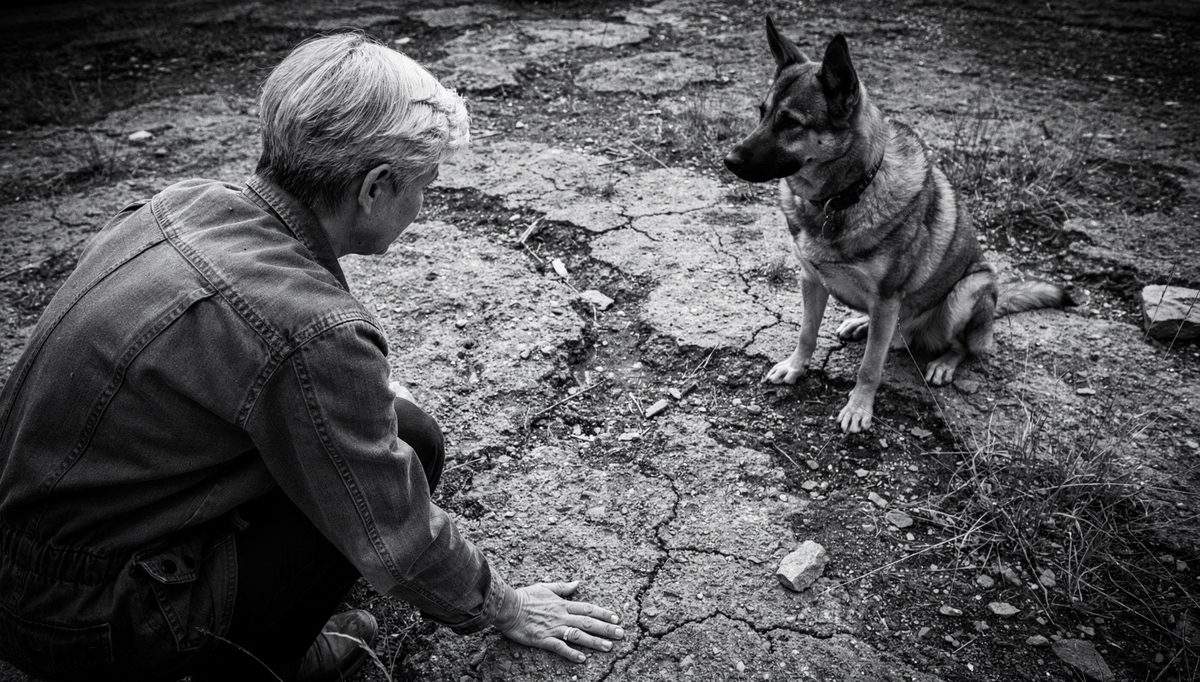
A trainer came in and watched for ten minutes without touching the dog. Then she sat down on the floor, turned her body at a forty-five-degree angle so she was not facing the dog directly, and looked at the floor between them. She did not call the dog. She did not reach out. She simply waited, open and still.
The dog crossed the room in four minutes.
What that reveals: direct frontal posture, even paired with a gentle voice, reads as a challenge or pressure to an anxious animal. The trainer's angled body and averted gaze removed the threat signal entirely. The body language principles she applied were not complicated. She simply made herself non-confrontational, and the dog responded to the physical truth of that. This is worth noting before your next tense or high-stakes conversation: facing someone squarely when they feel cornered rarely opens them up.
2. The Trainer Whose Energy Did Not Match Her Instruction
This is the failure example, and it is the most instructive one I will give you.
A dog trainer with solid technical knowledge was working with a reactive terrier. The dog had lunged at other dogs twice that session. The trainer told the owner, calmly and clearly, that the key was to "stay relaxed and confident on the lead." Good advice.
The problem was that the trainer herself had tensed her shoulders, shortened her breath, and was gripping her clipboard tightly every time another dog came within thirty metres. The owner watched her, not just listened to her. And the owner's body tightened in exactly the same way, which ran straight down the lead to the dog, which reacted again.
The instruction was correct. The body said something entirely different.
What that reveals: people, like animals, calibrate their response to what they observe physically, not to what they are told. When a leader says "there is nothing to worry about" while their jaw is tight and their eyes are scanning the room, the room does not believe them. Body language principles matter most when the stakes are high, precisely because that is when incongruence is most visible. You cannot coach stillness while radiating tension.
3. A Cat That Taught a Veterinarian to Slow Down
A veterinary practice had one cat that required two people to hold it for basic examinations. It had bitten through gloves. The staff dreaded its appointments.
A newly qualified vet decided to try something different. She sat beside the examination table for three minutes before touching the cat at all. She moved at half her normal speed. She avoided eye contact. When she did reach toward the cat, she let it sniff her hand with her fingers curled loosely, not extended and open, which would have read as a reaching gesture.
The cat allowed a full examination without restraint.
What that reveals: speed is a body language signal. Rapid movement toward a nervous animal, or a nervous person, communicates urgency or aggression, regardless of your intention. The vet's deliberate slowing of her own movement gave the cat time to read her as non-threatening. Her curled fingers rather than an outstretched hand removed the reaching signal entirely. How you manage your physical presence in a room is a form of communication before you have said a single word.
4. The Yard Where the Horses Chose Who to Follow
A riding instructor ran a small yard with six horses kept in a shared field. New helpers came through regularly. Without fail, the horses sorted out within a day or two which helpers they would approach and which they would ignore or drift away from.
The helpers the horses consistently approached shared something specific: they moved slowly and with purpose, they did not walk directly at the horses' heads, and when a horse looked at them, they did not stare back or immediately move closer. They waited. They let the horse come.
The helpers the horses consistently avoided made fast, unpredictable movements, walked head-on toward the horses, and interpreted the horses looking away as disinterest rather than as a request for space.
What that reveals: consistency in body language builds trust over time. The trusted helpers were not more experienced; some were beginners. What they had was physical self-awareness. They read the horses' signals and adjusted. The avoided helpers imposed their own energy on the space without listening to what they were receiving back. Dominant voices in a group often make the same error: they broadcast without receiving, and the room slowly stops responding.
5. The Pet Owner Who Learned to Stand Still in a Storm
A woman had a dog that became panicked during thunderstorms. Every previous storm, she had done what felt natural: she went to the dog, stroked it, talked to it, picked it up. The dog's anxiety worsened each time.
A trainer suggested she try something that felt counterintuitive. During the next storm, she sat on the floor near the dog but did not reach for it. She kept her own breathing slow and visible. She let her hands rest open and still on her knees. She did not talk.
The dog was still anxious. But it stopped pacing and came to lie beside her after about ten minutes. By the third storm treated this way, the dog's reaction had reduced significantly.
What that reveals: reassurance that involves high-energy physical contact can confirm to an animal that there is something to be afraid of. The woman's previous approach, well-intentioned as it was, was communicating her own anxiety through her body. Her stillness, by contrast, modelled calm. This is directly applicable to managing conflict during meetings: when a room is agitated, the person who stays physically settled, open posture, slow movement, measured breath, pulls the energy of the room toward something more workable.
The Patterns That Run Through All Five
Step back from the individual stories, and three things recur.
First, the body speaks before the words do. In every scenario, the physical signal landed before any instruction was given or any words were spoken. The dog read the trainer's angle. The cat read the vet's speed. The horses read the helpers' approach. This is not a metaphor. It is how nervous systems work, human and animal alike.
Second, incongruence is always noticed. The trainer who taught relaxation while gripping her clipboard is the clearest example, but every scenario contains a version of this. When the body contradicts the intention, the contradiction is what gets believed. Building trust through honest physical signals matters before the conversation begins.
Third, stillness is a form of strength. Every effective interaction in these examples involved a moment of deliberate restraint: not reaching, not closing distance, not filling the silence with movement. That stillness was not passive. It was a confident physical statement: I am not a threat, and I am not in a hurry.
What You Can Take Into Your Next Interaction
You do not work with horses. You may not own a dog. But you walk into rooms, you sit across from people, and you lead conversations where the physical signals you send either open the other person up or close them down.
Here is where to start. Before your next difficult conversation, consider three things: how you will enter the space, where you will place yourself relative to the other person, and what your hands and shoulders will be doing when you begin. These are the signals the other person will read before you speak. Giving corrective feedback is far more likely to land well when your body signals openness rather than judgment from the first moment.
If you want to go further, pay attention to what you receive, not just what you send. Watch for the equivalent of the horse drifting away: the person who leans back slightly, who crosses their arms, whose eye contact becomes indirect. These are requests for space. The instinct is to close the gap; the skilled response is often to pause and let them come forward.
Addressing tension-causing behaviour is never just about the words you choose. It is about whether your body is making it safe to hear those words at all.
Frequently Asked Questions (FAQ)
What are body language principles in animal training?
Body language principles in animal training are the physical signals, postures, and movements that communicate intent without words. Trainers use stillness, eye contact, posture, and proximity to build trust or establish boundaries. Animals respond to these cues before any verbal command is given.
How do body language principles apply to human communication?
The same body language principles that govern animal-human interaction apply between people. Posture signals confidence or submission, eye contact builds or breaks trust, and physical proximity communicates safety or threat. Humans read these signals before they process any spoken words.
Why do animals respond to body language more than voice?
Animals lack the verbal processing humans use to filter tone and meaning, so they respond directly to physical signals. Posture, movement speed, eye contact, and proximity are their primary language. A calm, open posture communicates safety; a rigid or looming stance communicates threat, regardless of the words used.
What body language mistakes do pet owners most commonly make?
The most common mistake is using physical intensity to communicate urgency, which animals read as aggression or panic. Leaning over a nervous animal, staring directly, and moving quickly all trigger defensive responses. Crouching, looking sideways, and slowing movement down are far more effective approaches.
Can body language principles improve workplace communication?
Yes. The same body language principles trainers use with animals, stillness, open posture, controlled proximity, and congruent signals, apply directly in workplaces. People read physical cues before they weigh words, especially in tense or high-stakes conversations. Aligning your body with your message builds trust and reduces defensiveness.
How does stillness function as a body language signal?
Stillness communicates calm authority and confidence. In animal training, a trainer who stops moving signals that there is no threat and no demand. In human interaction, a person who holds still under pressure projects strength rather than anxiety. Stillness is one of the most underused body language principles available.