
In Short
Power poses are not a performance trick. They are a two-way communication channel between your body and your nervous system. The position you hold before and during a high-stakes conversation shapes your emotional readiness just as surely as it shapes how others read you.
- Open, expansive postures reduce the physical symptoms of anxiety and prime you for confident engagement.
- Closed, contracted postures reinforce stress signals, making it harder to think clearly and speak with strength.
- You can use this deliberately, as a tool, before and during the moments that matter most.
Power poses emotional states describes the two-way relationship between expansive or constricted body positions and a person's internal physiological and psychological condition. When you hold an open, grounded posture, your nervous system registers a signal of readiness and calm, shifting how you feel before you speak a word.
Why Most People Think Posture Is Only About Impression
Ask most people what body language does, and they will tell you it is about what others see. Stand tall, they will say, and people will respect you. Slouch, and they will question your confidence. That is true, as far as it goes. But it is only half the picture, and the less interesting half at that.
The part that most people miss is this: your posture is not just a message you send outward to the room. It is a message you send inward to your own nervous system. The way you hold your body changes your physiological state in real time, before a single word leaves your mouth.
I have seen this play out hundreds of times over sixty years of watching people prepare for hard conversations. The person who sits hunched in the hallway before a performance review walks into that room already defeated. Their body has been telling them, for the last ten minutes, that they are under threat. By the time they sit down, their stress response is already running.
The person who stands upright, feet planted, shoulders open, breathing slowly, walks in with a different internal landscape. Same room. Same stakes. Completely different starting point.
"The Conversation You're Avoiding Is the One You Need to Have."
"The Conversation You're Avoiding
Is the One You Need to Have."
Stop rehearsing conversations you'll never have. Say It Right Every Time gives you 115 word-for-word scripts and 16 proven frameworks to speak with confidence in every conversation that matters.
The Mechanism Behind Power Poses and Emotional States
Here is where it gets genuinely interesting. Your body and your emotional state are not separate systems that occasionally influence each other. They are in constant, real-time conversation.
When you adopt an open, expansive posture, your body sends a signal to your nervous system that you are in a position of safety and readiness. Your breathing naturally deepens. Muscular tension in your shoulders, jaw, and chest begins to ease. Your cortisol response, the stress hormone that contracts your thinking and narrows your attention, starts to settle.
None of that happens because you decided to feel confident. It happens because the physical position itself triggered the physiological shift. This is the core of embodied cognition: your body is not just expressing your emotional state, it is partly creating it.
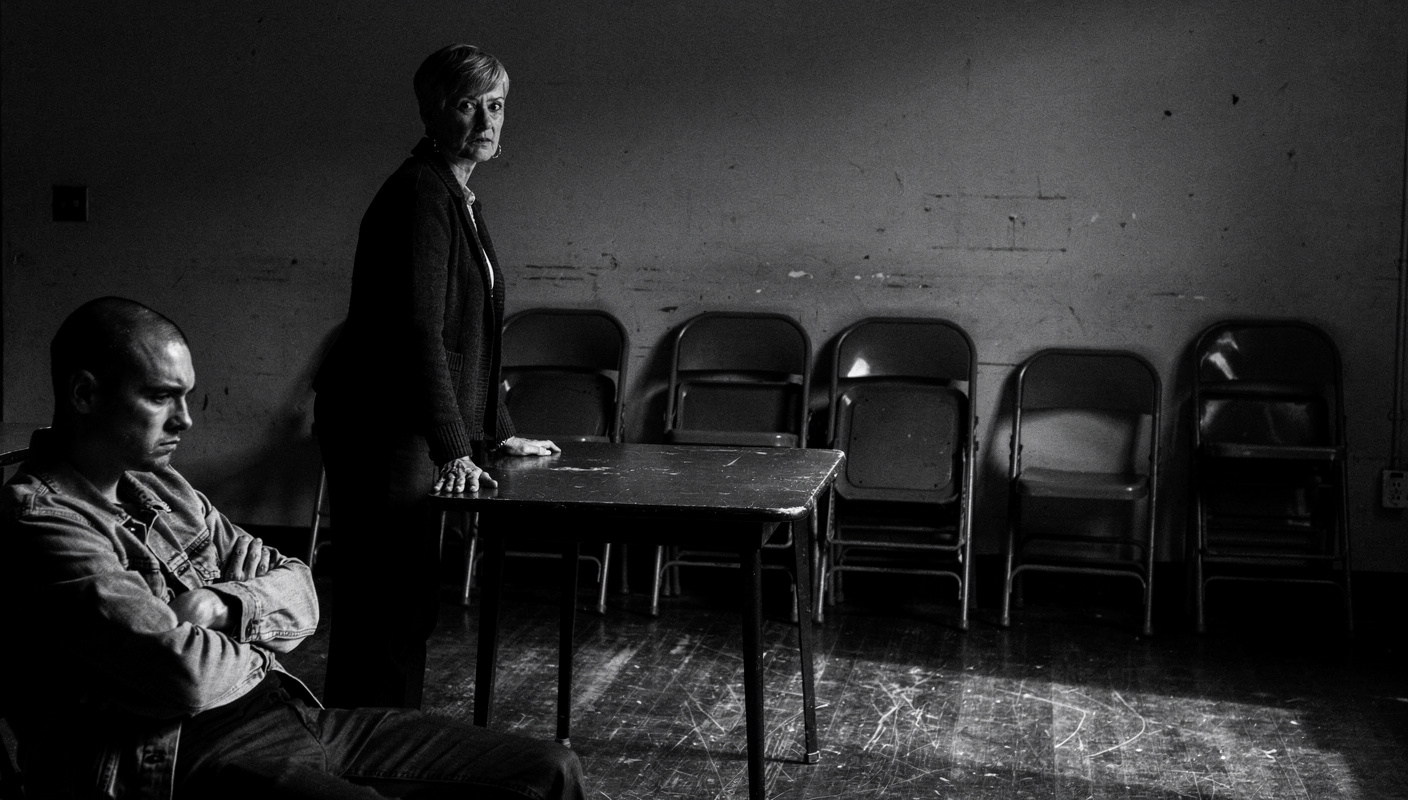
The reverse is equally true, and equally powerful. Hold a contracted, closed posture, arms crossed, shoulders forward, chest caved inward, and your nervous system reads that as a threat signal. It responds accordingly. Your breathing shortens. Your stress response activates. You become more reactive and less clear-headed, all before anyone has said a difficult word to you.
This is why the relationship between power poses and emotional states matters so much in high-pressure communication. If you walk into a difficult conversation already in a contracted physical state, you are fighting your own biology. You are trying to think clearly while your body is convinced something is wrong.
The good news is that you can intervene in this cycle deliberately. You do not have to wait for your emotions to calm down before your body relaxes. You can work in the other direction: relax the body first, and let the emotions follow.
This connects directly to what happens during an amygdala hijack, where the emotional brain floods the thinking brain with stress signals. A contracted body posture accelerates that process. An open posture gives the thinking brain room to stay engaged.
What This Looks Like in Real Situations
Let me give you a few concrete pictures of this mechanism in action.
You are about to deliver corrective feedback to a team member. You have been dreading it. As you wait to start the conversation, you are sitting at your desk hunched over your notes, replaying every way it could go wrong. By the time they walk in, your shoulders are up around your ears, your breathing is shallow, and your voice comes out slightly tight. The conversation starts on the back foot before it has begun. Knowing how to use the S.B.I. Method to address tension-causing behaviour only helps you if you can actually access your clearest thinking in the moment.
Now consider the alternative. You take two minutes before they arrive. You stand up. You plant your feet at shoulder width. You roll your shoulders back and down. You breathe slowly, in through the nose, out through the mouth. You are not performing confidence for anyone. You are priming your own nervous system for a clear, direct conversation.
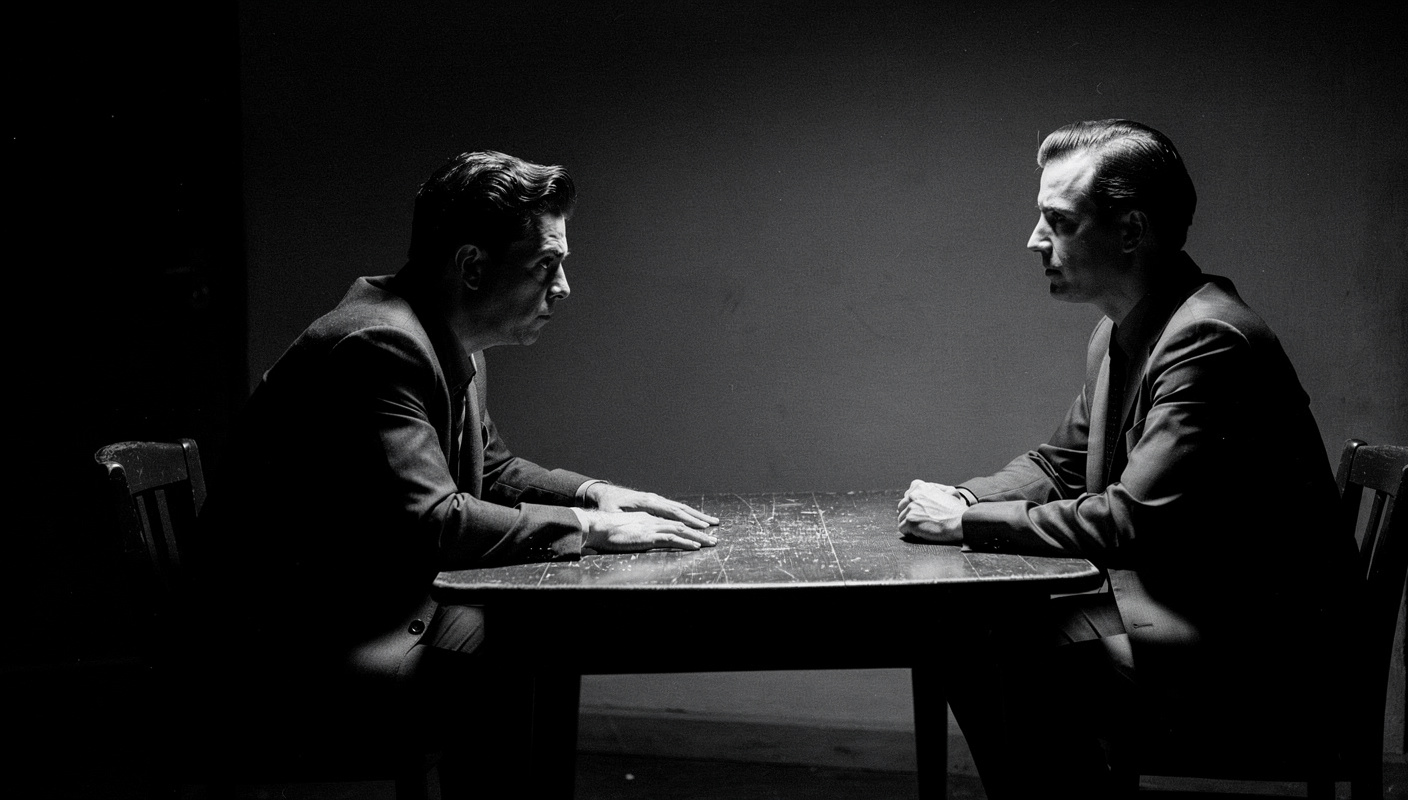
A second scenario: you are sitting in a meeting that is turning tense. The person across from you is becoming defensive. You notice your own arms have crossed and your jaw has tightened. That physical contraction is already narrowing your thinking. Simply uncrossing your arms, placing your hands open on the table, and resettling your spine is not a passive act. It is a direct intervention in your physiological state. Paired with a 3-second pause, that small physical shift can change the entire trajectory of the exchange.
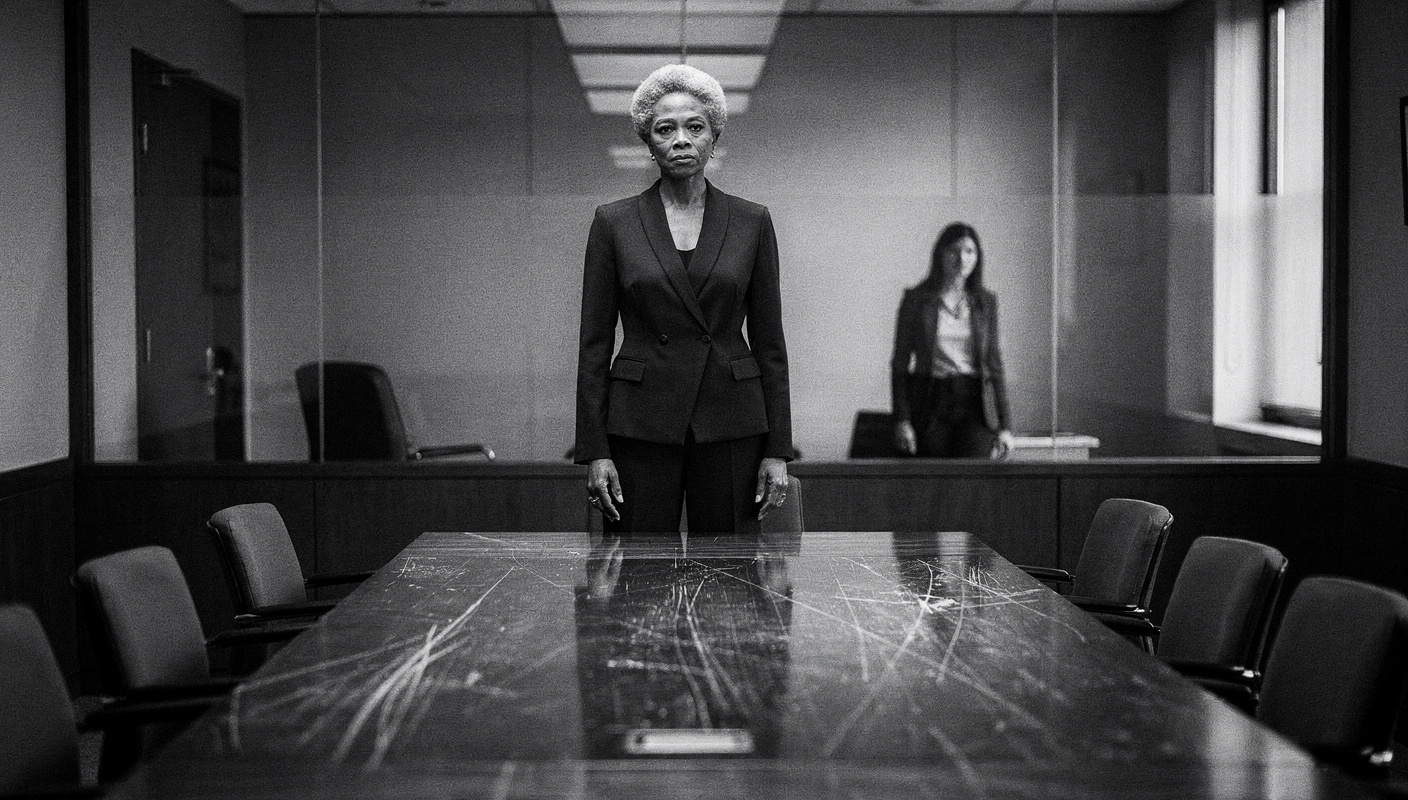
A third: you are leading a high-stakes team discussion where the atmosphere is already loaded. Before the room fills, you stand at the head of the table. Upright. Grounded. Breathing steadily. You are not posturing for effect. You are settling your own nervous system so that when the tension arrives, you can stay present with it rather than react to it. For moments like this, preparing through a conversation pre-mortem gives you the mental framework, while an open, grounded posture gives your body the physical foundation.
Why the Body-Mind Signal Goes Unnoticed
Most people do not pay attention to their own posture because they are busy paying attention to everything else. The agenda. The other person's reaction. Their own arguments. The posture just does what it does, underneath all of that, running its feedback loop quietly and consistently.
There is also a cultural habit of treating the body as secondary to the mind in professional settings. We prepare our arguments. We prepare our words. We prepare our data. We rarely prepare our physical state. The body is treated as a vehicle that carries the brain into the room, not as an active participant in how well that brain performs.
This is compounded by the fact that contracted posture feels normal under stress. When you are anxious, it feels natural to hunch, to make yourself smaller, to fold inward. It does not feel like a problem. It feels like a physical expression of how you already feel. What most people do not realise is that it is also a cause, not just an effect.
Nonverbal communication in tense situations is often discussed in terms of what signals you are sending to others. Far less attention is paid to the signals your posture is sending to yourself.
Turning This Understanding Into Practice
The practical implications of this run in two directions: preparation and in-the-moment intervention.
For preparation, the method is straightforward. Before any high-stakes conversation, take two minutes alone. Stand. Plant your feet. Open your chest. Breathe slowly and deliberately. You are not performing. You are calibrating your physiological state before the difficulty arrives. Think of it as warming up your nervous system the way an athlete warms up their muscles. The body needs to be told it is ready.
For in-the-moment intervention, the adjustments need to be subtle. You cannot strike a dramatic open posture in the middle of a heated exchange without creating a different kind of problem. What you can do is notice when you have contracted, uncross your arms, plant your feet flat on the floor, relax your jaw, and breathe one deliberate breath. Each of those micro-adjustments sends a small reset signal to your nervous system. They accumulate.
- Notice the contraction first. You cannot intervene in a postural habit you have not noticed. Build the practice of scanning your own body during tense moments: jaw, shoulders, arms, chest, feet.
- Work from the ground up. Plant your feet flat. That single adjustment, feet grounded and stable, begins the chain of physical settling that moves upward through the body.
- Use your breath as the bridge. A slow exhale is the fastest way to signal your nervous system that you are not under threat. Pair it with a deliberate postural shift and the effect compounds.
This kind of preparation is especially valuable when a relationship has broken down and needs rebuilding. The B.R.I.D.G.E. Method for repairing working relationships gives you a structure for those conversations. But that structure only works if you can stay regulated enough to follow it. Posture is part of how you stay regulated.
Your posture also affects the other person in the room. People mirror physical states, often without knowing they are doing it. When you hold a calm, open, grounded position during a tense conversation, you make it physiologically easier for the other person to regulate their own state. You are not just managing yourself. You are shaping the emotional conditions of the whole exchange. This is especially true when giving corrective feedback using the S.B.I. method, where the emotional tone you carry into the room often determines whether the other person can actually hear what you are saying.
What Sixty Years of Watching People Taught Me
I have spent most of my life in rooms where things were difficult. Negotiations that had gone cold. Teams that had stopped trusting each other. Conversations where someone needed to hear something they did not want to hear. And in all of that time, one of the most consistent patterns I have noticed is this: the people who handle those moments best are almost always the people who have a physical presence that is settled.
Not rigid. Not puffed up. Settled. Grounded. Open. Their bodies are not braced for impact; they are simply present.
That kind of physical presence does not come from acting confident when you are not. It comes from understanding that the body and the emotional state are in constant dialogue, and choosing to use that dialogue intentionally. You plant your feet. You open your chest. You breathe slowly. And the nervous system, following its own logic, starts to believe you are ready.
This much I know for certain: the position you take before a hard conversation is not a trivial thing. It is not vanity. It is not performance. The relationship between power poses and emotional states is real, practical, and entirely within your control. Use it.
Frequently Asked Questions (FAQ)
What are power poses and how do they affect emotional states?
Power poses are expansive, open body positions that occupy space and project confidence. They affect emotional states by sending physical signals to your nervous system, shifting your physiological readiness before a high-stakes moment. The change is subtle but measurable in how you carry yourself.
How long should you hold a power pose before it changes how you feel?
Most people notice a shift in their sense of composure after holding an open, expansive posture for around two minutes. The key is stillness and full commitment to the position. Partial poses, where the body is half-open and half-contracted, produce little to no effect.
Can power poses help with anxiety before a difficult conversation?
Yes, and this is where they are most practically useful. Holding an open, grounded body position before a tense meeting or difficult conversation reduces the physical symptoms of anxiety, including shallow breathing and muscular tension, which in turn steadies your emotional state.
Do power poses work in the moment or only as preparation?
They work best as preparation, before the conversation begins. In the middle of a heated exchange, deliberately shifting your posture is still useful, but subtler adjustments, such as uncrossing your arms or planting your feet, are more practical and less likely to distract you from the exchange.
What is the difference between open and closed body language in high-pressure situations?
Open body language, with an upright spine, relaxed shoulders, and uncrossed limbs, signals psychological safety to yourself and others. Closed body language contracts the body inward, which elevates stress signals internally and communicates defensiveness to the room. The difference shapes both the speaker and the listener.
Does your posture during a conversation affect the other person as well?
It does, significantly. People mirror the physical states of those they are talking with. When you hold an open, calm, grounded posture, you make it easier for the other person to regulate their own tension. Your body language becomes a tool for shaping the emotional tone of the whole exchange.