
In Short
You cannot detect emotional change without first knowing what calm looks like for each specific person. Baseline observation gives you that reference point.
- Watch each person during relaxed, low-stakes moments to establish their natural body language patterns.
- Deviations from that personal baseline, not general rules about body language, are what signal genuine emotional shifts.
- Two or more simultaneous signals matter far more than any single gesture in isolation.
Observe baseline behavior refers to the practice of recording how a specific person naturally holds themselves, moves, gestures, and speaks when they are calm and unstressed, so that any meaningful deviation from those patterns can be recognised as a potential signal of emotional change.
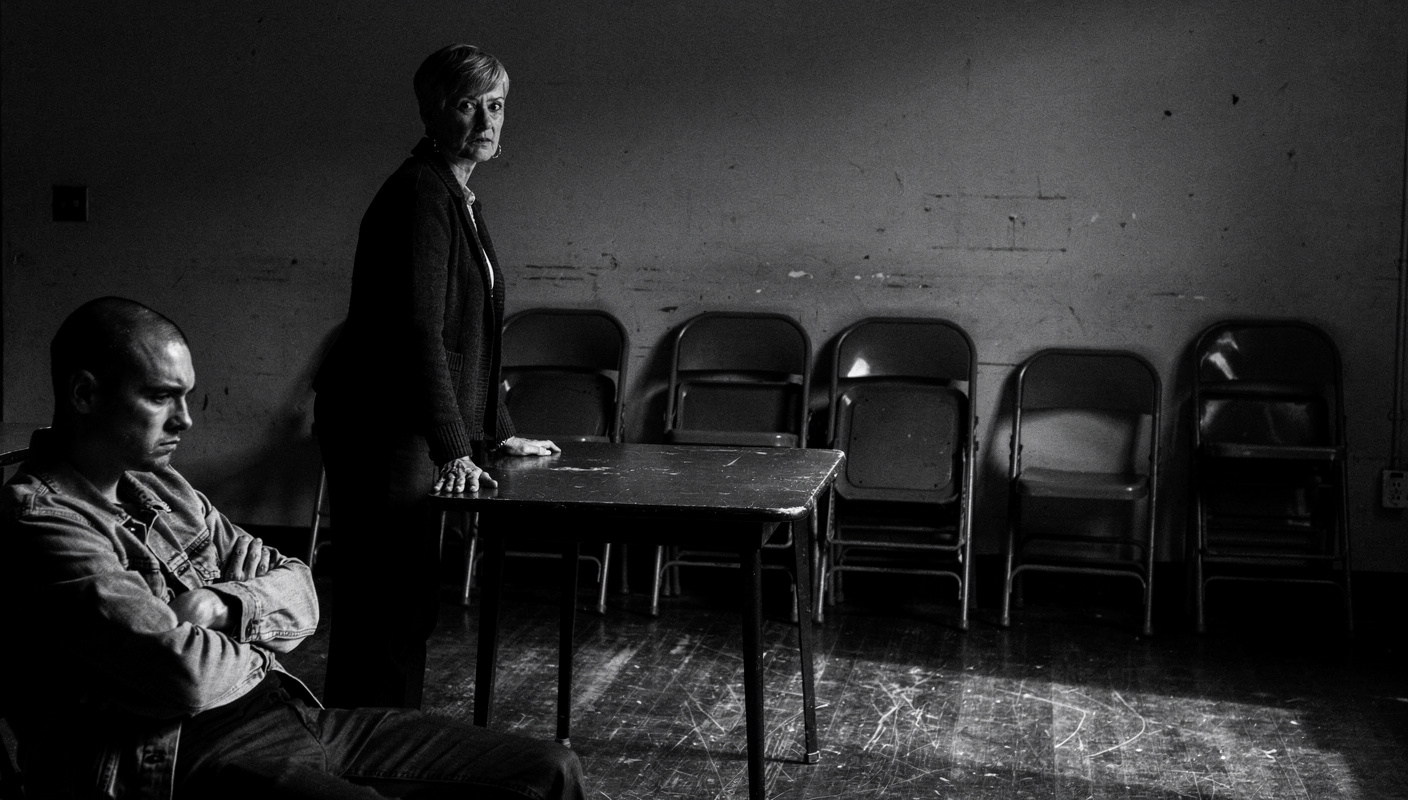
I watched a project leader lose a strong team member because he missed a single conversation. The team member had been fine all morning, steady and engaged. Then the director walked in, mentioned a restructure in passing, and the team member's posture changed. She pulled her arms in, her jaw tightened, and she stopped making eye contact. The project leader kept talking. He never noticed. She handed in her notice three weeks later. He told me afterward he had no idea anything was wrong. The body language was there. He simply had no system for reading it. Learning to observe baseline behavior is exactly that: a system. Not a parlor trick. A real, repeatable method for catching emotional change before it costs you.
Why Reading Body Language Shifts Is Genuinely Difficult
Most people assume they are already good at reading others. They are wrong, and it is not entirely their fault.
The problem is that popular ideas about body language are almost entirely built on generalizations. Crossed arms mean defensiveness. A firm handshake means confidence. Avoiding eye contact means someone is lying. These rules feel useful because they are simple, but they will lead you astray repeatedly. Every person carries their own physical vocabulary, shaped by their upbringing, their culture, their injuries, their habits, and their mood that morning.
Without a personal baseline for comparison, you are not reading body language at all. You are projecting. You are measuring someone against a universal rulebook that does not exist, and making decisions based on your own assumptions rather than their actual signals.
The second difficulty is attention. Most people enter a conversation focused almost entirely on the words being spoken, their own response, and the task at hand. The body language happening in front of them is processed, if at all, as background noise. Deliberate observation takes a specific kind of focused awareness that most of us were never taught to practice.
"The Conversation You're Avoiding Is the One You Need to Have."
"The Conversation You're Avoiding
Is the One You Need to Have."
Stop rehearsing conversations you'll never have. Say It Right Every Time gives you 115 word-for-word scripts and 16 proven frameworks to speak with confidence in every conversation that matters.
What You Need Before You Start Observing
You cannot observe baseline behavior accurately while you are also managing your own stress. If you enter a conversation already activated, already bracing for conflict or performing for an audience, your attention will be consumed by your internal state. You will miss what is in front of you.
Before any high-stakes conversation, take a moment to ground yourself. Breathe slowly. Drop your shoulders. Decide consciously that your job in the first few minutes is to watch, not to perform. If managing your own physical state under pressure is something you find difficult, the C.O.R.E. Framework for staying grounded during tense conversations is worth your time before you develop this skill further.
The second precondition is patience. You cannot establish a baseline in thirty seconds. You need to observe someone during at least a few minutes of ordinary, low-pressure interaction before any difficult topic enters the room.
The Six-Step Method for Observing Baseline and Detecting Change
Step 1: Choose Your Observation Window Deliberately
Do not begin observing during the most tense moment of a conversation. Begin at the start, when conditions are still easy. Your observation window is the first few minutes of relaxed exchange: a greeting, a brief check-in, a low-stakes comment about the day.
During this window, you are not looking for anything in particular. You are simply recording. You are building a snapshot of this person in their resting state.
Step 2: Note Posture and Positioning First
Start with the largest signals, because they are the easiest to track. How does this person hold their body when they are comfortable? Do they lean back or slightly forward? Do their shoulders sit high or low? Are their arms open or close to their body?
Note where they position themselves in the room or at the table. Some people naturally sit close to others; some prefer distance. Some lean toward the group; some angle slightly away. All of this is personal baseline information, not a judgment about what it means in the abstract.
If you want to understand how body language operates in moments of workplace tension specifically, this companion piece on nonverbal communication in tense situations will give you useful context alongside this method.
Step 3: Track Face and Eyes Without Staring
The face is the richest source of emotional signal, and also the most closely guarded. Most people work harder to control their facial expressions than any other channel, which is exactly why brief, unguarded moments are so telling.
During your baseline window, note the default resting expression. Is this a person whose face is generally open and mobile? Or do they have a naturally still face that could be misread as flat or unfriendly? Do they make steady eye contact in ordinary conversation, or do they tend to glance away frequently even when calm?
You are not trying to decode microexpressions at this stage. You are simply registering: this is what normal looks like for this person, so that anything different will register as different.
Step 4: Listen to Voice and Breath Rhythm
This step is one most people skip entirely, and it is a serious mistake. A person's voice in a calm state has a particular pace, a particular pitch range, and a particular rhythm of breath that supports it. These patterns shift noticeably when emotional state changes.
During your baseline window, notice whether someone speaks quickly or slowly, whether their sentences flow or arrive in short bursts, and whether their voice sits in a relaxed register or carries tension even at rest. Some people have a naturally faster speaking pace; some breathe shallowly all the time. You need to know this person's normal before you can detect deviation from it.
Step 5: Watch for Gesture Clusters, Not Single Gestures
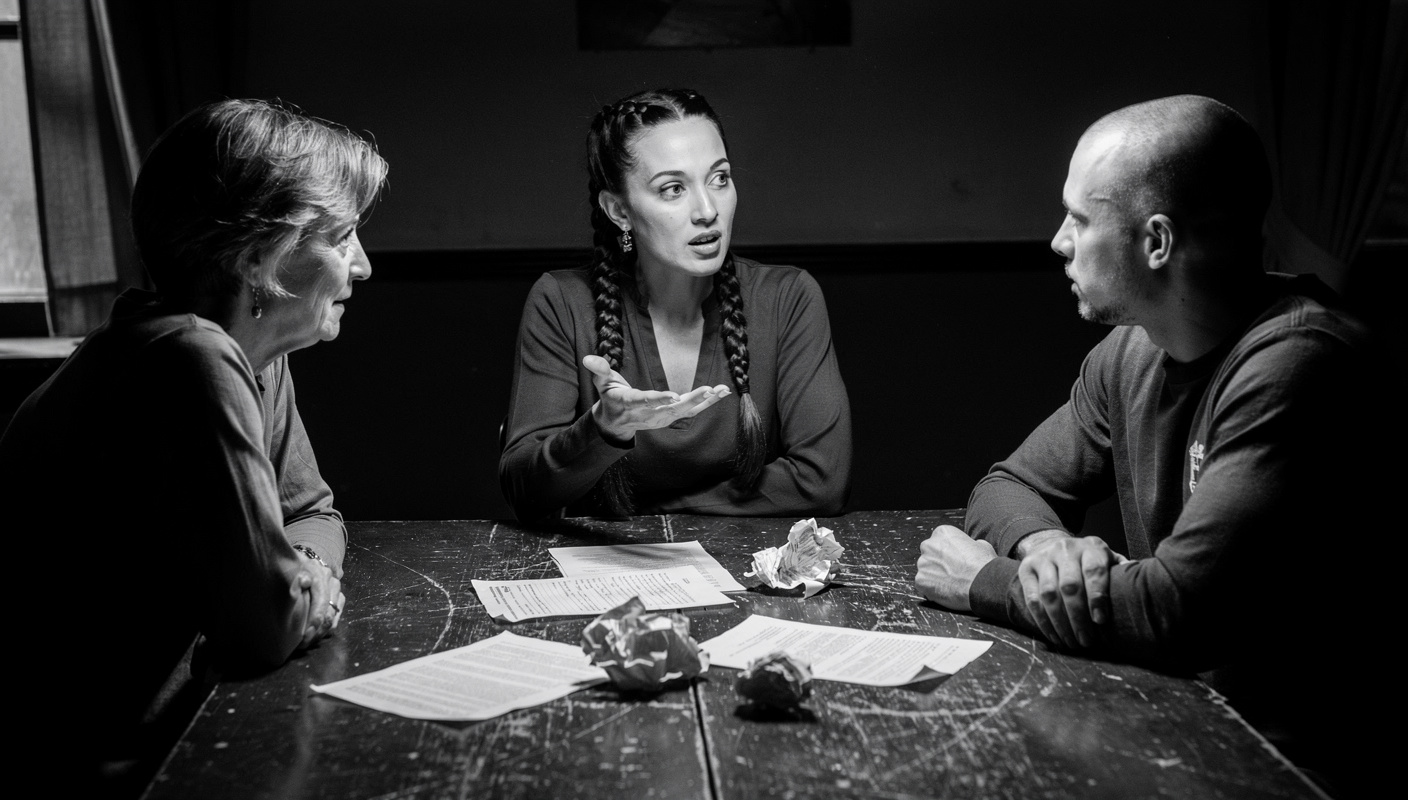
Here is the truth of it: a single gesture tells you almost nothing. A person touching their face once might have an itch. A person crossing their arms might be cold. The moment these signals become meaningful is when two or more appear together, or when a pattern that was absent suddenly arrives in a cluster.
During your baseline observation, note whether this person is naturally a gesturer or someone who tends to keep their hands still. Do they typically touch their face or neck when thinking, or are those gestures absent under calm conditions? This tells you when those same gestures later represent something real.
When you see a cluster of deviations from baseline, that is your signal to adjust. You might slow down the conversation, ask an open question, or simply acknowledge the shift. Understanding what triggers physical stress responses, including the amygdala hijack and how it escalates tension, will help you respond with precision rather than guesswork.
Step 6: Note the Moment of Change, Not Just the Change Itself
When you detect a deviation from baseline, resist the urge to react immediately. Instead, note when the shift occurred. What were you saying at that exact moment? What topic had just entered the room? Who had just spoken?
The timing of a body language shift is often more informative than the shift itself. A person who suddenly pulls back in their chair the moment budget is mentioned is telling you something specific. A person whose eye contact breaks exactly when a particular colleague speaks is telling you something different. Your job is to correlate the signal with the trigger, so your response can be targeted and useful.
This timing awareness is especially valuable when you are preparing to give corrective feedback or address difficult behavior, where methods like the S.B.I. framework become genuinely more effective when combined with your ability to read the room in real time.
Adapting This Method for Remote and Video Conversations
Observing baseline behavior through a video screen is harder, but it is not impossible. Your field of view is narrower, which means you must compensate by sharpening your attention to what is visible.
Focus on three channels: the face, the shoulders, and the voice. These three give you more information than people realize, even in a cropped video frame. During the opening minutes of any video call, register your baseline across these three channels before any pressure enters the conversation.
Watch the shoulder position closely. Shoulders rising toward the ears is a near-universal physiological stress response, and it reads clearly on camera. A person who was sitting relaxed and upright at the start of the call, who gradually hunches or pulls their shoulders inward, is showing you something important.
Also pay attention to the rhythm of participation. Someone who was engaged and speaking freely at the start of a remote meeting, and who gradually goes quiet or begins giving very short answers, has shifted. That shift is baseline deviation. It deserves a response. Ensuring that people can signal discomfort freely in group settings matters too, and the approach described in making sure every participant gets heard pairs well with this observational skill.
Where People Go Wrong When Reading Body Language
The mistake: Treating general body language rules as universal truth. Why it happens: Most of what people know about body language came from a book or a talk that presented general patterns as definitive facts. What to do instead: Use the baseline method. Always measure deviation from this person's personal norm, not from a general rulebook.
The mistake: Observing too late, only after tension is already visible. Why it happens: People wait until something feels wrong before they start paying attention, which means they have no baseline to compare against. What to do instead: Build your observation habit during the easy opening minutes of every significant conversation, before any pressure arrives.
The mistake: Reacting to a single gesture rather than a cluster. Why it happens: One clear signal feels conclusive. It rarely is. What to do instead: Wait for two or more simultaneous deviations before drawing any conclusion. A cluster is a signal. A single gesture is noise.
The mistake: Letting your own emotional state consume your attention. Why it happens: When a conversation becomes difficult, your brain defaults to managing itself, leaving nothing spare for observing the other person. What to do instead: Practice the grounding steps before high-stakes conversations so your observational capacity remains intact when you need it most.
When body language signals escalate in a group context, having a clear method for handling conflict during meetings will give you somewhere useful to go once you have spotted the warning signs. Equally, when you have detected a behavioral shift and need to address it directly without triggering defensiveness, the approach in using the S.B.I. method to address tension-causing behavior gives you a precise way to follow through on what you have observed.
Your Baseline Observation Checklist
Use this before and during every significant conversation. It takes less than five minutes of conscious attention.
Before the conversation:
- Decide consciously that the first three to five minutes are your observation window, not your talking time.
- Ground yourself physically so your own state does not crowd out your attention.
- Know what you are watching for: posture, face, voice rhythm, and gestures.
During the opening minutes:
- Note resting posture: open or closed, leaning in or back, shoulders high or low.
- Note facial default: open and mobile, or still and guarded.
- Note eye contact pattern: steady, frequent, or naturally minimal.
- Note voice pace and rhythm: fast, slow, clipped, or flowing.
- Note whether this person typically gestures or tends to keep still.
As the conversation develops:
- Watch for postural shifts: a sudden change in position, especially pulling back or folding inward.
- Watch for facial changes: jaw tightening, lips pressing together, eyes narrowing or breaking contact.
- Watch for new gestures: self-touching, covering the mouth, rubbing the neck.
- Note the exact moment the shift occurred and what topic or comment preceded it.
- Wait for a cluster of two or more signals before drawing any conclusion.
- Decide on your response: slow down, ask an open question, or name what you are noticing.
The Habit That Makes Everything Else Work
You can read every article ever written about body language, and it will not make you better at reading people. What makes you better is practice: doing the observation deliberately, conversation after conversation, until it becomes as natural as listening to the words themselves.
Start with one channel. Spend the next two weeks doing nothing but tracking postural shifts in the people around you. Build that channel first before you add the next. The habit builds from the ground up, one layer at a time, the same way any real skill does.
The capacity to observe baseline behavior accurately is not a talent some people have and others do not. It is a practice. Every person I have watched develop this skill did it through repetition and honest self-correction, not through natural gift. The method is available to you. The only question is whether you will use it.
Frequently Asked Questions (FAQ)
What does it mean to observe baseline behavior?
Observing baseline behavior means noting how a person naturally holds themselves, speaks, and moves when they are calm and unstressed. This gives you a personal reference point so that deviations, which often signal emotional change, become visible and meaningful rather than easy to miss.
How do you observe baseline behavior accurately in a conversation?
Watch the person during the first few minutes of a low-stakes exchange before any pressure enters the conversation. Note their posture, gestures, voice rhythm, and eye contact. These calm-state signals form your comparison point for everything that follows as the conversation develops.
What body language signals indicate an emotional change?
Key signals include sudden postural shifts, crossed arms where there were none, reduced eye contact, faster or shallower breathing, self-touching gestures like rubbing the neck or face, and a tightening of the jaw or lips. Any cluster of two or more of these signals warrants attention.
Can you observe baseline behavior in remote or video meetings?
Yes, though your reference points narrow to the visible frame. Focus on facial expressions, shoulder position, voice pace, and the rhythm of someone talking versus going quiet. Establish a calm baseline early in the call before any difficult topic arrives, then watch for deviations from that point.
How is observing baseline behavior different from making assumptions about people?
Observing baseline behavior is about measuring change from a person's own norm, not judging them against a general standard. You are not saying crossed arms always mean defensiveness. You are noticing that this person, who never crosses their arms, just did so, and asking what changed.
How long does it take to get good at reading body language shifts?
With deliberate practice, most people notice significant improvement within a few weeks. The skill builds fastest when you focus on one signal category at a time, such as postural changes first, then facial cues, rather than trying to track everything at once from the beginning.