
In Short
Body language awareness is not about catching people out. It is about reading the real conversation happening underneath the spoken one, and making sure your own physical presence earns you the trust and respect the situation demands.
- Political tension in offices is communicated through posture, gesture, and eye contact long before anyone speaks a word.
- You can train yourself to read these signals accurately and manage your own body under pressure.
- Done well, this skill builds credibility in rooms where words alone are not enough.
Body language awareness is the deliberate practice of noticing and interpreting physical signals, including posture, gesture, eye contact, and facial expression, in yourself and others. It gives you a clearer picture of what is actually happening in a workplace interaction, beyond what people say aloud.
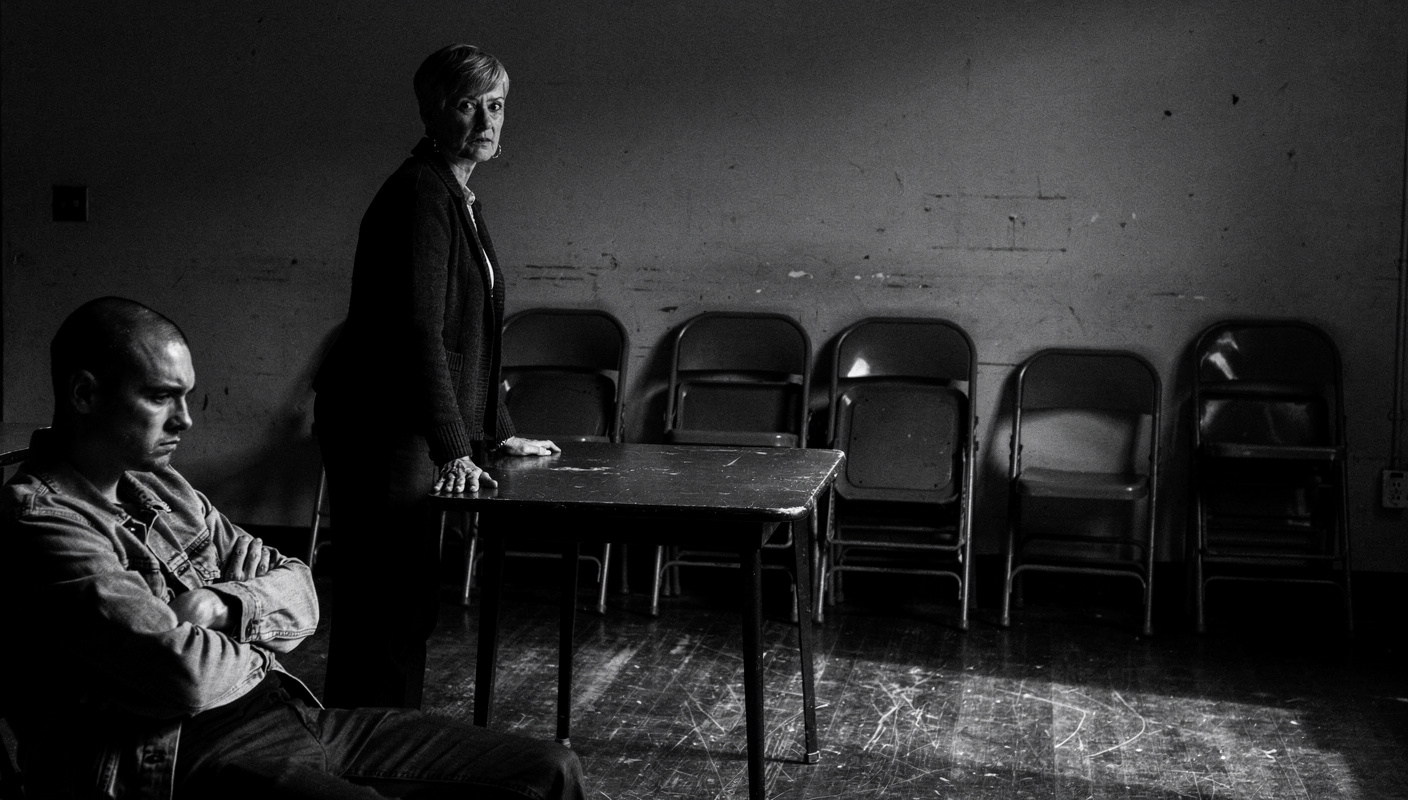
I watched a good man lose a promotion he had earned. He sat in the final review meeting with his arms folded, shoulders rounded, eyes dropping every time the hiring director spoke. His words were sound. His record was strong. But his body said something different entirely. It said: I do not believe I deserve this. The director read that signal and agreed with it.
Body language awareness is not a soft skill. In politically charged offices, it is one of the sharpest tools you can carry. The alliances, the tensions, the unspoken hierarchies, all of it is written in how people hold themselves, where they look, and what they do with their hands when the pressure rises. If you cannot read those signals, you are navigating blind. If you cannot manage your own, you are broadcasting doubt before you open your mouth.
This article gives you a concrete process for developing that awareness, using it to read the room accurately, and making your own presence work for you rather than against you.
Why Reading Body Language in Political Environments Is Genuinely Difficult
The problem is not a lack of effort. Most people who struggle with this are paying attention. The problem is that they are paying attention to the wrong things, or reading single signals without context.
A folded arm does not mean hostility. It might mean cold. A lack of eye contact does not always signal deception; it can signal deep thought or social anxiety. Political environments add another layer of complexity because experienced players learn to manage their visible signals deliberately. You may be trying to read someone who has spent twenty years learning to show nothing.
There is also the pressure you are under yourself. When the stakes are high, your own nervous system floods your attention inward. You become hyperaware of what you are doing, which makes genuine observation of others nearly impossible. This is why nonverbal communication in tense situations deserves its own study: tension distorts both transmission and reception of physical signals.
The process below addresses both sides of this problem: what you read in others, and what you project yourself.
"The Conversation You're Avoiding Is the One You Need to Have."
"The Conversation You're Avoiding
Is the One You Need to Have."
Stop rehearsing conversations you'll never have. Say It Right Every Time gives you 115 word-for-word scripts and 16 proven frameworks to speak with confidence in every conversation that matters.
What You Need to Settle Before You Start Reading the Room
Before any step in this process works, you need one thing in place: a stable baseline.
A baseline is your knowledge of how a person normally presents. You cannot spot a tension signal if you do not know what relaxed looks like for that individual. Some people always cross their arms. Some people rarely make eye contact in casual settings. Trying to interpret political signals without a baseline is like reading a map without a north marker.
Spend two or three low-stakes interactions with any key colleague simply observing their defaults. How do they sit when they are comfortable? Where do their hands go when they are thinking? What does their voice pace sound like when nothing is at stake? That reference point is what makes the deviations meaningful later.
A Step-by-Step Process for Using Body Language Awareness in Political Situations
Step 1: Ground Your Own Body Before Any Significant Interaction
This comes first because your physical state determines everything else. If you walk into a politically loaded meeting with a tight chest and a clenched jaw, you will transmit anxiety regardless of the words you choose.
Before you enter any room where status or influence is at play, take sixty seconds. Plant your feet flat on the floor. Drop your shoulders. Take a slow breath that expands your stomach, not your chest. This is not meditation; it is physical preparation, the same kind a surgeon uses before a procedure.
Your resting posture should be open: feet roughly hip-width apart if standing, both feet on the floor if seated, hands visible and relaxed. An open stance communicates confidence and signals that you have nothing to conceal. It also, because the body and mind connect in both directions, actually makes you feel more composed.
Step 2: Scan for Clusters, Not Individual Signals
Walk into the room and resist the urge to interpret the first thing you notice. One signal means almost nothing. A cluster of three or more signals pointing in the same direction means something real.
Look for combinations: a colleague who has shifted their chair slightly away from the group, whose arms are pulled in close, whose eye contact with the senior person in the room is intermittent rather than direct. That cluster suggests discomfort or guardedness. A single folded arm tells you very little.
Give yourself the first three to five minutes of any meeting simply to observe before drawing any conclusions. Treat this like a photographer choosing a frame before pressing the shutter: patient, attentive, unhurried.
Step 3: Track Deviations from Each Person's Baseline
Once you have your baseline knowledge of key individuals, changes become your most reliable data. When someone who normally leans forward pulls back, that shift carries information. When a usually animated colleague goes physically still, pay attention.
These deviations often signal that someone has moved from engagement to defensiveness, or from neutrality to interest. They happen faster than speech and are harder to consciously suppress. This is where body language gives you a genuine advantage: people can choose their words carefully, but they rarely manage their posture with the same deliberateness.
Watch especially for microexpressions: flashes of emotion that cross a face in under a second before the person composes themselves. A brief frown when a budget number is mentioned. A flicker of contempt before a smile replaces it. You will not catch these every time, but training your attention toward faces, rather than away from them out of social politeness, will increase your accuracy over weeks of practice.
For more on how physical signals escalate during conflict, the process outlined in how to handle conflict during meetings connects directly to what you observe here.
Step 4: Use Proximity and Positioning Deliberately
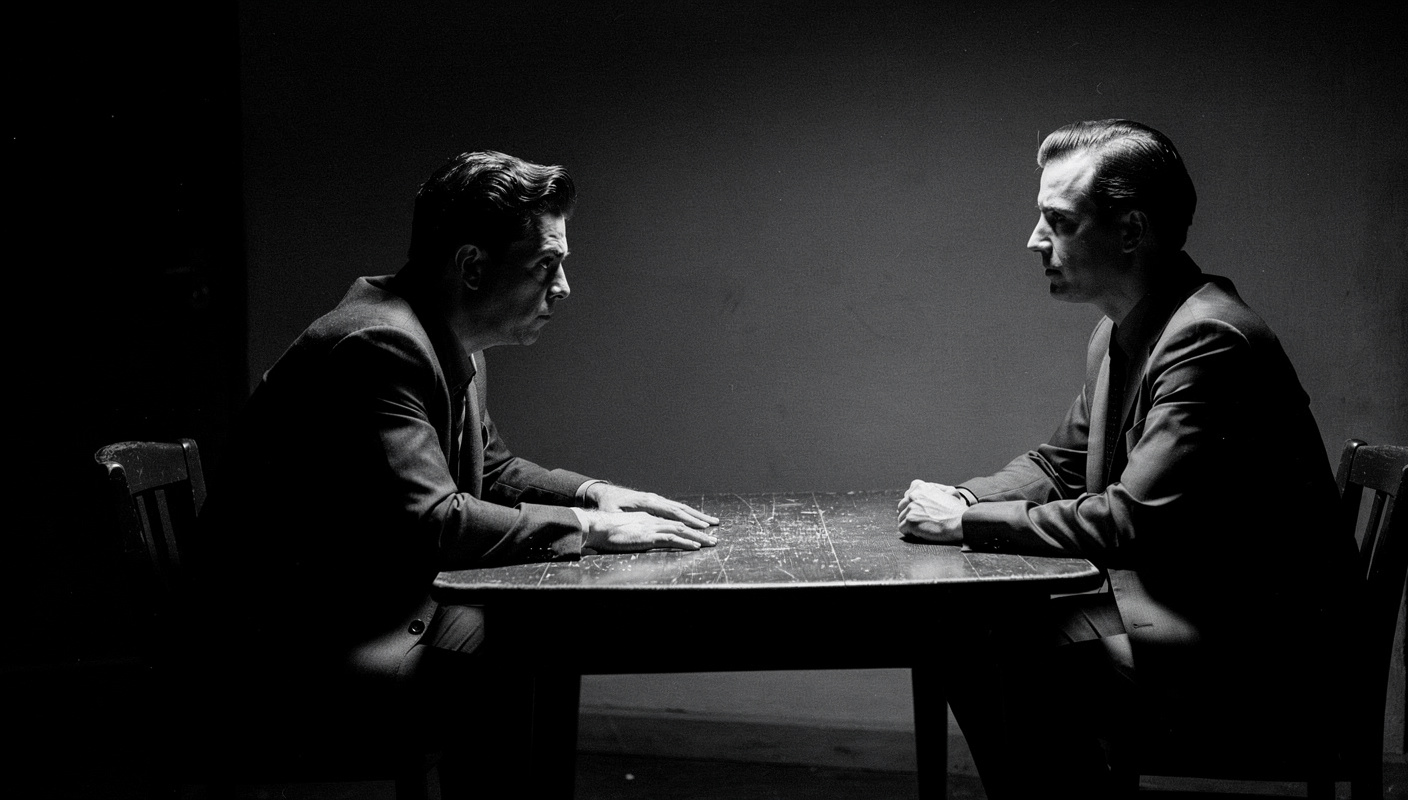
Where you place yourself in a room is a body language decision, and politically aware people make it consciously. Sitting directly opposite a person of high status signals a challenge. Sitting at a ninety-degree angle signals collaboration. Standing at the periphery of a group signals deference or uncertainty.
If you want to build connection with a specific colleague during a tense meeting, position yourself where eye contact is natural and easy, not directly confrontational and not so far removed that you become invisible. This is proxemics: the study of physical space as communication, and it matters enormously in office settings.
When you need to assert credibility in a room where dominant voices tend to crowd others out, choose a seat with good sightlines to the chair, and position your chair fully in rather than pushed back. Physically claiming your space is half the signal. The other half is what you do once you are in it. If you are working on how to deal with dominant voices in a discussion, position is your first tool, not your last.
Step 5: Mirror Strategically and Slowly
Mirroring, matching the posture or gesture of the person you are speaking with, is one of the most studied signals in interpersonal communication. Done naturally, it builds rapport and signals alignment. Done badly, it reads as mockery or manipulation.
The rule is: mirror slowly and partially. If a colleague leans back slightly, you might, after a natural pause, do the same. Do not copy exact poses. Match energy and openness rather than specific positions. If they are animated, allow yourself a little more expressiveness. If they are measured and still, bring your own physical intensity down to meet them.
In political environments, use mirroring to signal engagement and reduce perceived threat. It tells the other person, without a word, that you are with them. That kind of nonverbal alignment can shift the atmosphere of a conversation before its content has had a chance to.
Step 6: Manage Your Face Under Pressure
Your face is the most expressive and the least consciously managed part of your body. Under political pressure, people often leak emotions they intend to conceal: a flash of irritation when their idea is dismissed, a tightening around the eyes when someone they distrust speaks.
Practice a neutral, interested expression as your resting face in tense settings. This does not mean blank or cold. It means: open eyes, slightly relaxed jaw, a natural set to your mouth that reads as composed rather than guarded. If you feel irritation rising, do not suppress it by clenching; instead, breathe through the stomach and let your face follow the breath into stillness.
This matters most in the moments when you are not speaking. People watch faces when others are talking. A visible reaction from you can shift the political temperature of a room even if you never say a word. Understanding what happens in your nervous system when pressure spikes is worth studying directly; the amygdala hijack and how it escalates workplace tension describes the physical sequence your body goes through under threat, and knowing it helps you interrupt it.
Step 7: Align Your Physical Presence with Your Words When It Counts
The most powerful use of body language awareness is alignment: making sure that what your body says and what your words say are the same thing. Misalignment destroys credibility faster than almost anything else.
When you raise a concern, face the room squarely. When you agree, let your nod and your eye contact carry genuine weight rather than polite reflex. When you draw a boundary, slow your speech, lower your voice slightly, and hold the physical stillness that signals you mean what you are saying.
If you are using frameworks like the C.O.R.E. framework to stay grounded during a tense workplace conversation or the S.B.I. method for corrective feedback, your body needs to support the words. A well-constructed script delivered with a closed posture and wandering eye contact loses most of its power.
Adapting This Process for Remote and Hybrid Settings
The core process does not vanish in remote settings; it compresses. On a video call, your face and upper body are the entire signal. That makes every element more concentrated and more consequential.
Position your camera at eye level. A camera pointing up at your chin puts you in a subordinate position in every frame. Looking down at a laptop screen does the same from the opposite direction. Eye level signals equality; it is worth the effort of a stand or a stack of books.
Lean in slightly, not dramatically, when someone is making an important point. This signals attention in a format where the usual proxemic cues are absent. Keep your hands in frame when you are speaking; gestures that support your words add presence and credibility in a medium that strips most other physical signals away.
The challenge of reading others is harder remotely: you lose the lower body entirely, and lighting and camera angles can mask microexpressions. Compensate by paying closer attention to voice pace and tone, which carry much of the emotional load that posture would carry in person.
Where People Go Wrong When They Start Paying Attention to Physical Signals
Reading single signals as conclusions. When you first develop body language awareness, you start noticing everything and interpreting it too quickly. A colleague crosses her arms, and you decide she is hostile. Slow down. Wait for the cluster.
Projecting your own state onto others. If you are anxious walking in, you will read anxiety everywhere. The discipline is to observe what is actually there, not what your own nervous system is primed to find.
Mirroring too fast or too exactly. Instant mirroring reads as mimicry, and politically aware people will clock it immediately and lose trust in you. Match energy and pace, not positions.
Neglecting your own baseline signals under pressure. Most people work on reading others and forget to manage what they are broadcasting. Your posture, face, and breath are transmitting constantly. Make sure what they transmit is what you intend.
Treating body language as a manipulation tool. The goal is connection and clarity, not control. The moment you start using physical signals to deceive or dominate rather than to communicate honestly, you undermine the very trust you are trying to build. Use this awareness to be more present and more real, not more strategic in the manipulative sense of the word. A neutral problem statement pairs well here: your words stay clean and your body follows.
Your Body Language Awareness Check Before Any High-Stakes Interaction
Keep this short list somewhere accessible. Run through it in the sixty seconds before a meeting, a difficult conversation, or any situation where political undercurrents are likely.
- Feet: Both flat on the floor if seated, hip-width if standing. Are you grounded or perched?
- Shoulders: Dropped and back, not hunched or raised. Raised shoulders signal threat or anxiety.
- Hands: Visible and relaxed. Not hidden, not clenched, not fussing with a phone or pen.
- Jaw: Unclenched. Run your tongue across your upper teeth; if your jaw is tight, this will release it.
- Breath: Slow and from the stomach. Fast chest breathing signals anxiety to your own nervous system.
- Face: Open and composed. Not a performance of calm; just the absence of a tight, defensive mask.
- Eyes: Ready to make real contact. Practise holding a natural gaze, not a stare, for three to four seconds before looking away naturally.
After any significant interaction, add one question: what did I notice in others, and what did my own body communicate? Reflection is how awareness compounds into skill over time.
Reading the Room Is a Skill You Build, Not a Talent You Have
I have spent decades watching people navigate politically charged workplaces. The ones who do it well are rarely the cleverest or the most senior. They are the ones who learned to be genuinely present: reading what is actually happening rather than what they hoped was happening, and managing their own physical signals with enough discipline to earn trust before they opened their mouths.
Body language awareness is not about becoming calculating or unreadable yourself. It is about becoming honest at the level of the body, which is the level where people make their real assessments of you. When your posture, face, and words all say the same thing, people trust you without knowing quite why. That is the quiet advantage this skill gives you.
Start with the pre-meeting checklist. Use it before your next difficult conversation. Notice what shifts. Over time, body language awareness becomes less a practice and more a way of being present in every room you enter.
Frequently Asked Questions (FAQ)
What is body language awareness in the workplace?
Body language awareness is the ability to notice, interpret, and manage physical signals, including posture, gesture, eye contact, and facial expression, during workplace interactions. It helps you read what people feel and communicate credibility and trust before a single word is spoken.
How does body language affect office politics?
Body language shapes how colleagues perceive your confidence, intent, and status in every meeting and corridor exchange. Closed posture, avoided eye contact, or nervous gestures can signal weakness or dishonesty even when your words are sound, making political situations harder to navigate.
How can I improve my body language awareness at work?
Improve body language awareness by practising stillness under pressure, grounding your stance before difficult conversations, and making a habit of scanning the room for tension signals in others. A short pre-meeting check of your own posture and breathing will compound over weeks into real skill.
What body language signals suggest someone is withholding information in a meeting?
Watch for a combination of reduced eye contact, a slight shift away from the group, hands moving toward the face or neck, and a tightening around the jaw or mouth. No single signal is conclusive, but a cluster of three or more carries real weight.
Can body language awareness help during a conflict at work?
Yes. During conflict, your posture, breathing, and eye contact either escalate or calm the situation. Keeping an open stance, slowing your movements, and maintaining steady eye contact signals confidence and composure, which often reduces the emotional temperature before any words are exchanged.
What is the biggest body language mistake people make in office politics?
Mirroring powerful people too aggressively or too quickly. It reads as mimicry rather than rapport, and politically savvy colleagues notice it immediately. Mirroring works when it is slow, natural, and partial, matching energy rather than copying exact poses.