
In Short
Body language does not stay fixed across a lifetime. It shifts in speed, scale, and precision as we age, and those shifts change how others read our intentions, confidence, and warmth.
- Older adults typically use fewer, slower, and more deliberate physical signals than younger people.
- These changes reflect deeper emotional regulation, not disengagement or decline.
- Misreading age-related signals is one of the most common and costly errors in cross-generational communication.
Body language age refers to the natural evolution of nonverbal physical signals, including posture, gesture, facial expression, and movement, as a person grows older. These shifts are shaped by physical changes, accumulated social experience, and increasing emotional regulation across the decades.
I have sat across the table from thousands of people over the years. Young professionals trying to fill a room with energy. Senior leaders who could command silence with a single, unhurried look. What I noticed, after the first decade or so, was that the gap between them was not just confidence or experience. It was in the body itself. Body language at twenty looks nothing like body language at sixty, and yet most people treat it as if it were fixed, as if what a folded arm means on a young person means exactly the same thing on an older one. It does not. Understanding how body language shifts as people age is one of the most useful and overlooked skills in communication.
What Everyone Thinks They Know About Reading Body Language
Most people learn a simplified version of nonverbal reading. Crossed arms mean defensiveness. Leaning in means interest. A firm handshake means confidence. These rules have a grain of truth, but they are built on a single, unstated assumption: that the person you are reading is using the same physical vocabulary as everyone else. That assumption breaks down the moment age enters the picture.
A sixty-year-old who sits with perfectly still hands is not necessarily disengaged. A twenty-five-year-old who fidgets throughout your conversation is not necessarily nervous. The physical patterns each person uses have been shaped by decades of experience, physical change, and social conditioning. Reading them accurately requires knowing what age does to the body's communication system, and why.
"The Conversation You're Avoiding Is the One You Need to Have."
"The Conversation You're Avoiding
Is the One You Need to Have."
Stop rehearsing conversations you'll never have. Say It Right Every Time gives you 115 word-for-word scripts and 16 proven frameworks to speak with confidence in every conversation that matters.
How the Body's Expressive Range Narrows and Deepens With Age
Here is the core of it. Body language becomes more economical as we age. Not weaker, not colder. More precise.
In our twenties and thirties, the body is a full-orchestra instrument. Gestures sweep wide. Posture shifts constantly. Expressions move quickly across the face. Some of this is genuine expressiveness. Much of it is the body's way of managing uncertainty. Young people use more physical signal because they have not yet learned which signals carry weight.
By the forties and fifties, something begins to consolidate. The gesture range narrows. Posture stabilises. Eye contact becomes more deliberate and sustained. This is not a loss. It is compression. The person has learned, through decades of trial and error, which physical signals actually land. They use fewer of them, and each one carries more meaning.
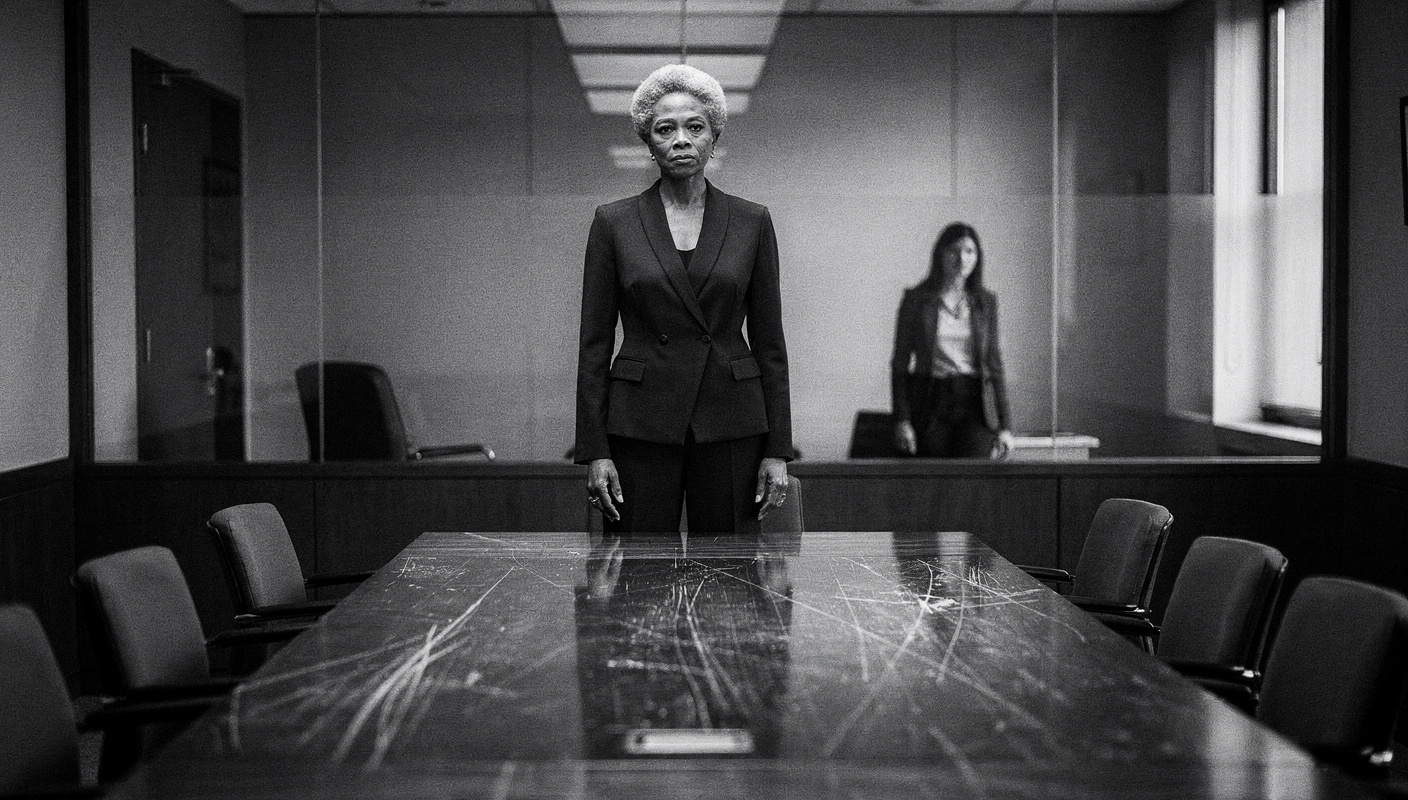
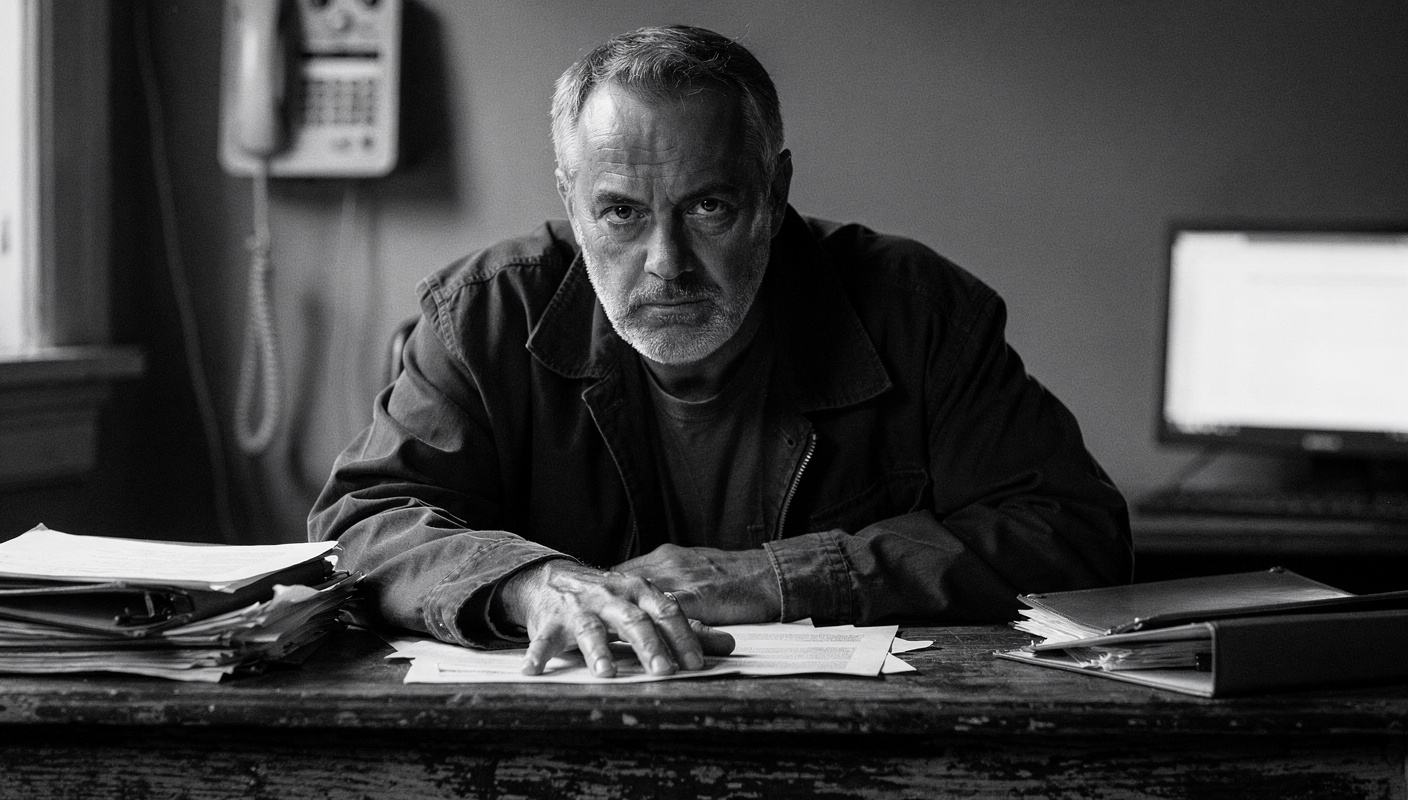
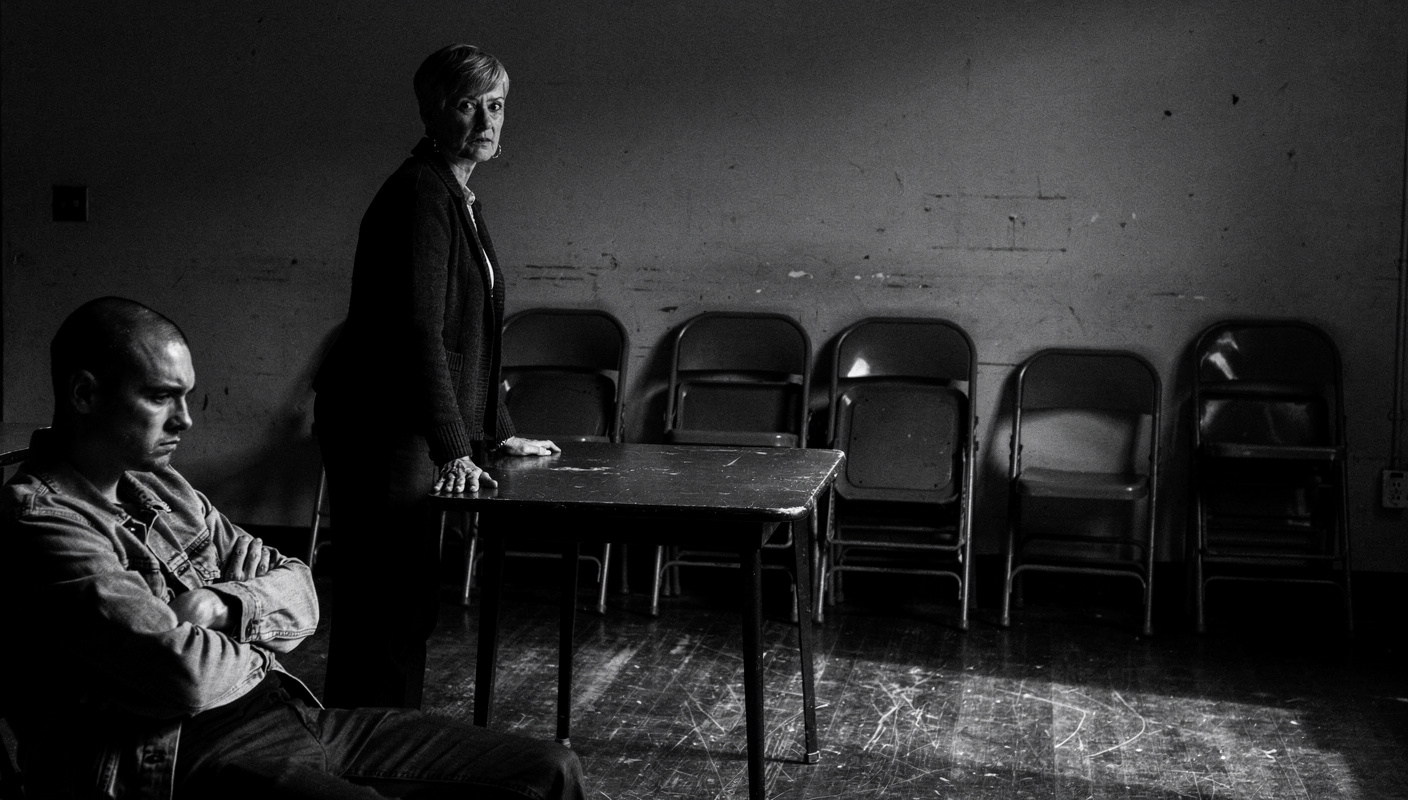
By the sixties and beyond, the body language of an experienced person can read as almost minimal to someone young. But that stillness is not absence. It is density. A single slow nod from someone who has spent four decades in difficult rooms communicates more than five enthusiastic hand movements from someone who has not.
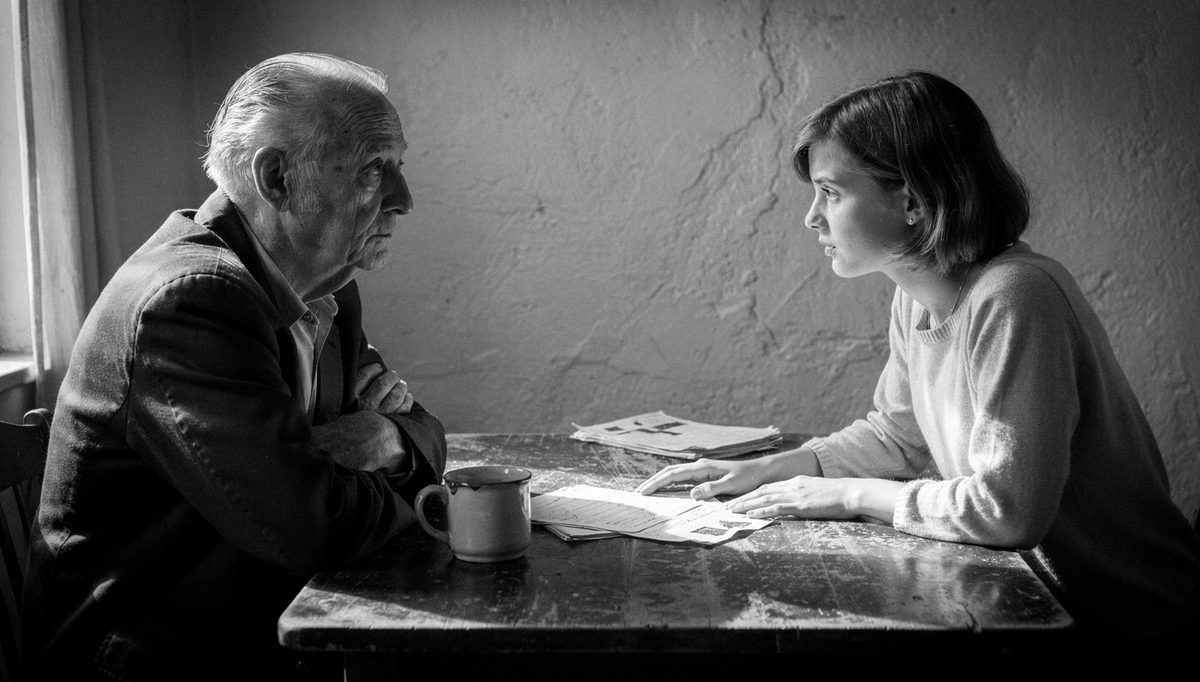
The practical consequence of this is immediate. When you sit with someone significantly older than you and they are not matching your physical energy, do not read that as coldness or disapproval. They may be the most engaged person in the room. Their engagement just looks different from yours. If you misread that and start to overperform physically to compensate, you will likely come across as anxious rather than enthusiastic.
The Three Shifts That Change Everything Across Generations
Gesture Frequency and Scale
Young communicators tend to gesture more frequently and over a wider physical range. The hands move constantly, emphasising nearly every point. Older communicators reserve gesture for what truly needs emphasis. When an older person lifts a hand to make a point, it is worth noticing, because they have edited out everything that does not matter.
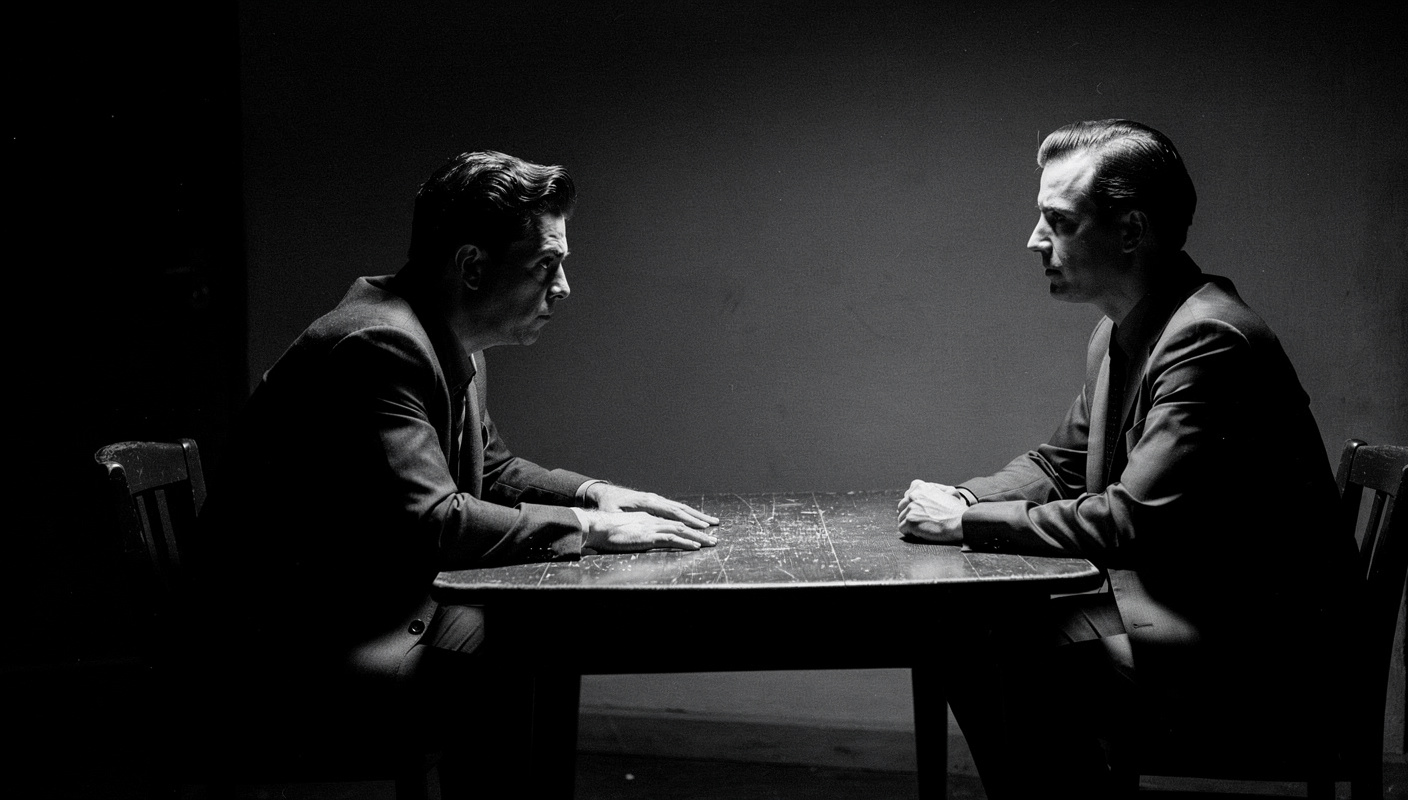
In a meeting, this difference can create friction. A younger presenter who reads a senior leader's stillness as disengagement may rush to fill the silence with more movement, more energy, more signal. The senior leader reads this as noise. The younger person interprets the leader's quiet attention as a problem to solve. Neither is wrong, but both are misreading the other. This pattern shows up constantly in workplaces with wide age ranges, and it costs real trust. You can read more about how these dynamics play out in real-time in Nonverbal Communication in Tense Situations.
Facial Expressivity and Emotional Economy
Here the picture gets more nuanced. Overall body movement tends to decrease with age. But facial expressivity, particularly for emotions connected to care, connection, and relational depth, often increases. Older adults tend to show warmth more openly and more genuinely than their younger selves would have. The catch is that they show it with greater precision and less frequency.
A younger person who smiles broadly and often may not be read as warm by an older colleague who reserves a genuine smile for moments that truly earn one. The older person's smile, when it appears, is real. The younger person's constant display can read as performed. Neither is being dishonest. They are operating on different expressive economies.
Posture as a Signal of Social Status and Comfort
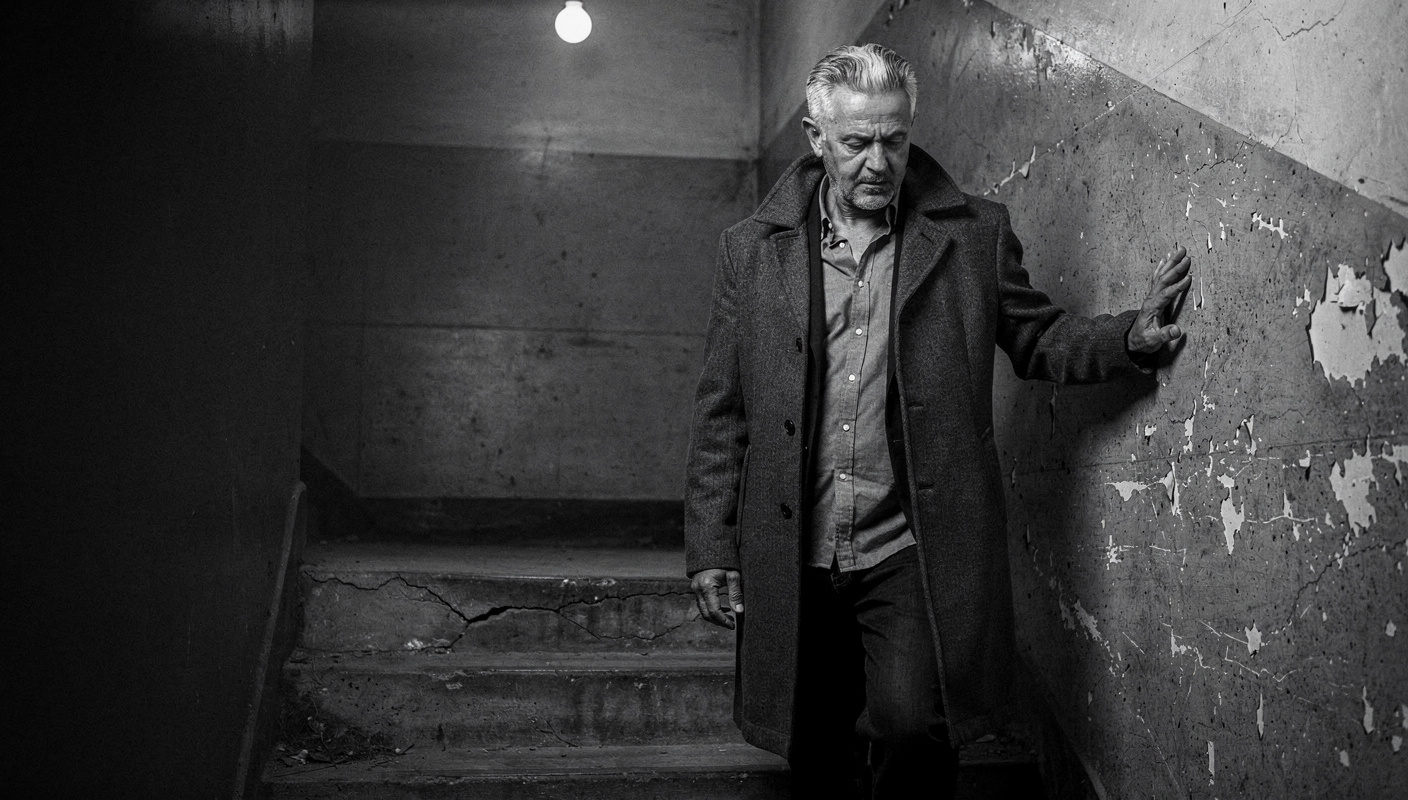
Posture changes with age for physical reasons too, not just social ones. The body carries decades of wear. Some of what looks like withdrawn posture in an older person is simply the effect of time on the spine and joints. A slight forward lean that might signal deference in a younger person may simply be the natural resting posture of someone in their seventies.
Younger professionals sometimes unconsciously read the postural patterns of older colleagues through the wrong lens, and interpret physical settling as submission or discomfort. This matters in meetings where status and authority are being negotiated. Understanding who holds the room sometimes means looking past posture to other signals, such as the pace of speech, the economy of gesture, and the quality of eye contact. For more on how physical signals affect group dynamics, How to Deal with Dominant Voices in a Discussion is worth your time.
Why These Misreadings Happen and Keep Happening
The reason this stays invisible to most people is simple. We learn to read body language from our peers. We spend most of our early adult years surrounded by people our own age, and we calibrate our nonverbal reading to match the signals we encounter most often. By the time we are working alongside people twenty or thirty years older or younger, we are already deep into patterns of interpretation that do not fully apply.
Add to this the fact that most communication training ignores age almost entirely. The advice stays generic. Make eye contact. Sit up straight. Keep your gestures open. Nobody stops to ask whether those instructions mean the same thing across decades of life experience.
The result is that misreadings pile up silently. A younger manager reads an older team member's quiet physical presence as resistance and begins to unconsciously exclude them from collaborative moments. An older senior leader reads a younger colleague's animated energy as a lack of gravitas and gives them less trust than they deserve. Both are responding to real signals. Both are drawing the wrong conclusions. This is precisely the kind of dynamic that can derail the role of communication in meeting success without anyone realising the source of the friction.
What This Means for How You Communicate Right Now
The analysis only earns its keep if it changes how you behave on Monday morning. Here is where it becomes practical.
First, practice reading the baseline before you read the signal. Before you decide what someone's body language means in a conversation, ask yourself what their baseline looks like at rest. An older colleague who always sits still is not signalling anything with their stillness in a tense meeting. That is just how they sit. The signal is when something changes from their baseline, not when it matches a textbook illustration.
Second, calibrate your own output to the person, not to a rule. If you are younger and speaking with someone significantly older, you do not need to suppress your natural expressiveness entirely. But slowing the pace of your gesture and giving more space to silence will land better than matching the energy of a room full of your own contemporaries. Conversely, if you are the older person in the room, a small deliberate increase in physical warmth, a direct nod, an open palm, genuine eye contact maintained just a moment longer, can close a generational gap that silence would widen.
Third, do not let physical stillness be confused with disengagement when you are the one running the conversation. If you want to know whether an older colleague is genuinely with you, ask a direct question and listen to the answer. Their body may not broadcast engagement the way a younger person's would, but their words will tell you everything. This connects directly to how you ensure every participant gets heard in mixed-age settings.
Fourth, watch for the moments when physical signals spike from an older person's restrained baseline. If someone who rarely raises their hands suddenly leans forward and places both palms on the table, that matters. If someone whose face is habitually composed shows a flash of frustration, it is real. The economy of their expression makes those moments loud. Do not miss them by waiting for the full theatrical display you might expect from a younger colleague.
These same principles apply when things get heated. Body language in conflict is shaped by age in ways that are easy to mismanage. An older person's physical composure during an argument is not the same as acceptance. A younger person's visible agitation is not the same as aggression. Knowing the difference is essential for anyone trying to handle conflict during meetings with real skill, or for de-escalating arguments before they harden into something worse. And if you have ever watched a calm situation turn volatile in seconds, understanding the amygdala hijack helps explain why age-related composure sometimes cracks without warning.
What Stays True Across Every Decade
After sixty years of watching people communicate, I keep coming back to one thing. The body never lies, but it speaks in dialects. A gesture in one decade means something different in another. Stillness at twenty means something different from stillness at seventy. The great communicators I have known were not the ones who had memorised a fixed dictionary of physical signals. They were the ones who stayed curious about the person in front of them.
Body language age is not a problem to solve. It is a reality to understand. The moment you stop assuming that everyone's body speaks the same language at every stage of life, you become a genuinely better reader of people. And that is the ground every strong communication skill is built on.
Frequently Asked Questions (FAQ)
How does body language change with age?
Body language becomes more economical and controlled with age. Older adults typically use fewer, slower gestures, hold more composed posture, and make more deliberate eye contact. These changes reflect emotional regulation and accumulated social experience, not disengagement or passivity.
Why is body language age awareness important in communication?
Misreading age-related body language changes causes real breakdowns. A younger colleague may see an older person's stillness as detachment. An older person may read a younger colleague's animated gestures as immaturity. Recognising these patterns helps you respond to what someone actually means.
Does body language become more or less expressive as we get older?
It depends on the dimension. Facial expressivity can increase with age, particularly for emotions connected to relationships and care. But gestural range and postural movement generally narrow. Older adults express more through the face and less through full-body animation.
How can you adapt your body language when communicating across generations?
Slow down your own gestures slightly when speaking with older adults. Do not read their physical stillness as coldness. With younger colleagues, match a little more energy without forcing it. The goal is calibration, not imitation. Read the person, not just the generation.
What does reduced gesturing in older adults actually signal?
Reduced gesturing usually signals efficiency and emotional regulation, not withdrawal. Older adults have learned which signals matter. Their smaller gesture vocabulary is often more precise. A single nod from someone with forty years of experience carries more weight than five enthusiastic hand movements.
How does body language age affect professional credibility?
Younger professionals sometimes project lower credibility through over-animation, which reads as nerves or inexperience. Older professionals may project lower warmth through excessive stillness. Both groups benefit from studying the gap and adjusting deliberately. Credibility is built through consistency between what you say and how your body says it.