
In Short
Disputes resurface long after the room has cleared. A negotiation conflict is rarely resolved the day it happens, and when it reignites, whoever has the clearer record wins the argument. Document everything from the first session, not when things go wrong. Your notes, emails, and logs are the only witnesses you can fully trust.
Document conflict negotiation refers to the practice of creating a written, timestamped record of disputed points, verbal commitments, and contested claims as they arise during a negotiation. It preserves an accurate account of what was said and agreed, protecting all parties when disputes resurface later.
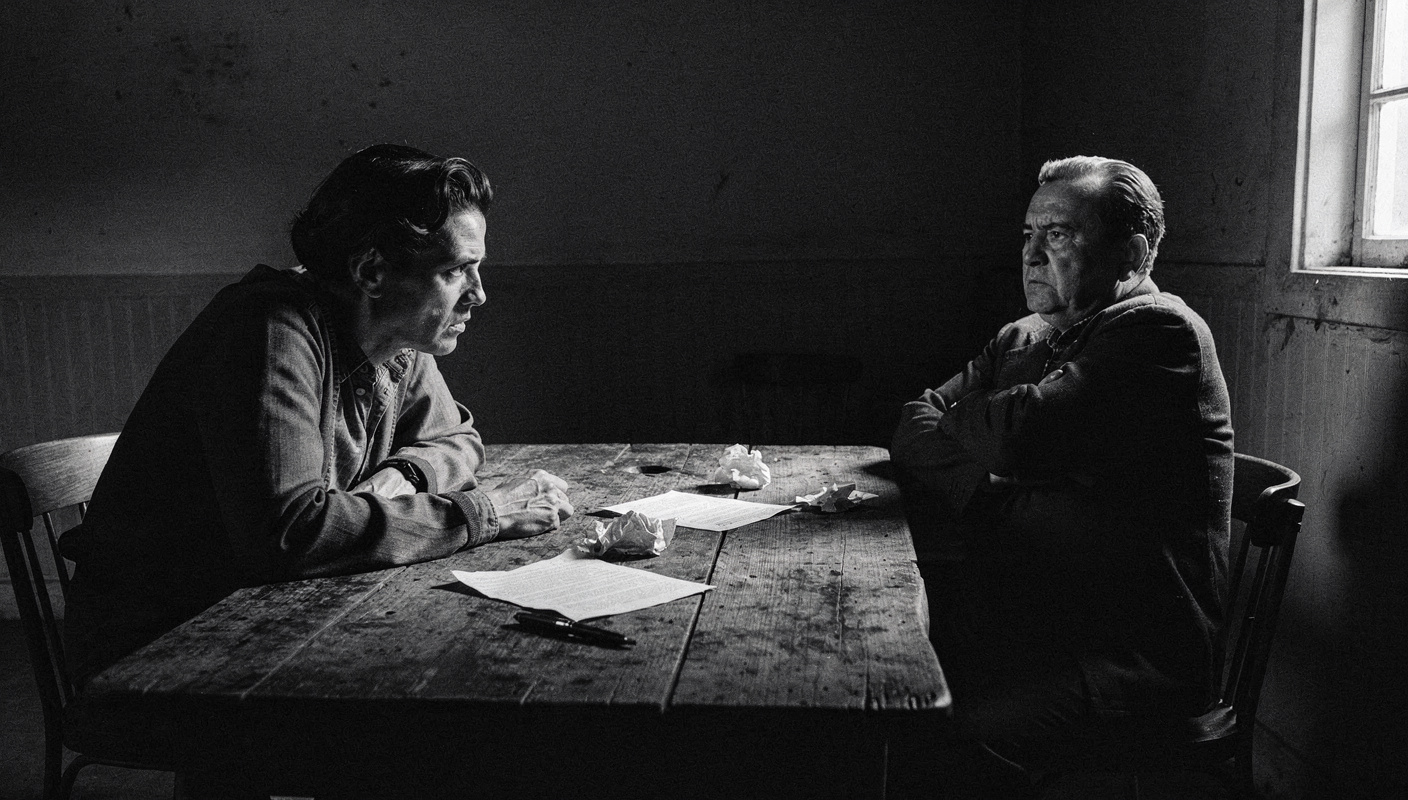
I watched a colleague lose a significant contract dispute not because he was wrong, but because he could not prove he was right. The other party claimed a verbal commitment had never been made. My colleague remembered the conversation clearly. So did the other side, just differently. There was no record. No summary email. No contemporaneous note. Nothing to document conflict in the negotiation beyond two conflicting memories, and a memory in dispute is no evidence at all.
That moment cost him more than the contract. It cost him credibility. I have thought about it ever since, because the fix was not complicated. It just required discipline before things went wrong, not after.
This article gives you a clear, practical system for documenting conflict during a negotiation so that when a dispute resurfaces, you are the one with the record.
Why Capturing Disputes in the Moment Is So Difficult
The problem is not laziness. Most people in a negotiation are concentrating hard on the conversation itself: reading the room, choosing their words, managing their own reactions. Writing things down feels like a distraction, or worse, a signal of distrust.
There is also a natural human optimism at play. When a negotiation seems to be progressing, people assume the goodwill will last. They tell themselves they will remember what was said. They trust the relationship to carry the day if anything becomes unclear later.
The trouble is that conflict in a negotiation does not always announce itself. One session feels productive, two parties leave with different understandings of what was agreed, and three weeks later those understandings collide. By then, the details are gone. Only the positions remain.
If you want to handle conflict during meetings and protect yourself when it resurfaces, you need a system running from the very beginning, not a scramble when things break down.
"The Conversation You're Avoiding Is the One You Need to Have."
"The Conversation You're Avoiding
Is the One You Need to Have."
Stop rehearsing conversations you'll never have. Say It Right Every Time gives you 115 word-for-word scripts and 16 proven frameworks to speak with confidence in every conversation that matters.
What You Need Before the First Session Begins
Before any step-by-step process can work, two things must be in place.
First, you need a dedicated space for your record. This can be a physical notebook used only for this negotiation, or a secure digital document. It does not matter which, as long as it is consistent, dated, and accessible only to you until you choose to share from it.
Second, you need to make peace with the act of note-taking as a professional norm, not a sign of conflict. If you feel you need to hide the fact that you are keeping a record, your documentation will be incomplete. Taking notes openly, and framing it simply as good practice, removes the awkwardness before it starts.
A Six-Step System for Documenting Conflict During Negotiations
Step 1: Open a Conflict Log Before Disagreement Appears
Start your record at the first session, not when tension arrives. A log that begins only after things go wrong carries less credibility than one built from the opening exchange.
Create a header for each session: date, location, names of everyone present, and the stated purpose of the meeting. This takes two minutes and sets the foundation for everything that follows.
If you begin only when trouble arrives, the other party may reasonably question why you started. When the record predates the conflict, that question disappears.
Step 2: Record Positions, Not Interpretations
The most common documentation error is writing down what you think the other party meant rather than what they actually said. Your interpretation has no value in a dispute. Their words do.
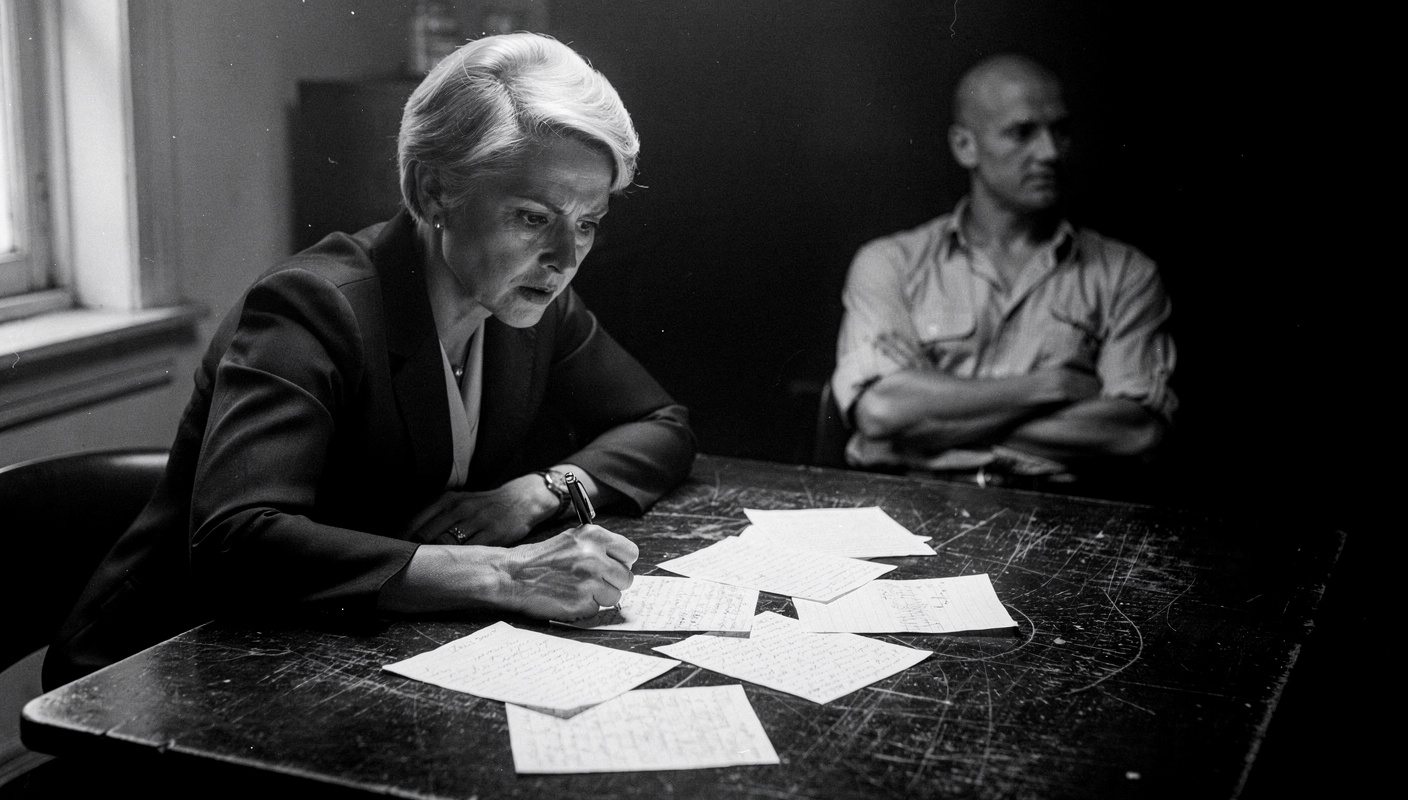
When a contested point arises, note it in direct language: "Party A stated that delivery would occur by the 15th. Party B stated the 15th was aspirational, not contractual." Write what each party claimed, in plain terms, without editorialising.
If you are uncertain of the exact words, write your closest recollection immediately and flag it: "approximate." Do not improve the record later. A rough contemporaneous note outweighs a polished reconstruction made from memory.
Step 3: Flag Every Point of Disagreement Explicitly
Do not bury a contested point inside a paragraph of general notes. Mark it. Use a clear signal, whether that is a margin symbol, a bold heading, or a separate section titled "Points in Dispute." The conflict must be immediately findable in your record.
For each flagged dispute, note: the subject of disagreement, each party's stated position, and whether the point was deferred, partially resolved, or left open. This structure turns your notes from a narrative into a usable reference.
This discipline also forces you to stay clear-headed during the negotiation itself. When you know you must describe a dispute in writing, you listen more precisely to what is actually being said.
Step 4: Send a Summary Email Within 24 Hours
This is the step most people skip, and it is the one that carries the most weight later.
After every session where a significant point was disputed or agreed, send a short, factual summary to the other party. Do not wait for a follow-up meeting. Do not assume the other party has the same understanding you do.
The email might read: "Following our session today, I want to confirm my understanding of where we landed. On the question of delivery timelines, my understanding is that we agreed to revisit this at our next meeting, with no commitment made today. On pricing, we agreed in principle to the figures discussed, subject to written confirmation. Please let me know if your understanding differs."
This email does three things. It creates a contemporaneous record. It gives the other party the opportunity to correct any misunderstanding immediately. And if they do not respond to dispute your summary, their silence becomes part of your record.
For complex negotiations, the D.E.A.L. method for resolving disagreements about feedback can help you structure these summaries so they address the real point of contention without inflaming it further.
Step 5: Record Verbal Commitments Word for Word
Verbal commitments are the most dangerous element of any negotiation. They are made quickly, remembered selectively, and denied easily. When someone says "we can make that work" or "consider it done," write it down immediately, along with the full context.
After the session, if a commitment was significant, refer back to it in your summary email with the specific language used: "You indicated during today's session that the additional resource could be allocated, in your words, by end of quarter." This gives the other party a chance to clarify and locks the language into a shared record.
When the stakes are high enough, it is entirely reasonable to say directly: "That is an important commitment. I am going to note that so we both have a record." Most people respect that. Those who do not are giving you important information about how carefully you need to document everything that follows.
Step 6: Compile a Running Summary After Each Session
Your session notes and emails are raw material. After each meeting, take ten minutes to compile a one-page running summary: what was agreed, what remains disputed, and what has been deferred. Keep it factual and chronological.
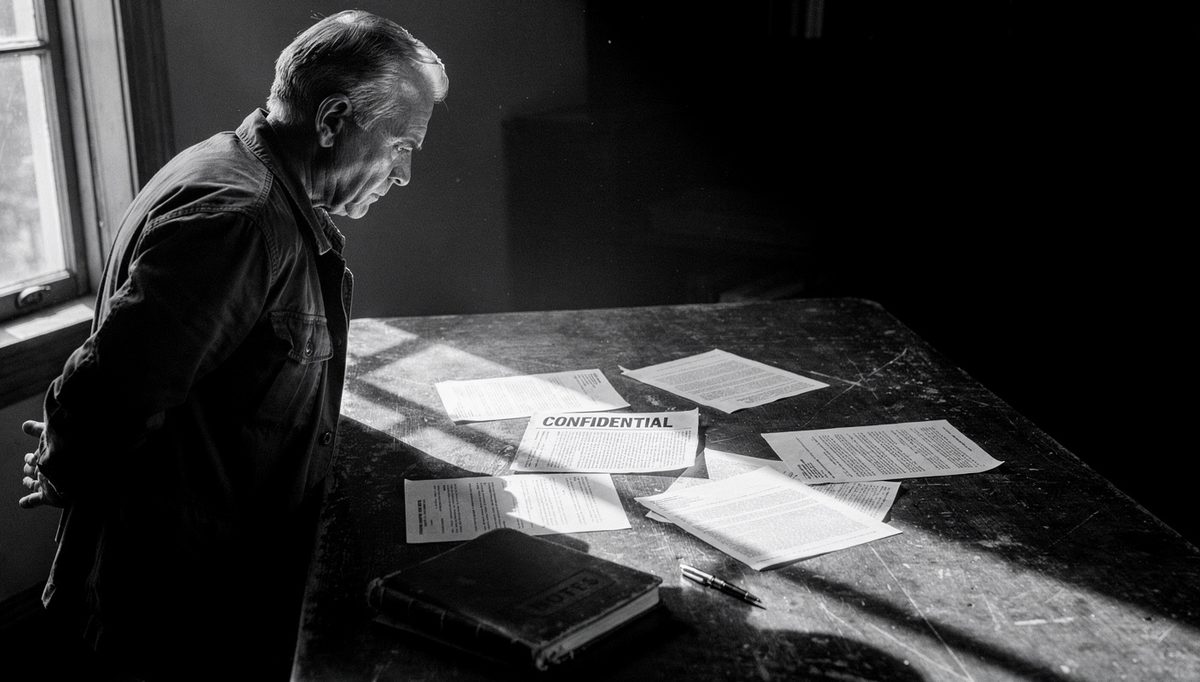
This document is not for sharing. It is your master record. It means that if the negotiation breaks down at session six, you can trace the full arc of the dispute back to its roots, with dates, positions, and commitments clearly mapped.
If matters escalate toward formal dispute resolution, this is the document you hand to a mediator or legal adviser. A clear, chronological record built in good faith is far more useful, and far more credible, than a hurried reconstruction assembled after the relationship has collapsed.
For situations where tensions are already running high, de-escalating arguments during meetings can help you stay composed enough to keep your documentation accurate and your record clean.
Adapting This System for Remote Negotiations
Remote negotiations introduce a specific risk: the informal channel. Side conversations happen over messaging apps. Agreements are floated in a video call chat window and disappear. Decisions are made verbally between participants who are not all on the same call.
In a remote context, treat every channel as part of the record. Screenshot chat messages immediately. Copy relevant message threads into your conflict log with dates. If a commitment is made over a messaging app, follow it immediately with an email confirmation: "Just to capture what we discussed on the call today..."
Video recordings of sessions, where all parties consent, can be invaluable. But do not rely on them as your primary record. A recording requires someone to review hours of footage. A clean, timestamped summary is faster to use and easier to cite.
Staying grounded during tense workplace conversations is harder over a screen, where you cannot read body language as clearly. Make your documentation more precise in remote settings, not less, because the cues you rely on in person are missing.
Three Mistakes That Undermine Your Record
The mistake: Starting the log only after conflict appears.
Why it happens: People believe goodwill will hold and do not want to signal distrust.
What to do instead: Open your conflict log at the first session, as standard practice, before any tension exists.
The mistake: Writing interpretations rather than direct quotes.
Why it happens: It feels more useful to record meaning than literal words.
What to do instead: Record the actual words used, flag approximations, and leave interpretation out of the log entirely.
The mistake: Sending summary emails only when something feels wrong.
Why it happens: It seems unnecessary when the session went well.
What to do instead: Send a brief summary after every substantive session, including productive ones. A consistent pattern is more credible than a selective one.
Understanding why disputes escalate in the first place can sharpen how you document them. How unmet needs drive team conflict offers a useful lens for reading what is really happening beneath the surface of a contested point.
When two colleagues are entrenched and refusing to engage, the same documentation principles apply. Defusing tension between colleagues who refuse to cooperate walks through how to structure those difficult conversations, which in turn makes them easier to document accurately.
Your Negotiation Conflict Documentation Checklist
Use this before, during, and after every session.
Before the session:
- Open or update your conflict log with the session date, location, and attendees.
- Review the running summary from the previous session and note any unresolved points to watch.
During the session:
- Record each party's stated position on every contested point in plain, direct language.
- Flag each point of disagreement explicitly in your notes.
- Write down verbal commitments using the speaker's actual words, as closely as possible.
- Note whether each disputed point was resolved, deferred, or left open.
Within 24 hours of the session:
- Send a factual summary email to the other party confirming your understanding of agreements and open disputes.
- Update your running summary document with new agreements, new disputes, and any shift in positions.
- Attach any relevant correspondence, drafts, or reference materials to your central record.
For broader conflict resolution across teams, the D.E.A.L. method for resolving conflicts that fracture team synergy pairs well with this documentation system. It gives the conversation a structure; this checklist gives the record one.
Frequently Asked Questions (FAQ)
What does it mean to document conflict during a negotiation?
To document conflict during a negotiation means to create a written, timestamped record of disputed points, verbal commitments, and contested claims as they arise. It gives you a reliable, contemporaneous account of what was said and agreed, so memory does not become the only evidence when a dispute resurfaces later.
How do you document conflict negotiation disputes in real time?
Write brief, factual notes immediately after each exchange. Record the date, who spoke, and exactly what was said or agreed. Avoid interpretation. Send a short summary email to the other party within 24 hours of any significant exchange to create a contemporaneous, mutually acknowledged record.
Why is a written record important in a negotiation conflict?
Verbal agreements fade and memories diverge, especially when stakes are high. A written record creates a shared reference point that either party can return to. It reduces the risk of disputes escalating into he-said-she-said arguments and gives you credible evidence if the matter reaches formal resolution.
What should you include when you document conflict during a negotiation?
Record the date, time, and location of each exchange. Note who was present, what position each party stated, and any commitments made. Flag every point of disagreement clearly. Include the exact words used where possible. Attach any relevant correspondence, drafts, or reference documents to your central record.
How do you document conflict negotiation disputes without damaging the relationship?
Frame documentation as professional practice, not suspicion. Say something like: "I want to make sure we both have an accurate record of where we landed today." Keep your notes factual and neutral, never accusatory. Send summary emails in a collegial tone. Documenting carefully signals seriousness, not mistrust.
When should you start documenting conflict in a negotiation?
Start from the first session, before any conflict appears. A record built from the beginning is far more credible than one started only after things go wrong. If you begin documenting only when trouble arrives, the other party may question your motives and the value of the record is reduced.
Can a summary email count as documentation in a negotiation conflict?
Yes. A summary email sent promptly after a session, which the other party does not contradict, carries real weight as a contemporaneous record. It is not legally binding on its own in most cases, but it establishes what both parties understood at the time, which is often exactly what is disputed later.
Build the Record Before You Need It
Here is the truth of it: the value of good documentation is invisible right up until the moment you desperately need it. By then, it is too late to build it. The record you keep from the very first session is the one that protects you six months later, when the other party's memory has conveniently shifted.
This is not about suspicion. It is not about preparing for war. It is about respecting the complexity of human communication enough to write things down while they are fresh, clear, and undisputed.
The system I have described takes perhaps fifteen minutes per session to maintain. The cost of not having it, when a dispute resurfaces and you have nothing but your word against theirs, is far higher than that.
Your first step is simple. Before your next session, open a document, write today's date, and note who will be in the room. That is your conflict log started. To document conflict negotiation disputes consistently from that point forward, follow the six steps and use the checklist after every session. The ground you stand on later is built in the moments you take seriously now.