
In Short
When conflict erupts in a live negotiation, continuing to talk rarely helps. A private caucus stops the damage by separating the parties before words become permanent.
- It gives each side space to reset emotionally without losing face in front of the other party.
- It lets you reassess your position privately and return with a cleaner, calmer approach.
- It only works if you know exactly when to call it, what to do inside it, and how to return well.
A private caucus in conflict resolution is a structured pause in a live negotiation where the parties separate into different spaces to speak confidentially, either with a mediator or within their own team, before returning to the joint session with renewed focus and reduced emotional charge.
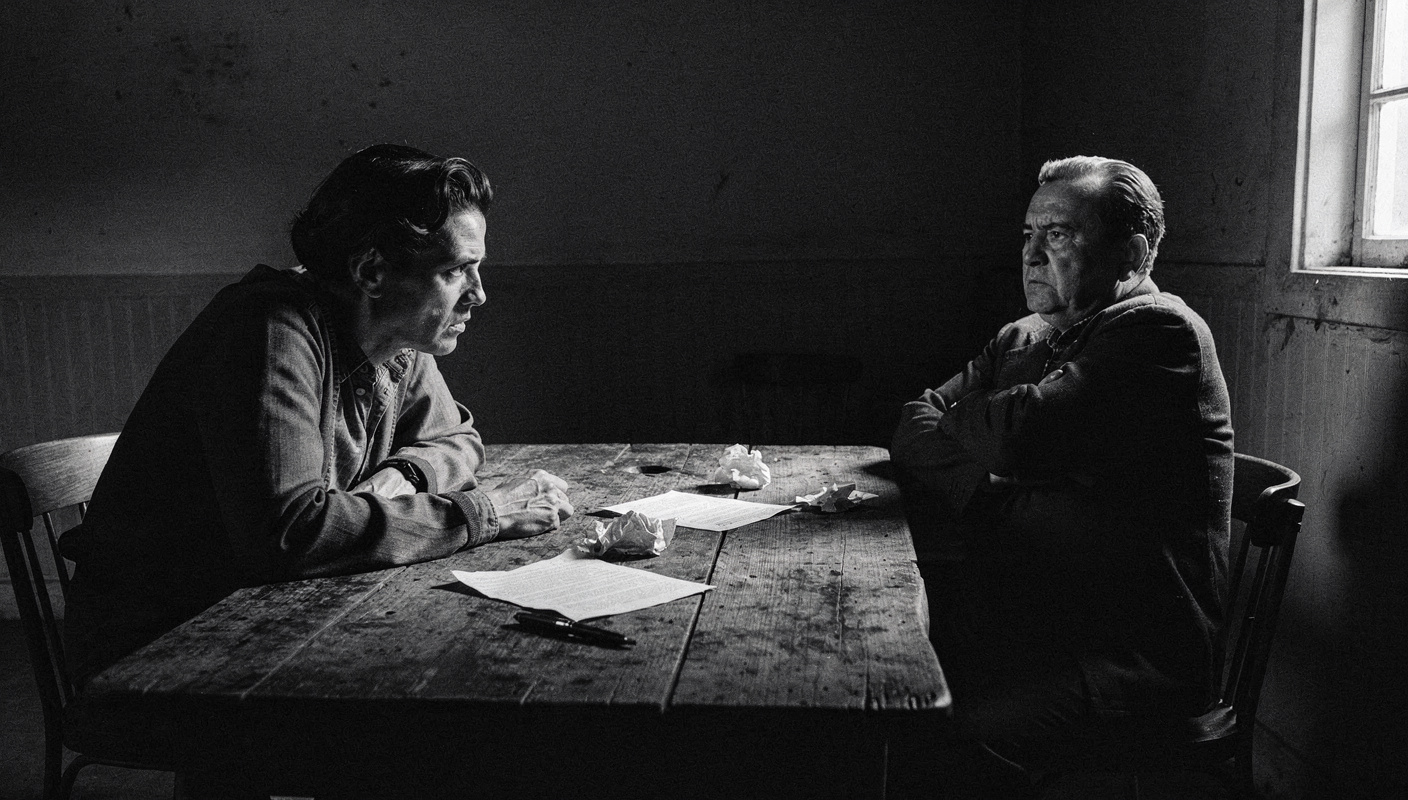
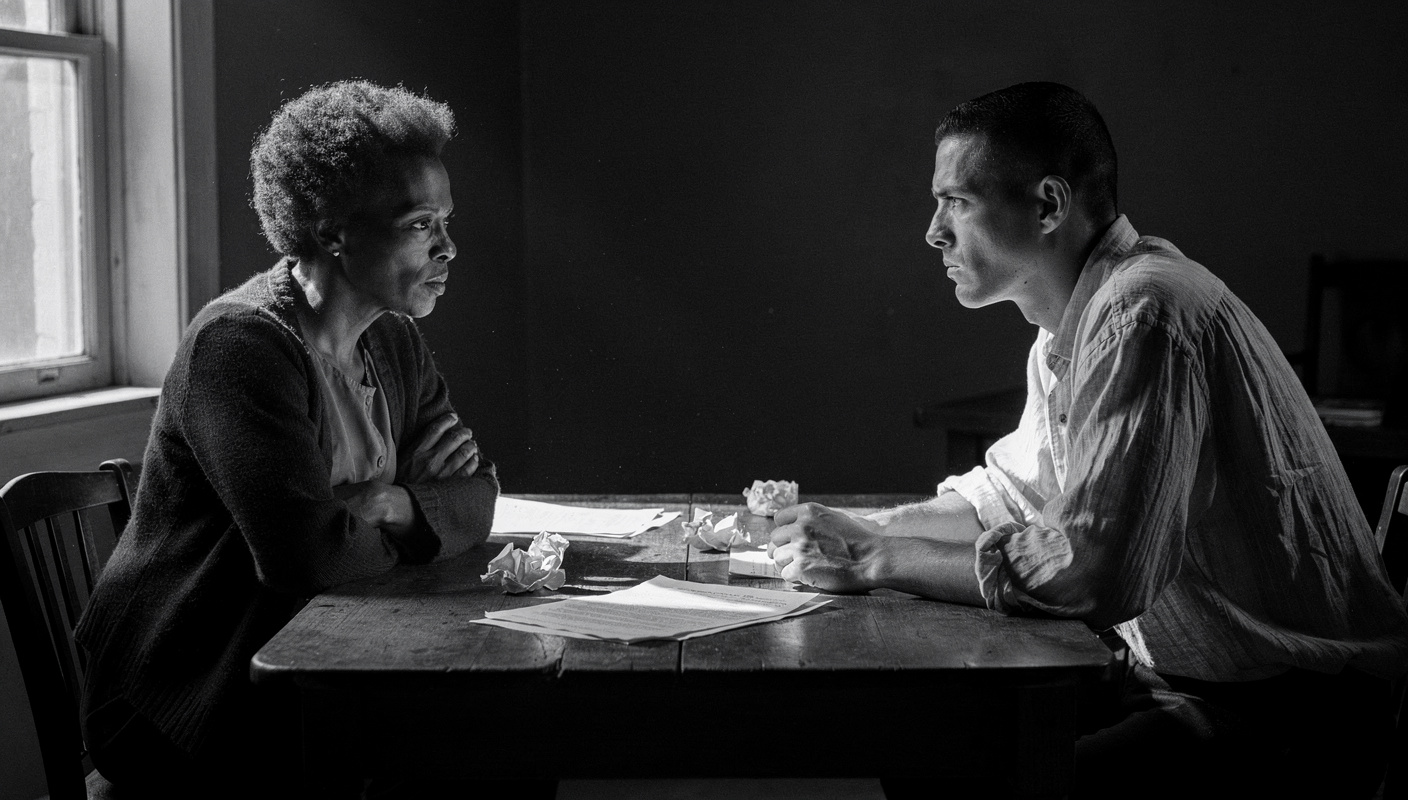
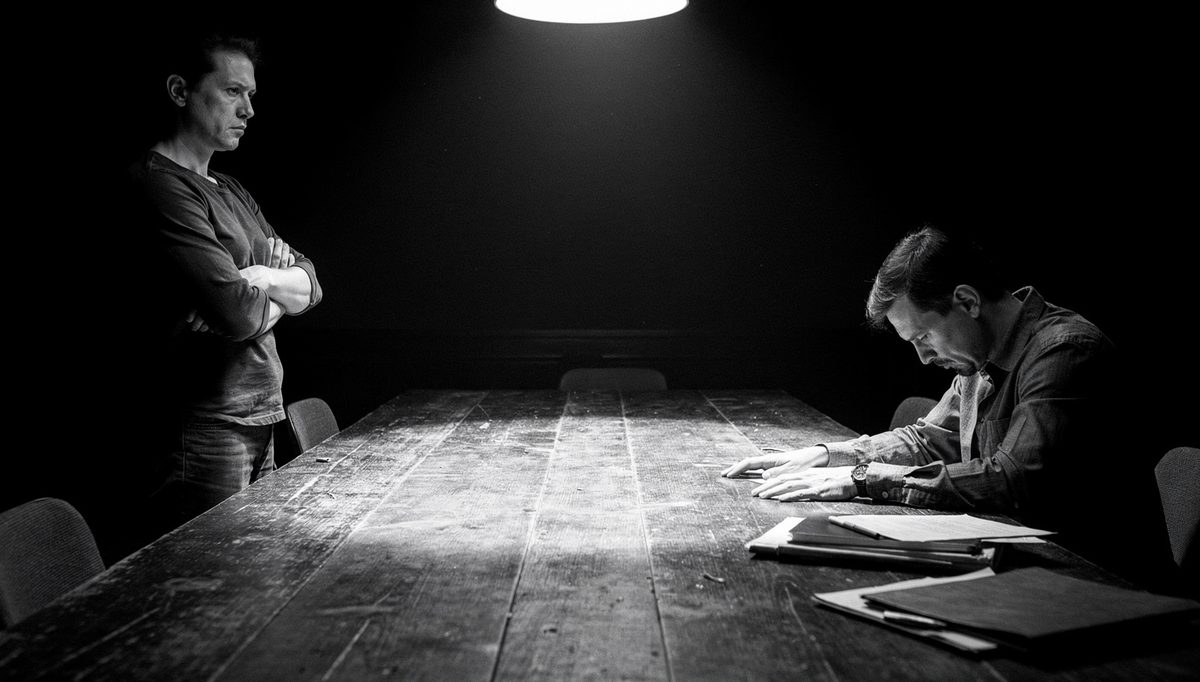
There is a moment in any negotiation where you can feel the room tipping. Someone's voice gets sharp. A sentence lands harder than intended. The other party goes very still, or very loud. In that moment, most people do the worst possible thing: they keep talking. I watched a three-month commercial deal collapse in forty minutes because neither side had the courage to stop the conversation before it became a war. The subject was a pricing disagreement. What it became was a fight about respect. Using a private caucus in that moment would not have been a retreat. It would have been the most skilled move available. A private caucus is a deliberate separation of negotiating parties during a live conflict, designed to cool the temperature so that productive dialogue can resume. In this article, I will give you the exact process for using one.
Why Conflict in a Live Negotiation Is a Different Problem
Conflict in a negotiation is not the same as conflict in a meeting or a difficult conversation. The stakes are explicit. Both parties have positions they arrived with and face the social pressure of defending them. When emotions rise, they do not just cloud thinking. They reactivate the original grievances, the ones that existed before this negotiation even started.
Here is the particular cruelty of it. The longer conflict goes on in a live session, the more each party invests in their position rather than in the outcome. What began as a disagreement about terms becomes a test of who will blink first. At that point, the substance of the negotiation is no longer driving the conversation. Pride is.
A private caucus breaks that loop. But it only works if you treat it as a deliberate tool rather than a vague timeout. That distinction matters more than almost anything else I will say in this article.
"The Conversation You're Avoiding Is the One You Need to Have."
"The Conversation You're Avoiding
Is the One You Need to Have."
Stop rehearsing conversations you'll never have. Say It Right Every Time gives you 115 word-for-word scripts and 16 proven frameworks to speak with confidence in every conversation that matters.
What Needs to Be True Before You Call a Private Caucus
You cannot caucus your way out of every impasse. Some preconditions need to be in place before the technique has any real chance of working.
First, you need enough standing in the room to call one. If you are a participant rather than a mediator, you need to frame the pause as a professional move rather than a withdrawal. If you are chairing or mediating the session, you have more latitude, but you still need both parties to accept the pause without interpreting it as a signal that the deal is dead.
Second, the other party needs to remain in the room. A private caucus is not a walkout. If either side leaves the building, the session is over. This means you need to propose the separation before the temperature reaches the point where one party exits on their own terms.
Third, you need a plan for what happens inside the caucus. Walking into a private conversation with your own team and saying "well, that was a mess" is not a plan. You need to know what you are trying to reset, what you are willing to move on, and what you will say when you return. If you walk back into the joint session without that clarity, you will recreate the same conflict within five minutes.
How to Run a Private Caucus: The Step-by-Step Process
Step 1: Read the Room Early Enough to Act
The moment to call a private caucus is before the conflict peaks, not after. Watch for the signals. Voices sharpening, bodies pulling back, responses becoming shorter and more clipped, or conversely, someone talking too fast and too much. When you notice two of those signals together, that is your window.
I have made the mistake of waiting to see if things settled. They did not. By the time the language became personal, both parties had said things they could not take back, and the caucus that followed was damage repair rather than prevention. Call it early. You do not need to justify it with a long explanation.
Step 2: Frame the Caucus as a Tool, Not a Retreat
The words you use to call the caucus carry enormous weight. If you frame it as a response to someone's behaviour, it assigns blame. If you frame it as a sign of weakness or confusion, you lose credibility at the table. Frame it as a routine professional move that serves everyone.
Try this: "I think we would all benefit from fifteen minutes to gather our thoughts before we continue. Let's take a short break, regroup separately, and come back together at half past."
That sentence does four things. It proposes a specific duration. It suggests separation without making it sound punitive. It sets a return time so neither party feels abandoned. And it implies that both sides are using the time productively, which is exactly what you need the other party to believe.
For a deeper look at how tension management techniques work in tense workplace conversations, the C.O.R.E. Framework offers a strong complementary approach for staying grounded when the pressure builds.
Step 3: Separate the Parties Cleanly
Once the caucus is agreed, move quickly and cleanly. Do not let the parties linger in the same space. Informal conversation in the corridor or around the coffee machine during a charged break can deepen the conflict rather than reduce it. If you are mediating, escort one party to a separate room yourself.
Make clear that conversations during the caucus are confidential unless a party explicitly asks you to carry a message to the other side. This confidentiality is what gives each party permission to speak honestly. Without it, they will perform for an audience that is not even present, which defeats the entire purpose.
Step 4: Inside the Caucus, Separate Emotions from Positions
The first few minutes inside a private caucus often feel like venting. Let it happen briefly. People need to name what they felt before they can think clearly about what they want. Give it two or three minutes, then redirect.
Ask this: "What do we actually need from this negotiation that we have not yet said clearly at the table?"
That question shifts the focus from what happened to what is still possible. It moves the conversation from positions, what each side is demanding, to interests, what each side actually needs. Often, the conflict that erupted was about a position that neither party would have defended as fiercely if the underlying interest had been named earlier.
This is also the moment to reality-test. If your side made a threat or issued an ultimatum during the joint session, ask honestly whether you can follow through and whether doing so serves your actual goal. If the answer is no, the caucus is your opportunity to walk it back gracefully when you return.
If your team is struggling with the deeper drivers of the conflict, understanding how unmet needs fuel negotiation conflict can help you identify what is really going on beneath the surface before you return to the table.
Step 5: Prepare Exactly What You Will Say When You Return
This step is where most people are careless, and it is the step that determines whether the caucus actually works. You need to return with a concrete opening statement, not a vague intention to "be more collaborative."
Write it down. Literally. Something like: "We have had a chance to think about where we got stuck, and we want to come back to the question of timeline with a different approach. Here is what we are prepared to offer."
That structure does three things. It acknowledges the impasse without dwelling on it. It signals a genuine move rather than a repositioning of the same argument. And it gives the other party something new to respond to rather than returning them to the same battlefield.
Step 6: Return to the Joint Session with Control and Clarity
Walk back into the room with a settled physical presence. The other party will read your body language before you say a word. If you return looking relieved or anxious, you signal that the caucus was about survival rather than strategy.
Open with your prepared statement. Deliver it at a measured pace. Then stop talking and let the other party respond. One of the most common errors after a caucus is filling silence with nervous over-explanation, which unravels the reset you just achieved.
If the other party returns with fresh aggression, that is information. It tells you that the caucus did not resolve their core concern and that another approach may be needed. At that point, you can consider a second, shorter caucus, or you can shift to a shuttle approach where a mediator carries proposals between the rooms.
For situations where conflict has created a deeper breakdown between parties, the B.R.I.D.G.E. Method offers a structured path to rebuilding the working relationship after the immediate negotiation conflict has passed.
Step 7: Lock In the Forward Momentum
Once productive dialogue resumes, move toward a concrete next step within the first ten minutes. This is not about rushing to close. It is about anchoring the reset in something tangible before the emotional residue of the earlier conflict reasserts itself.
Summarise what has been agreed so far. Name the next specific issue to be addressed. Keep the session forward-looking. The conflict that erupted earlier is not the subject anymore. The outcome is.
When the Caucus Happens Remotely
Running a private caucus during a remote negotiation presents a specific challenge. You cannot physically separate parties into different rooms, and the informal signals that tell you when conflict is peaking are harder to read on a video call.
The mechanism is straightforward enough: end the main call, create a breakout or a separate call with each party, then reconvene. But the framing requires extra care. On a video call, calling a caucus can feel more abrupt and potentially more alarming because the main session simply ends. Be explicit about the process before you propose it.
Try: "I am going to end this call for twenty minutes. I will reach out to each of you separately, and then I will send a link to reconvene at three o'clock. This is a normal part of the process."
The phrase "this is a normal part of the process" carries significant weight when conflict has made the room uncertain. It signals competence rather than crisis. If you are running negotiations between teams who rarely meet face to face, managing conflict during meetings in a remote or hybrid context provides useful background on the dynamics at play before you ever reach the point of needing a caucus.
Where People Get This Wrong
The mistake: Waiting too long to call the caucus. Why it happens: Calling a pause can feel like admitting the session has failed, so people keep hoping the conflict will resolve itself. What to do instead: Treat an early caucus as a professional signal of skill, not weakness. The earlier you intervene, the more control you retain.
The mistake: Using the caucus to vent rather than to prepare. Why it happens: The private space of the caucus feels like a release valve, and it is easy to spend the entire time debriefing what went wrong. What to do instead: Allow two minutes for emotional release, then redirect the conversation firmly toward what you will say and offer when you return.
The mistake: Returning without a specific opening statement. Why it happens: People assume that having "calmed down" is sufficient preparation. What to do instead: Write down your opening statement before you walk back in. Specific words, not a general intention.
The mistake: Sharing confidential information from one party's caucus with the other. Why it happens: In an attempt to broker agreement, a mediator or chair sometimes reveals too much. What to do instead: Carry only what a party explicitly asks you to convey. Guard the confidentiality of each caucus absolutely.
If you are dealing with colleagues who have entrenched positions and refuse to move, the D.E.A.L. Method offers a practical framework for defusing that specific kind of deadlock.
Your Private Caucus Field Checklist
Use this before, during, and after a caucus.
Before you call it:
- Have you spotted at least two conflict signals: sharp tone, personal language, ultimatums, or withdrawal?
- Is the temperature high enough to warrant separation but not yet so high that a party has walked out?
- Do you have enough standing in the room to frame the pause as a professional move?
When you call it:
- Did you propose a specific duration and a specific return time?
- Did you frame it as a forward-looking tool rather than a response to bad behaviour?
- Have you ensured the parties are physically separated quickly?
Inside the caucus:
- Did you allow brief emotional release before redirecting?
- Have you asked: "What do we actually need that we have not yet said at the table?"
- Have you reality-tested any threats or ultimatums made during the joint session?
- Do you have a written opening statement prepared for your return?
Returning to the table:
- Are you walking back in with a settled physical presence?
- Did you open with your prepared statement rather than an apology or a recap of the conflict?
- Did you stop talking after your opening and let the other party respond?
- Did you anchor the resumed session in a concrete next step within the first ten minutes?
For a broader structured approach to resolving conflict that is fracturing collaboration across a team, the D.E.A.L. Method applied to team synergy pairs well with the caucus technique once the immediate heat has been addressed.
The Difference Between a Pause and a Reset
There is nothing passive about a private caucus. It is not a timeout called because you do not know what else to do. It is a deliberate intervention in a conflict that, left unchecked, will cost both parties the outcome they came to the table to achieve.
The sessions I have seen recovered from the brink were rarely saved by a brilliant argument or a clever concession. They were saved by someone with the composure to stop the conversation before it became irreversible, to use the pause wisely, and to walk back in prepared.
For situations where arguments are escalating in real time and you need a toolkit beyond the caucus, de-escalating arguments during meetings gives you additional techniques to draw on.
This much I know for certain: the skill in a private caucus conflict situation is not in the separation. It is in what you do with the time, and in the quiet confidence you carry back into the room. That confidence is not manufactured. It is earned inside the caucus, through honest thinking and careful preparation, minute by minute.
Frequently Asked Questions (FAQ)
What is a private caucus in conflict negotiation?
A private caucus is a deliberate break in a live negotiation where the parties separate into different rooms and speak confidentially with a mediator or their own team. It gives each side space to process emotions, reassess their position, and return to the table with clearer thinking.
When should you call a private caucus during a negotiation?
Call a private caucus when emotions are running hot enough to block rational discussion, when one party issues an ultimatum, when communication has broken down into personal attacks, or when you need to reality-test your own side privately before making a concession or changing your stance.
How long should a private caucus last in a negotiation?
Most private caucuses last between ten and thirty minutes. Shorter than ten minutes rarely gives emotions time to settle. Longer than forty-five minutes risks the other party feeling abandoned or suspicious. Agree on a return time before the parties separate so neither side feels kept waiting.
What do you say to call a private caucus without damaging trust?
Keep the language neutral and forward-looking. Try: "I think we would all benefit from fifteen minutes to gather our thoughts before we continue." This frames the caucus as a practical tool, not a sign of weakness or hostility, and it does not assign blame to either party for the tension.
Can a private caucus backfire during a conflict negotiation?
Yes. If it is called too late, the damage may already be done. If it is used to stall rather than to reset, the other side will sense it. And if you return to the joint session without a clear plan, the same conflict resumes exactly where it stopped. Preparation inside the caucus is what determines whether it works.
How is a private caucus different from simply taking a break?
A general break keeps both parties in the same space, which means the tension continues informally. A private caucus physically separates the parties, allows confidential conversation that cannot happen in the joint session, and creates a structured reset with a specific return time and purpose.