
In Short
Negotiating team conflict is more dangerous than a difficult counterpart. When your own side fractures, the other party does not need to defeat you; they only need to wait.
- Resolve all strategic disagreements before you enter the negotiation room.
- Use a caucus, not open debate, if conflict surfaces during active talks.
- Establish role clarity and a decision hierarchy before any session begins.
Negotiating team conflict is disagreement between members of the same negotiating side regarding strategy, priorities, authority, or approach. It can occur before, during, or after a session, and it poses a direct threat to the team's ability to hold a unified position at the table.
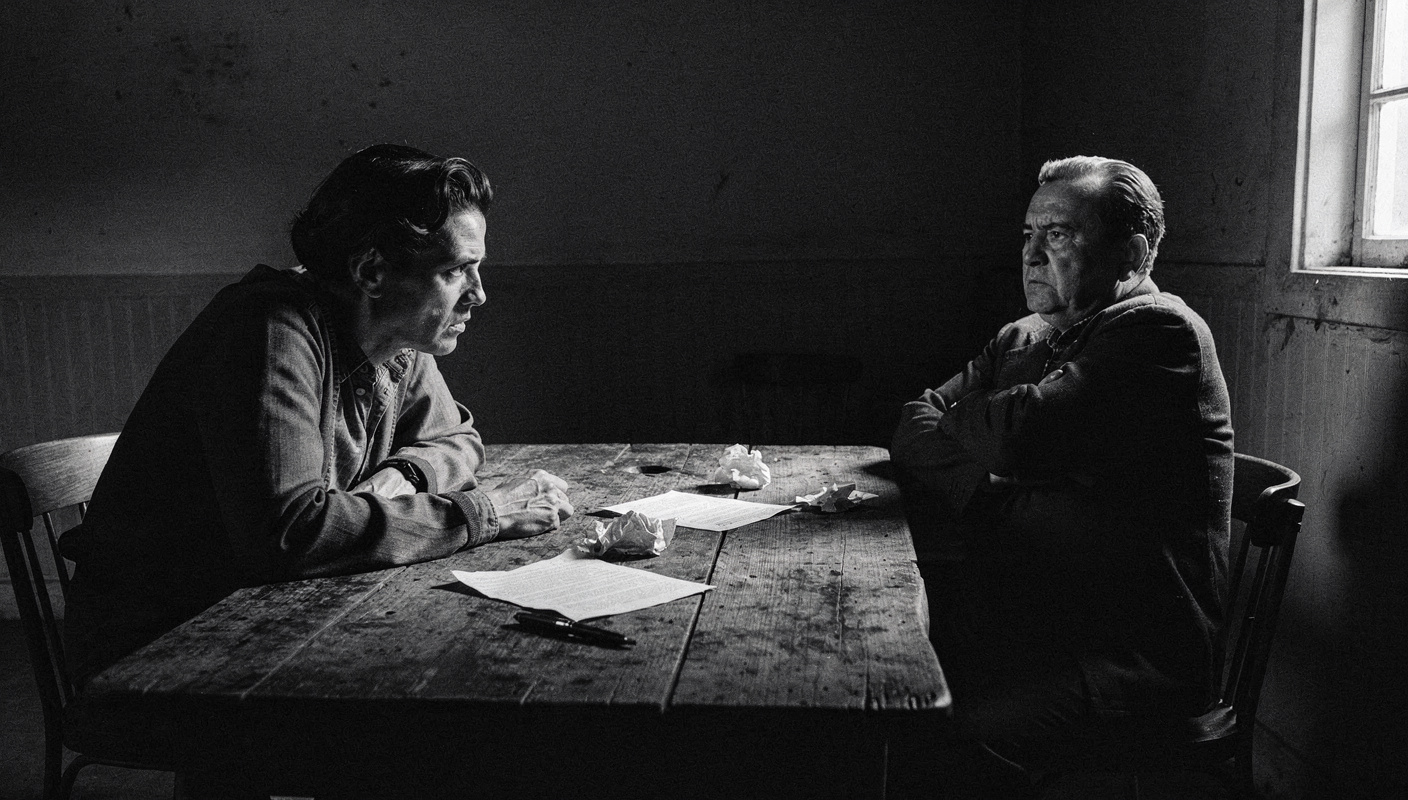
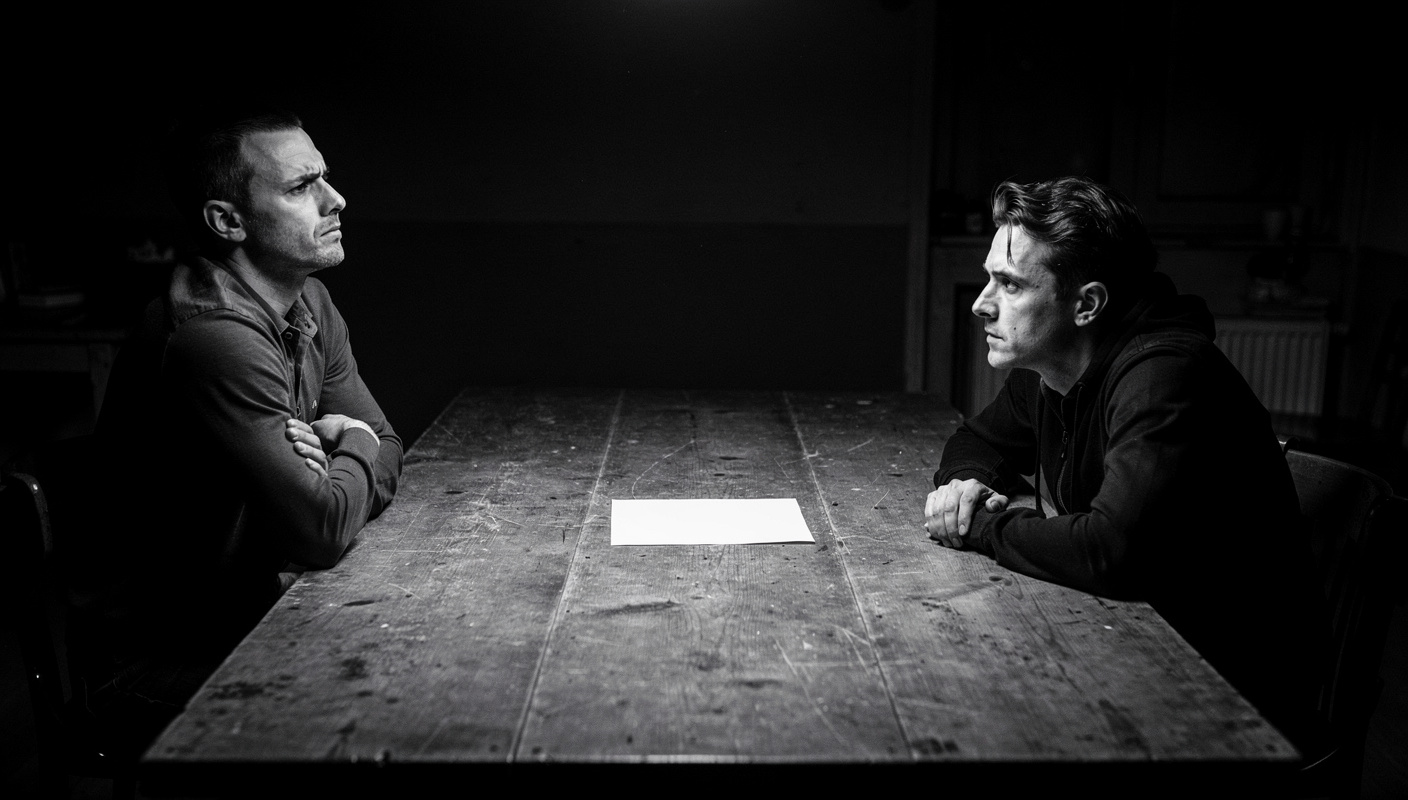
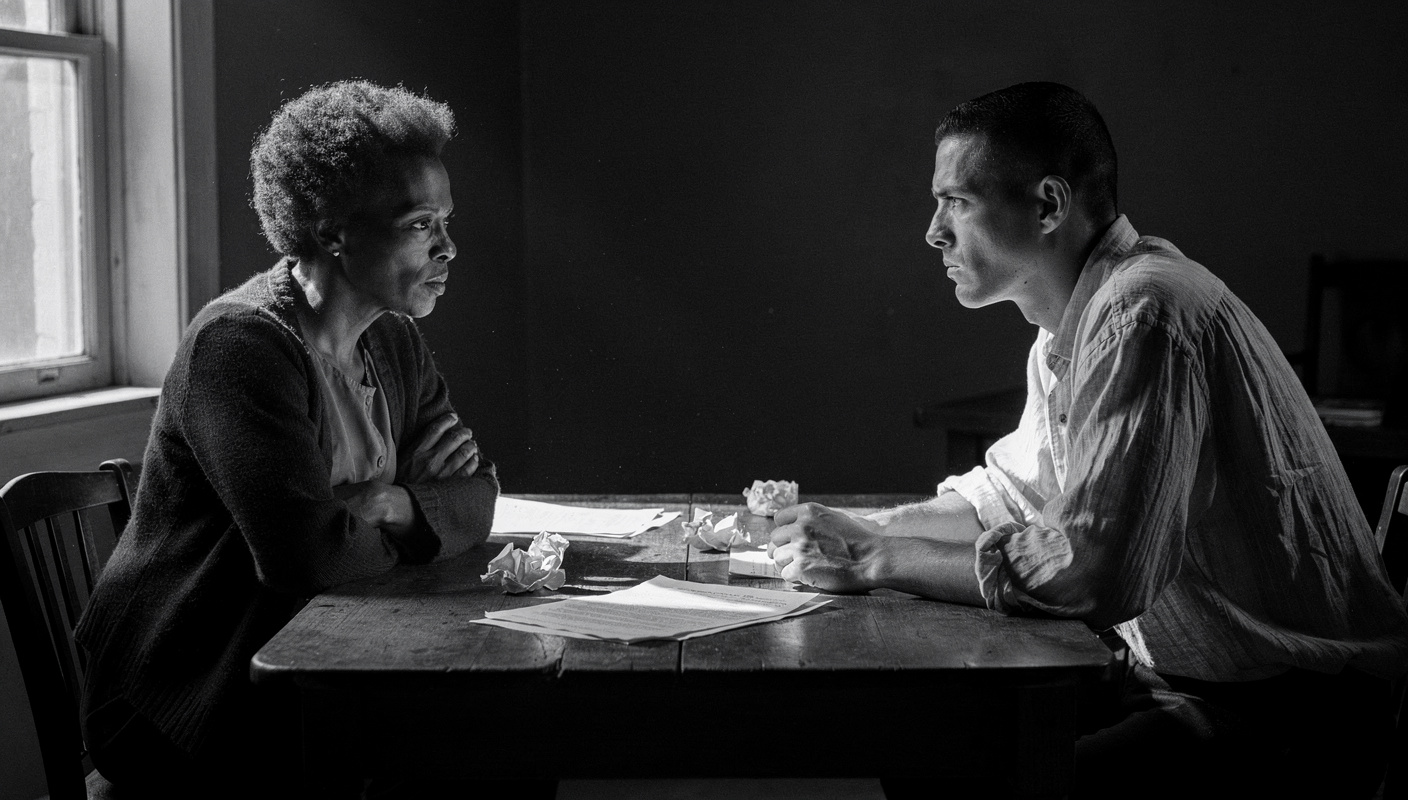
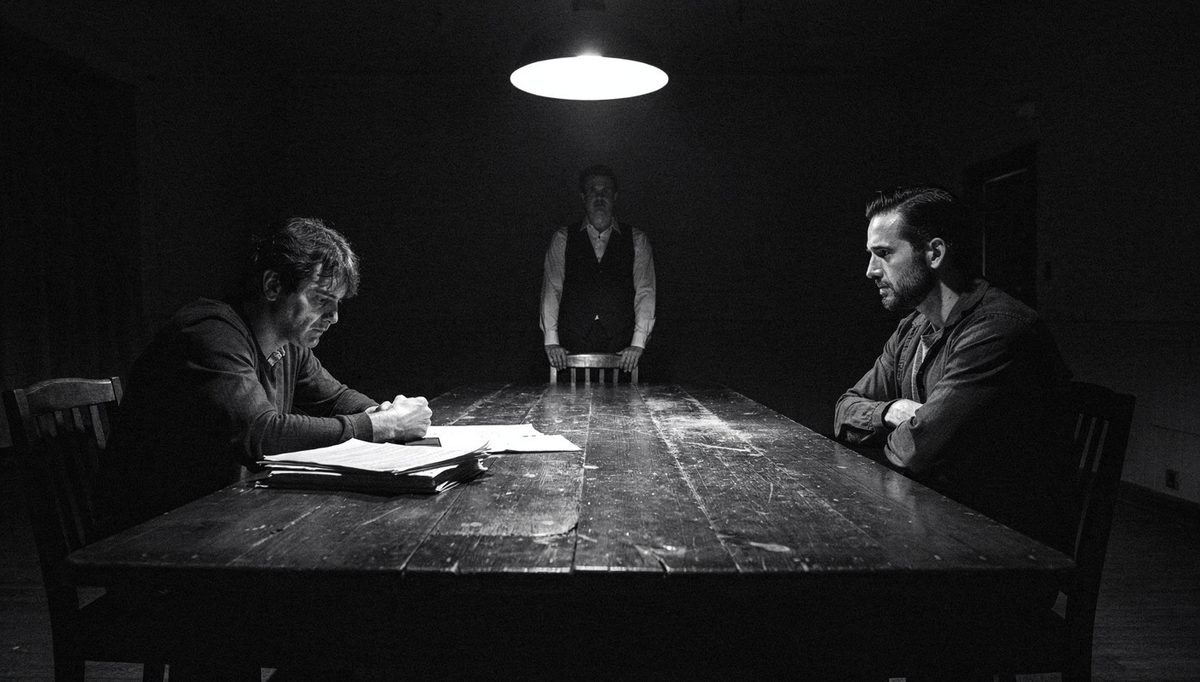
I watched a deal fall apart once, and the other party barely lifted a finger. The team I was advising started disagreeing with each other in front of the counterpart, quietly at first, then visibly. One member made a concession the others had not agreed to. Another contradicted it thirty seconds later. By the time they called a break, the damage was done. The counterpart had seen the fracture and knew exactly where to press. That is the real danger of negotiating team conflict: it hands your opponent a map to your weakest point before they have even made their first move.
This is harder to fix than most people expect, because the instinct is to suppress disagreement rather than resolve it. You tell yourself the team will hold together once you are in the room. They rarely do. What follows is the process I have used and refined over decades to catch conflict early, address it honestly, and give your team the best possible chance of walking in as one.
Why Conflict Inside Your Own Team Is So Difficult to Handle
Most negotiation training focuses on the person across the table. That is the visible threat. The hidden one is the colleague sitting beside you who holds a different view of what you should accept and has not said so clearly yet.
Internal conflict on a negotiating team is hard to manage for one specific reason: the stakes of raising it feel higher than the stakes of ignoring it. If you challenge a colleague's position before a session, you risk damaging the relationship, appearing disloyal, or opening a debate you do not have time to finish. So people go quiet. They carry their doubts into the room and those doubts surface at exactly the wrong moment.
There is also a status problem. In most teams, the most senior person sets the tone, and disagreeing with them takes real courage. Junior members with genuinely valuable concerns stay silent because they do not want to seem difficult. This creates a team that looks aligned but is not, and that gap will show under pressure.
"The Conversation You're Avoiding Is the One You Need to Have."
"The Conversation You're Avoiding
Is the One You Need to Have."
Stop rehearsing conversations you'll never have. Say It Right Every Time gives you 115 word-for-word scripts and 16 proven frameworks to speak with confidence in every conversation that matters.
What Needs to Be True Before You Enter the Room
No process for managing conflict during a negotiation will save you if the conditions for it were never established beforehand. There are three things your team must have agreed on before any session begins.
First, a clear mandate. Everyone on the team must know your opening position, your target outcome, and your walk-away point. Not approximately. Precisely. Vague mandates create room for personal interpretation, and personal interpretation creates conflict.
Second, a decision hierarchy. When disagreement arises, who makes the final call? This person must be identified in advance, and the team must have agreed to follow their lead during the session, even if they personally hold a different view.
Third, a signal for calling a break. Agree on a word, a gesture, or a phrase that any team member can use to request a caucus without explanation. This removes the awkwardness of stopping mid-session and makes it a normal, professional move rather than a sign of panic.
How to Resolve Negotiating Team Conflict: A Step-by-Step Process
Step 1: Run a Pre-Negotiation Alignment Session
Before the first session, schedule time specifically to surface disagreements. Not to plan tactics; to find the fault lines. Ask each team member directly: "Where do you feel uncertain about our position?" and "What would make you want to concede something we have agreed not to concede?"
This feels uncomfortable. That discomfort is the point. If disagreement exists, you want it here, with your own people, not later in front of your counterpart. A strong pre-brief can take an hour or half a day depending on the complexity of the deal. Do not skip it to save time. You will spend that time later, under far worse conditions. If your team has faced friction before, reviewing how unmet needs drive team conflict and what to say to restore synergy before you gather can help you prepare the right questions.
Step 2: Assign Roles with Clear Boundaries
Every person on a negotiating team needs to know their specific function and the limits of their authority. Who leads the conversation? Who handles the technical detail? Who observes and reads the room? Who has authority to make concessions, and up to what level?
Without this clarity, two things happen: people talk over each other, and the most assertive person starts making decisions that belong to someone else. A simple written role sheet, agreed and signed off before the session, removes most of the ambiguity that feeds internal conflict.
Step 3: Name Any Existing Tension Before It Compounds
If there is already friction between team members before the negotiation begins, address it directly. Do not carry it into the room hoping it will stay dormant. It will not.
The conversation does not need to be long. Say: "I want to make sure we are solid before we go in. I noticed some tension between us in the last session. Can we spend ten minutes clearing that before today?" This is direct without being aggressive. It treats the other person as a professional capable of having an honest conversation.
If the tension runs deeper, the D.E.A.L. method for resolving conflicts that are fracturing team synergy gives you a reliable structure for that conversation.
Step 4: Call a Caucus the Moment Conflict Surfaces in Session
This is the most critical step in the entire process. The moment you sense internal disagreement emerging during active talks, call a break. Do not try to manage it in the room. Do not whisper, pass notes, or exchange pointed looks with a colleague while the counterpart watches.
Use your agreed signal. Step out. Find a private space. Then and only then, surface the disagreement directly: "We are not aligned on this. What does each of us need in order to move forward?" Give everyone thirty seconds to state their position. Then the designated decision-maker makes a call, and the team returns to the table with one voice.
A good script for re-entering the room: "Thank you for your patience. We have had a chance to discuss, and here is where we stand..." This is clean, professional, and reveals nothing about what happened in the corridor.
Step 5: Prevent Freelancing at the Table
Freelancing is when a team member offers a concession, shares information, or signals flexibility that the team has not agreed to, usually because they are trying to be helpful or because they feel uncomfortable with silence. It is one of the most damaging things that can happen in a negotiation.
The way to prevent it is to establish, explicitly, that no individual speaks for the team on any substantive point unless they are the designated lead. Everyone else supports, observes, and contributes through the lead, not around them.
If it happens anyway, the lead can recover with: "I appreciate my colleague raising that. Let me confirm our position." Then restate what was actually agreed. This is not a rebuke; it is a clear correction that protects the team without creating visible conflict.
Step 6: Debrief After Every Session
After each session, the team must debrief before they do anything else. Not the next morning. That evening. Ask three questions: What went well? Where did we feel fragmented? What do we need to adjust before next time?
This is where you repair small fractures before they widen. A ten-minute debrief catches the issue that, left unspoken, becomes the blow-up in session three. For teams where conflict has already escalated beyond what a debrief can address, the B.R.I.D.G.E. method for rebuilding working relationships after tension offers a deeper repair process.
Step 7: Address Persistent Conflict Outside the Negotiation Entirely
Some conflict on a negotiating team is not about the negotiation at all. It is about a longer history: a promotion one person got and another wanted, a past deal that went badly, a fundamental difference in how two people view risk. If that is what you are dealing with, no amount of pre-briefing will resolve it during the negotiation itself.
Take it outside the negotiation context entirely. Have the conversation as people, not as colleagues under pressure. If that conversation needs a structure, how to handle conflict during meetings offers practical tools that work equally well in a private two-person setting.
When Your Team Is Negotiating Remotely
Remote negotiations create a specific problem for internal conflict: you cannot read the room on your own side. In a physical setting, you can see a colleague's jaw tighten, catch the look they exchange with another team member, or feel the shift in energy when someone is unhappy. On a video call, you often miss all of it.
The correction is to create structured check-in points that would feel unnecessary in person. Use a private message channel during the session for any team member to flag concerns without speaking out loud. Establish a clear hand signal or a typed phrase that means "we need a break." Schedule a brief internal call five minutes before each session to re-confirm alignment.
Also: turn cameras off during your caucuses. What you discuss in those breaks is not for the counterpart to observe, even at a distance.
The Mistakes Teams Make When Conflict Appears
The mistake: Trying to resolve the disagreement in front of the counterpart.
Why it happens: Calling a break feels like an admission of weakness.
What to do instead: Reframe the caucus as standard professional practice. Say "We would like a few minutes to confer" with full confidence, as if it were the most natural thing in the world, because it is.
The mistake: Letting the most senior person override everyone else without discussion.
Why it happens: Hierarchy is comfortable; challenging up takes courage.
What to do instead: Establish before the session that any team member can request a private word with the lead. This creates a safe channel for concern without requiring a public challenge.
The mistake: Assuming silence means agreement.
Why it happens: People do not want to be the one who causes a problem.
What to do instead: Ask directly during the pre-brief: "Does anyone have a reservation about any part of this?" Make it easy to say yes.
The mistake: Letting the debrief become a blame session.
Why it happens: When things go wrong, people look for a cause, and the cause usually has a name.
What to do instead: Structure the debrief around the situation, not the person. "What happened at that point?" not "Why did you say that?" If the conflict is deeper, the R.E.C.O.V.E.R. method for when a tension-management conversation makes things worse gives you a way forward.
The mistake: Treating a colleague's different view as disloyalty rather than data.
Why it happens: When stakes are high, disagreement feels personal.
What to do instead: The team member who sees a risk you have missed is an asset. Hear them out in the pre-brief. If their concern has merit, your position gets stronger. If it does not, they leave the conversation genuinely committed. For teams regularly dealing with feedback disagreements alongside negotiation tension, the D.E.A.L. method for disagreements about feedback is worth keeping close.
Your Pre-Session Conflict Prevention Checklist
Use this before every negotiation session. It takes ten minutes and will save you hours.
- Has every team member read and confirmed the mandate, including the walk-away point?
- Is the decision hierarchy clear, and has every member agreed to follow it?
- Has every team member's role been confirmed and their authority boundaries agreed?
- Have you asked each person directly whether they have any reservations about the current position?
- Has the team agreed on the signal for calling a caucus?
- Is there any existing tension between team members that needs to be named before you enter the room?
- Has a debrief time been scheduled for after the session?
If you cannot answer yes to all seven, do not go into the session yet. The ten minutes you spend fixing this now will protect hours of work at the table. For colleagues who repeatedly resist cooperation despite this process, the D.E.A.L. method for defusing tension between two colleagues who refuse to cooperate addresses the harder cases directly.
The Ground You Must Hold
Here is the truth of it: the other party in any negotiation is looking for a gap. Their job is to find where your position is soft and apply pressure there. When your own team is the source of that softness, you have done half their work for them before anyone has spoken a word.
Managing negotiating team conflict is not about suppressing disagreement. Honest disagreement before you enter the room makes your position stronger. It is about ensuring that every conflict is resolved privately, every position is held cleanly, and every team member walks out of that room knowing they were heard before they were asked to hold the line. That is how trust is built inside a team. And a team that trusts each other is extraordinarily difficult to move.
Frequently Asked Questions (FAQ)
What is negotiating team conflict?
Negotiating team conflict is disagreement between members of the same negotiating side regarding strategy, priorities, authority, or approach. Left unmanaged, it fractures the team position and signals weakness to the other party, often costing the deal before the real work has even begun.
How do you prevent negotiating team conflict before talks begin?
Prevention starts with alignment before you enter the room. Agree on your opening position, your walk-away point, who speaks on each topic, and how disagreements will be handled if they arise during the session. This pre-brief is the single most protective step a team can take.
What should you do if team conflict surfaces during an active negotiation?
Call a caucus immediately. Step out of the room, resolve the disagreement privately, and return with a single, agreed position. Never debate strategy in front of the other party. Even a short break restores composure and prevents the other side from exploiting the fracture.
How does internal conflict affect your negotiating position?
Internal conflict weakens your position in two ways. It creates confusion about what you actually want, and it signals to the other party that your team can be divided. Skilled counterparts will probe that fracture, isolating the most flexible member and using their concessions against the group.
Can negotiating team conflict ever be useful?
Honest disagreement before talks begin is genuinely useful. It forces your team to stress-test positions, surface assumptions, and reach a stronger shared stance. The problem is conflict that erupts during the negotiation itself, where it becomes a weapon for the other side rather than a tool for yours.
How do you rebuild trust after a conflict inside your negotiating team?
Address it directly after the session, not during it. Name what happened without blame, agree on what each person needs going forward, and establish a clearer process for next time. Ignoring it creates resentment that will surface again, usually at a worse moment.