
In Short
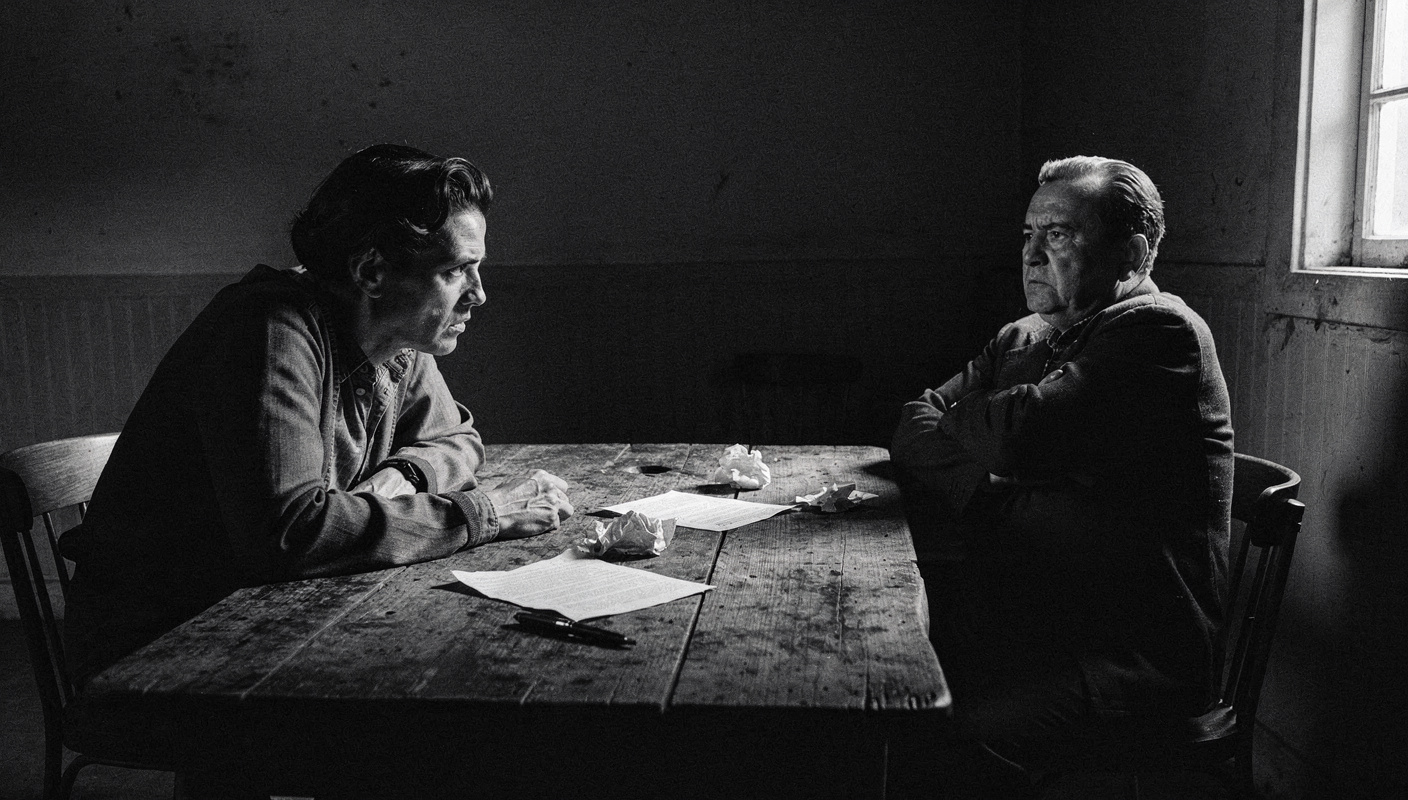
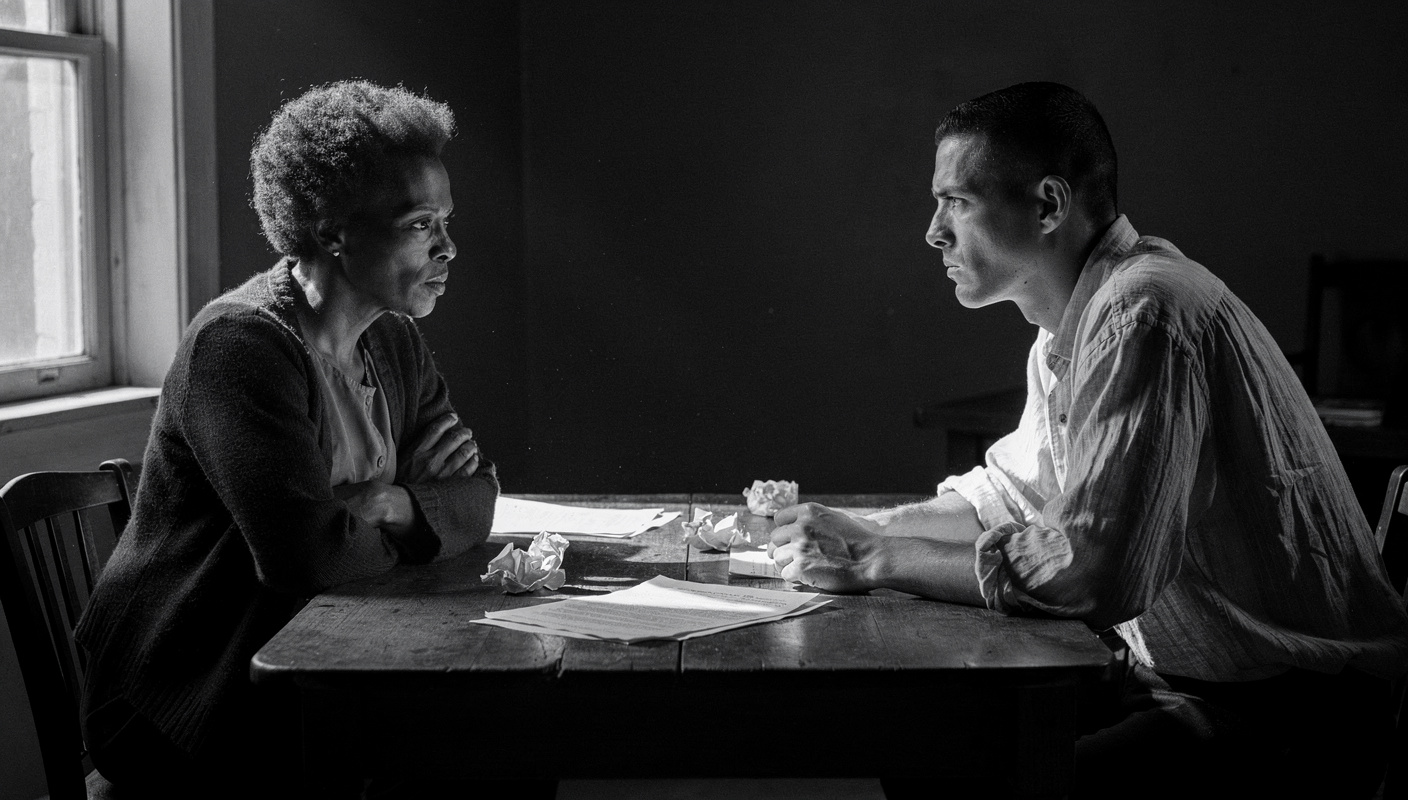
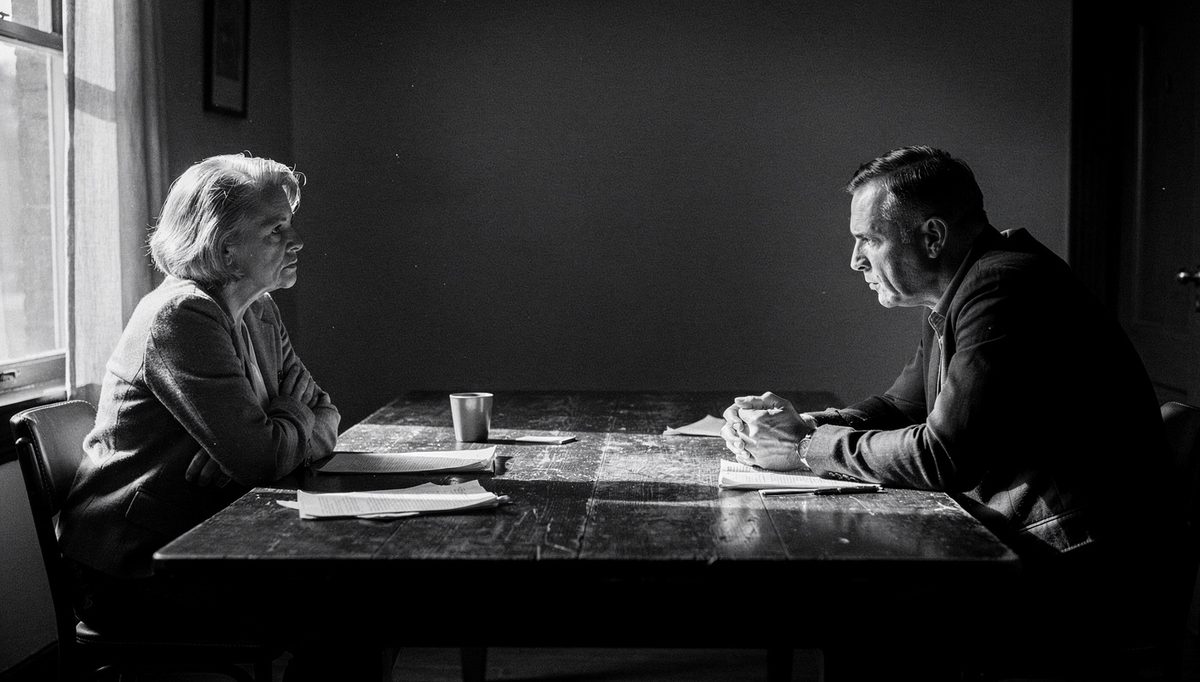
Negotiating with someone you are personally in conflict with is not the same as any other negotiation. The history between you becomes a third party in the room.
- Separate the practical issue from the relationship grievance before you begin.
- Address the tension directly and early, then redirect both parties to the shared outcome.
- Agreement on the issue does not require resolution of the relationship.
Negotiate personal conflict means working toward a practical agreement with someone you also have an unresolved dispute or grievance with, requiring you to manage both the emotional history between you and the specific issue at hand simultaneously.
I once watched a capable project manager walk into a budget negotiation with a colleague she had been in a quiet war with for two years. She had prepared her numbers. She had her reasoning in order. Within four minutes, the whole thing had collapsed into a argument about something that happened eighteen months earlier. The budget never got discussed. I have seen this pattern more times than I can count, and I have lived it myself. Knowing how to negotiate personal conflict is one of the most practically valuable skills in any workplace, and almost nobody is ever taught to do it properly.
The difficulty is not the negotiation itself. It is the weight of history sitting on both chairs at the table.
Why Negotiating Through a Personal Conflict Is a Different Problem Entirely
In a standard negotiation, both parties are working from a mostly neutral baseline. You disagree on terms, not on each other. When you negotiate personal conflict, you are working in a different environment altogether. Every word you say lands inside a context already loaded with resentment, past slights, and old stories the other person has been telling themselves about you.
The other person is not just hearing your proposal. They are filtering it through every interaction you have had with them, looking for evidence that confirms what they already believe. You are doing the same. This is not weakness or irrationality. It is what happens when trust has eroded between two people and neither of them has had the chance, or the courage, to repair it.
The standard negotiation tools still apply, but they have to be laid on top of something more specific: a way of handling the emotional charge so that it stops dictating the outcome.
"The Conversation You're Avoiding Is the One You Need to Have."
"The Conversation You're Avoiding
Is the One You Need to Have."
Stop rehearsing conversations you'll never have. Say It Right Every Time gives you 115 word-for-word scripts and 16 proven frameworks to speak with confidence in every conversation that matters.
What Has to Be True Before You Sit Down
There are two things you must establish before any useful conversation can happen, and both of them involve internal work you do before you enter the room.
The first is this: you need to know what you actually need from this negotiation, expressed as a practical outcome, not as a feeling. "I need her to respect me" is not a negotiable outcome. "I need agreement on who owns the client communication from here forward" is. Get clear on the real, concrete thing you need. Write it in one sentence. Keep it free of blame.
The second is that you need to be genuinely prepared to hear the other person's position without immediately defending against it. If you are not there yet, you are not ready to negotiate. You can wait, and sometimes waiting is the right call. If you go in before you can listen, you will not be negotiating. You will be performing.
If the conflict is also playing out publicly, in team meetings or across shared projects, the guidance in How to Handle Conflict During Meetings can help you manage the visible surface while you prepare for the deeper conversation.
The Six-Step Process for Negotiating When There Is Personal History
Step 1: Name the Tension Before It Names You
Do not pretend the conflict does not exist. It does, and you both know it. Starting the conversation as though everything is neutral will feel dishonest to both of you, and it will make the other person suspicious of your motives from the first sentence.
Say it plainly, and say it early. Something like: "I want to be honest with you. I know things between us have been strained, and I think that makes this conversation harder than it would otherwise be. I am here because I think we need to reach an agreement on this specific issue, and I would like to do that without the history between us getting in the way."
This takes courage. It also immediately lowers the temperature, because you have named what both people were already feeling without putting blame on either side.
Step 2: Separate the Issue From the Relationship
This is the most important technical move in the whole process, and it is the one most people skip. The practical dispute you need to resolve, and the personal grievance that has built up over time, are two different problems. They need to be treated that way.
Put the relationship grievance to one side explicitly. You can say: "I am not here today to talk about everything that has happened between us. That is a separate conversation, and maybe we need to have it, but not right now. Right now I need us to agree on this specific issue."
This does not mean dismissing the other person's feelings. It means creating a boundary that protects the negotiation from being consumed by the past. Without that boundary, you will spend the entire conversation relitigating old arguments and leave with nothing resolved. Understanding how unmet needs drive team conflict can help you recognise what the other person may be carrying underneath the surface dispute.
Step 3: State Your Position, Then Ask for Theirs
Once you have established the container for the conversation, state what you need. Be direct and specific. No preamble, no softening that blurs the point. "Here is what I need from this conversation" followed by the one sentence you prepared in advance.
Then ask for theirs. Not as a challenge, as a genuine question. "What do you need?" Then stop talking and listen. This is where many people unravel. They ask the question and then keep speaking because the silence feels dangerous. Let the silence do its work.
What the other person says in response to that question will tell you far more than their negotiating position. It will often reveal an underlying interest, a fear, or an unmet need that has been driving the conflict all along. The D.E.A.L. method for resolving disagreements about feedback offers a useful structure for this phase if the dispute has a feedback dimension to it.
Step 4: Find the Shared Interest Underneath the Positions
Most personal conflicts in a professional setting are positional at the surface and interest-based underneath. She wants the project her way. You want it yours. But underneath both positions, you both want the project to succeed and you both want credit for your contribution. That is the common ground.
Your job in this step is to name the shared interest out loud. "I think we both want this resolved in a way that lets us work together without it becoming a problem again. Is that fair to say?" When the other person says yes, and they usually will, you have something to build from. The conversation shifts from opposition to collaboration, even if only slightly.
Step 5: Build the Agreement in Small, Confirmed Steps
Do not try to resolve everything in one move. When there is personal conflict underneath a negotiation, large gestures of good faith are often received with suspicion. Small, confirmed agreements build the trust that makes larger ones possible.
Agree on one thing. Confirm it. Write it down if you can. Then move to the next. This is slower, but it is far more durable. The other person needs to experience you following through in real time before they will trust a broader agreement. And frankly, you need the same from them.
If things are escalating rather than settling, the D.E.A.L. method for defusing tension between colleagues who refuse to cooperate gives you a structured way to slow the momentum and get back to the issue.
Step 6: Close With Clarity and a Specific Next Step
Vague agreements collapse, especially between people who do not fully trust each other. When you have reached an agreement, or even a partial one, state it back in plain terms. "So what we are agreeing is X, and the next step is Y, which we will both do by Z date." Ask the other person to confirm it.
Do not leave the conversation hoping something will stick. Make the agreement explicit, concrete, and time-bound. That is what makes it real.
When the Conflict Is Serious and the Relationship Has Broken Down
Some situations go beyond a strained dynamic into a genuine breakdown. Two people who once worked well together now cannot be in the same room without it becoming hostile. In those cases, the process above still applies, but the preparation stage becomes longer and the steps need more space between them.
If you are dealing with a breakdown this severe, consider using a structured method before you attempt the negotiation itself. The B.R.I.D.G.E. method for rebuilding working relationships after tension gives you a foundation to work from before the substantive negotiation begins. Similarly, keeping yourself grounded during the conversation itself is a separate skill: the C.O.R.E. framework for staying grounded during tense workplace conversations is worth having in your back pocket before you walk into anything difficult.
Remote settings add another layer of complexity. Tone is harder to read on a screen, and the absence of physical presence makes it easier for both parties to retreat into defensive positions. If you are conducting this negotiation remotely, use video rather than text or phone, slow your speaking pace deliberately, and build in more explicit check-ins to confirm understanding. Written summaries of each small agreement become even more important when you cannot rely on the natural rhythm of face-to-face conversation.
What Goes Wrong and How to Correct It
The mistake: Bringing up the history during the negotiation itself.
Why it happens: You feel the other person is acting in bad faith, and you want them to acknowledge it.
What to do instead: Park the grievance explicitly at the start, and if it comes up mid-conversation, say: "I hear that, and I think we do need to talk about that. Can we finish this first?"
The mistake: Treating agreement on the issue as proof the relationship is repaired.
Why it happens: Relief at resolving the practical matter makes people optimistic.
What to do instead: Keep both tracks separate. A working agreement is a good outcome. A restored relationship takes longer and requires different conversations.
The mistake: Going into the conversation without preparing your emotional state.
Why it happens: People focus on preparing their arguments and forget to prepare themselves.
What to do instead: Before the conversation, name what you are feeling and what you are afraid of. Write it down. This is not therapy. It is tactical preparation. Unexpressed emotion finds its way into your tone whether you want it to or not.
The mistake: Letting the other person's defensiveness pull you into defensiveness.
Why it happens: Defensiveness is contagious under stress. One person raises their guard and the other mirrors it.
What to do instead: Practice what you will say if the other person becomes hostile. Have a de-escalation line ready: "I can hear this is frustrating. I want to keep this productive. Can we slow down?"
The D.E.A.L. method for resolving conflicts that are fracturing team synergy addresses several of these patterns in a team setting if the conflict has affected the wider group.
Your Pre-Negotiation Checklist for Personal Conflict Situations
Use this before any negotiation where there is personal history in the room.
- I have written down the specific, practical outcome I need in one sentence, without blame language.
- I have identified at least one shared interest the other person and I genuinely have.
- I have prepared my opening line for naming the tension directly.
- I know what I will say if the conversation becomes hostile or historical.
- I have decided, in advance, what a partial agreement looks like and whether I can accept it.
- I am prepared to listen to the other person's position before I respond to it.
- I have a closing statement ready that confirms any agreement in specific, time-bound terms.
Print that. Read it before you walk in.
The Conversation You Have Been Avoiding Is the One That Needs to Happen
Here is the truth of it. Most people in an ongoing personal conflict are not avoiding the negotiation because they do not want resolution. They are avoiding it because they do not trust themselves to handle it well. They are afraid of saying the wrong thing, of making it worse, of showing more hurt than they intended to.
That fear is not a reason to avoid the conversation. It is a reason to prepare properly and then go anyway. Unresolved conflicts do not stay still. They grow roots. They affect work quality, team cohesion, and your own sense of integrity. Every week you leave it, you are paying a price.
When you negotiate personal conflict with a clear process, you are not trying to make the other person like you. You are trying to reach an agreement that both of you can respect and live by. That is an achievable goal, regardless of how much history you carry into the room. Prepare well, name the tension, separate the issue from the relationship, and take it one small confirmed step at a time. That is how it gets done.
Frequently Asked Questions (FAQ)
What does it mean to negotiate personal conflict?
To negotiate personal conflict means working toward a practical agreement with someone you also have unresolved tension or grievance with. It requires managing both the emotional history between you and the practical issue at hand, without letting one destroy the other.
How do you negotiate personal conflict without making it worse?
You prepare your own emotional state first, then separate the relationship grievance from the practical issue. Address the issue directly, name the tension without blame, and focus both parties on a shared outcome. Avoid relitigating old arguments during the negotiation itself.
Why is negotiating with someone you have a conflict with so difficult?
Because every word lands in a context loaded with history. The other person filters what you say through past grievances, and you do the same. Even a straightforward proposal can feel like an attack when there is existing distrust between two people.
What should you do before negotiating with someone you are in conflict with?
Before you sit down, get clear on what outcome you actually need, separate from what you feel. Write down the practical issue in one sentence without blame. Decide in advance how you will respond if the conversation becomes heated, so you are not making that decision in the moment.
Can you negotiate personal conflict successfully without resolving the relationship?
Yes. The goal is a workable agreement, not a restored friendship. You can reach a clear, respected settlement on the practical issue while the relationship itself remains cool. Do not make agreement conditional on the other person changing how they feel about you.
How do you stay calm when negotiating with someone who has hurt you?
Prepare a self-regulation cue in advance: a phrase you say silently, a breath you take before responding. Name the difficulty at the start of the conversation rather than suppressing it. Know your exit line if things escalate, so you can pause without abandoning the process.