
In Short
Not every negotiation conflict deserves resolution. Some conflicts signal genuine incompatibility that no amount of skill or patience will bridge. Recognizing which disputes are worth pursuing and which will drain your credibility is one of the most underrated skills in negotiation.
- Unresolvable conflict has specific, observable signs you can learn to read.
- Pursuing the wrong conflicts costs you time, position, and trust.
- Knowing when to disengage is not failure; it is judgment.
Negotiation conflict signs are observable patterns in a dispute that indicate whether the conflict is resolvable through continued engagement or whether the gap between parties reflects fundamental incompatibility that no concession, reframing, or goodwill can bridge.
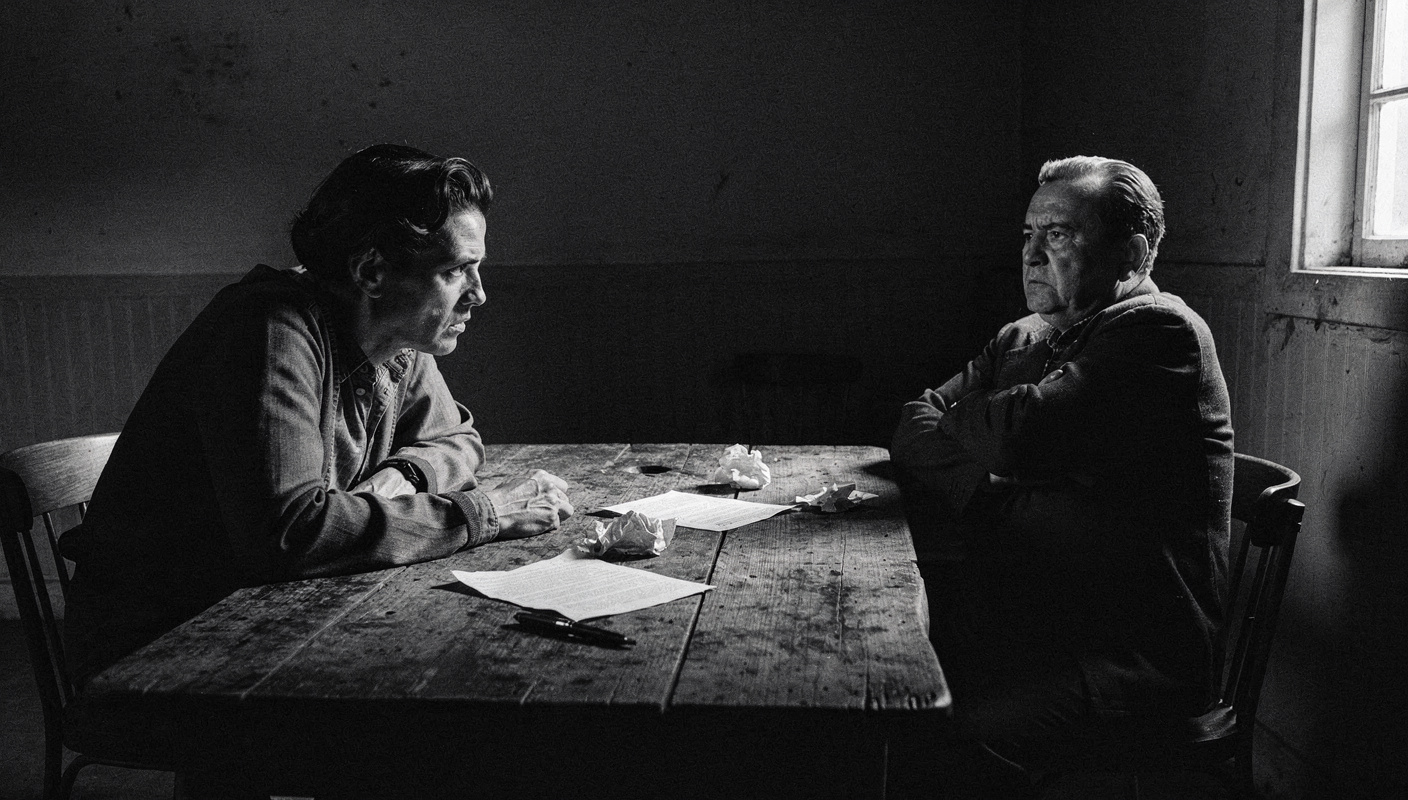
I once sat across a table from a man for three full days. We were negotiating a supply agreement that both organizations needed. On day one, I thought we had creative tension. On day two, I thought we had a positioning problem. By day three, I finally admitted what the negotiation conflict signs had been telling me since the first hour: the man had no authority to agree to anything, and his organization had no genuine intention of reaching a deal. I had wasted three days chasing resolution in a conflict that was never meant to be resolved. That experience cost me more than time. It cost me standing with my own team. Learning to read those signs earlier is one of the most valuable things I have done in sixty years of working with people.
Why Unresolvable Conflicts Are So Hard to Spot Early
The problem is not that these conflicts are hidden. It is that they look, at first, exactly like productive friction. In good negotiations, parties push back. They probe, test, and resist. That is normal. It is even healthy. The signs of a genuinely unresolvable conflict sit underneath that normal-looking surface, and they develop slowly enough that you keep thinking the next session will shift things.
There is also the matter of hope. Once you have invested hours, or days, or your organization's goodwill, you want the effort to mean something. That instinct is human. It is also exactly the thing that keeps skilled people stuck in conflicts they should have recognized and left behind.
"The Conversation You're Avoiding Is the One You Need to Have."
"The Conversation You're Avoiding
Is the One You Need to Have."
Stop rehearsing conversations you'll never have. Say It Right Every Time gives you 115 word-for-word scripts and 16 proven frameworks to speak with confidence in every conversation that matters.
Six Negotiation Conflict Signs Worth Knowing
1. The Same Gap Reappears After Every Concession You Make
What it looks like: You move on price, scope, or terms. The other party acknowledges the move, then returns to the exact same position they held before you conceded anything.
Why it happens: Your counterpart is either anchored to a number or outcome they cannot actually change, or they are using your concessions as ammunition without any intention of reciprocating.
Why it matters: Every concession you make without movement on their side weakens your final position. You are negotiating against yourself.
What to do: Name it plainly. Say, "I have moved three times on this point. Help me understand what would need to change on your side for us to move forward." Their response will tell you everything.
Here is the truth of it: when your concessions produce no movement, you are not in a negotiation. You are in a one-sided extraction.
2. Your Counterpart Cannot Explain Their Own Interests
What it looks like: When you ask why a particular term matters to them, you get repetition of the position, not an explanation of the underlying need. "We need sixty days." Why? "Because sixty days is what we need."
Why it happens: Either they have not thought past the position, or they have interests they cannot or will not disclose. Both are problems for resolution.
Why it matters: You cannot solve for interests you cannot see. If the other party will not or cannot name what they actually need, you have no raw material to build an agreement from.
What to do: Ask the same question in three different ways across three different conversations. If the answer never changes from position to position, you have found a wall, not a door. Unmet needs are often the engine of conflict that goes unresolved, whether in teams or across a negotiating table.
I have learned that people who cannot tell you what they need usually do not know themselves. That is not something you can negotiate around.
3. The Conflict Escalates When You Make Progress
What it looks like: Every time the conversation moves toward agreement on one point, a new issue appears. New demands arrive. Old agreements get reopened. The finish line keeps moving.
Why it happens: This is often tactical. Moving goalposts is a classic pressure technique designed to exhaust you into making larger concessions or to prevent any agreement from forming.
Why it matters: If you cannot close even small agreements, you cannot build toward a larger one. A pattern of escalation on progress is one of the clearest negotiation conflict signs that the other party's goal is not agreement.
What to do: Stop making new concessions until existing agreements are locked. Say, "Before we discuss the new points you have raised, I want to confirm that what we agreed on Tuesday is settled. Can we do that?" If they will not confirm what is settled, you have your answer.
This pattern burned me early in my career. I mistook their escalation for engagement. It was the opposite.
4. You Are Negotiating With Someone Who Has No Authority to Agree
What it looks like: Every proposal you make needs to be "checked with" someone else. Decisions never get made in the room. The person you are speaking with cannot say yes.
Why it happens: Sometimes this is organizational structure. More often in difficult negotiations, it is a deliberate tactic. Keeping decision-making authority out of the room gives the other side infinite time to delay and unlimited cover to retreat from anything they provisionally accept.
Why it matters: You are spending real time and real capital on conversations that produce nothing binding. The actual decision-maker is insulated from everything you are building.
What to do: Before your next session, ask directly: "Can you confirm that you have authority to reach and sign off on an agreement in our next meeting?" The answer to that question changes how much energy you invest. If you need to handle conflict more effectively during your actual meetings, start by confirming who in the room can actually decide.
I learned this the painful way at thirty-two years old. Three weeks of work, and the man I had been meeting with had to go back to a committee. Know who you are actually talking to.
5. Values, Not Positions, Are the Source of the Disagreement
What it looks like: The conflict is not really about price, timeline, or scope. It is about what each party believes is right, fair, or principled. Each side frames the disagreement in moral terms. Compromise feels like betrayal, not pragmatism.
Why it happens: Positional bargaining can almost always find a middle ground. Value-based conflict cannot, because neither party can concede their values without losing something more fundamental than the deal.
Why it matters: This is the most counterintuitive of all the negotiation conflict signs, because value conflicts look passionate and engaged. Both sides care deeply. That caring is exactly what makes resolution so difficult. No bridge exists between two parties who believe the other is acting wrongly.
What to do: Separate the values question from the practical question. Ask, "Setting aside what we each believe is right, is there a practical outcome that works for both of us operationally?" If the answer is no, the conflict may be genuine incompatibility, not friction. The D.E.A.L. method offers a structured way to surface whether the conflict is resolvable or whether it runs deeper than process can fix.
When someone tells me a negotiation broke down over principle, I always ask: whose principle, and what was really at stake. Sometimes the answer surprises them.
6. Every De-escalation Attempt Gets Weaponized Against You
What it looks like: When you try to lower the temperature, offer a concession, or acknowledge the other side's position, they use it as proof of weakness and push harder. Your good faith becomes their advantage.
Why it happens: Some counterparts are not in conflict with you; they are in a competition to win. Every signal of reasonableness reads to them as an opportunity to take more.
Why it matters: You cannot de-escalate a conflict whose function is escalation. Trying to do so simply transfers energy and position to the other side. Knowing how to de-escalate arguments is a genuine skill, but it only works when both parties want the temperature to come down.
What to do: Stop de-escalating unilaterally. Match their energy without matching their tactics. Hold your position clearly, stop offering unprompted concessions, and redirect every conversation back to the practical question on the table. The D.E.A.L. method for defusing tension between parties who refuse to cooperate can help you manage this without losing ground.
This one cost me a great deal of goodwill before I understood it. I thought I was building trust. They thought I was conceding.
7. You Have Already Rebuilt the Relationship Once and Nothing Changed
What it looks like: This is not the first time this conflict has appeared. You resolved it before, or tried to. The same parties are back at the same impasse, with different surface details but the same structural gap.
Why it happens: The original resolution addressed symptoms, not causes. The underlying incompatibility was never named or dealt with. When working relationships break down and then are rebuilt, the repair only holds if the root cause changes. If it does not, the conflict returns.
Why it matters: Recurring conflict is diagnostic. It tells you the resolution you achieved was cosmetic. Trying the same approach again will produce the same result.
What to do: Before re-engaging, ask what has structurally changed since the last resolution. If the honest answer is nothing, you need to decide whether the conflict is worth reopening or whether the energy is better spent elsewhere. And if a previous tension-management conversation made things worse rather than better, the R.E.C.O.V.E.R. method gives you a path forward without simply repeating what failed.
I have watched people attempt the same repair four times on the same relationship. The fifth time is not strategy. It is hope without evidence.
The Root Cause Beneath Most of These Signs
Each of the signs above looks different on the surface. But in my experience, most of them share a single root: one or both parties entered the negotiation without a genuine intention to reach a mutual agreement. Either they came to extract, to delay, to maintain the status quo, or to be seen as engaging without actually doing so. When the intent is not shared, no technique closes the gap. Process cannot substitute for genuine interest in resolution. That is the disease. The signs above are its symptoms.
A Diagnostic Checklist: Is This Conflict Worth Pursuing?
Answer each question with yes or no, based on what you have observed, not what you hope is true.
- My counterpart can explain what they actually need, not just what they want.
- At least one concession I have made has produced genuine movement on their side.
- The same core disagreement has not reappeared more than twice after being resolved.
- The person I am meeting with has clear authority to agree.
- Our disagreement is about practical matters, not about what is fundamentally right or wrong.
- When I have tried to lower the temperature, the other party has responded in kind.
- Something structurally different exists this time compared to previous failed attempts.
Scoring:
- 6 or 7 yes: The conflict shows real signs of being resolvable. Keep engaging, but stay alert to shifts.
- 4 or 5 yes: Proceed with caution. Name the specific gaps you have noticed and test whether the other party will acknowledge them.
- 3 or fewer yes: This is a serious warning. The conflict may be structurally unresolvable or being pursued in bad faith. Consider whether continued engagement serves your interests.
What to Do When the Signs Point Toward Walking Away
Walking away from a conflict in negotiation is not the same as giving up. It is a decision, made clearly and on purpose, that the cost of pursuing resolution exceeds the realistic value of any agreement you could reach. The clearest first move is to name what you observe, without accusation. Say, "I want to be direct with you. I have not seen the movement that would tell me we can reach an agreement here. I am willing to continue if something has changed, but I am not willing to keep negotiating on the current terms." That sentence does three things at once: it names reality, it leaves a door open, and it establishes that you are no longer operating from hope alone.
If the other party responds by re-engaging seriously, you have your answer. If they respond by escalating, deflecting, or going quiet, you have your answer too.
Frequently Asked Questions (FAQ)
What are negotiation conflict signs that a dispute is unresolvable?
Negotiation conflict signs include repeated bad faith moves, fundamental value misalignment, and a counterpart who escalates rather than engages. When the same sticking point returns after every concession you make, and no genuine movement occurs on either side, the conflict is likely not worth pursuing.
How do you recognize when a negotiation conflict is tactical versus genuine?
Tactical conflict is designed to pressure you into concessions. Genuine incompatibility shows up as consistent misalignment on core interests, not just positions. If removing the pressure does not move the conversation forward, and the same gap reappears regardless of how you reframe, the conflict is real and structural.
When should you walk away from a conflict in negotiation?
Walk away when the cost of continuing exceeds the value of any realistic agreement, when your counterpart shows consistent bad faith, or when your core interests cannot be met under any scenario the other party will accept. Staying past this point damages your credibility and your negotiating position.
Can avoiding conflict in negotiation be the right strategy?
Yes. Some conflicts in negotiation are deliberately manufactured to distract or destabilize you. Refusing to engage with manufactured conflict is not weakness; it is discipline. Name what you observe, redirect to substance, and let the other party own their tactics.
What is the difference between a dealbreaker and a negotiating position?
A negotiating position is something you state to anchor the conversation; it can move. A dealbreaker is a boundary tied to a core interest or value that cannot be compromised without fundamentally changing what the agreement means to you. Confusing the two leads to either bad deals or unnecessary impasse.
How does sunk cost affect conflict decisions in negotiation?
Sunk cost makes you stay in unproductive conflicts longer than you should, because you have already invested time and effort. The time spent is gone regardless of what you decide next. Evaluate the conflict on what is realistically achievable from this point forward, not on what you have already put in.
The ability to recognize negotiation conflict signs early is not about pessimism. It is about respect: respect for your time, respect for your organization's position, and, yes, respect for the other party too. Pursuing a conflict that cannot be resolved serves no one. Walk in clear-eyed. Stay honest about what you see. And when the signs tell you plainly that no agreement is coming, have the courage to say so and act accordingly.