
In Short
Negotiation conflict is not a sign that something has gone wrong. It is a sign that both parties have real stakes in the outcome.
- Most beginners lose ground in conflict because they have not prepared for it, not because they lack skill.
- Conflict in negotiation becomes manageable when you separate your interests from your emotions and work the process step by step.
- Preparation, not personality, is what gets you through.
Negotiation conflict is the tension that arises when two or more parties hold competing positions, interests, or expectations during a negotiation. It is a normal and expected part of any serious negotiation, ranging from polite disagreement to direct confrontation over terms.
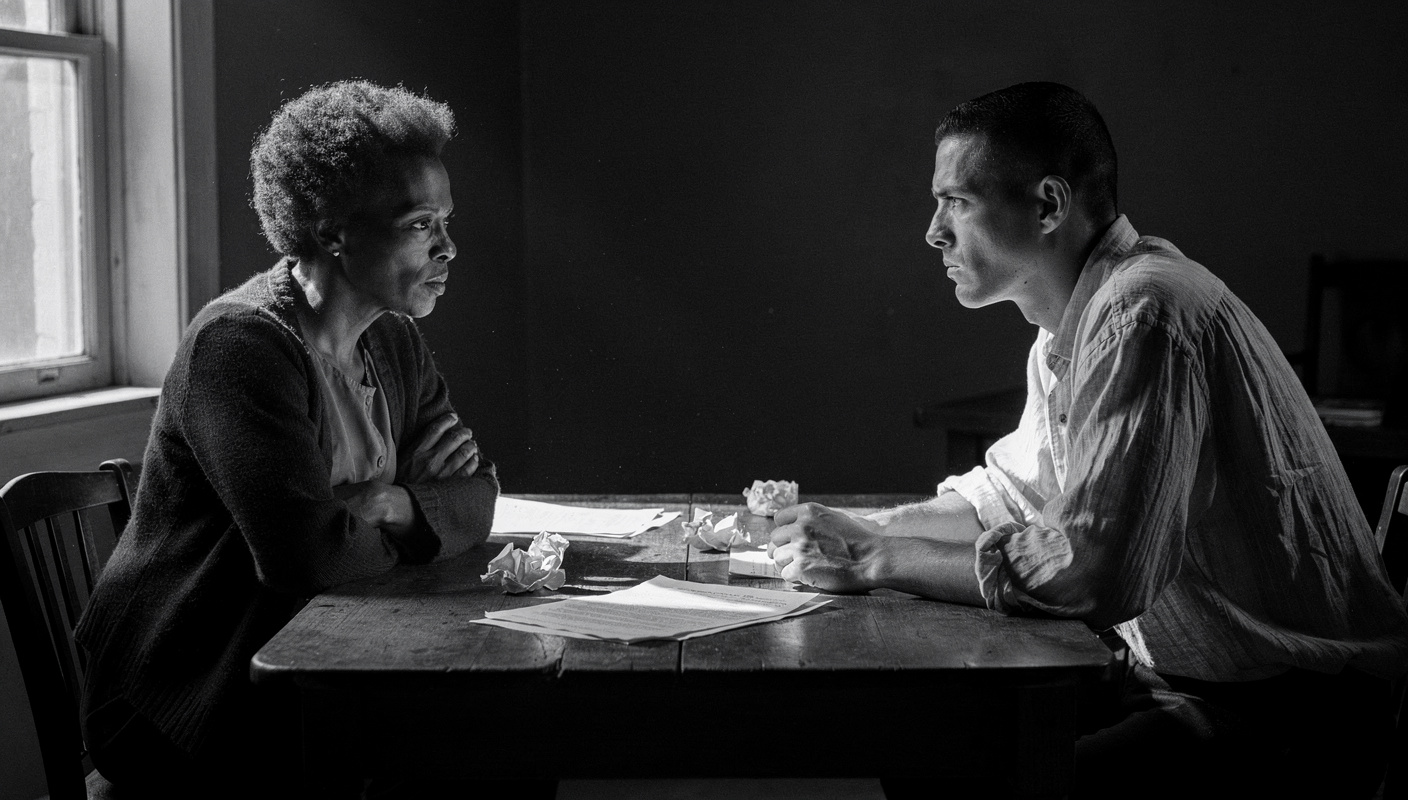
I watched a young project manager walk into a salary negotiation with every number prepared and every argument rehearsed. Within four minutes of the other side pushing back, she apologised, accepted the original offer, and left the room. She told me afterward: "I just froze. I didn't know what to do when they got annoyed." She was not underprepared on facts. She was underprepared for negotiation conflict itself, for the specific discomfort of someone opposing her, holding firm, and making the silence uncomfortable.
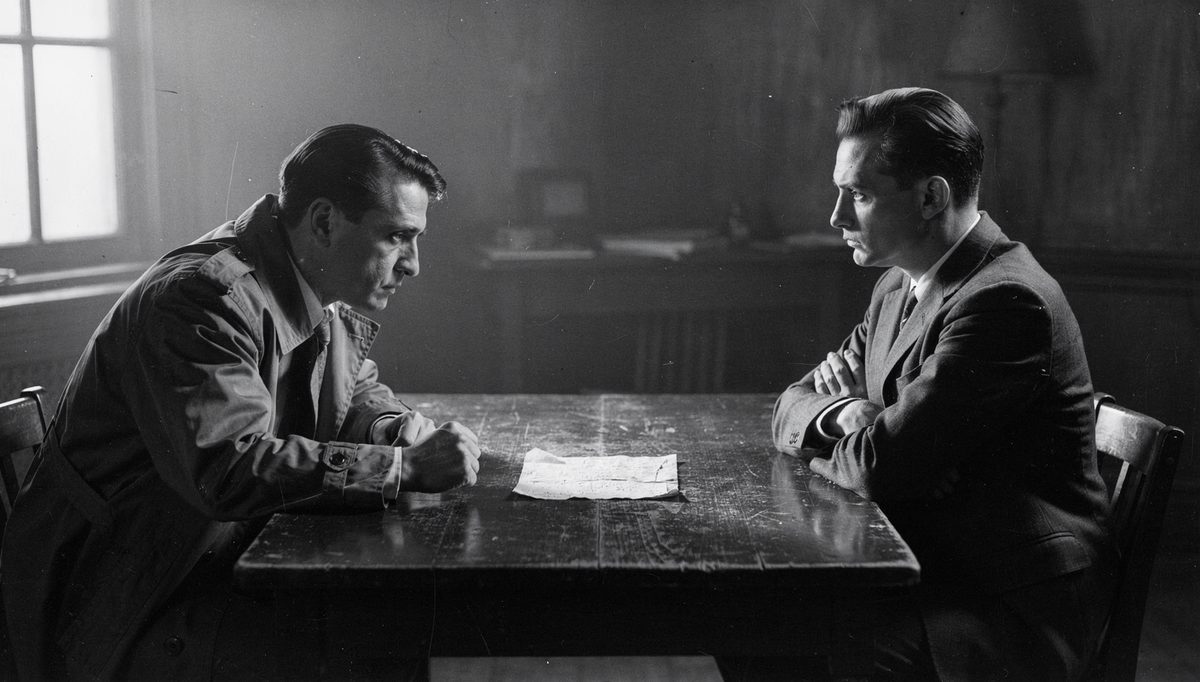
That is what this article is about. Not negotiation in general. Not how to build rapport or close a deal smoothly. This is about what happens when the other side pushes back, when the temperature rises, and when the conversation becomes a genuine contest of interests. If you are beginning to navigate this kind of friction, you deserve a clear process, not a motivational speech.
Why Conflict in Negotiation Feels Different From Other Disagreements
Most people have navigated arguments in their personal lives. Negotiation conflict is different, and it catches beginners off guard for three specific reasons.
First, the stakes are usually concrete. A salary, a contract term, a project scope. When something real is on the line, your nervous system responds accordingly. Second, the setting is often formal, which means you feel pressure to stay composed even while conflict is escalating around you. Third, most people enter negotiations with no clear plan for what to do when the other party says no, holds firm, or gets openly hostile.
The result is that conflict in negotiation does not feel like a normal disagreement. It feels like an attack. And when something feels like an attack, people either retreat or overreact. Neither gets you what you need.
"The Conversation You're Avoiding Is the One You Need to Have."
"The Conversation You're Avoiding
Is the One You Need to Have."
Stop rehearsing conversations you'll never have. Say It Right Every Time gives you 115 word-for-word scripts and 16 proven frameworks to speak with confidence in every conversation that matters.
What You Need in Place Before Any Step Begins
No process works without ground to stand on. Before you enter a negotiation that is likely to involve friction, three things must be clear in your mind.
Your core interests, not just your position. A position is what you are asking for. An interest is why you are asking for it. When conflict hits, positions tend to harden. But interests often reveal common ground. Know the difference before you walk in. If you are negotiating a deadline extension, your position is "I need two more weeks." Your interest is delivering quality work without burning out your team. The other party may share that interest, even if they resist your position.
Your walk-away point. This is the moment at which no deal is better than a bad deal. Without a clear walk-away point, you will concede under pressure simply to end the discomfort. Write it down. Make it specific. Treat it as a boundary, not a preference.
Anticipated objections, with scripted responses. Conflict in negotiation rarely comes from nowhere. Think about what the other party is likely to push back on, and prepare two or three honest, direct responses. Not scripts designed to win by cleverness. Scripts designed to keep you steady when you feel the pressure rising.
A Six-Step Process for Working Through Negotiation Conflict
Step 1: Name the conflict plainly
When friction surfaces, most beginners either ignore it or react to it. Both make it worse. The first move is to name what is happening, calmly and without blame.
Say: "It sounds like we see this differently. Can we slow down and make sure I understand your concern?" That one sentence does several things at once. It acknowledges the tension without feeding it. It signals respect for the other party's view. And it buys you a moment to steady yourself before responding.
If you feel yourself tightening, that is your signal. Name the conflict before it names you.
Step 2: Listen past their position to their interest
When someone pushes back hard in a negotiation, they are usually protecting something. Your job in this step is to find out what that something is.
Ask: "Help me understand what matters most to you here." Then stop talking. Let them answer. Do not use the pause to prepare your rebuttal. Actually listen. What they say next will often reveal more flexibility than their stated position suggested.
If you are negotiating a contract and the other side refuses a payment term, they may be protecting cash flow, not the specific term itself. That distinction changes everything about how you respond. You can read more about how competing needs drive these patterns in How Unmet Needs Drive Team Conflict and What to Say to Restore Synergy.
Step 3: Separate the facts from the friction
Conflict in negotiation runs on two tracks simultaneously: the practical track, which is the actual disagreement over terms, and the emotional track, which is the tension, frustration, or ego in the room. Beginners collapse these two tracks together, which is why a negotiation about a timeline can suddenly feel like a conversation about respect.
Your job is to separate them. When the emotional temperature rises, address it briefly and directly: "I can see this is a point you feel strongly about, and so do I. Let us stay with the facts for a moment." Then return to the specific item under discussion. This is not about suppressing emotion. It is about managing which track drives the conversation.
Step 4: Make one specific, conditional offer
When the negotiation reaches an impasse, many beginners either capitulate entirely or go silent. A better move is a conditional offer: a proposal that moves things forward without giving up ground unilaterally.
The structure is simple: "If you can [concede X], I am prepared to [offer Y]." For example: "If you can extend the payment window to 45 days, I am prepared to reduce the project scope by one phase." This keeps both parties in the conversation. It signals good faith. And it maintains your position as someone who is working toward an agreement, not retreating from one.
For a structured framework to de-escalate tension before you reach an offer, the C.O.R.E. Framework is worth knowing before you sit down at the table.
Step 5: Handle a direct attack without matching it
At some point in a difficult negotiation, the other party may become aggressive. They may raise their voice, make a pointed comment about your competence, or use silence as a pressure tool. This is the moment most beginners lose.
Do not match the aggression. Do not apologise. Hold your position and lower your register. A quiet, steady voice in response to a raised one shifts the power dynamic immediately. Say: "I hear that you feel strongly. My answer on this point is still no. What I am open to is finding a different path forward." Then wait.
If the conflict during the meeting itself becomes unmanageable, you may need to pause the conversation entirely. The approach in How to Handle Conflict During Meetings gives you a clear way to do that without the situation collapsing.
Step 6: Know when to pause and when to walk away
Not every negotiation resolves in a single session. Knowing when to call a break is a skill, not a surrender. If the conversation has escalated beyond what either party can navigate calmly, stop it.
Say: "I think we are both committed to getting this right. Let us take a break and come back to this tomorrow with fresh eyes." This is not weakness. This is the move of someone who is serious about the outcome, not just the fight. Returning to a negotiation after time has passed often produces more movement than grinding through an impasse in real time.
And if the other party's position is genuinely incompatible with your walk-away point, you leave. Politely, clearly, and without drama. "I do not think we can reach an agreement on these terms today. I am open to continuing if something changes." Then go.
When the Negotiation Conflict Happens in a Remote Setting
Remote negotiations have their own friction points. The absence of body language means that tone of voice carries all the weight. Silence that might read as thoughtful reflection in person can feel hostile on a video call.
In a remote negotiation conflict, name tone explicitly where you would normally read a face. "I want to make sure I am reading this right. Are we at an impasse, or is there still room to work here?" Do not assume you know what the other party is feeling. Ask directly. Also, do not negotiate by email when conflict has arrived. Email strips every tonal cue and turns every sentence into a statement of position. Get on a call. The difficulty of a live conversation is exactly what makes it more likely to produce resolution.
If you are managing negotiation conflict between two colleagues rather than negotiating yourself, the process for handling that dynamic is laid out in How to Use the D.E.A.L. Method to Defuse Tension Between Two Colleagues Who Refuse to Cooperate.
Where Beginners Go Wrong in Negotiation Conflict
The mistake: Conceding too quickly to end the discomfort.
Why it happens: Conflict feels like failure, so resolving the discomfort feels like progress.
What to do instead: Recognise that discomfort is part of the process. Your walk-away point keeps you from treating relief as a goal.
The mistake: Reacting to the other person's emotional state with equal heat.
Why it happens: Aggression triggers a natural defensive response, and most people match the energy in the room.
What to do instead: Lower your register deliberately. A calm, measured response to a heated one is one of the most powerful tools in any negotiation.
The mistake: Treating every objection as a deal-breaker.
Why it happens: Beginners read pushback as rejection rather than as negotiation.
What to do instead: Receive objections as information. Ask what is behind them before deciding how to respond.
The mistake: Preparing arguments but not preparing for conflict.
Why it happens: Most preparation focuses on the content of the negotiation, not the emotional conditions in which it happens.
What to do instead: Spend part of your preparation time rehearsing your response to likely pressure tactics and emotional escalation.
For a structured method to address disputes that have already fractured relationships, the D.E.A.L. Method gives you a clear repair process to work through after the negotiation settles.
Your Pre-Negotiation Conflict Checklist
Use this before any negotiation where conflict is likely. Run through each item the day before.
- Write down your core interest, not just your position, in one sentence.
- Write down your walk-away point. Make it specific. Do not leave it vague.
- List the top three objections the other party is likely to raise.
- Write one honest, direct response to each objection.
- Decide how you will manage yourself if the conversation gets heated: lower your voice, pause before responding, or call a break.
- Identify one area where you have genuine flexibility and one area where you do not. Know which is which before you walk in.
- Agree with yourself that you will name the conflict if it arrives, rather than hoping it disappears.
This checklist will not prevent conflict from arising. It will make sure that when it does, you are not starting from nothing. If you need to address conflict that has already surfaced in a team context before the negotiation even begins, the process in How to Start a Difficult Conversation That's Blocking Your Team's Synergy is a sound starting point.
The Thing That Actually Gets You Through
Technique matters in negotiation conflict. But here is what I have learned over sixty years of watching this: the people who handle conflict well are not the cleverest or the most aggressive. They are the ones who prepared honestly, know what they actually need, and stay in the room.
Stay in the room. That is harder than it sounds. The urge to flee, to concede, to smooth it over, those are not weaknesses of character. They are human responses to discomfort. The system in this article exists so that discomfort does not make the decision for you.
For arguments that are escalating quickly, the techniques in How to De-escalate Arguments During Meetings run parallel to this process and are worth keeping close. And if you want to develop your broader skills for navigating tension before it becomes conflict, How to Use the D.E.A.L. Method to Defuse Tension Between Two Colleagues Who Refuse to Cooperate is worth returning to.
Negotiation conflict beginners do not need to become fearless. They need a process they can trust when the pressure arrives. That is what you have now. Use it.
Frequently Asked Questions (FAQ)
What is negotiation conflict?
Negotiation conflict is the tension that arises when two or more parties hold opposing positions, interests, or expectations during a negotiation. It ranges from mild disagreement to heated confrontation and is a normal, expected part of any genuine negotiation process.
How do beginners handle conflict in negotiations?
Beginners handle conflict in negotiations by preparing their position and interests in advance, separating emotions from facts, listening carefully to the other side, and looking for shared ground. A clear step-by-step process reduces panic and keeps the conversation on track.
Why does negotiation conflict feel so personal?
Negotiation conflict feels personal because disagreement activates threat responses in the brain, making criticism of your position feel like criticism of you. Separating your identity from your stated position is a skill that takes deliberate practice and clear preparation.
What are the most common mistakes beginners make in negotiation conflict?
The most common mistakes include caving too quickly to end discomfort, reacting to the other person's emotion with equal emotion, treating every disagreement as a deal-breaker, and failing to prepare alternative positions before the conversation begins.
How do you prepare for conflict in a negotiation?
Prepare by clarifying your core interests, knowing your walk-away point, anticipating the other party's concerns, scripting two or three responses to likely objections, and deciding in advance how you will manage your own emotional response if the conversation gets heated.
What should you do when a negotiation reaches an impasse?
When a negotiation reaches an impasse, name it directly and without blame, take a short break if emotions are running high, shift the conversation from positions to underlying interests, and introduce a new option neither party has yet considered.