
In Short
Conflict in negotiation is not a crisis. It is a collision of competing interests, and every serious negotiation contains it. What you do with that collision determines whether you reach an agreement that holds.
- Conflict signals real stakes, not a failing process.
- Most conflict lives in positions; the resolution lives in underlying needs.
- Understanding conflict clearly is the first step toward working with it rather than against it.
Conflict in negotiation is the friction that arises when two or more parties hold competing interests, needs, or positions that cannot all be satisfied simultaneously. It is a natural feature of any negotiation where both sides have genuine stakes in the outcome.
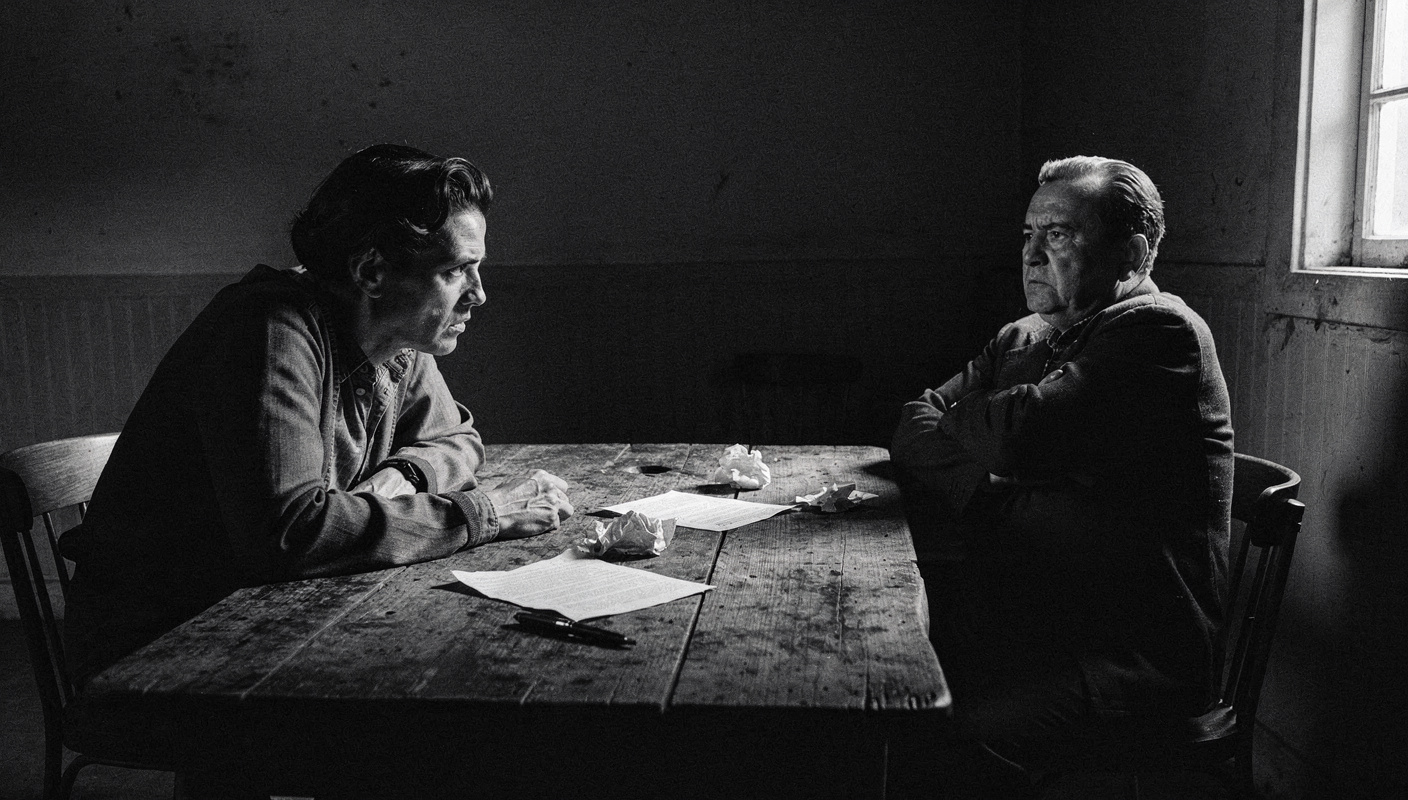
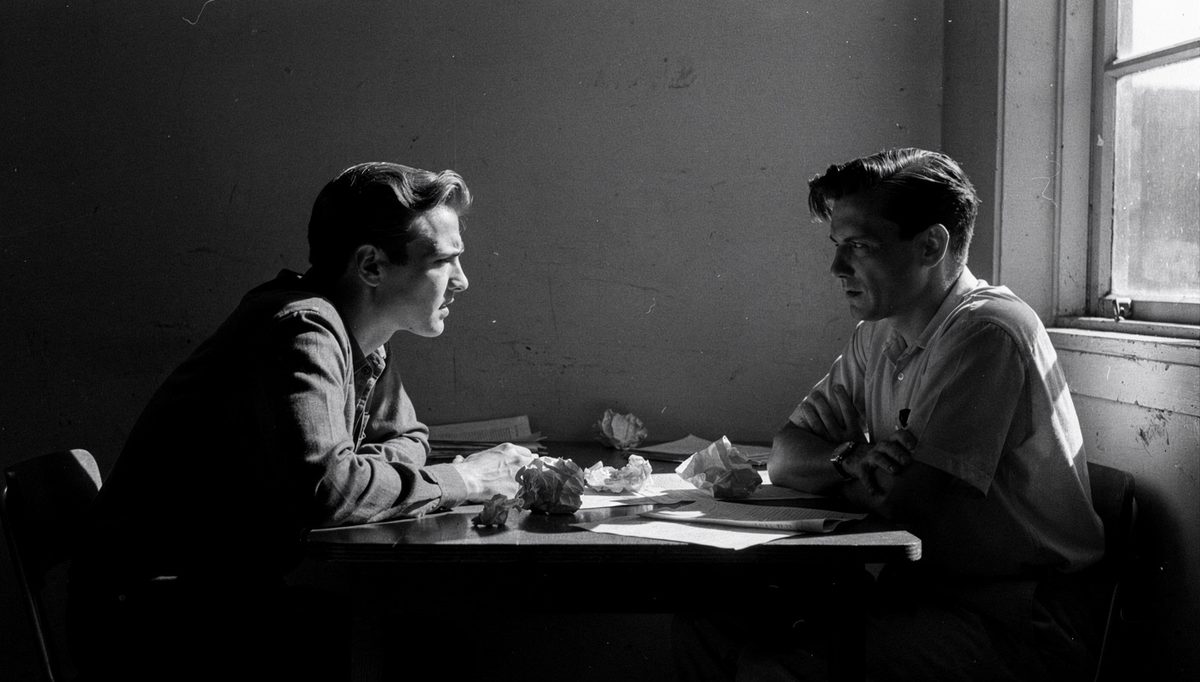
Two colleagues are six weeks into a contract renegotiation. The numbers are close. The relationship is professional. Then, in a Tuesday afternoon call, one of them says something the other takes as a slight, voices harden, and by the time they hang up, both sides are dug in. Nothing has changed in the numbers. Everything has changed in the room. That is conflict in negotiation, doing what it always does when it goes unnamed and unmanaged.
Conflict in negotiation is one of the most misread forces in professional life. People either treat it as a sign that something has gone wrong, or they ignore it entirely until it becomes something harder to repair. Neither serves them. This article gives you a clear definition, shows you what conflict actually looks like when it surfaces, corrects the mistakes people keep making about it, and leaves you with a way to use it rather than be undone by it.
What Conflict in Negotiation Actually Means in Practice
Strip away the drama and conflict in negotiation comes down to one thing: two parties want outcomes that cannot both be fully satisfied at the same time. That is it. One team wants to reduce delivery costs; the other needs to maintain margin. One partner wants flexibility; the other needs certainty. The moment both positions cannot coexist without adjustment, you have conflict.
Here is what separates a practitioner's definition from a textbook one: conflict is not just disagreement. You can disagree about facts and sort it quickly. Conflict runs deeper. It lives in what each party needs, fears losing, and believes is fair. Those things are rarely stated plainly, which is why conflict in negotiation so often feels like an attack when it is really a signal.
Consider a scenario from a supplier dispute. A procurement manager pushes hard on price. The supplier pushes back and stops returning calls promptly. The procurement manager reads it as obstruction. The supplier is protecting a margin that keeps three members of staff employed. Neither has said any of this out loud. The conflict is real, but its roots are invisible to both sides. That gap between what is said and what is actually at stake is where most negotiation conflict lives.
"The Conversation You're Avoiding Is the One You Need to Have."
"The Conversation You're Avoiding
Is the One You Need to Have."
Stop rehearsing conversations you'll never have. Say It Right Every Time gives you 115 word-for-word scripts and 16 proven frameworks to speak with confidence in every conversation that matters.
Why Misreading Conflict Stalls Good Deals
When conflict surfaces in a negotiation, the most common instinct is to treat it as an obstacle to be removed as fast as possible. That instinct costs people more than they realise. If you rush past conflict to get back to calm, you tend to make concessions that do not address the real issue, and the conflict resurfaces later, usually at a worse moment.
Conflict carries information. The friction tells you what the other party values enough to fight for. Ignore that signal and you negotiate blind. Attend to it and you understand what a workable agreement actually needs to contain. This is not comfortable insight. It requires you to stay in a tense conversation longer than feels natural. But the deals that hold are the ones built on that understanding, not on the relief of escaping the tension.
If you are working through a situation where unmet needs are driving the friction, understanding what those needs are can change the entire direction of your approach. How Unmet Needs Drive Team Conflict and What to Say to Restore Synergy covers that territory directly.
Three Things People Get Wrong About Negotiation Conflict
These are the misconceptions I have watched derail good-faith negotiations, sometimes just when an agreement was within reach.
The mistake: Conflict means the negotiation is failing. The correction: Conflict means both parties have real stakes. A negotiation with no friction usually means one side has already conceded everything, or nobody is being honest about what they need. Some tension is evidence the process is working.
The mistake: Staying calm means avoiding conflict. The correction: Staying calm means managing your response to conflict, not pretending it is not there. Suppressed conflict does not disappear. It accumulates. By the time it surfaces, it tends to be far harder to address. If you want to stay grounded when a conversation turns tense, the C.O.R.E. Framework offers a practical method for exactly that.
The mistake: Conflict is about positions. The correction: Positions are what people state; needs are what they mean. A vendor who says "we cannot go below this price" is stating a position. Their need might be cash flow, or it might be the signal that dropping further would damage their standing with other clients. Attacking the position without understanding the need keeps you stuck. Addressing the need often unlocks movement.
Conflict in Negotiation Across Real Situations
When a Team Negotiation Fractures
A project manager is negotiating timelines across two departments. One team wants more time; the other is under pressure from a client deadline. Both managers dig in. Voices stay professional, but emails get clipped and meetings get cancelled. The conflict is real, even though no one has raised their voice. It is playing out in avoidance and delay. Unaddressed, it will cost the project far more than a hard conversation would have.
If the fracture runs deep enough to pull team cohesion apart, the D.E.A.L. Method for resolving conflicts that affect team synergy gives you a structured way through it.
When a Business Negotiation Reaches a Hard Stop
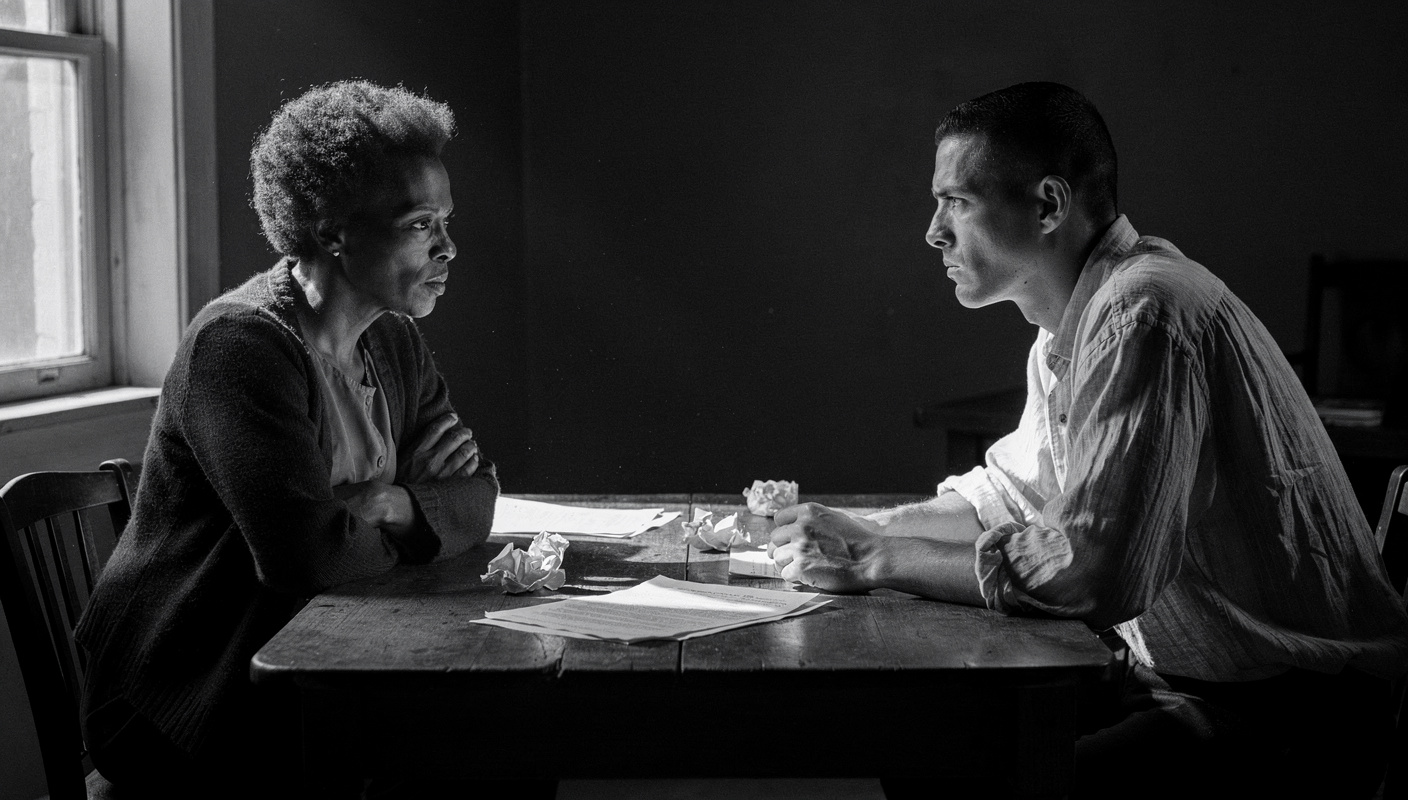
Two companies are negotiating a joint contract. The legal teams have been going back and forth for three weeks on one clause. Both sides are polite. Both sides are immovable. This is not a personality clash. It is a genuine conflict of interests, one side protecting liability exposure, the other protecting operational flexibility. Progress requires someone to name what each side is actually protecting, not just restate their position one more time.
When the conversation reaches a genuine standstill between two people who have stopped cooperating, the D.E.A.L. Method for defusing tension between colleagues who refuse to cooperate gives you a direct path to re-engagement.
When Conflict Surfaces in a Meeting
A salary review is underway. A manager and a direct report have different assessments of the same performance year. The disagreement surfaces in a one-on-one meeting. The employee feels undervalued. The manager feels their judgment is being questioned. Both feel defensive. This is conflict in negotiation in one of its most personal forms, and it is being played out in real time with an audience of two. Knowing how to handle conflict during meetings without letting it derail the conversation is a skill worth preparing for before you need it.
For situations where arguments are escalating and the temperature is rising fast, knowing how to de-escalate arguments during meetings can keep the conversation alive long enough to reach resolution.
When Conflict Becomes Damage
There is a difference between productive tension and a relationship breaking down. Conflict in negotiation becomes destructive when it shifts from the substance of competing interests to something personal. When people stop arguing about what they need and start arguing about each other's character, motives, or worth, the negotiation is no longer the real problem.
I have seen deals fall apart at this stage that had no business failing. Two people, good on both sides, let accumulated tension tip into something that could not be walked back in the room. The numbers were fine. The relationship was gone. Rebuilding after that kind of rupture takes deliberate work. The B.R.I.D.G.E. Method for rebuilding working relationships after tension has created a genuine breakdown is the framework I trust most for that repair work.
What You Actually Do with This Understanding
Here is the truth of it: knowing that conflict in negotiation is normal does not make it comfortable. What it does is stop you from treating discomfort as a signal to retreat. The negotiators I respect most are not the ones who avoid conflict. They are the ones who can sit in it, read it clearly, and use what it tells them.
When conflict surfaces in your next negotiation, do three things. First, name the tension without assigning blame: "It feels like we are stuck on something important here." Second, shift from positions to needs: ask what matters most to the other party and say what matters most to you. Third, slow down before you concede: a rushed concession to end discomfort rarely addresses the real conflict, and often creates a new one.
Conflict in negotiation is not the enemy of a good agreement. Misunderstanding it is. When you can read it clearly, name it calmly, and respond to what is underneath it, you become the kind of negotiator people trust to get to a result that holds.
Frequently Asked Questions (FAQ)
What is conflict in negotiation?
Conflict in negotiation is the friction that arises when two or more parties hold competing interests, needs, or positions that cannot all be satisfied at once. It is a normal and expected part of any serious negotiation, not a sign that the process is failing.
Is conflict in negotiation always a bad thing?
No. Conflict in negotiation signals that both parties have real stakes in the outcome. When managed well, it creates the pressure that drives genuine problem-solving and leads to agreements that actually hold. Conflict only becomes destructive when it shifts from interests to personal attacks.
What causes conflict during a negotiation?
Conflict during negotiation is usually caused by unmet needs, scarce resources, or incompatible positions. It can also stem from poor communication, past grievances, or a breakdown in trust between the parties. Understanding the root cause changes how you respond.
How is conflict different from an impasse in negotiation?
Conflict is the presence of competing interests; impasse is what happens when those interests cannot be bridged with the tools currently on the table. Conflict is the condition, impasse is one possible outcome. Recognising this distinction helps you address the right problem.
How do you handle conflict in negotiation without damaging the relationship?
Focus on interests rather than positions, name the tension without assigning blame, and slow the conversation down before emotions escalate. The relationship survives conflict when both parties feel heard. Attacking the problem together, rather than each other, is what protects the working relationship.
What does unresolved conflict in negotiation lead to?
Unresolved conflict in negotiation erodes trust, stalls progress, and often leads to one or both parties walking away from a deal that could have worked. Over time it damages the relationship so badly that future negotiations become far harder to enter in good faith.