
In Short
Conflict in negotiation is not a sign that things are going wrong. It is a signal pointing to what matters most. The negotiators who get the best outcomes are not the ones who avoid conflict or overpower it. They are the ones who learn to read it, respond to it, and use what it is telling them.
Conflict in negotiation is the friction that arises when two or more parties have interests, needs, or positions that appear incompatible. It is not merely argument or hostility. It is a signal that something beneath the surface has not yet been heard, acknowledged, or addressed.
I have sat across a table from people who were furious, people who had shut down completely, and people who were smiling warmly while sabotaging every proposed agreement. In each case, the conflict was real. But what I learned, slowly and painfully over many years, is that the conflict I could see was never the whole story. There was always something underneath it, driving it, shaping every response the other person gave. Once I started paying attention to that layer, the negotiations I entered changed entirely. Not because I became tougher or more persuasive, but because I finally understood what conflict in negotiation is actually for.
What Conflict Is Really Telling You Across the Table
Most people treat conflict during a negotiation as interference. Something to manage, reduce, or route around as quickly as possible. I understand that instinct. Tension is uncomfortable. When someone hardens their position or raises their voice, the natural impulse is to either push back or back away.
Here is the truth of it: conflict is information. Every moment of friction in a negotiation is pointing at something real. A need that has not been met. A fear that has not been addressed. A value being threatened. The conflict itself is not the problem. It is the signal that a problem exists, and until you read that signal, you are negotiating blind.
Think of it the way you would read weather. A storm does not arrive without warning. There are signs before it, and those signs tell you something about what is coming and why. A skilled negotiator learns to read the signs before the storm fully breaks. They notice when someone's tone shifts, when an agreement that seemed close suddenly stalls, or when a counterpart stops engaging. Those are not random events. They are the conflict speaking before it becomes a confrontation.
"The Conversation You're Avoiding Is the One You Need to Have."
"The Conversation You're Avoiding
Is the One You Need to Have."
Stop rehearsing conversations you'll never have. Say It Right Every Time gives you 115 word-for-word scripts and 16 proven frameworks to speak with confidence in every conversation that matters.
The Mechanism Beneath the Tension
The core dynamic in almost every negotiation conflict comes down to a single distinction: the difference between positions and interests. A position is what someone says they want. An interest is why they want it. These are not the same thing, and confusing the two is the most common reason negotiations fail.
When two parties argue over positions, they can argue indefinitely. Each side digs in. Concessions feel like losses. Ground that is given feels like weakness. The negotiation becomes a contest, and even if someone wins, the relationship suffers and the agreement rarely holds. This is the pattern I have watched repeat itself for decades, in boardrooms, in community halls, and in quiet conversations between people who had once trusted each other.
The moment you shift your attention from what someone is demanding to why they are demanding it, the negotiation changes shape. You may discover that two positions that seemed directly opposed are actually serving completely different interests. That means both can be satisfied, not through compromise, but through a solution neither party had considered. That is what understanding conflict in negotiation makes possible. It is not a soft skill. It is a precision instrument.
If the other party is refusing to move on price, the interest behind that refusal might be budget approval, or fear of setting a precedent, or wanting to feel they drove a good deal. If you only see the refusal, you are stuck. If you understand the interest, you have options. You can address the actual concern and keep the negotiation moving without either party losing face.
For practical tools to work through this kind of conflict in a structured way, the D.E.A.L. Method for resolving conflicts that fracture team synergy gives you a concrete framework to apply.
Where Conflict Shows Up Most Clearly in Negotiations
Let me walk you through three patterns I have seen play out again and again, because the mechanism becomes clearest in specific situations.
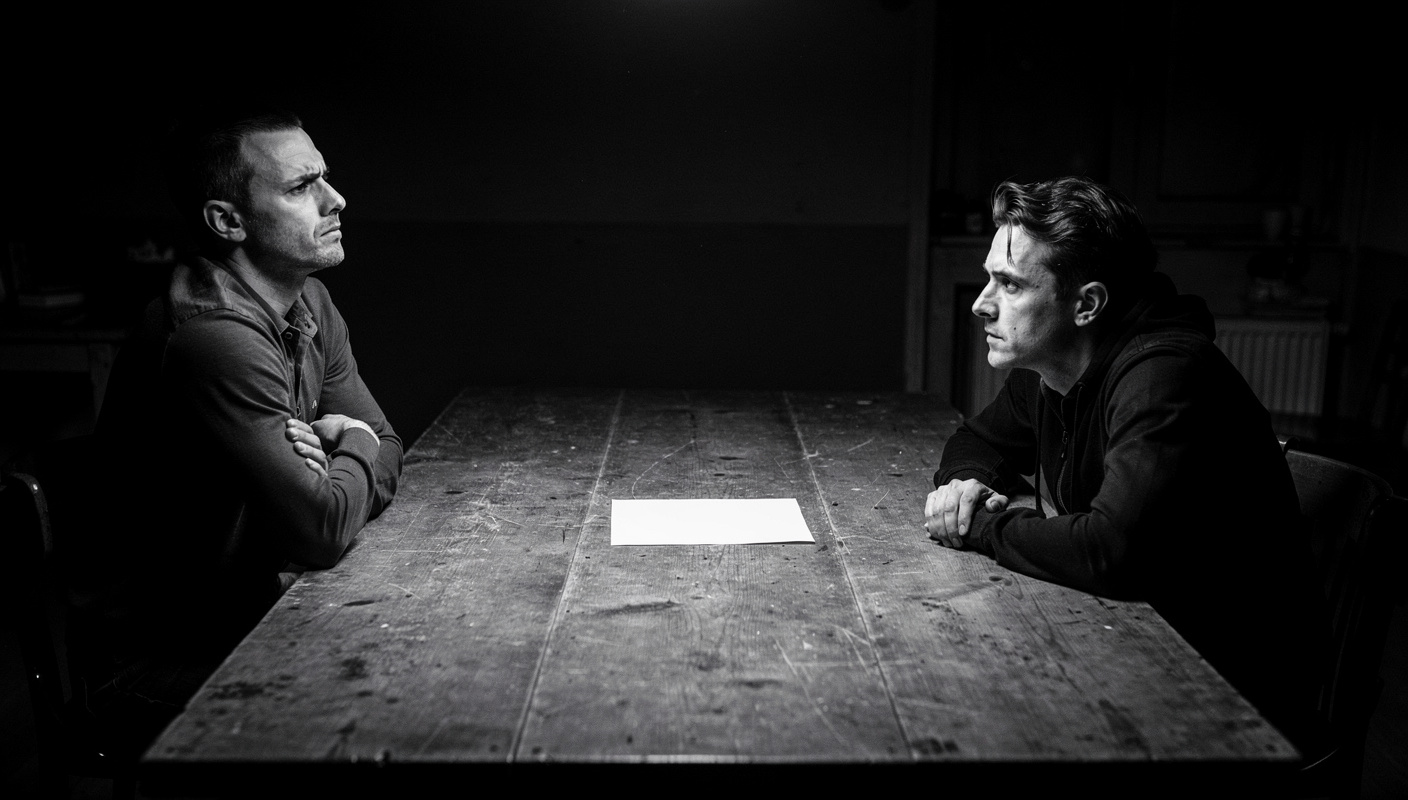
The first is the sudden stall. Everything is progressing well. Both parties seem aligned. Then, without obvious cause, the other person goes quiet or pulls back. This almost always signals an unmet concern rather than a change of mind. Something has been said, or left unsaid, that triggered a worry. The conflict is not on the surface yet, but it is building. The right response is not to push harder. It is to pause and ask a genuine question. "I notice we have slowed down. Is there something we have not addressed that matters to you?" That question opens the door that the stall was closing. If you are dealing with this kind of tension between two people, the guidance in how to handle conflict during meetings is directly relevant.
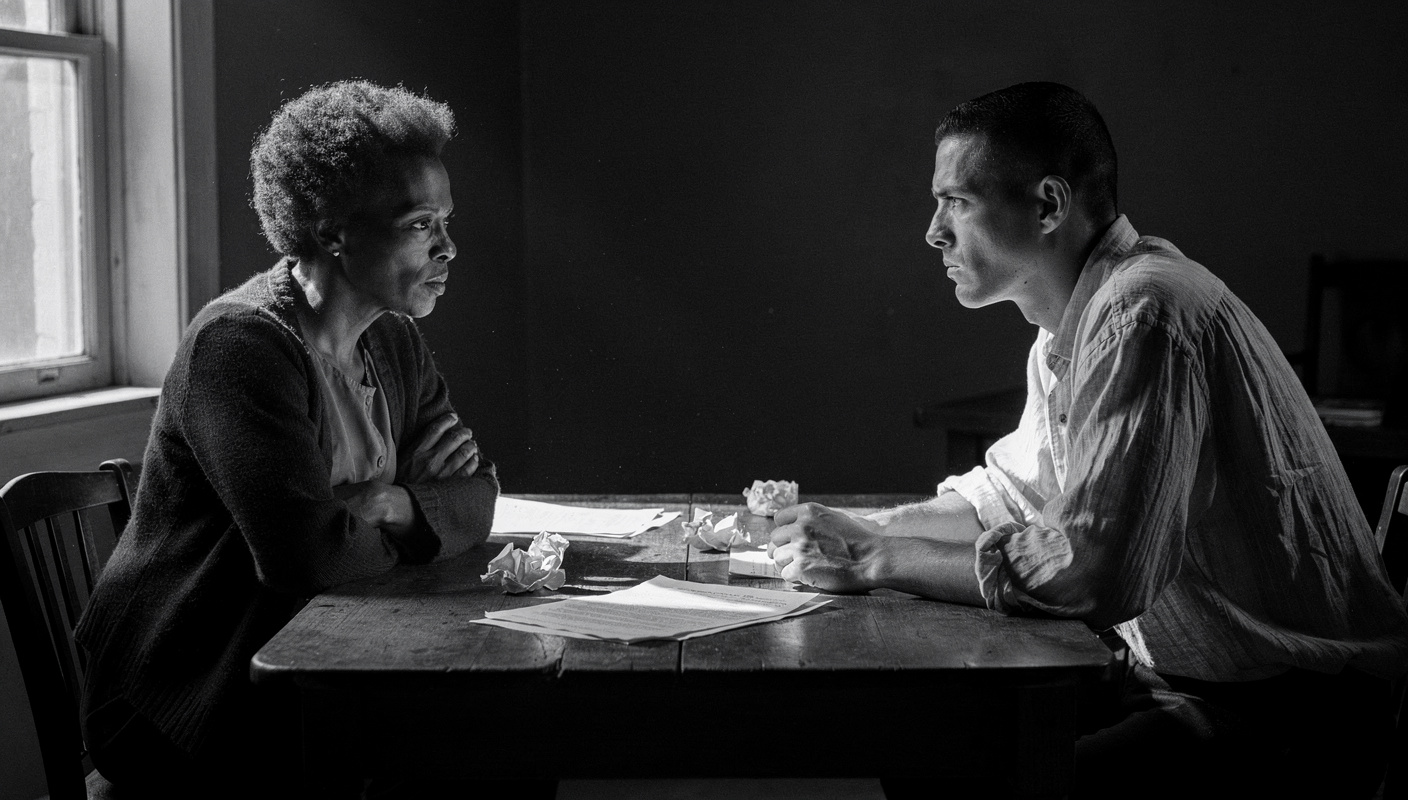
The second pattern is the hardened position. One party states a number, a term, or a condition, and refuses to move regardless of what is offered in return. This looks like stubbornness. It is usually fear. Fear of losing authority. Fear of making a mistake. Fear of what others will think if they concede. When you understand that, your job is not to break the position. It is to give the person a way to move without feeling they have lost anything. That might mean changing the framing, adding something to the agreement, or simply acknowledging what it has cost them to be at the table at all.
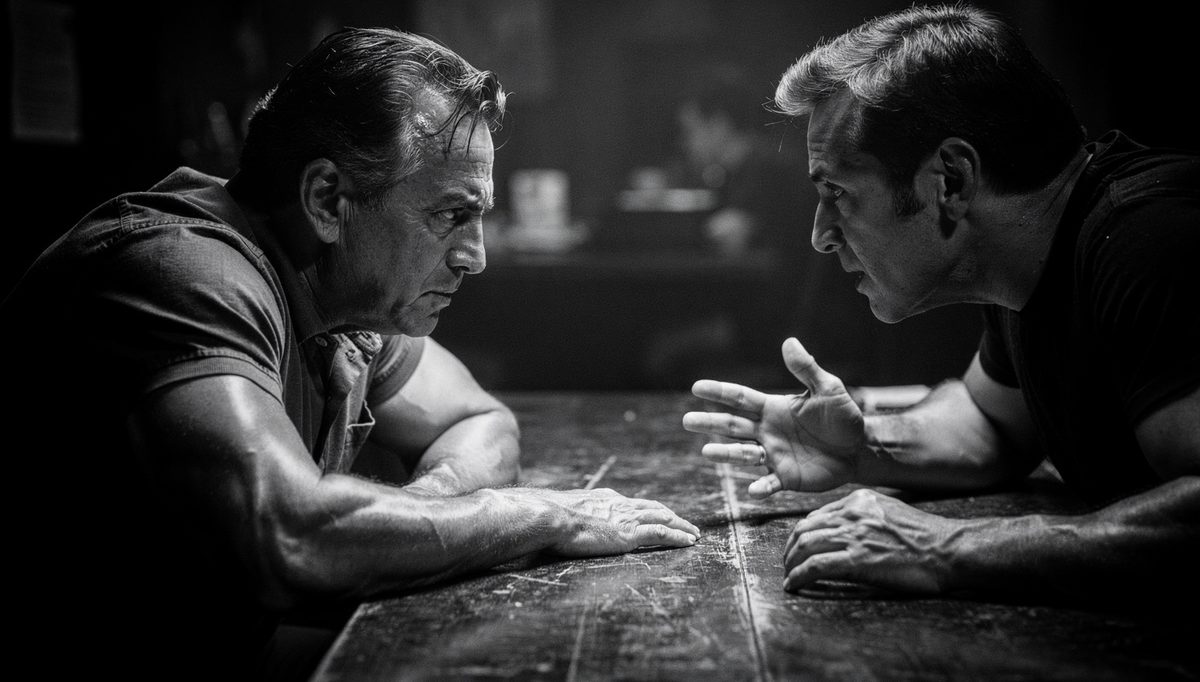
The third is escalating emotion. Voices rise. Language becomes pointed. The negotiation tips toward confrontation. Most people either escalate to match the energy or retreat entirely. Both responses feed the conflict rather than resolving it. The skill here is to stay grounded, name the tension directly, and bring the conversation back to what matters. "I can hear this is important to you. Let us make sure we are actually solving the right problem." That kind of language requires courage, but it works. For specific approaches to this, the techniques in how to de-escalate arguments during meetings are worth applying before any high-stakes negotiation.
Why Most Negotiators Miss This Entirely
The reason this layer of understanding goes unrecognised is straightforward. We are trained from an early age to respond to what is visible. Someone says no, and we hear the no. Someone argues, and we respond to the argument. The idea that the surface behaviour is driven by something deeper requires a kind of patience that pressure tends to eliminate.
Negotiation environments create pressure by design. Time, money, and reputation are on the line. Under that pressure, people revert to what feels direct: stating your position more forcefully, making a better offer, or walking away. None of those responses engage with the root of the conflict. They either overpower it temporarily or abandon it entirely.
There is also a simpler reason. Reading conflict accurately requires that you stay genuinely curious about the other person's experience, even when that person is being difficult. That is not easy. It is easier to label someone as unreasonable than to ask what is making them behave that way. But the label closes the negotiation. The question keeps it alive. The article on how unmet needs drive team conflict explores this dynamic in depth, and the same principles apply directly at the negotiating table.
What This Understanding Lets You Do
Once you see conflict as a signal rather than an obstacle, three things become possible that were not possible before.
First, you can direct your attention to what actually matters. Instead of reacting to a demand, you can ask what is driving it. Instead of defending your position, you can invite the other party to help you understand theirs. This is not passivity. It is precision. You are gathering the information that makes a real solution possible.
Second, you can create movement where there appears to be none. When you understand the interest behind a hardened position, you can offer something that addresses that interest without conceding the thing you need to protect. That kind of creative problem-solving is only visible from the position of understanding. You cannot find it while you are focused purely on the surface.
Third, you can earn trust in situations that seem to have none. When someone in a conflict feels genuinely heard, something shifts. Not immediately, and not always dramatically. But the quality of the conversation changes. People become willing to consider options they had previously refused. That is not manipulation. It is the natural result of one person treating another with real respect. Scripts for building this kind of connection early, before conflict fully takes hold, are available in word-for-word scripts for de-escalating tension with a colleague.
For situations where the relationship itself has broken down, the B.R.I.D.G.E. Method offers a structured path back to working trust. And when two people refuse to cooperate entirely, the D.E.A.L. Method for defusing tension between colleagues can help you intervene effectively before the situation becomes permanent.
The Negotiator Who Reads the Room
After six decades of watching how conflict and negotiation interact, I keep coming back to one distinction. The negotiators who produce lasting agreements are not the ones with the sharpest tactics. They are the ones who can stay present in the middle of tension, read what the conflict is telling them, and respond to the thing underneath rather than the thing on top.
That is a skill. You can practice it. You can prepare for it. Start before your next difficult conversation by asking yourself a single question: what might this person be protecting, and why? Not what are they demanding. What are they protecting? That question alone will change how you enter the room, and how you leave it.
Conflict in negotiation is not the enemy of good outcomes. It is the map, if you know how to read it.
Frequently Asked Questions (FAQ)
What is conflict in negotiation?
Conflict in negotiation is the friction that arises when two or more parties have interests, needs, or positions that appear incompatible. It is not simply argument or hostility. It is a signal that something beneath the surface has not yet been heard or addressed.
How does understanding conflict make you a better negotiator?
When you understand what conflict is actually telling you, you stop reacting to the surface and start responding to the real problem. That shift lets you find solutions the other party did not know were possible, and it builds the trust that holds any agreement together.
Why does conflict in negotiation often go unresolved?
Most people treat conflict as an obstacle to push through rather than a signal to read. They focus on positions instead of the interests driving those positions. Without that shift in attention, negotiations produce agreements that break down or leave one party resentful.
What is the difference between positions and interests in negotiation conflict?
A position is what someone says they want. An interest is why they want it. Conflict in negotiation almost always lives at the level of positions. The resolution almost always lives at the level of interests. Skilled negotiators learn to move between the two with ease.
How do unmet needs create conflict during a negotiation?
When a person feels unheard, undervalued, or threatened, those feelings do not stay quiet. They surface as resistance, hardened positions, and emotional escalation. Unmet needs are the fuel behind most negotiation conflict, and naming them directly is often the fastest way to reduce tension.
Can conflict in negotiation be useful?
Yes. Conflict tells you where the real stakes are. It reveals which issues matter most to the other party and why. A negotiator who can read conflict rather than simply endure it gains information that no amount of preparation alone can provide.