
In Short
Body language shifts before words do. When someone is moving toward quitting or long-term disengagement, their posture, gaze, and gestures change weeks before any conversation happens.
- Closed or turned posture in meetings is one of the first signals to appear.
- Reduced eye contact and the disappearance of expressive gesture follow close behind.
- Missing these patterns early is one of the most costly mistakes a manager can make.
Body language patterns are the clusters of physical signals, including posture, gesture, gaze, and spatial behaviour, that reveal a person's emotional and psychological state. In the workplace, these patterns often communicate disengagement or intent to leave long before any verbal disclosure occurs.
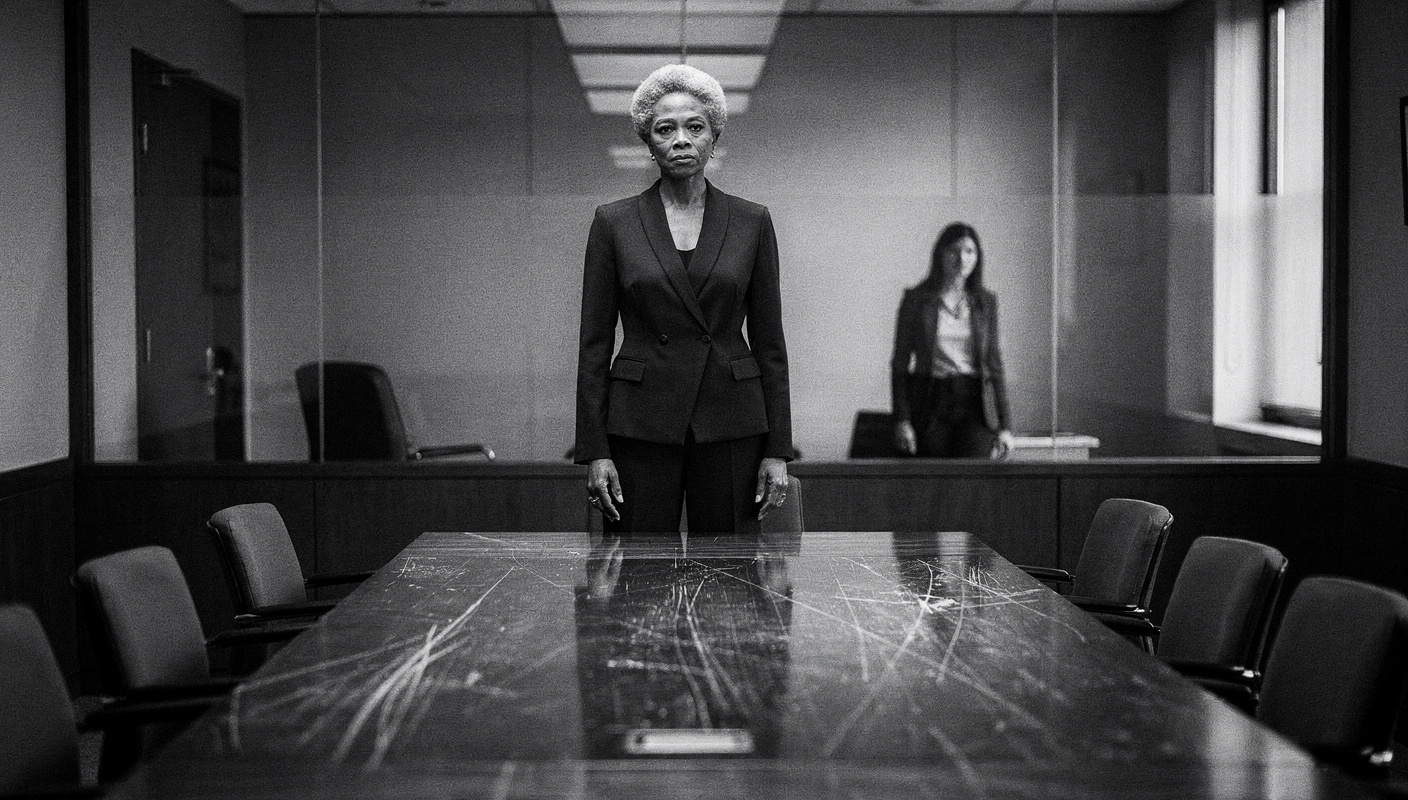
I want to tell you about the moment I first understood this properly. I was sitting in a project review, watching a senior engineer I had known for three years. She used to lean forward, tap the table, catch my eye when something interested her. That afternoon, she sat back, arms folded across her chest, eyes tracking the window behind my head. She had not said a word about leaving. She handed in her notice four days later. I had missed every signal for weeks.
Body language patterns do not lie. They are harder to control than words, and they start shifting long before a person has decided anything consciously. If you learn to read them, you give yourself time to act. If you miss them, you find out from a resignation letter.
What to Watch Before You Read These Examples
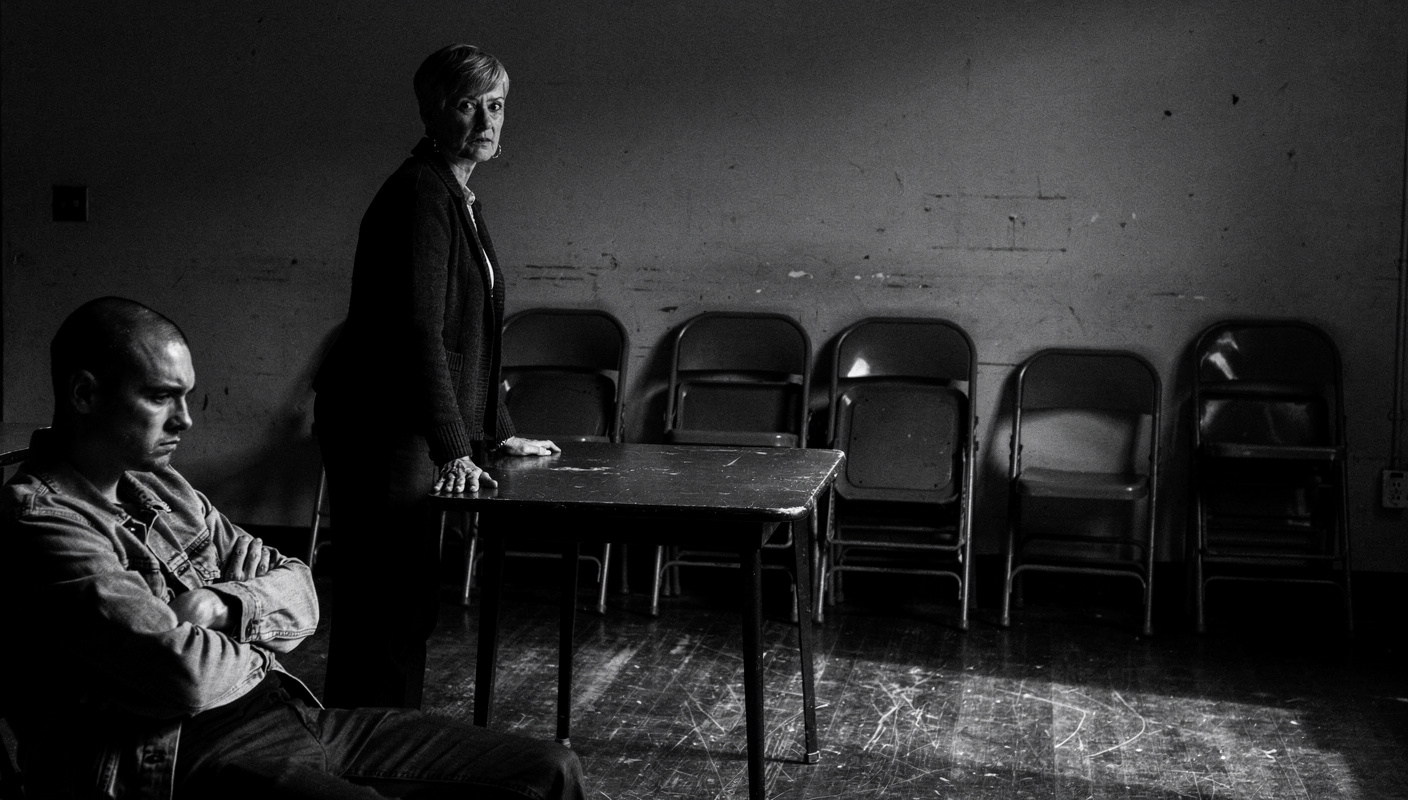
The signals in the examples below are not dramatic. Nobody slams their chair back or storms out. What you are watching for is change: a person who used to hold themselves one way and now holds themselves differently. Nonverbal communication in tense situations often involves sharp, reactive signals. Disengagement is the opposite. It is slow, quiet, and cumulative.
Watch for these physical shifts in combination, not in isolation:
- A person's trunk orientation turning away from the group or the speaker during discussions.
- Shoulders rounding and dropping, as though the effort of sitting up has become too much.
- Eyes that used to hold contact now settling on the table, the wall, or the middle distance.
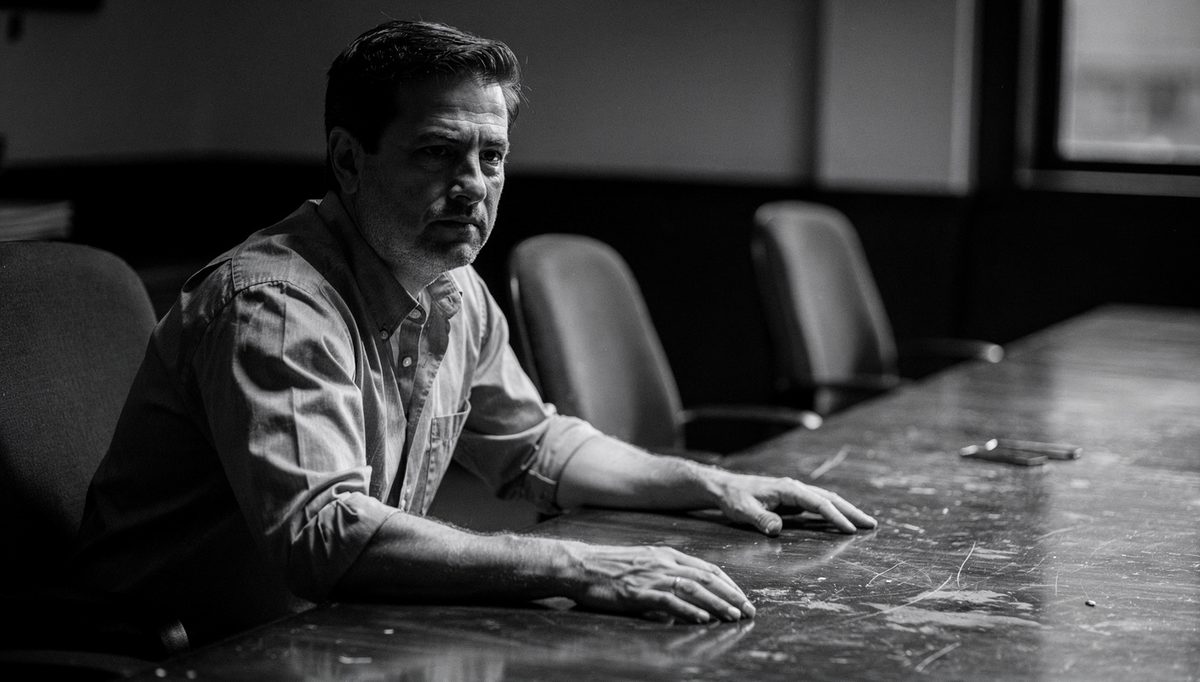
- Hands that used to gesture now resting flat and still, or tucked out of sight.
- A person physically positioning themselves at the edge of a room rather than the centre.
One of these alone means little. All of them, sustained over two or three weeks, means something is ending.
"The Conversation You're Avoiding Is the One You Need to Have."
"The Conversation You're Avoiding
Is the One You Need to Have."
Stop rehearsing conversations you'll never have. Say It Right Every Time gives you 115 word-for-word scripts and 16 proven frameworks to speak with confidence in every conversation that matters.
Five Scenarios Where Body Language Spoke First
1. The Engineer Who Stopped Leaning In
A software team held weekly standups around a narrow table. One developer, a woman in her mid-thirties, had always been the one who leaned forward when someone described a problem. She would rest her elbows on the table, tilt her head, and make eye contact with whoever was speaking.
Over six weeks, the lean disappeared. Her back met the chair. Her arms crossed at her waist. She would nod occasionally, but her gaze moved to her notebook rather than the speaker's face. Nobody commented on it. Her manager read it as focus.
She resigned on a Tuesday morning. Afterwards, her manager admitted the posture shift had been obvious in hindsight. What it revealed was a person who had emotionally uncoupled from the work. The closed stance was not a mood. It was a boundary she had drawn between herself and a job she had already decided to leave.
2. The Account Manager Who Moved to the Edge
In a sales team of eight, one account manager had always arrived early and taken a seat near the front of the room. After a restructure that changed his territory, he started arriving just on time and choosing a chair near the door.
Within three weeks, his physical distance from the group had grown in every setting: standing apart at the coffee station, sitting at the end of the row in all-hands briefings, walking to his desk without stopping to speak. The role of communication in meeting success depends partly on physical presence and proximity; when someone starts physically withdrawing from shared space, the relational thread is already fraying.
He did not quit. But two months later, his performance review revealed he had stopped prospecting entirely. The physical distancing was the first sign that his investment in the team had ended.
3. The Manager Who Noticed Nothing
Here is the one that cost the most. A creative director at a mid-sized agency had a talented copywriter, a quiet man in his forties, who had produced the agency's best campaign two years running. His engagement had always been visible: animated hands when pitching, direct eye contact when receiving feedback, a habit of staying after meetings to keep talking.
The director was managing a difficult client relationship and simply stopped watching his team. Over the space of a month, the copywriter's hands went still. His pitches became flat deliveries, no gesture, no expression. He stopped staying after meetings. He began answering questions with the minimum number of words.
The director noticed none of it. The copywriter resigned and took two junior colleagues with him. When the director later described the month before the resignation, every signal was there. He had been watching the client, not the room. What the amygdala hijack does in high-pressure moments is worth understanding here: when a manager is under stress, their attentional field narrows. They stop reading the people around them altogether. The cost, in this case, was severe.
4. The New Hire Who Never Settled
A project coordinator joined a logistics team and spent her first two weeks physically open: turned toward conversations, nodding, asking questions, making eye contact across the table. By week four, her posture had shifted. She sat sideways in her chair, one shoulder angled toward the door. Her eye contact during briefings lasted a second before dropping.
Her manager assumed she was shy. In reality, she had decided within a month that the team culture was not what she had been promised. Her body had adjusted to a room she was already planning to leave. She resigned at the eight-week mark, before her probation review. How to handle conflict during meetings addresses what to do when tension surfaces in the room; what nobody addressed here was the quieter conflict inside one person that never surfaced at all.
5. The Team Lead Who Pulled Back in Plain Sight
A team lead at a manufacturing firm had been vocal in every operations meeting for two years: challenging figures, volunteering for problem-solving, using open gestures when making a point. After a promotion she had expected was given to a colleague, something changed.
She still attended every meeting. She still answered when spoken to. But her arms folded early and stayed folded. Her chin dropped slightly. When she did speak, her hands stayed in her lap. Her eye contact shifted from direct to glancing: a quick look at the speaker, then away. How to de-escalate arguments during meetings and how to manage tension after a public disagreement both address visible conflict. This was invisible conflict, carried entirely in the body.
Her manager eventually noticed and asked for a private conversation. It was four weeks too late for the trust, but not too late for the relationship. She stayed, but the physical signals had been accurate: she was three weeks from submitting her resignation when the conversation finally happened.
The Patterns That Run Through All Five
Three things recur across these scenarios, and they are worth naming clearly.
The first is that posture changes before words do. In every case, the trunk orientation, the shoulder position, and the spatial choices shifted weeks before any verbal disclosure. The body does not wait for the mind to decide. It responds to emotional reality in real time.
The second is the disappearance of gesture. Engaged people move. They lean, tap, point, nod with energy. Disengaging people go still. Not tense, but flat. When you watch someone who used to gesture freely become physically inert, that stillness is communicating something precise.
The third is gaze withdrawal. How to deal with dominant voices in a discussion involves reading who is engaged and who has retreated. The person whose eyes no longer seek contact has already moved to a different conversation inside their own head.
What These Patterns Mean for You Right Now
If you manage people, run this mental scan across your team today. Picture each person in your last meeting. Did they sit where they usually sit? Did they hold themselves the way they usually do? Did their hands move? Did their eyes hold?
If someone has shifted in two or three of these areas over the past few weeks, do not wait for a performance review. Create a private, unhurried conversation. Not "I noticed your body language." That leads nowhere. Ask instead what they need, what is working, what is not. Make it safe for the substance behind the signals to come out.
The body language patterns of disengagement are not a diagnosis. They are an invitation to act before the conversation becomes a resignation letter. Miss them, and you will be reading the letter wondering when it started. Catch them early, and you give yourself and the other person a real chance to change what comes next.
Frequently Asked Questions (FAQ)
What body language patterns show someone is about to quit?
The most reliable patterns include reduced eye contact, physically turning away from the group, slumped or closed posture in meetings, shorter physical proximity to colleagues, and a near-total absence of expressive gesture. These signals often appear together over several weeks before a resignation.
How early do body language patterns appear before someone disengages?
In most cases, the physical signals appear two to six weeks before a person resigns or fully withdraws. Posture and gaze shifts tend to come first. Gesture withdrawal and physical distancing follow as disengagement deepens. Catching it early gives you a real chance to intervene.
Can body language patterns predict long-term disengagement?
No single gesture predicts anything on its own. But a cluster of signals, especially posture change, gaze aversion, and reduced gesture, held consistently over time, is a strong indicator of someone moving toward exit. Pattern and duration matter more than any isolated movement.
What is the difference between stress and disengagement in body language?
Stress produces tension: tight jaw, rigid posture, rapid small gestures. Disengagement produces the opposite: slackness, stillness, reduced movement. A stressed person leans in and fights. A disengaging person leans back and stops. If you see the tension drain away into flatness, that is the warning sign.
How should a manager respond to these body language patterns?
Do not call out the posture directly. Instead, create a private, low-pressure conversation. Ask open questions. Listen without fixing. The goal is to make it safe for the person to say what their body has already been communicating. Acting on the signals early, not after the resignation letter, is what makes the difference.
Why do managers miss body language patterns of disengagement?
Managers often interpret silence and stillness as contentment. They are watching for conflict, not quiet withdrawal. When someone stops complaining, it feels like a resolution. In reality, the absence of engagement, no questions, no pushback, no eye contact, is often the loudest signal of all.