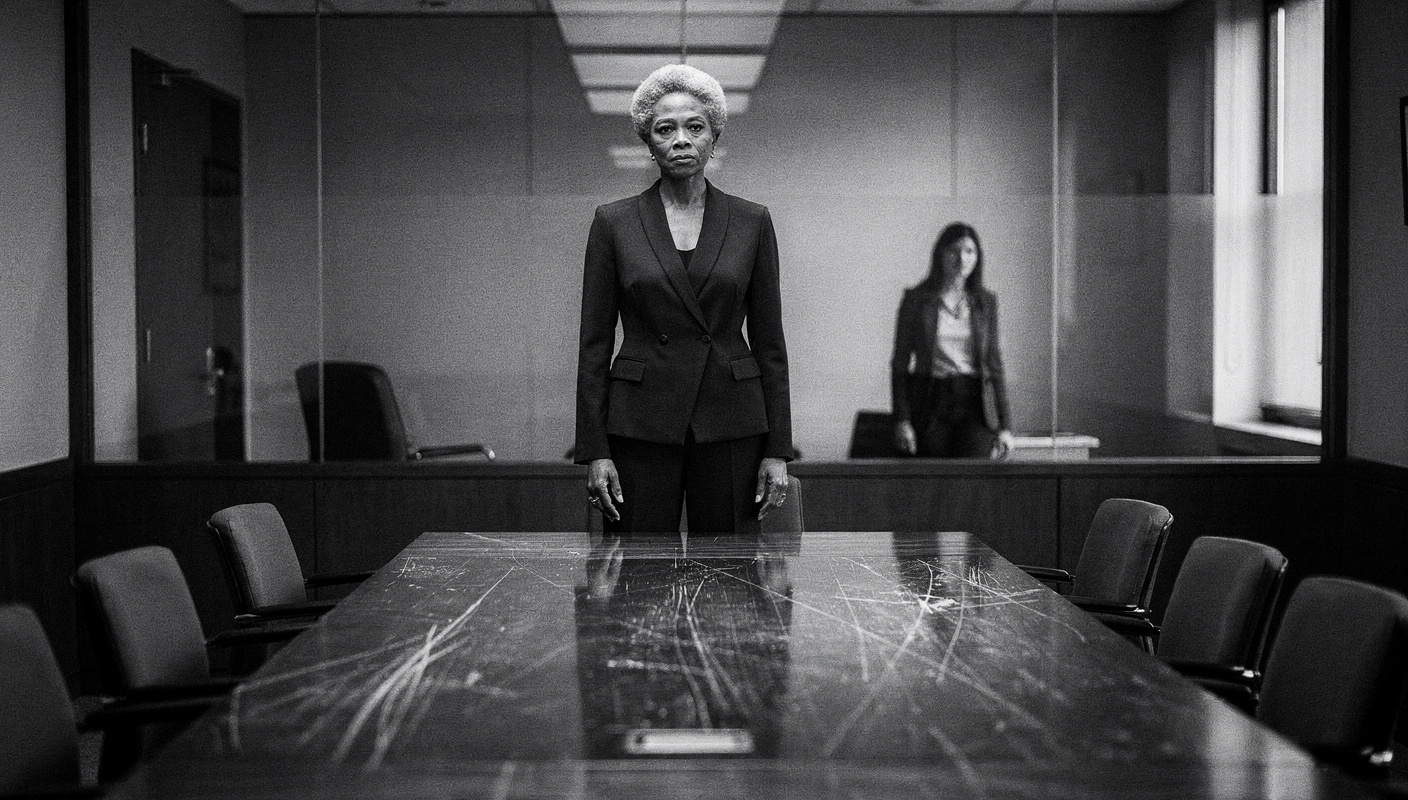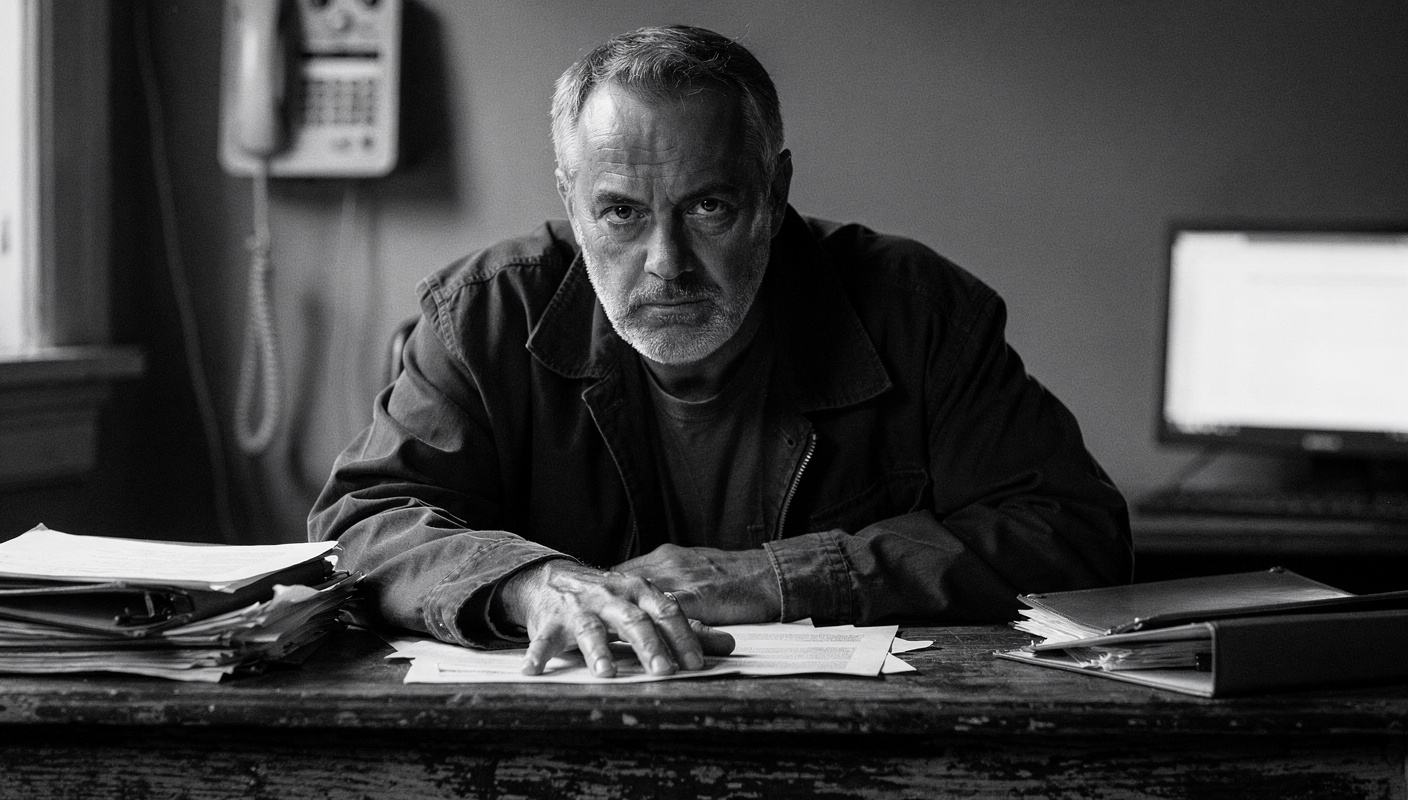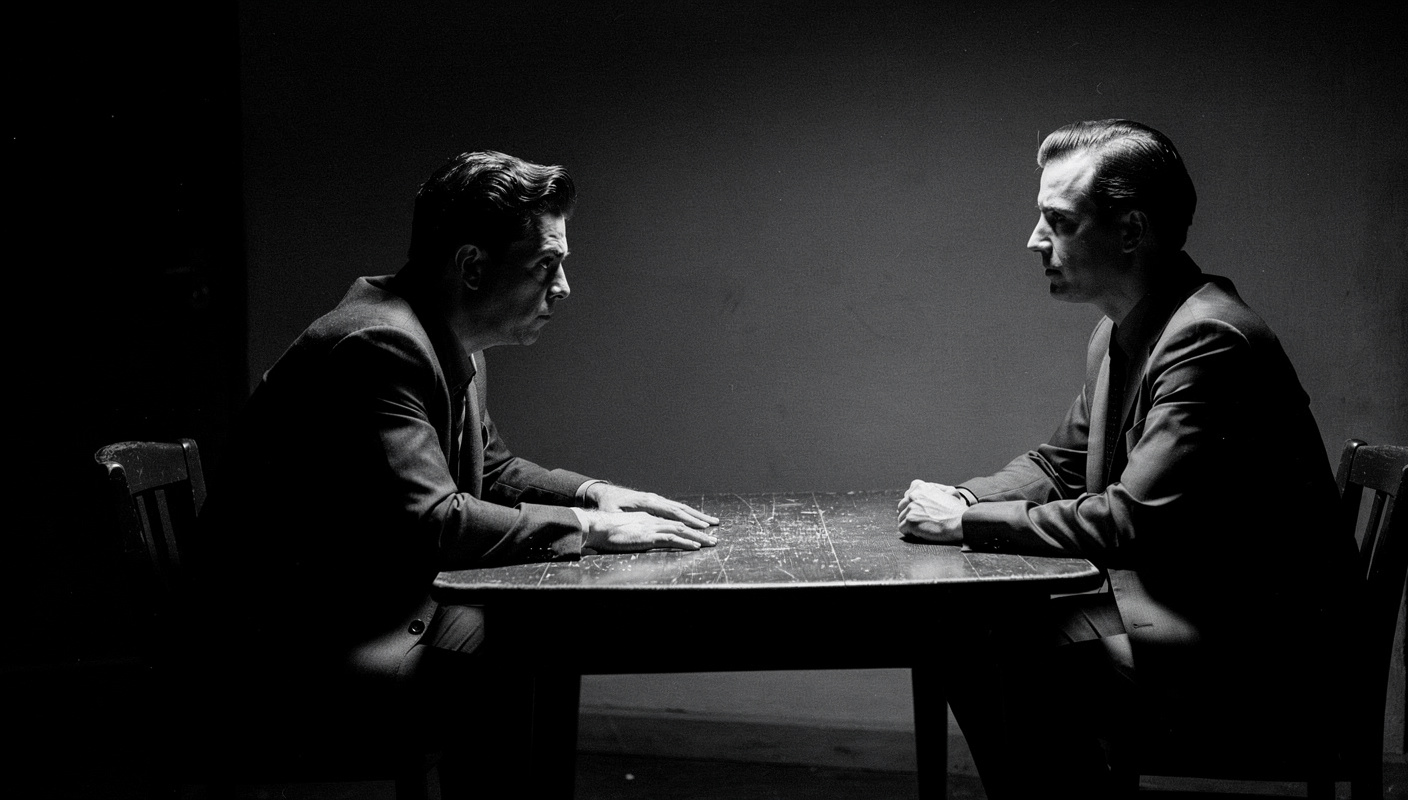

In Short
Patience body language is not about going still and quiet. It is about using your physical presence to signal calm strength.
- Stillness without engagement reads as indifference; the goal is controlled, deliberate composure.
- Your posture, hands, gaze, and breathing each send a separate signal that others read simultaneously.
- The right combination tells people you are choosing to wait, not that you have given up.
Patience body language is the set of deliberate physical signals, including posture, stillness, hand position, and gaze, that communicate calm composure and continued engagement. It distinguishes active, grounded waiting from passive withdrawal or disinterest, and it signals strength rather than submission.
There is a moment most people know. The meeting has gone sideways. Someone is repeating themselves for the third time, or a decision is being delayed again, and you feel the frustration climb up your chest. You want to look patient. You tell yourself to stay calm. And so you sit back, cross your arms, drop your eyes to the table, and go quiet.
You think you look composed. The room reads you as checked out, defensive, or sulking. That gap between your intention and your physical signal is where patience body language breaks down for most people. The difficulty is real: patience is an internal state, but what others respond to is entirely physical. Keeping your body open, upright, and engaged when your instinct is to close down or retreat takes a specific, practiced set of skills. This guide gives you that process, step by step.
Why Stillness Alone Fails to Signal Calm Strength
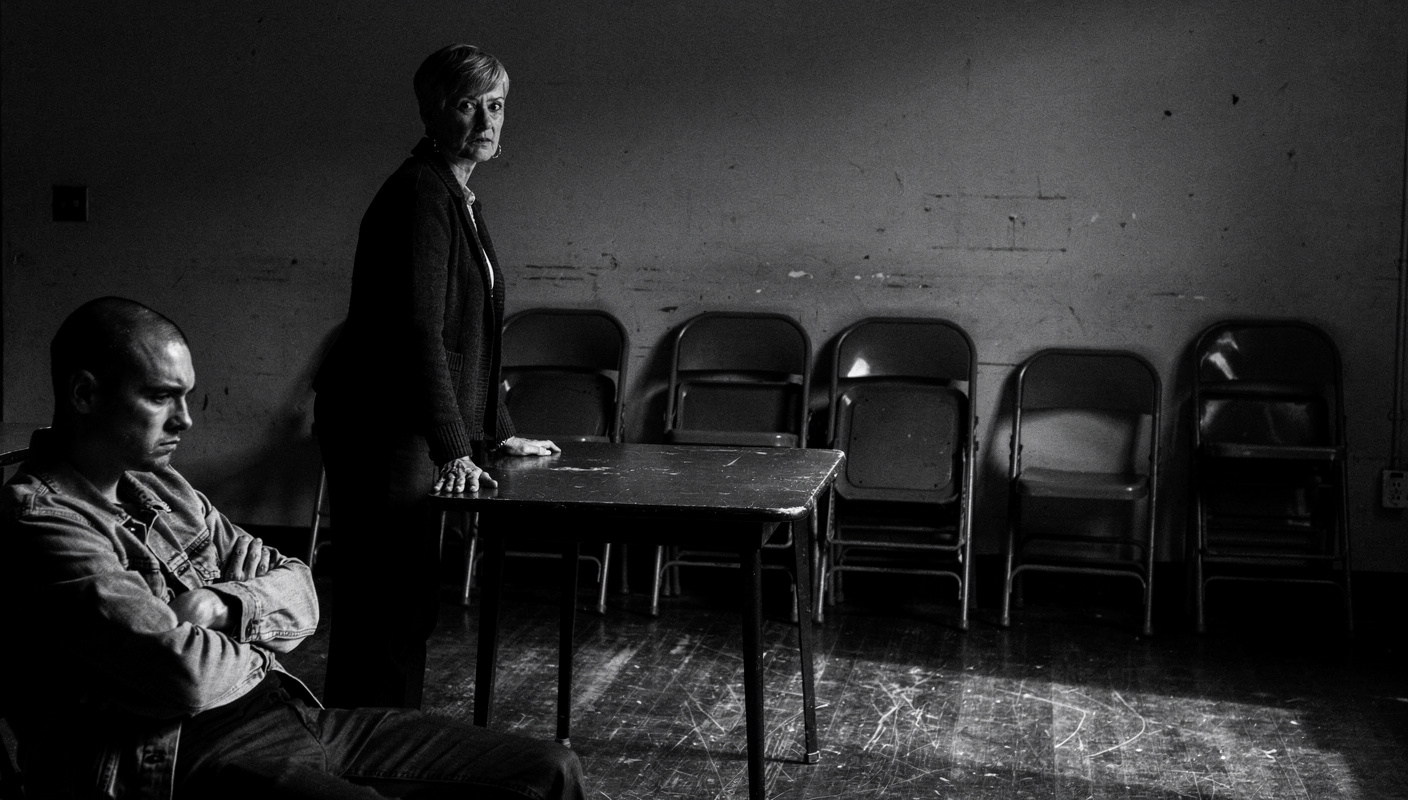
Here is the truth of it. Stillness and patience are not the same thing. Stillness without visible engagement reads as absence. When you go quiet and pull back physically, you are not sending a signal of calm; you are sending a signal of withdrawal.
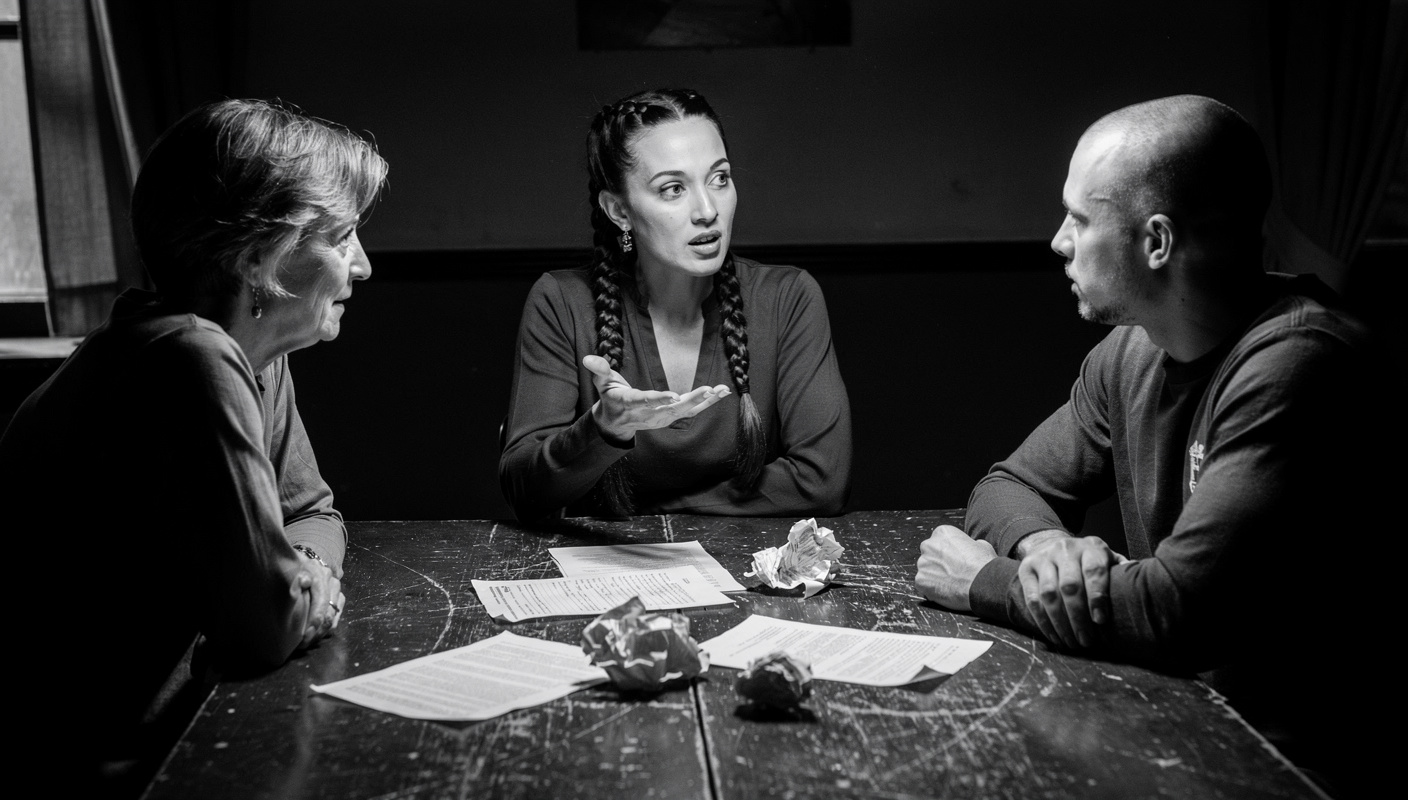
The body language of genuine patience has two qualities working together: physical composure and visible attention. You need to look settled and you need to look present. Either one without the other produces the wrong message. Composure without attention looks passive. Attention without composure looks anxious.
This is why people keep getting misread. They manage one half of the equation and ignore the other. You cannot solve this with willpower alone; you need a physical system you have already practiced before the moment arrives.
"The Conversation You're Avoiding Is the One You Need to Have."
"The Conversation You're Avoiding
Is the One You Need to Have."
Stop rehearsing conversations you'll never have. Say It Right Every Time gives you 115 word-for-word scripts and 16 proven frameworks to speak with confidence in every conversation that matters.
What You Need Before You Begin
Before any of the steps below will work, you need one thing in place: a genuine grip on your own physical state. Body language is downstream of physiology. If your jaw is clenched, your breathing is shallow, and your shoulders are up near your ears, no adjustment to your hand position is going to read as calm.
Spend thirty seconds before a difficult conversation doing three slow, deliberate breaths. Breathe out longer than you breathe in. Drop your shoulders consciously. Unclench your jaw. This is not a relaxation exercise; it is preparation. You are resetting your baseline so that the physical signals you send are readable, because a body in fight-or-flight produces distorted signals no matter what you intend.
In tense conversations, nonverbal signals carry enormous weight, and they are far harder to control when you are already flooded. Prepare your body first.
The Six-Step Process for Patience Body Language
Step 1: Anchor Your Spine
Sit or stand with your spine upright, but not rigid. Think of it as a grounded, settled uprightness rather than military posture. Your back should not be pressed into the chair; you should be holding your own weight.
An upright spine signals presence and confidence. Leaning too far back reads as disengagement or superiority. Slumping forward reads as defeat. The middle position, spine long and relaxed, says: I am here, I am not going anywhere, and I am not rattled.
If you are standing, plant your feet roughly shoulder-width apart. Do not shift your weight from foot to foot. Restless movement in the legs is one of the most common ways impatience leaks out physically, even when the face looks calm.
Step 2: Open Your Hands
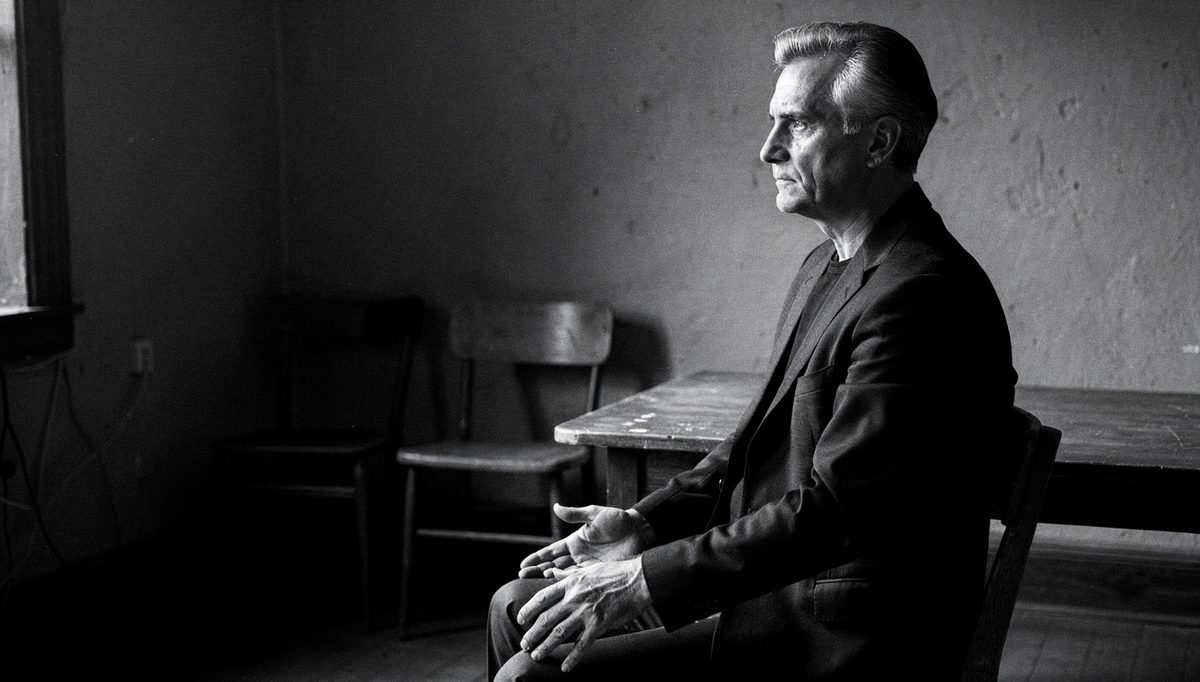
Place your hands where they are visible, either resting on the table or open in your lap. Open palms are one of the most legible signals of non-aggression and openness in human communication. Crossed arms or hands hidden under the table create an invisible wall.
You do not need to perform open hands theatrically. Simply rest them, fingers relaxed and slightly apart. If you are in the habit of gripping your own wrists, interlacing your fingers tightly, or pressing your knuckles together under stress, practice releasing that grip before conversations become tense.
A concrete cue: when you feel the urge to cross your arms, place one hand flat on the table and the other in your lap, palm up. It is a small act, but it changes your physical baseline immediately.
Step 3: Keep Your Gaze Steady and Warm
Eye contact is where patience body language either holds or falls apart. Dropping your gaze to the table during a tense moment reads as avoidance or shame. Locking eyes without blinking reads as confrontation. The goal is a steady, warm gaze that makes contact regularly without staring.
A practical rhythm: maintain eye contact for roughly five seconds, let your gaze move naturally to another part of their face or just past their shoulder, then return. This keeps you visibly attentive without creating the pressure of a sustained stare.
If someone is speaking at length, your eyes should be on them. Looking around the room while someone talks is one of the fastest ways to signal that you have stopped listening, regardless of how patient you feel inside.
Step 4: Nod Slowly and Deliberately
A slow, deliberate nod is one of the most powerful tools in patience body language. It tells the other person that you have heard them, without requiring you to speak. It keeps the conversation moving when silence might feel like judgment.
The key word is slow. A rapid, repetitive nod reads as impatience: I heard you, I heard you, now stop. A single, measured nod reads as: I am taking that in. Practice this difference. Record yourself if you need to; most people discover their nods are far faster and shallower than they realise.
Pair the nod with a neutral or slightly softened facial expression. A blank face alongside a slow nod can read as condescending. A subtle soften around the eyes, not a smile, keeps the signal warm rather than cold.
Step 5: Resist the Urge to Fill Silence
This step is about restraint, which is its own form of physical discipline. When a silence opens up, the body's instinct is to fill it: leaning forward, opening the mouth, gesturing. These micro-movements signal urgency and undercut the patience you have been building.
Learn to let silence sit. Keep your posture, your open hands, and your gaze in place. Do not reach for your phone or your notes. Do not clear your throat repeatedly. Simply hold the physical position you have established.
The 3-second pause is one of the most effective tools for managing this. Count internally to three before responding. Your body will stay settled because you have given it a task.
Step 6: Calibrate Your Lean
Leaning forward slightly signals engagement. Leaning back signals distance. Both have their place, and knowing when to use each is the finishing skill of patience body language.
When someone is expressing frustration or working through a difficult point, a subtle forward lean, perhaps five to ten degrees, tells them you are with them. When you are waiting for them to reach a conclusion you have already heard twice, maintaining an upright neutral position avoids the appearance of either rushing them or withdrawing from the conversation.
What you want to avoid is a sudden, dramatic lean backward at the moment tension rises. That single movement can undo everything else. The body reads fast, and a retreat at the wrong moment signals that their words have landed a blow, even when you intend it as composure.
How Patience Body Language Changes on a Video Call
Everything above applies on video, but the frame changes the game. On a screen, your body is compressed into a small rectangle. Posture and facial expression carry almost all the weight because your hands and lower body may not even be visible.
Sit upright with the camera roughly at eye level. Looking down into a laptop camera makes you appear closed off and physically dominant; it is not the signal you want in a tense exchange. Keep your gaze toward the camera lens, not the screen. Looking at someone's face on the screen while you speak means your eyes are pointed slightly downward, which reads as avoidance.
Use slow, deliberate nods as you would in person, and resist the urge to look away when you are thinking. On video, a glance to the side reads as distraction. If you need a moment to think, hold the gaze and say so directly: "Give me a second." That is far cleaner than a wandering eye.
When workplace tension runs high in remote settings, small physical signals become magnified. A tight jaw or a slight frown can dominate the frame in ways that would barely register in a large meeting room.
Where People Go Wrong
Three patterns come up again and again. I have fallen into each of them myself.
The mistake: Crossing arms and calling it composure.
Why it happens: When we feel defensive, closing the front of the body feels protective. It is an instinct.
What to do instead: The moment you notice your arms crossing, place both hands flat on the table or open in your lap. The physical act of opening interrupts the defensive signal.
The mistake: Going expressionless to look neutral.
Why it happens: People confuse a blank face with a calm one. Blanking out feels controlled internally.
What to do instead: Allow a subtle softness around the eyes. Slightly relax the muscles around your mouth. Expressionlessness reads as coldness or contempt, not patience.
The mistake: Breaking gaze at the moment tension peaks.
Why it happens: Intense moments feel uncomfortable to witness, and looking away is instinctive relief.
What to do instead: Hold the gaze through the difficult moment. Looking away is when the room decides you cannot handle it. Practice holding a steady gaze in low-pressure conversations so it is available to you when you need it.
If you are working through a tense situation and need a broader framework to stay grounded, the C.O.R.E. Framework pairs well with the physical skills above. Physical composure and a mental framework reinforce each other.
Equally, preparing before a conversation matters as much as what happens during it. The Empathy Bridge Technique helps you lower the room's temperature before you even sit down, which makes the body language easier to hold.
Before the Next Difficult Conversation: Your Physical Checklist
Run through this in the sixty seconds before a challenging conversation begins.
- Take three slow, deliberate breaths, exhaling longer than you inhale.
- Drop your shoulders away from your ears consciously.
- Unclench your jaw and relax your tongue from the roof of your mouth.
- Place both feet flat on the floor if you are seated.
- Open your hands and rest them where they are visible.
- Set your spine upright, neither pressed back into the chair nor hunched forward.
- Soften the muscles around your eyes slightly.
Carry this into the conversation. When you feel tension rising, return to item one. The breath resets the baseline; the rest of the list follows from there.
When you are giving feedback and need your physical composure to support a difficult message, the S.B.I. Method gives your words the same precision your body language gives your presence. And if the conversation risks triggering a defensive shutdown, this guide to using S.B.I. in high-tension situations walks you through the adaptation.
The Difference Between Waiting and Withholding
Here is what I have learned after sixty years of getting this wrong more often than right. Patience, the real kind, is not about going quiet and shutting down. It is about staying fully present while choosing not to push. The body has to reflect that choice, not hide it.
When your posture is grounded, your hands are open, your gaze is steady, and your breathing is slow, the room does not see someone who has given up. They see someone who has the strength to wait. That is the signal you are building. Patience body language, practised and applied consistently, earns you a kind of respect that urgency and pressure never will.
Frequently Asked Questions (FAQ)
What is patience body language?
Patience body language refers to the deliberate physical signals you use to communicate calm and composure without withdrawing or going limp. It includes upright posture, open hands, steady gaze, and controlled breathing. The goal is to look grounded and engaged, not passive or indifferent.
How do you show patience without looking disinterested?
Keep your spine upright, maintain regular eye contact, and orient your body toward the other person. Small, deliberate nods and an open hand position signal that you are present and listening. Stillness communicates strength when paired with an engaged, forward-leaning posture.
Why does patience body language matter in the workplace?
In high-tension moments, how you carry yourself shapes what others believe about your intent. A slumped or averted posture reads as withdrawal. Rigid stillness reads as hostility. Deliberate, open physical composure tells people you are calm, capable, and still fully engaged.
Can patience body language be learned and practiced?
Yes, and it must be practiced before a high-stakes moment arrives. Like any physical skill, the signals of calm composure need to be rehearsed until they become natural. Practicing in low-pressure conversations builds the muscle memory you will need when tension rises.
What are the most common body language mistakes when trying to look patient?
The most common errors are crossing arms tightly, dropping eye contact, leaning back too far, or freezing the face into a blank expression. Each of these reads as either defensiveness or detachment. The correction is to stay open, upright, and visibly engaged through controlled movement.
How does patience body language differ in remote or video calls?
On a video call, your frame is compressed to a small rectangle. Posture, facial expression, and hand position carry nearly all the weight. Sit upright, keep your gaze toward the camera lens rather than the screen, and use slow, deliberate nods to signal that you are listening without interrupting.