
In Short
Body language in job interviews tells both sides of the table far more than prepared answers do. Posture, eye contact, and gesture shape the impression of confidence and competence before a single word lands.
- Candidates who understand their own physical signals can prepare for high-pressure moments rather than react to them.
- Interviewers send signals too, and those signals directly affect how candidates perform.
- At least one of the scenarios below shows what it costs when physical cues are ignored.
Body language interviews refers to the physical signals, including posture, gesture, eye contact, and movement, that both candidates and interviewers transmit and receive during a job interview. These nonverbal cues shape perceptions of confidence, credibility, and fit, often before a single spoken word registers.
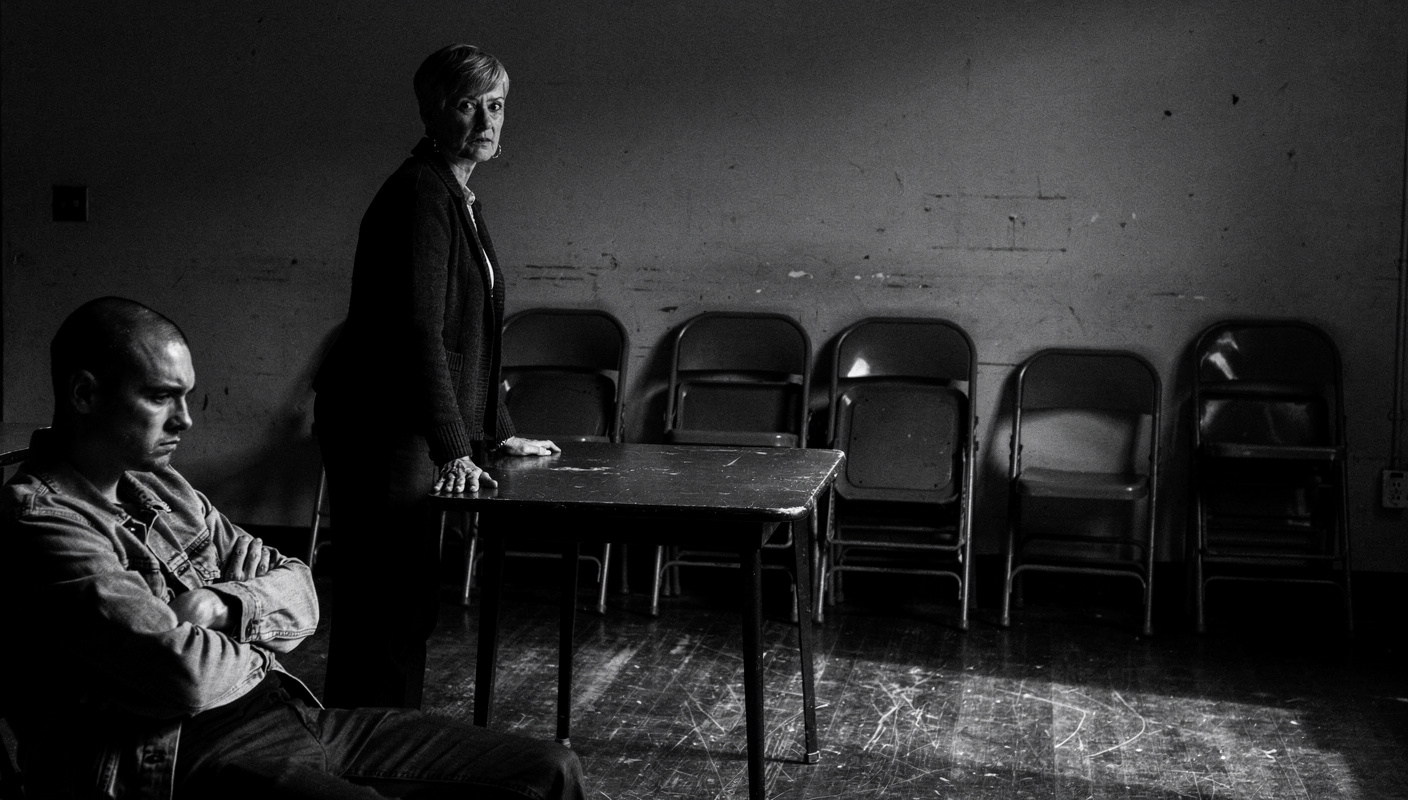
I watched a senior candidate lose a role he was clearly qualified for. He answered every question well. His experience was strong. His references were excellent. But from the moment he sat down, his shoulders curved forward, his eyes drifted to the table between answers, and his hands moved constantly without purpose. The panel told me afterward they found him unconvincing. Not wrong. Not unprepared. Just unconvincing. That is the power of body language, and it works the same way on both sides of the table.
What to Watch Before You Judge the Words
Most people treat an interview as a verbal exercise. Prepare your answers, manage your nerves, say the right things. But the physical layer is running underneath all of it, and it communicates without your permission.
Before you read the examples below, here is what to watch for. On the candidate's side: does the posture hold under pressure, or does it collapse when a hard question arrives? Do the hands reinforce what is being said, or contradict it with constant movement? Does eye contact stay steady, or does the gaze drop exactly when confidence is claimed? On the interviewer's side: does their body stay engaged, or does it signal that a decision has already been made? These are not tricks. They are signals, and they carry real weight in how both parties are perceived.
For more on how physical presence shapes high-stakes conversations beyond the interview room, the piece on nonverbal communication in tense situations covers the same signals in a different context.
"The Conversation You're Avoiding Is the One You Need to Have."
"The Conversation You're Avoiding
Is the One You Need to Have."
Stop rehearsing conversations you'll never have. Say It Right Every Time gives you 115 word-for-word scripts and 16 proven frameworks to speak with confidence in every conversation that matters.
Five Scenarios From the Interview Room
1. The Candidate Who Arrived Confident and Sat Down Differently
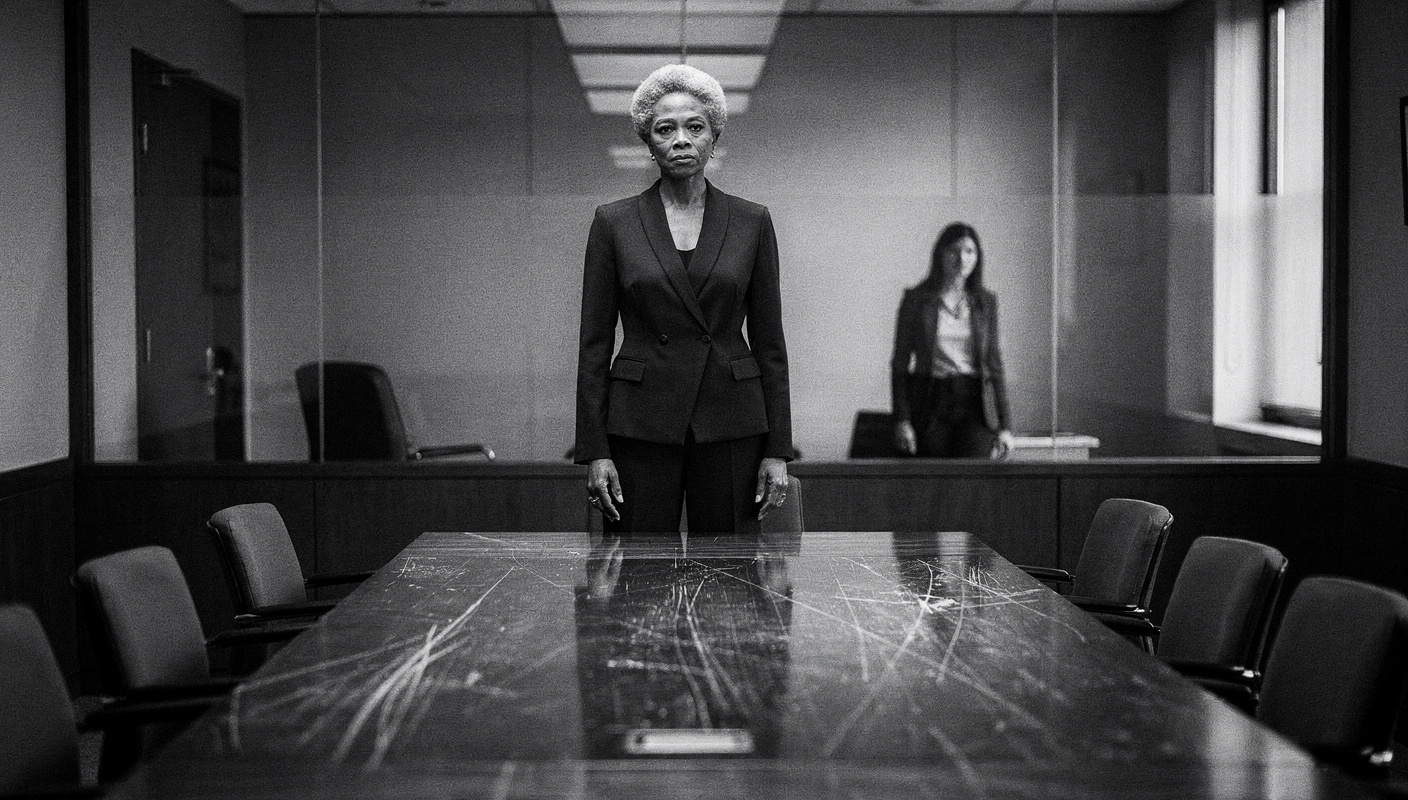
A marketing director candidate walked into the room with purpose. Firm handshake, steady eye contact at the door, good opener. Then she sat down, and something shifted. Her chair was slightly too low for the table. She compensated by leaning forward and resting both forearms on the surface, which curved her shoulders inward and shortened her neck. She did not notice. The panel did.
Her answers were sharp. But every time she finished speaking, she pulled both arms back toward her body and looked briefly at the table. That single repeated habit read as self-doubt, even though she felt confident. One panel member told me later: "She seemed less sure of herself as the interview went on, even though her answers got better."
The lesson here is that one repeated gesture carries more weight than you intend. A habit you do not see becomes a signal the room cannot ignore.
2. The Interviewer Who Closed the Room Down
A hiring manager at a mid-sized logistics company prided herself on running efficient interviews. She took detailed notes throughout, head down, pen moving. When candidates spoke, she rarely looked up. When she did, her expression was neutral and unreadable.
Three candidates in a row gave short, flat answers. A fourth asked afterward whether the role was still open, unsure whether the company was actually interested. The hiring manager was engaged. She simply did not show it. Her downward gaze and stillness of expression sent a message she never intended: this conversation does not matter.
Interviewers carry responsibility for the physical climate of the room. When you stay aware of your own posture and gaze, you give candidates the space to perform. When you do not, you get the version of them that anxiety produces. The role of physical signals in shaping group dynamics is something I also explore in the role of communication in meeting success.
3. The Candidate Who Held Still Under Pressure
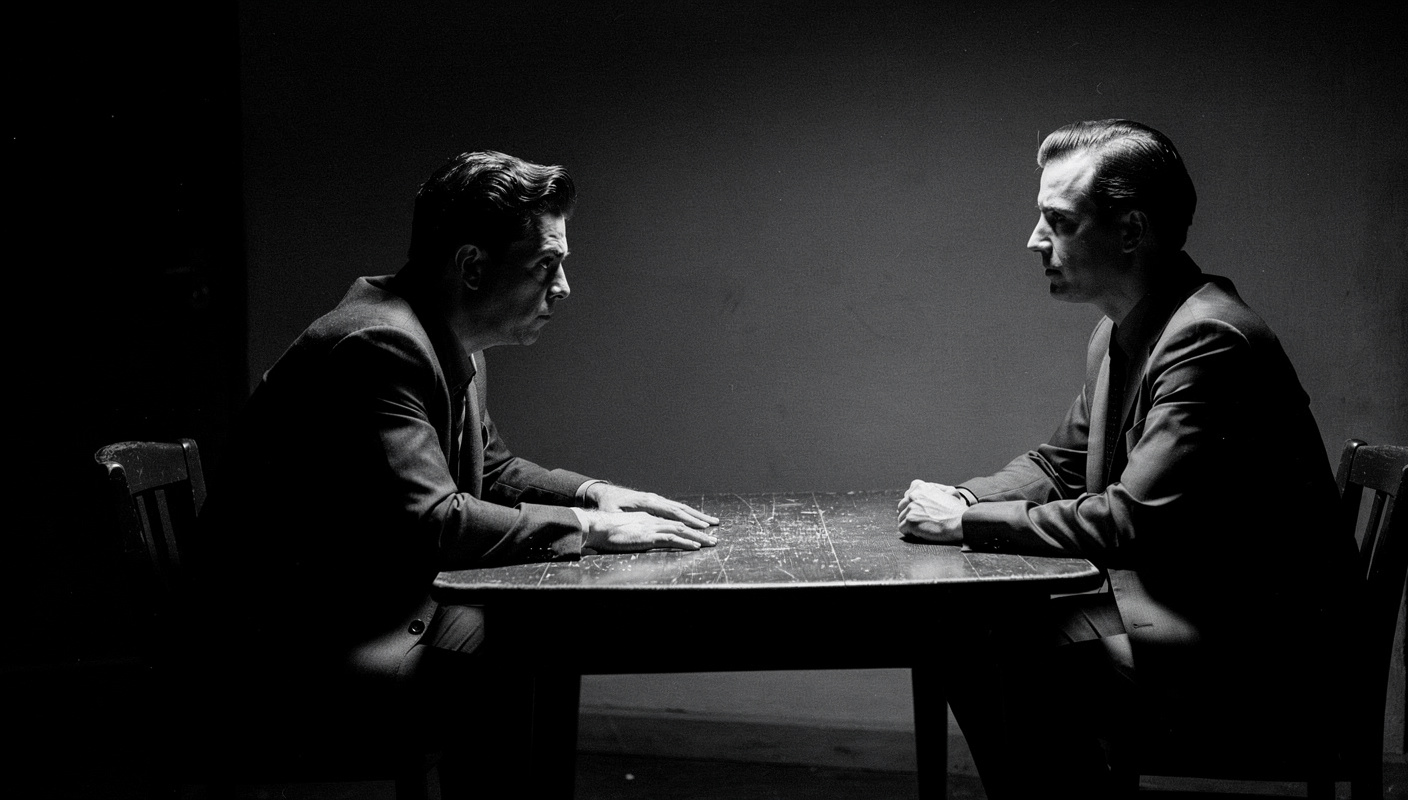
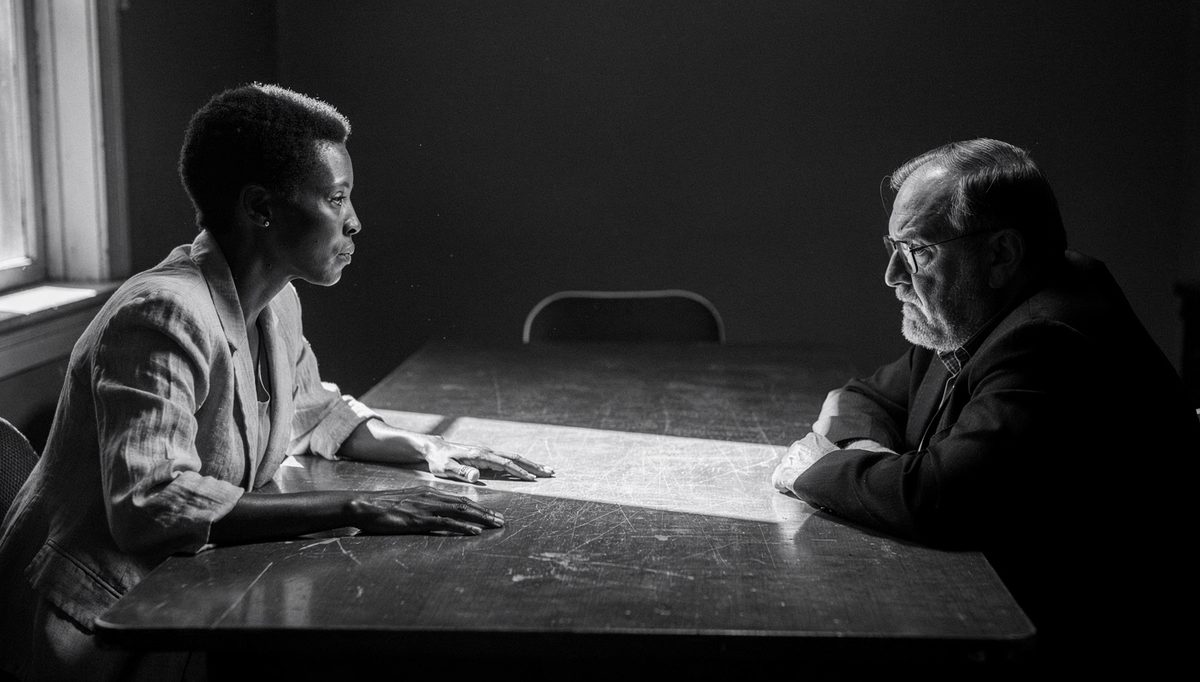
A younger candidate, applying for a project coordinator role well above his experience level, was asked directly: "Do you honestly think you are ready for this?" He paused. He did not look away. He did not shift in his seat or reach for the water glass. He kept both feet flat on the floor, hands rested calmly on the table, and held the interviewer's gaze for the full two seconds of silence before answering.
His answer was good. But what won the room was the stillness before it. The panel described him as "unusually composed." He had practiced precisely that: not just the answer, but the physical response to pressure. He knew that a dropped gaze or a shifted posture in that moment would undercut whatever came next.
Composure is a physical skill, not just a mental one. You practice it the same way you practice anything else: deliberately, before you need it.
4. The Candidate Who Mirrored the Wrong Thing
A senior finance candidate sat across from a panel of three. One interviewer leaned back and crossed her arms partway through the candidate's answer about a past failure. It was not hostile. She was simply thinking. But the candidate saw it, registered it as disapproval, and physically responded: shoulders drew in, voice dropped, eye contact broke. Within twenty seconds, his body had adopted a posture of apology.
The other two panel members, who had been engaged, picked up on his shift. The energy in the room changed. The remaining questions felt shorter and more clipped than they were. He read the room correctly in one respect: something had changed. But he had caused the change himself by mirroring a neutral gesture as if it were a rejection.
Understanding how dominant physical signals can ripple through a room is directly connected to how dominant voices shape group dynamics. One person's body can pull the whole conversation in a different direction.
5. The Panel That Never Agreed on What They Saw
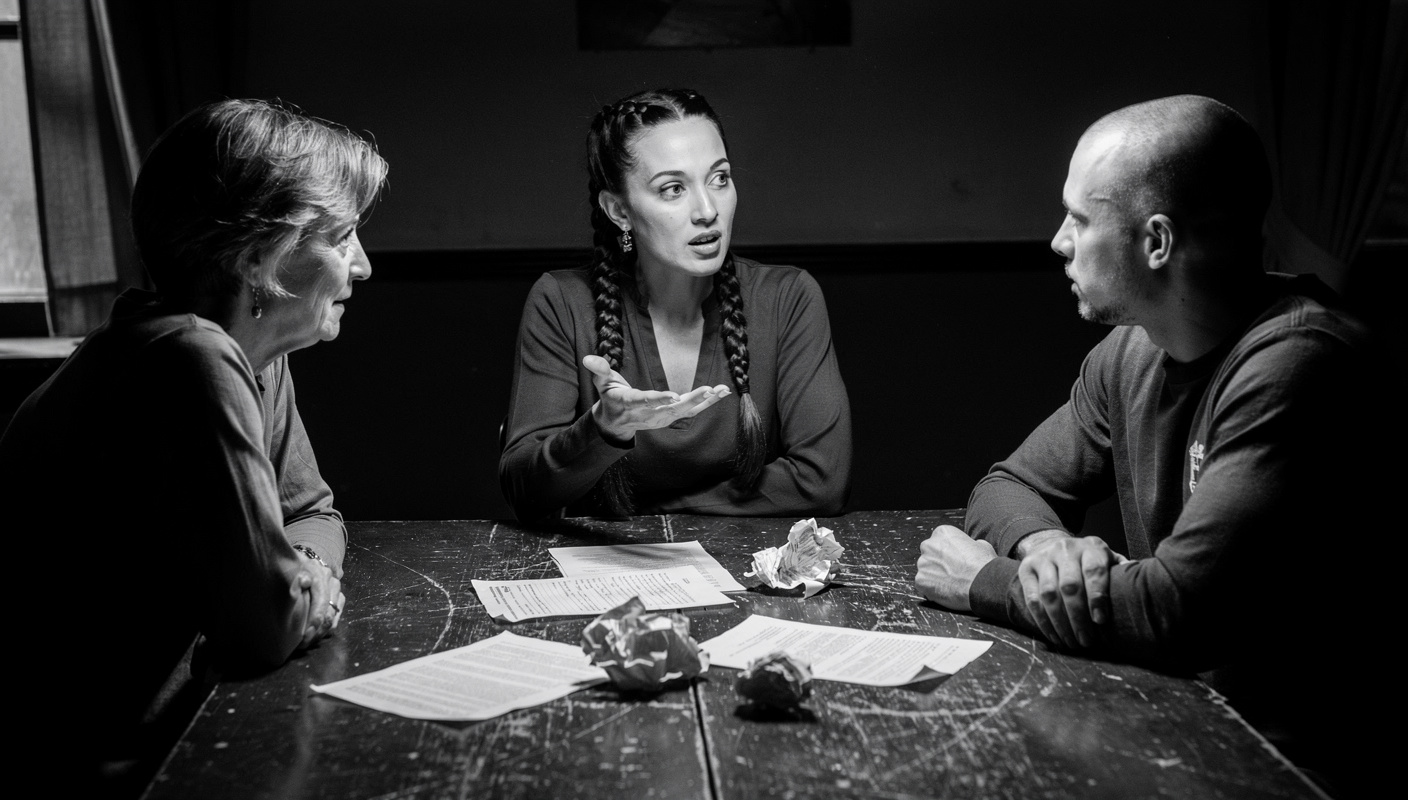
Three interviewers watched the same candidate for forty minutes. Afterward, one said she seemed guarded. Another said she seemed focused. The third said she seemed nervous but professional. All three were reading the same physical signals and arriving at different conclusions.
She had done several things well: steady posture, deliberate hand gestures when making key points, consistent eye contact with all three interviewers rather than just the senior one. But she had one habit: when she finished a sentence, her chin dropped slightly before she looked up for a response. To one interviewer, that read as uncertainty. To another, it read as careful thought. To the third, it read as deference.
This is the part that matters. Body language does not have a single universal reader. But certain signals, particularly sustained open posture, steady gaze, and controlled movement, reduce the room for misreading. The cleaner your physical signals, the less space there is for varied interpretation.
The Patterns That Show Up Every Time
Looking at these five scenarios together, three things recur consistently.
First, habits override intention. Every candidate believed they were presenting well. Their conscious intention was confidence. But repeated small gestures, a downward look, a pulled-in arm, a chin drop, told a different story. Physical habits do not care what you mean. They show what you have practiced.
Second, the interviewer's body is part of the interview. Too many interviewers treat themselves as neutral observers. They are not. They are participants in a physical conversation. Their posture, gaze, and expression shape what they get back from the room. You cannot separate the quality of a candidate's performance from the physical climate the interviewer created.
Third, stillness is the clearest signal of composure. Not perfect stillness, which reads as rigid or rehearsed. Grounded stillness: feet placed, hands calm, breath steady. When pressure arrives and the body holds its ground, the room takes notice. When it collapses, even the best words lose their footing.
These patterns connect directly to how we manage our physical presence in any tense exchange. The framework I describe in how to use the C.O.R.E. framework to stay grounded during a tense workplace conversation applies just as well to the interview room as it does to any high-stakes moment.
What You Can Do With This Before Your Next Interview
If you are preparing to be a candidate, the practical work is physical, not just verbal. Sit in a chair and practice your hardest answers out loud. Watch what your body does when the question is difficult. Notice whether your shoulders rise, your hands reach for something, your gaze drops. Those are your habits under pressure. You have time to change them before the room does it for you.
If you are the interviewer, your preparation is different. Before the first candidate walks in, decide what your body will do. Sit forward. Keep your expression responsive rather than neutral. Make deliberate eye contact when someone is speaking. You are not just evaluating: you are creating the conditions for honest performance. A candidate who freezes because your posture signalled indifference has not shown you who they are. They have shown you what your body produced in them.
The same discipline applies in any conversation where the stakes are real, including those described in how to use the conversation pre-mortem to reduce tension before a high-stakes team discussion and how to handle conflict during meetings. Physical preparation is not a separate thing from communication preparation. It is the same thing.
For those managing their presence in remote or hybrid contexts, how leaders stay visible in virtual workspaces addresses how these same signals translate to the screen.
This much I know for certain: body language interviews are not won by the candidate with the best answers alone. They are won by the person whose body says the same thing their words do, at the moment it matters most. That alignment takes practice. But it is entirely within your reach.
Frequently Asked Questions (FAQ)
What is body language in job interviews?
Body language in job interviews refers to the physical signals both candidates and interviewers send through posture, eye contact, gesture, and movement. These cues often communicate confidence, interest, or discomfort more directly than spoken words do, shaping how both parties are perceived.
How do interviewers read body language during interviews?
Interviewers read body language by watching for consistency between what a candidate says and how they carry themselves. Stillness under pressure, open posture, and steady eye contact read as confidence. Repeated fidgeting, closed arms, and averted gaze often signal anxiety or lack of preparation.
What body language mistakes cost candidates the job?
The most damaging body language mistakes include collapsing posture under pressure, breaking eye contact when challenged, and mirroring negative signals from the interviewer. Each signals a lack of composure. Candidates rarely know they are doing it, which is why deliberate practice before the interview matters.
Can interviewers give negative body language signals too?
Yes. Interviewers send physical signals constantly. Leaning back with crossed arms, checking notes without acknowledgment, and flat facial expressions can all close a candidate down. Strong interviewers stay aware of their own posture and gaze because they know what those signals cost the conversation.
How can you improve your body language before a job interview?
Practice in front of a mirror or record yourself answering difficult questions. Notice where your shoulders go, what your hands do, and whether your posture holds under pressure. Deliberate rehearsal builds physical habits so that composure becomes your default, not something you have to manufacture in the moment.
Does body language matter more than what you say in an interview?
Body language does not replace what you say, but it shapes how your words land. A confident answer delivered with hunched shoulders and broken eye contact loses credibility. The two must align. When your physical signals match your words, interviewers trust what they hear far more readily.