
In Short
Body language cues send trust signals before your first word lands. People decide whether you are safe, credible, or worth listening to in the first few seconds, based entirely on how you hold yourself, where your eyes go, and what your hands do.
- Open posture and steady eye contact build trust faster than any carefully chosen phrase.
- Closed or incongruent signals destroy credibility even when your words are perfect.
- You can learn to read these cues in others and correct them in yourself with deliberate practice.
Body language cues are the physical signals, including posture, gestures, facial expressions, and eye contact, that communicate your emotional state and intentions to others. People read them instinctively and form trust judgements within seconds, often without being able to explain why.
What to Watch for Before You Read These Scenarios
Most people think trust is built through what you say. It is not. It is built through what your body does while you say it. Before you read these examples, I want you to watch for three things in each one: where the person's eyes go, how they hold their torso, and whether their physical signals match their words. Those three elements tell you almost everything.
When these elements are aligned, trust forms quickly and naturally. When they are in conflict, people feel uneasy without knowing why. That unease is the whole problem. If someone cannot name what is bothering them, they cannot fix it. You can, once you know what to look for.
"The Conversation You're Avoiding Is the One You Need to Have."
"The Conversation You're Avoiding
Is the One You Need to Have."
Stop rehearsing conversations you'll never have. Say It Right Every Time gives you 115 word-for-word scripts and 16 proven frameworks to speak with confidence in every conversation that matters.
Five Scenarios Where Body Language Cues Decided the Outcome
The Manager Who Lost the Room Before She Spoke
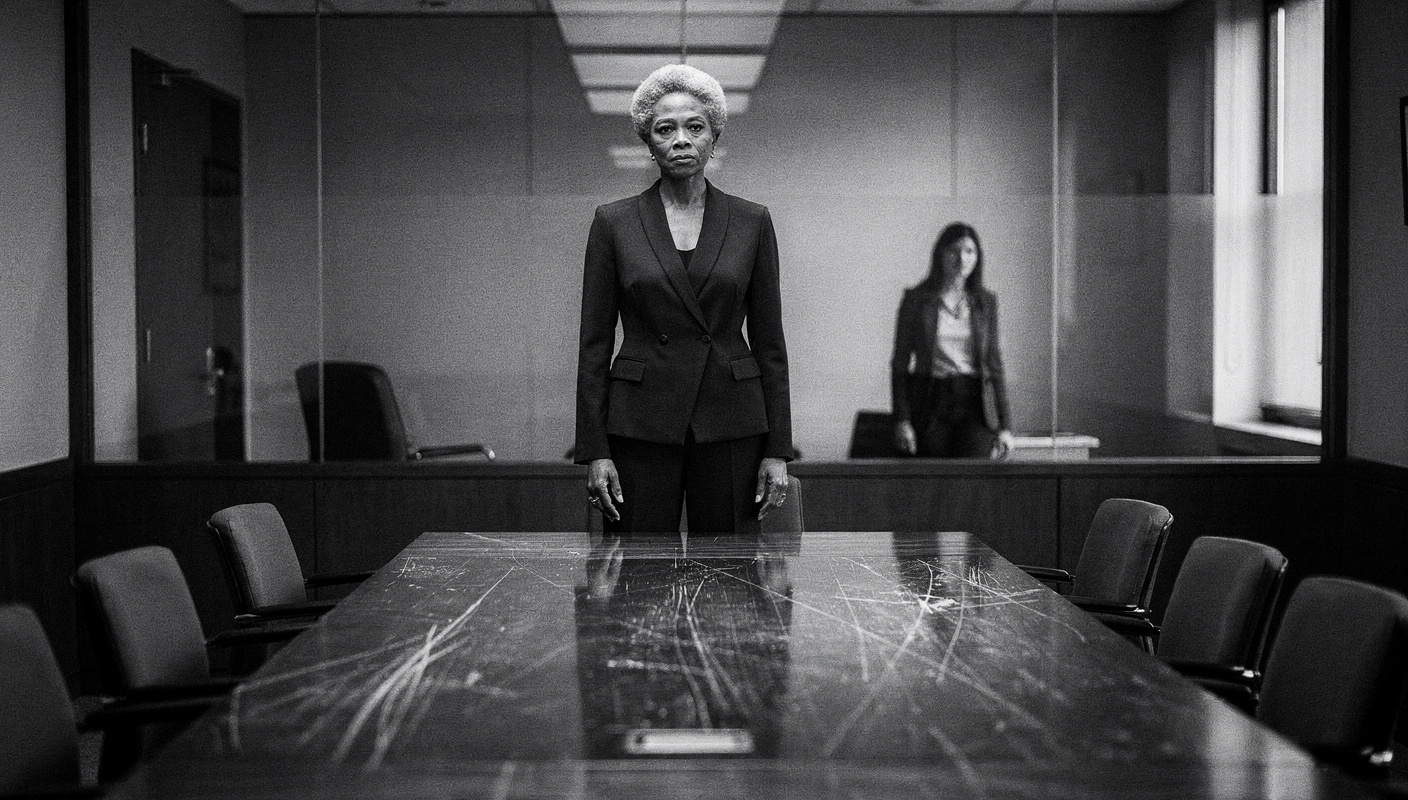
A department head walked into a team briefing carrying a printout, eyes already scanning the page as she entered. She stood at the head of the table but angled herself slightly toward the window rather than the group. When she began speaking, her tone was warm and her words were encouraging. Her team heard none of it.
Three people later described feeling like they were being processed rather than spoken to. One said it felt like she was reading a notice to strangers. She was not indifferent to her team. She was anxious about the message she was delivering. But her body broadcast detachment. The turned torso, the averted gaze, the printout held between her and the room: all of it said "I am not really here with you."
This is what incongruence costs you. The words were right. The body language cues were wrong. People trusted the body.
A New Hire Who Earned Respect Without Saying Much
During a project kickoff meeting with six senior colleagues, a junior analyst in her second week said almost nothing for the first forty minutes. But she sat forward slightly, kept her hands resting open on the table, and held her gaze steadily on whoever was speaking. When her turn came, three people were already predisposed to hear her.
The senior project lead later said she seemed "switched on" from the moment she walked in. That impression had nothing to do with her words. Her posture communicated engagement. Her open hands signalled that she had nothing to hide. Her eye contact said she respected everyone in that room.
Open body language is not passivity. It is a deliberate signal that you are present and trustworthy, and she had mastered it without realising it. For more on staying grounded under pressure, the C.O.R.E. Framework gives you a clear system to build on.
The Feedback Conversation That Escalated Unnecessarily
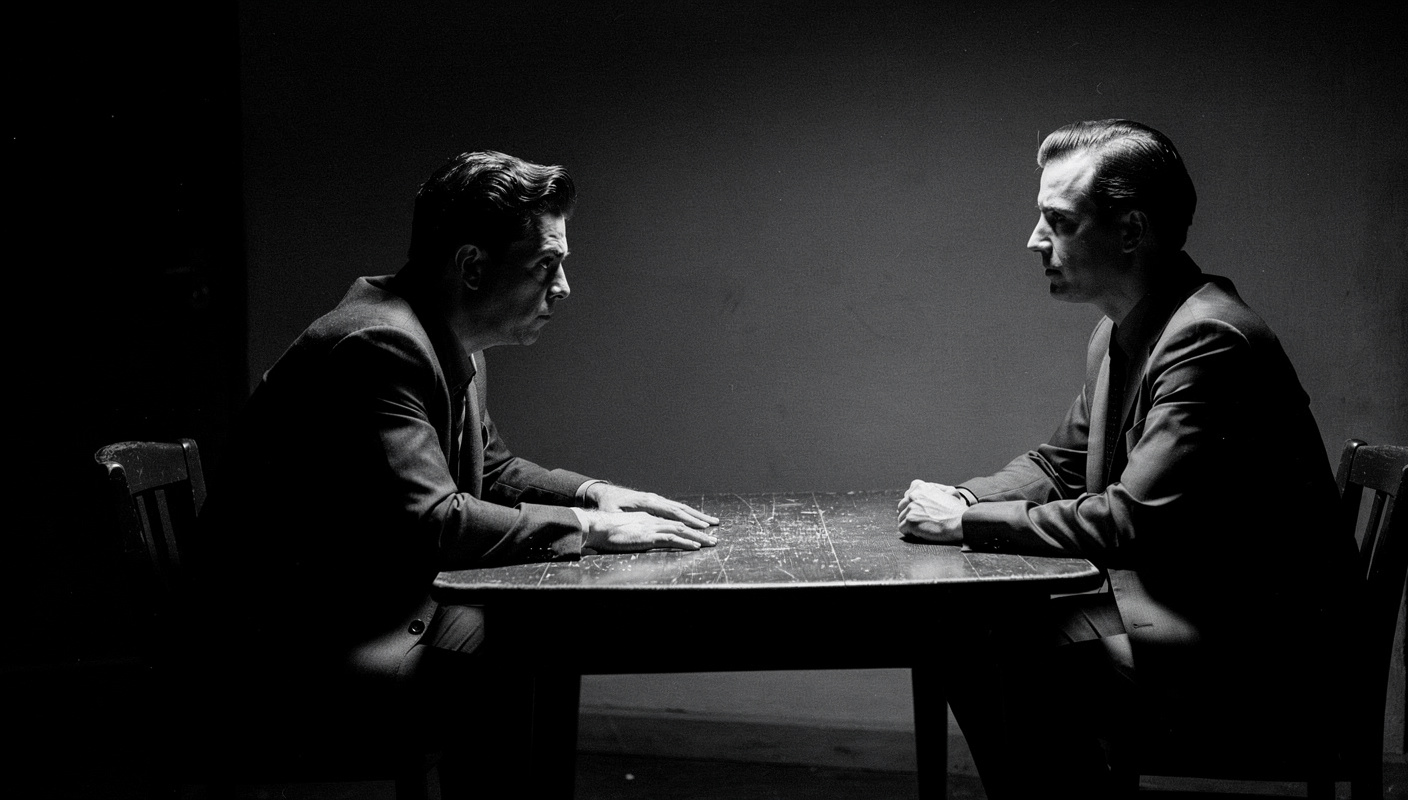
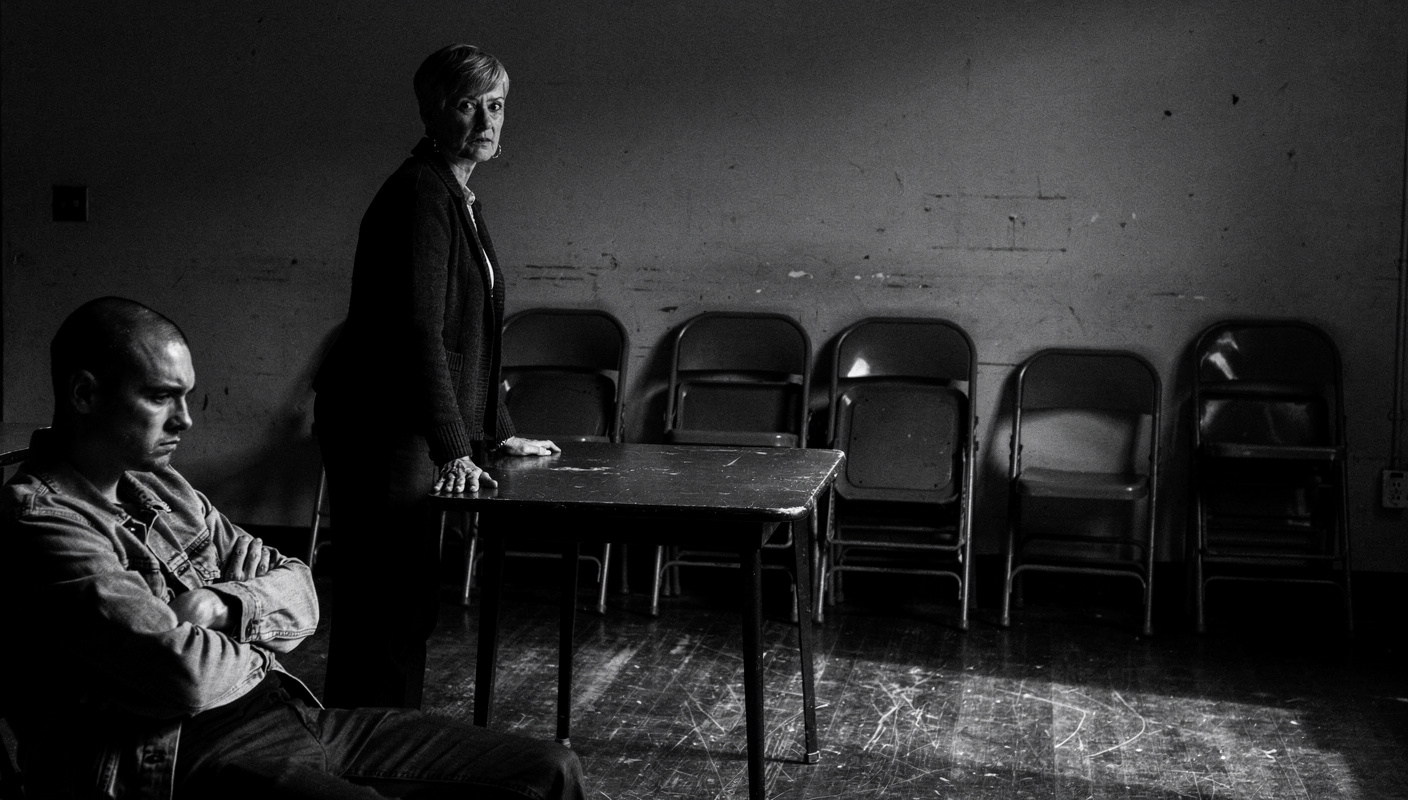
A team leader sat across from a colleague to discuss a missed deadline. The conversation was meant to be direct but supportive. Within three minutes, the colleague had crossed his arms, pushed his chair back from the table, and begun looking toward the door.
The team leader read these signals correctly: the man had shut down. But instead of pausing, she pressed forward with her script. By the time she finished, he had said almost nothing and the working relationship had taken genuine damage. What she missed was that her own posture, leaning aggressively forward with fingers interlocked on the table, had signalled confrontation rather than conversation.
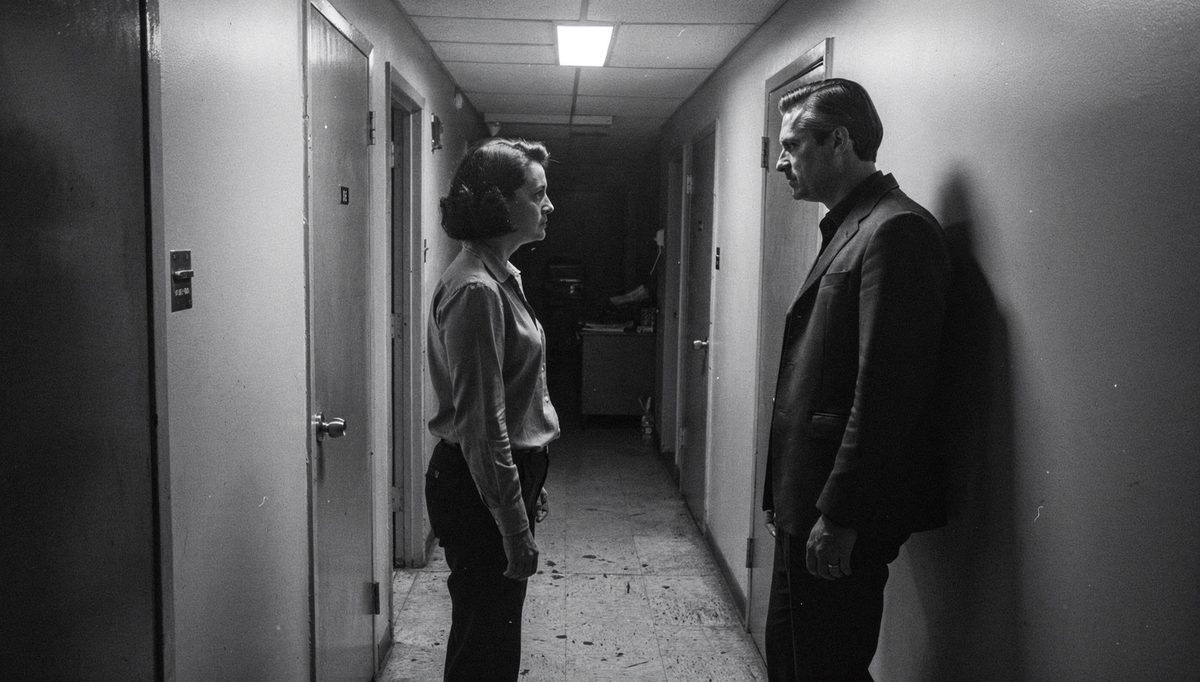
Both people arrived with reasonable intentions. Their bodies turned it into a standoff. Understanding nonverbal communication in tense situations would have helped both of them read what was happening and redirect it.
The Presenter Who Held the Room with Stillness
A mid-level operations manager was presenting a cost-reduction proposal to a panel of three directors. He was not the most polished speaker in the building. His voice was quiet and his slides were plain. But he planted his feet, kept his hands loose at his sides when not gesturing, and looked directly at each director as he addressed them.
The room stayed with him for twenty-two minutes without a single side conversation or phone check. One director commented afterward that he was "easy to trust." That impression came from stillness. His body did not fidget or retreat. It held its ground quietly. Stillness signals that you believe what you are saying, and belief is contagious.
This quality does not require confidence you do not feel. It requires preparation, which is something you can build. The 3-second pause technique is a practical tool for finding that stillness when the pressure is highest.
When the Body Gave Away What the Words Did Not
A senior sales lead was trying to repair a client relationship after a service failure. His words were polished and his apology was technically correct. But he touched his face repeatedly while explaining what had gone wrong, broke eye contact each time he mentioned timelines, and kept shifting his weight from foot to foot.
The client said nothing during the meeting. Two days later, she moved her account. She told a mutual contact that she "just didn't believe him." He had prepared every word carefully. What he had not prepared was his body. The face-touching, the gaze breaks at the precise moments where his credibility mattered most: those were the signals that cost him the relationship.
Incongruence between words and body language cues is almost impossible to hide when the stakes are high. The body leaks the truth. This is the kind of breakdown that the B.R.I.D.G.E. method is specifically designed to address once trust has been damaged this severely.
What These Scenarios Have in Common
Here is the truth of it: across all five scenarios, the physical signals either matched the intention or they did not. When they matched, trust formed. When they did not, something went wrong regardless of how good the words were.
Three patterns appear repeatedly. First, the direction of your torso and eyes tells people whether you are genuinely with them. You cannot face away from someone and expect them to feel heard. Second, stillness signals belief. Fidgeting and shifting weight signal doubt, even when you are not doubting yourself but simply anxious. Third, the moments that matter most are precisely the moments when the body is most likely to betray you, because those are the moments when stress is highest.
The amygdala hijack explains exactly why this happens: under pressure, the body reverts to self-protection before the thinking brain catches up. Understanding that mechanism helps you interrupt it. The compound effect of small daily communication habits is how you build the kind of physical composure that holds when the pressure is real.
Reading Your Own Signals Before Others Read Them for You
You now have a clear picture of what body language cues look like in the real world, in the moments that actually matter. The question is what you do with it.
Start by picking one physical habit to examine this week. Choose one from the list below and observe it honestly in your next three significant conversations.
- Do you turn your body fully toward the person speaking, or do you angle away?
- Where does your gaze go when you are delivering difficult information?
- What do your hands do when you feel challenged or nervous?
- Does your posture open up or close down when the conversation becomes tense?
You do not need to overhaul everything at once. Pick one signal, practice it deliberately, and notice the difference in how people respond to you. The S.B.I. method pairs well with this kind of self-correction when feedback conversations are involved, because it gives you a clear verbal structure to rely on while you are also managing your physical presence.
Body language cues are not a performance skill. They are a honesty skill. The goal is not to look trustworthy. The goal is to let your body match what you genuinely intend, so that people can receive what you are actually trying to give them.
Frequently Asked Questions (FAQ)
What are body language cues?
Body language cues are the physical signals your posture, gestures, facial expressions, and eye contact send to others. They communicate attitude, intention, and emotion, often before you speak. People read them instinctively and form trust judgements within seconds of seeing you.
How do body language cues affect trust at work?
Body language cues shape whether colleagues, managers, and clients feel safe with you. Open posture, steady eye contact, and stillness signal confidence and honesty. Closed gestures, gaze aversion, and fidgeting signal discomfort or dishonesty, even when your words say the opposite.
Can body language cues contradict what you say?
They can, and they often do. When your words say one thing and your posture says another, people trust the body language every time. The mismatch is called incongruence, and it is one of the fastest ways to lose credibility in any conversation.
What body language signals break trust instantly?
Avoiding eye contact, turning your body away from the speaker, crossing your arms tightly, checking your phone mid-conversation, and sighing visibly all break trust quickly. They signal disengagement, defensiveness, or contempt, and most people register these signals within the first few seconds.
How can I improve my body language in high-pressure situations?
Slow down your movements deliberately. Plant your feet, drop your shoulders, and hold eye contact for a beat longer than feels natural. These physical adjustments send calm signals outward and, crucially, they also settle your own nervous system so you think more clearly under pressure.
Is body language the same across all cultures?
Not entirely. Some gestures carry different meanings across cultures, and eye contact norms vary. But the core signals of openness, stillness, and attentiveness tend to read as trustworthy across most professional settings. When in doubt, observe how others in that context carry themselves.