
In Short
Mirroring body language builds rapport faster than most verbal techniques ever will. Used well, it tells the other person that you are present, attuned, and safe to talk to.
- Match posture and energy gradually, never all at once.
- A short delay between their movement and yours keeps it natural.
- Mirroring works in every setting, but it must be earned, not performed.
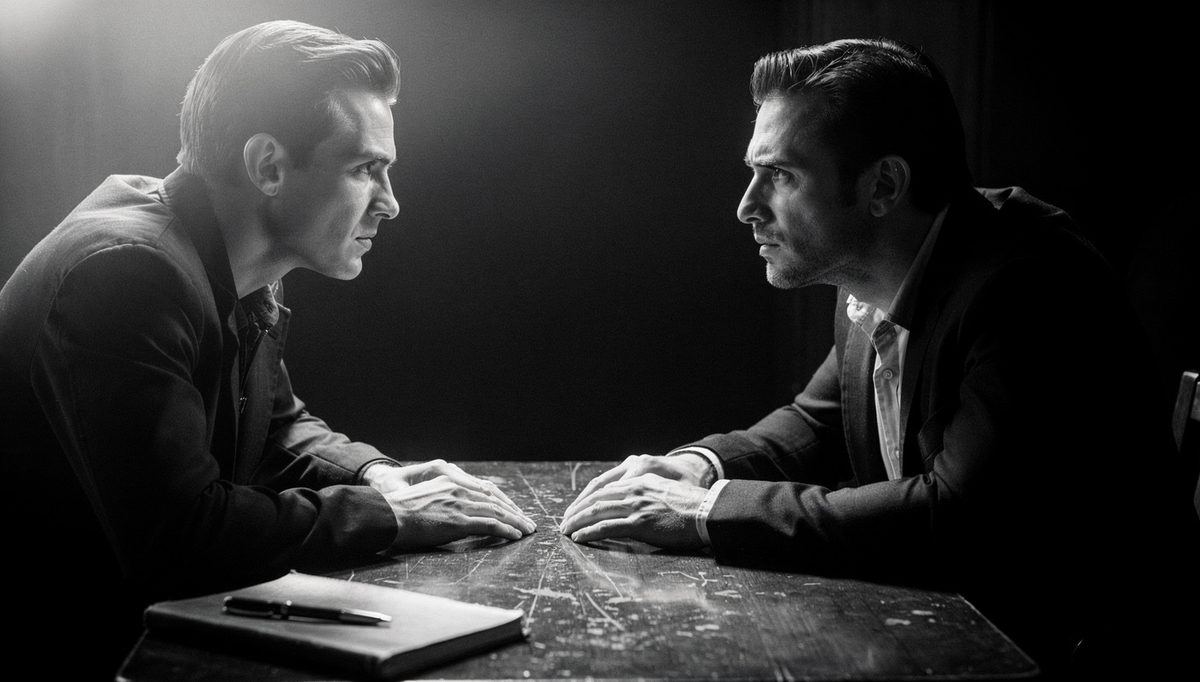
Mirroring body language is the practice of subtly reflecting another person's posture, gestures, and physical pace during a conversation. Done well, it creates a sense of attunement and shared understanding that builds trust without a single word being spoken.
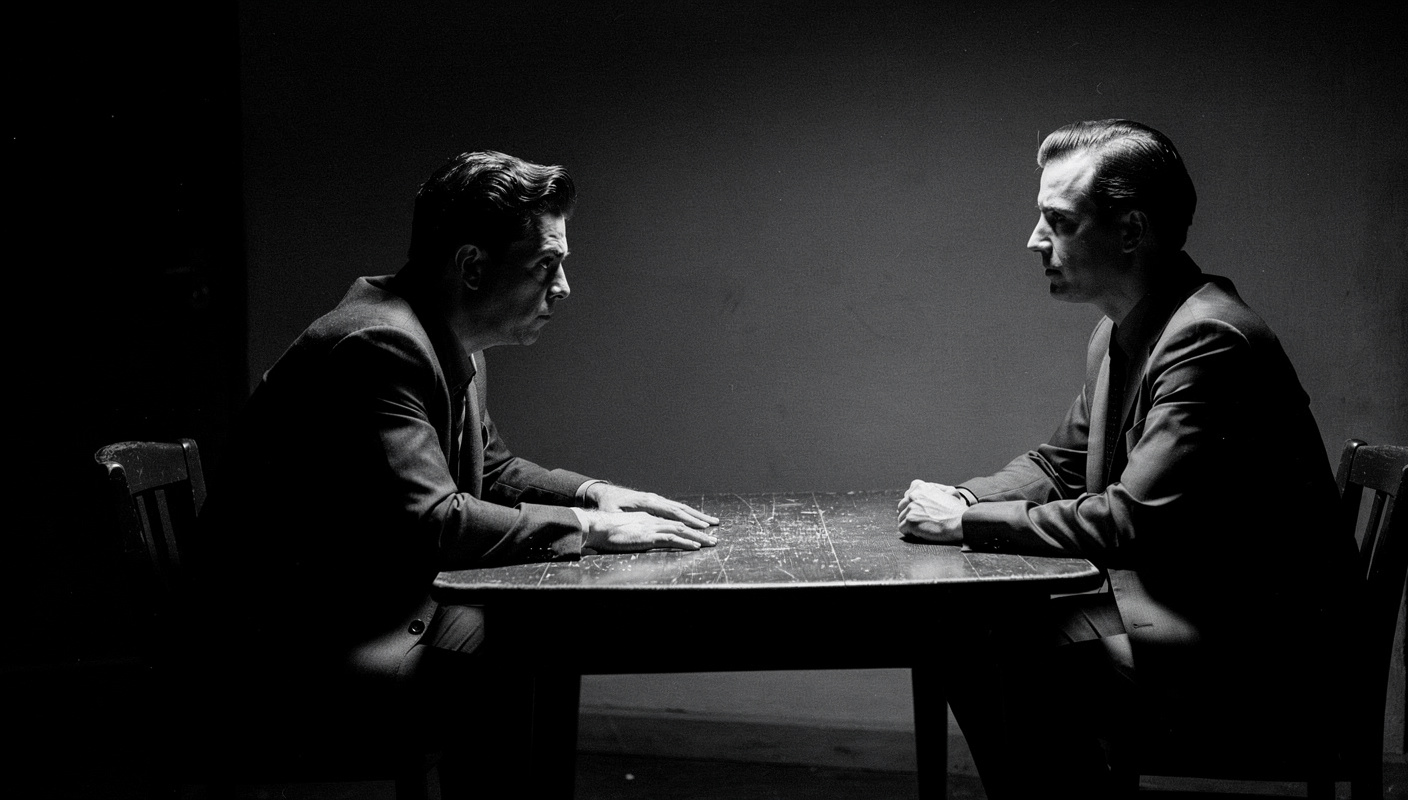
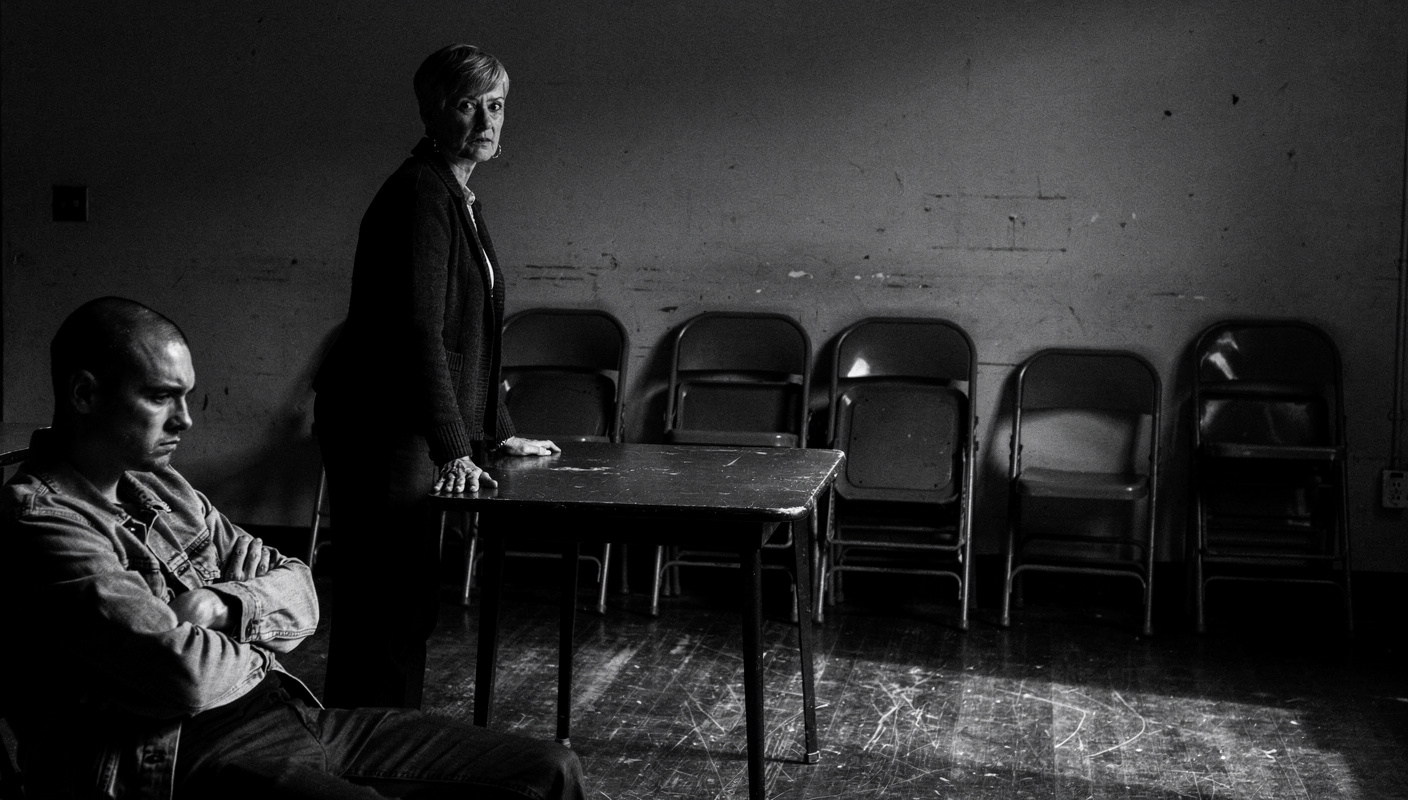
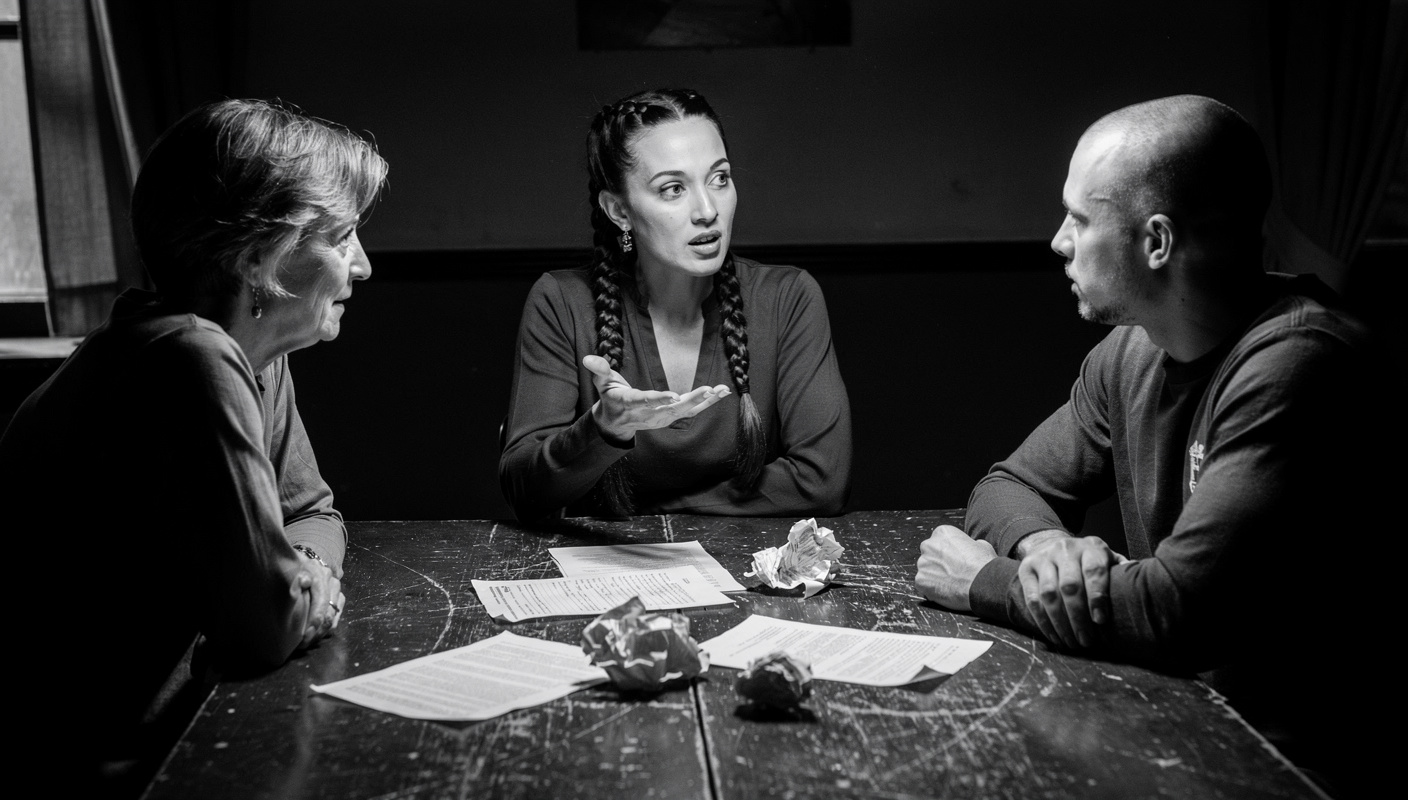
I once watched a senior manager lose a room in under four minutes. He walked in stiff, arms crossed, shoulders squared. The team across the table were relaxed, slightly slouched, talking quietly among themselves. He never adjusted. He never matched their energy, even fractionally. By the time he started speaking, the gap between his body and theirs had already sent the message: I am not with you. The words that followed never recovered the ground his posture had already surrendered.
That is what mirroring body language is really about. Not tricks. Not manipulation. The simple, powerful act of letting your physical presence say: I am here, I am paying attention, and you are safe with me. This article will give you a clear, step-by-step process for doing that well, including where it goes wrong and how to avoid it.
Why Getting This Right Is Harder Than It Sounds
Most people assume rapport is built through words. It is not. Or at least, not primarily. Your posture, the angle of your head, the pace at which you move and speak, all of these land before your sentences do. The problem is that most of us have never been taught to notice our own physical presence, let alone manage it deliberately.
There is also a real risk of overcorrection. People who read about mirroring for the first time tend to go too literal, too fast. They start copying gestures in real time and end up looking like they are mocking the person across from them. The result is worse than doing nothing at all.
The second difficulty is that stress collapses your awareness. When a conversation is tense, when the stakes feel high, your body locks up. You go rigid. You stop tracking the other person. You stop adjusting. That is exactly when physical attunement matters most, and it is exactly when it is hardest to access. This connects to something I cover more fully in the article on nonverbal communication in tense situations, your body under pressure tells a story you may not intend.
"The Conversation You're Avoiding Is the One You Need to Have."
"The Conversation You're Avoiding
Is the One You Need to Have."
Stop rehearsing conversations you'll never have. Say It Right Every Time gives you 115 word-for-word scripts and 16 proven frameworks to speak with confidence in every conversation that matters.
What You Need Before You Begin
Before the steps, one thing must be true: you are actually paying attention. Mirroring that is performed without genuine presence reads as hollow within seconds. People feel it. They cannot always name it, but something feels off.
So the precondition is not a technique. It is attention. You need to be watching the other person closely enough to notice how they are sitting, how quickly they are speaking, whether their shoulders are tight or loose. You need to be curious about them, not just aware of yourself.
If you are walking into a conversation while mentally rehearsing what you plan to say, you are not ready to mirror effectively. Slow down. Arrive early if you can. Settle your own body before you try to attune to anyone else's.
The Step-by-Step Process for Mirroring Body Language
Step 1: Read the Room Before You Match It
Spend the first thirty to sixty seconds of any conversation simply observing. Notice the other person's overall energy level. Are they loose and open, or tight and contained? Are they speaking quickly or slowly? Are they leaning forward or sitting back?
You are not copying anything yet. You are calibrating. This observation stage is what separates attunement from mimicry. You need a baseline before you can mirror anything meaningfully.
Step 2: Match Their Overall Energy, Not Their Specific Gestures
This is the most important distinction in the entire process. You are not trying to replicate movements. You are trying to match the general physical tone of the person in front of you.
If they are relaxed and slow, let your own body settle. If they are alert and upright, bring a little more energy into your posture. If their voice is quiet and measured, bring your volume and pace down to meet theirs. This is the foundation of physical rapport, and it works even when nothing else does.
Step 3: Introduce Adjustments with a Short Delay
When you do begin to mirror specific elements, never do it immediately. If they cross their arms, wait fifteen to thirty seconds before making any adjustment to your own posture. The delay makes the mirroring invisible. Without it, the mirroring becomes obvious, and obvious mirroring feels like mockery.
For example: they lean back in their chair. You continue listening, engaged. A few seconds pass. Then, naturally, you ease your own posture back slightly. It reads as relaxation, not imitation.
Step 4: Use Open Posture as Your Default
Mirroring does not mean matching everything. If someone is sitting with their arms crossed tightly and their jaw set, you do not replicate that. You match their energy level while keeping your own posture open. Uncrossed arms. Relaxed shoulders. A slight forward lean that signals interest.
This is the one area where you lead rather than follow. Your open body becomes a quiet invitation for them to open up too. Over time, if rapport is building, they will often begin to mirror you. That shift is one of the clearest signs the connection is real. For more on how this plays out when emotions are running high, see the piece on how the empathy bridge technique defuses tension before a difficult workplace conversation starts.
Step 5: Mirror Pace and Tone as Much as Posture
Body language is not just physical position. It includes the rhythm of your speech, the pace of your movements, and the energy behind your facial expressions. If the other person speaks slowly and thoughtfully, rushing your own words creates friction, even if your posture is perfectly aligned.
A practical script: if someone is speaking at a considered, deliberate pace, and you naturally speak faster, consciously pause before you respond. Let a beat pass. Then begin. That pause does more for rapport than any hand gesture you could mirror.
Step 6: Watch for the Reciprocation Signal
Once mirroring is working, the other person begins to match you without realising it. They adopt your posture. Their pace begins to follow yours. This reciprocation is the clearest confirmation that a genuine connection has formed.
When you see it, do not push harder. Simply continue what you are doing. The rapport is already there. Your job now is to maintain it, which means staying present and not breaking the physical alignment by getting tense or distracted. The role of communication in meeting success often comes down to exactly this kind of sustained attunement across a full conversation, not just at the start.
Step 7: Exit the Mirror Cleanly
When the conversation moves to a close, let your body lead the transition naturally. Sit up slightly. Bring your energy up a fraction. These small shifts signal, physically, that you are moving toward a conclusion. It prevents the abrupt, jarring ending that undermines good rapport at the last moment.
A well-closed conversation feels complete to the other person. They often cannot say why. But the physical cues you sent at the end told them the exchange was whole.
Adapting This Process for Video Calls
Remote work changed the rules. On a video call, you lose a significant portion of your body language toolkit. From the chest down, you are invisible. Your full posture, leg position, and energy in the lower body simply do not register.
What remains is still powerful: upper body posture, head angle, facial expressions, and speaking pace. Lean forward slightly when the other person leans toward their camera. Match their facial energy. If they are animated, bring a little more expressiveness into your own face. If they are calm and serious, quieten your own delivery.
Eye contact on video is different from eye contact in person. Looking at the camera creates the impression of direct eye contact for them, even though it means you are not watching their face. The practical answer is to alternate: watch their face most of the time to read their expressions, and look at the camera periodically to give them the experience of being seen. Getting this balance right matters when you are managing dominant voices in a discussion, where body language across a video grid can either defuse tension or intensify it.
Where Mirroring Goes Wrong
These are the three errors I have seen most often, and made myself in earlier years.
The mistake: Mirroring too quickly and too literally.
Why it happens: Enthusiasm to connect, combined with no delay technique.
What to do instead: Introduce a fifteen-second gap between their movement and your adjustment. Match the spirit of the gesture, not the exact position.
The mistake: Mirroring a closed or defensive posture.
Why it happens: Instinct to match everything, without filtering.
What to do instead: Match energy level only. Keep your own posture open regardless of theirs. Your openness becomes an invitation.
The mistake: Mirroring while mentally elsewhere.
Why it happens: Stress, rehearsal, distraction.
What to do instead: Before the conversation starts, take two slow breaths and commit to watching the other person. Presence is the engine. Without it, the technique is just theatre. This is worth considering alongside the work on how unspoken expectations create tension at work, physical attunement and psychological clarity have to move together.
Your Pre-Conversation Mirroring Checklist
Carry this into your next important conversation. Review it in the sixty seconds before you begin.
- Settle your own body first. Shoulders relaxed. Jaw unclenched. Breathing steady.
- Observe for the first minute. Note their energy level, pace, and posture before adjusting anything.
- Match energy, not gestures. Ask: are they high or low energy right now? Meet them there.
- Use open posture as your floor. Never mirror tension or closure directly.
- Delay every adjustment. Count fifteen seconds before reflecting any specific movement.
- Match their speaking pace. Slow down if they are slow. Let pauses breathe.
- Watch for reciprocation. When they begin to follow your posture, the connection is real.
- Exit cleanly. Use a gentle posture shift to signal the close of the conversation.
Keep this somewhere you will see it. Before a difficult appraisal, a conflict conversation, or a high-stakes pitch, run through it. The S.B.I. method for corrective feedback pairs well with this checklist, because the physical groundwork you lay affects how your words land. And if you are preparing for something with real conflict potential, the guidance on handling conflict during meetings gives you the verbal tools to match the physical ones you are building here.
Frequently Asked Questions (FAQ)
What is mirroring body language?
Mirroring body language means subtly reflecting another person's posture, gestures, and pace during a conversation. It signals that you are attuned to them, which builds trust and rapport. It works best when done naturally and gradually, not as a mechanical imitation.
How do you practise mirroring body language without looking fake?
Start by matching the other person's overall energy level and posture, not specific gestures. Introduce each adjustment gradually, with a short delay. The goal is attunement, not copying. If you feel self-conscious, focus on listening deeply, genuine engagement produces natural mirroring on its own.
Does mirroring body language actually build rapport?
Yes, and it works because humans are wired to feel safer around people who move and carry themselves similarly. When your physical alignment matches someone else's, it sends an unconscious signal of understanding and respect. It is one of the fastest trust-building tools available in face-to-face conversation.
When does mirroring body language go wrong?
Mirroring fails when it is too literal, too fast, or used during conflict. Copying someone's exact gestures immediately reads as mockery. Mirroring a tense, closed posture amplifies the tension rather than dissolving it. The skill lies in matching energy while gently shifting toward a more open physical stance.
Can you use mirroring body language in a video call?
Yes, though your options are narrower. On a video call, focus on upper body posture, head angle, speaking pace, and facial expressions. Lean in slightly when the other person leans in. Match their energy level and vocal tone. These adjustments still register and still build connection across a screen.
How is mirroring different from mimicry?
Mimicry is immediate, literal copying that calls attention to itself. Mirroring is gradual, approximate, and unconscious in effect. You are matching the spirit of someone's physical presence, not replicating their movements one for one. Mimicry feels like mockery; mirroring feels like understanding.
The Ground You Stand On
Here is the truth of it: mirroring body language is not a performance skill. It is a presence skill. The steps in this article will give you a structure, and that structure is worth practising. But the real engine underneath all of it is genuine attention. When you are truly watching someone, when you are actually curious about them, your body begins to align with theirs without being told to. The technique simply makes conscious what good listeners have always done by instinct. Master the steps, then let them disappear into habit. That is when mirroring stops being a tool and starts being part of how you move through every conversation you have.