
In Short
Micro-movements in body language are involuntary physical signals that communicate emotional truth before your words do. Most people focus on what they say; the person across from them is reading what their body leaks.
- Your smallest gestures, not your sentences, create the first and strongest impression.
- Subconscious signals are hardest to fake precisely because they bypass conscious control.
- Aligning your inner state with your message is more effective than trying to suppress these signals.
Micro-movements body language refers to the brief, involuntary physical shifts, including fleeting facial changes, postural micro-adjustments, and small limb movements, that express emotional states outside conscious awareness, often in under a second.
What Most People Think Body Language Is
Most people, when they think about body language, think big. They picture crossed arms and open palms and power poses struck before a presentation. They have read something about eye contact percentages or the importance of a firm handshake. They treat nonverbal communication as a set of deliberate choices, a costume you put on when you want to appear confident.
That understanding is not wrong. It is just shallow.
The body is not waiting for your permission before it speaks. Long before you decide how to hold your shoulders, your face has already flickered, your feet have already shifted, your fingers have already tightened. These are micro-movements: brief, involuntary, and honest in a way that no rehearsed posture can match. Understanding them changes how you read other people, and how seriously you take what your own body is doing when you think no one is paying close enough attention.
"The Conversation You're Avoiding Is the One You Need to Have."
"The Conversation You're Avoiding
Is the One You Need to Have."
Stop rehearsing conversations you'll never have. Say It Right Every Time gives you 115 word-for-word scripts and 16 proven frameworks to speak with confidence in every conversation that matters.
The Mechanism Beneath the Surface: How Micro‑Movements Actually Work
Here is the truth of it. Emotion reaches the body before it reaches the thinking brain. When something threatens you, disappoints you, or excites you, the physiological response comes first. Your muscles react. Your breathing shifts. Your skin conducts differently. The conscious mind arrives a fraction of a second later, already playing catch-up, and begins deciding what to show and what to suppress.
That gap, tiny as it is, is where micro-movements live.
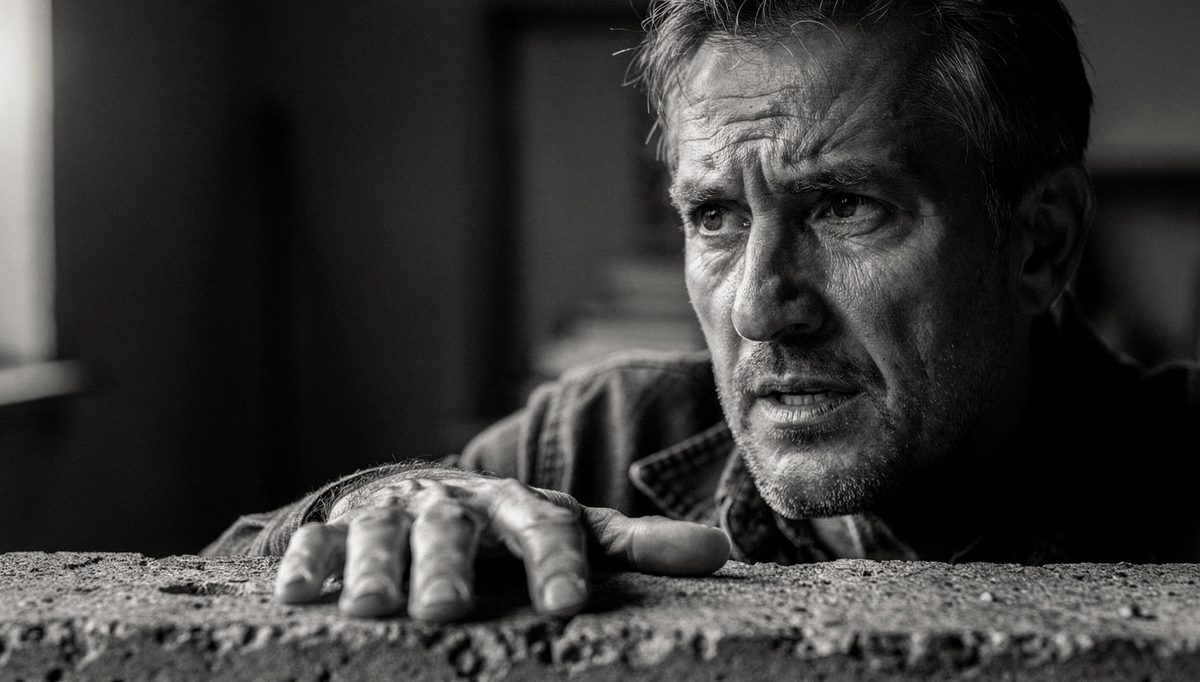
A person delivers news they know you will not want to hear. Before they speak, watch their lips. There is often a brief compression, a tightening that lasts less than half a second, as the body braces for the impact it expects the message to cause. The speaker did not choose that movement. It came from somewhere older and faster than choice.
This is what makes subconscious expression so revealing and so difficult to manage. You can script your words. You can prepare your opening line. But the body runs on a different clock, and it files its report before the meeting starts.
The signals cluster around high-stakes moments. When someone says "I am completely comfortable with this decision" and simultaneously performs a micro-shrug, a barely-there lift of one shoulder, something in the message is not settled. When a colleague claims they have no strong opinion on a plan and you catch a quick tightening around the eyes the moment a specific name is mentioned, that flicker is worth more than the verbal disclaimer. The body does not bother lying about things that do not matter. It only leaks when something is actually at stake.
What makes micro-movements particularly important in body language is their connection to what practitioners call congruence: the alignment between what someone feels, says, and physically expresses. When those three things match, the listener settles. When they do not, the listener senses the mismatch, sometimes without being able to name it, and begins to discount what they are hearing. This is one reason that nonverbal communication in tense situations so often escalates even when the spoken words are measured and reasonable: the micro-movements carry the real temperature of the room.
I have watched this play out over six decades. The most common mistake skilled communicators make is assuming that if they control the obvious signals, the big gestures and the steady voice, they have controlled the message. They have not. The micro-level is where the true signal travels.
What These Signals Look Like in Real Conversations
Consider a straightforward moment: a team lead addressing a concern raised by a quieter member of the group. The lead nods, says "that is a fair point," and continues toward their original conclusion. Reasonable enough. But if you watched the footage without sound, you might catch a brief eye-flicker away from the speaker at the moment the concern was raised, a fraction of a second before the nod began. That flicker suggests the attention moved before it was recalled. The nod is genuine, but something small and honest happened just before it that told a different story.
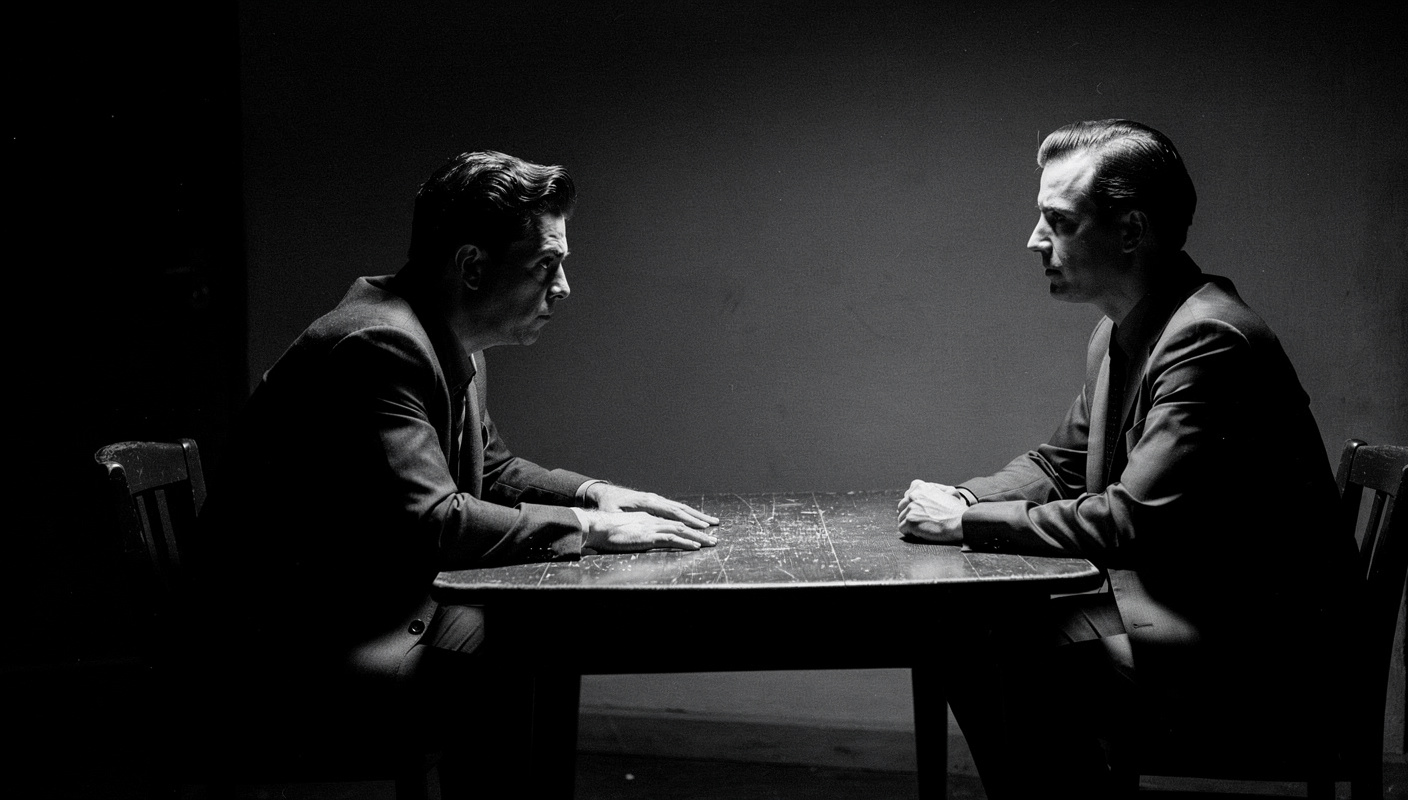
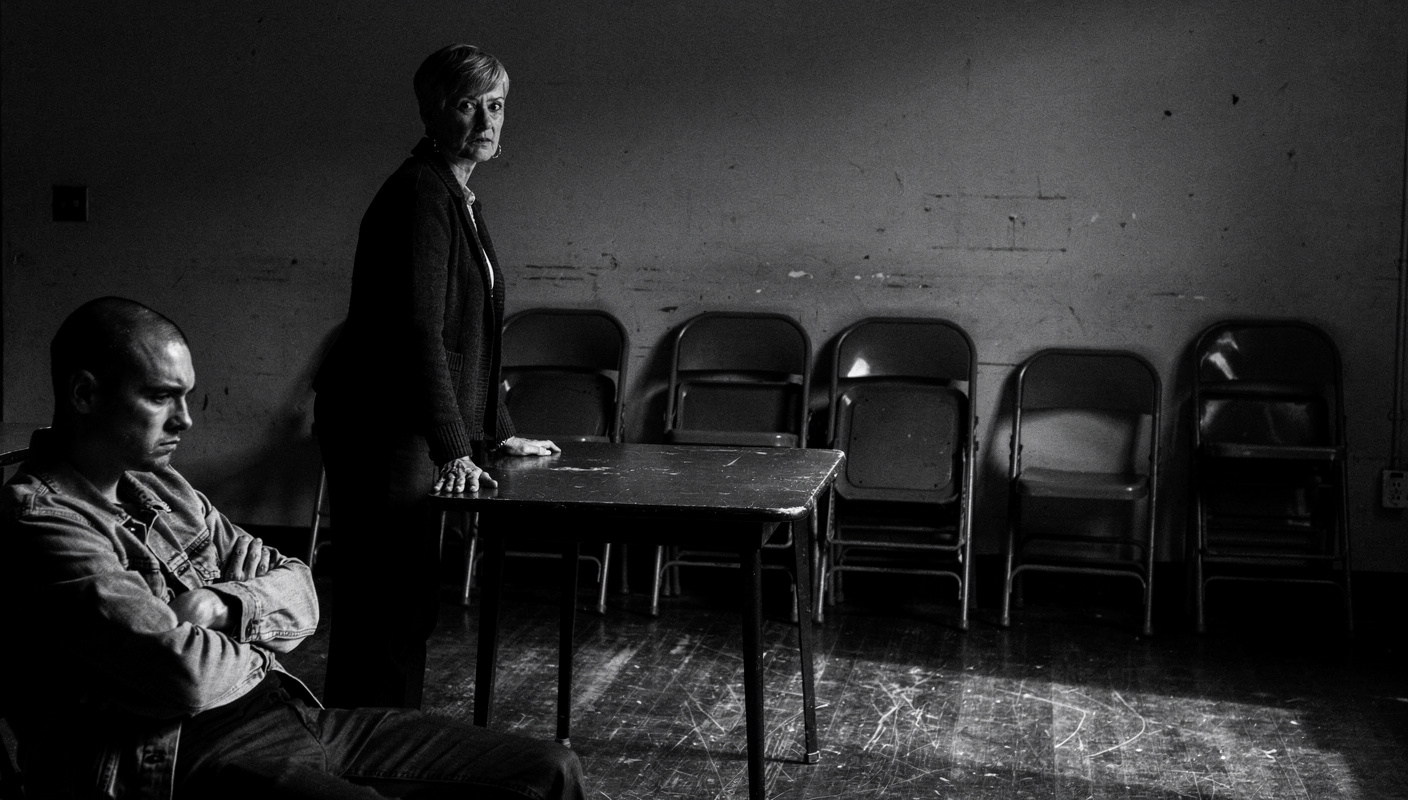
Or consider someone sitting across from you during a difficult conversation. Their posture is open, their voice is measured, their words are conciliatory. But their feet, which you can see beneath the table, are angled toward the exit. Their body has already decided where it wants to go. Foot direction is one of the most reliable and least monitored indicators in kinesics because people almost never think to manage it. This kind of signal is especially worth reading when you are trying to ensure every participant gets heard in a group setting: the person whose feet are turned away has often already disengaged, even if their face has not caught up.
Self-soothing gestures are another category worth understanding. When someone strokes the side of their neck, touches their face repeatedly, or runs a thumb along the inside of their wrist during a conversation, these are somatic responses to elevated physiological arousal. The body is attempting to calm itself. The gesture itself is not the message; the internal state that triggered it is. Watching for these movements during moments of conflict during meetings will tell you far more about who is genuinely under pressure than their words alone ever will.
Why Most People Miss What the Body Is Saying
The main reason micro-movements go unnoticed is attention. We are trained, from childhood, to listen to words. Language is the formal system; we are assessed and evaluated through it. So we direct our attention to the verbal channel and treat everything else as decoration.
The second reason is speed. A genuine microexpression, the kind that flickers across the face before emotional regulation kicks in, can last less than a fifth of a second. You are not going to catch that in a normal conversation unless you have trained yourself to notice something felt slightly off even when you did not see exactly what caused it. The body registers these signals even when the mind does not consciously process them. That is where the instinct to "not quite trust" someone comes from, far more often than people realise.
The third reason is self-absorption during high-stakes conversations. When we are nervous, managing dominant voices in a discussion or preparing our next point, our observational bandwidth narrows dramatically. We stop watching the room and start watching ourselves. The micro-movements keep happening all around us. We simply stop receiving the signals.
What This Means for How You Communicate
The practical implication of all this is not that you should spend every conversation analysing everyone's facial muscles. That path leads to paralysis, not clarity. The insight worth acting on is simpler: the body tells the truth, and it tells it faster than the mouth does. That truth flows in both directions.
For reading others, train yourself to note the moment, not just the message. When something feels slightly inconsistent in a conversation, do not dismiss that feeling as paranoia. Something physical happened that your perceptual system registered before your conscious mind could label it. This is especially useful in contexts where the role of communication in meeting success is at stake and surface-level agreement masks deeper resistance.
For managing your own signals, the most direct tool is not suppression. Trying to stop involuntary movements is like trying not to think of something: the effort makes it worse. The more effective method is alignment. If your internal state matches your message, your body has nothing contradictory to express. Before a hard conversation, the kind where you want to apply the principles behind how to de-escalate arguments during meetings, prepare your emotional state as carefully as you prepare your words. Regulation happens before the room, not during it.
There is one practical exercise I return to again and again. Record yourself in a low-stakes conversation, then watch the footage without sound. You will see things. Moments where your face moved in ways you did not intend. Gestures that arrived half a second before your point. Tension in your shoulders you did not know was there. This is not comfortable viewing, but it is some of the most useful feedback you will ever receive on your own body language. Do it once and you will never again assume your face is neutral when you think it is.
The skill of reading a room accurately, of knowing when the spoken agreement is genuine and when it is fragile, is something you can also apply when learning how to use the empathy bridge technique before a difficult conversation. Arriving with an accurate read of the other person's emotional state, built partly on what their body has already told you, gives you a real foundation to work from.
The Ground Beneath the Words
After sixty years of watching people communicate, in meeting rooms and kitchens and tense corridors, I am certain of this: the words people choose are the surface of the river. Micro-movements are what the current is doing underneath. They do not lie because they predate the decision to lie.
You cannot stop your body from expressing what it feels. But you can close the gap between what you feel and what you mean, and when you do, the signals your body sends will work with you rather than against you. That is where micro-movements body language stops being something that betrays you and starts being something that builds the trust every real conversation depends on.
Frequently Asked Questions (FAQ)
What are micro-movements in body language?
Micro-movements in body language are tiny, involuntary physical shifts that occur faster than conscious thought. They include brief postural adjustments, fleeting facial expressions, and small hand or foot movements that reveal emotional states the speaker has not chosen to express.
Can micro-movements body language be controlled?
You can reduce the frequency of some micro-movements through deliberate practice and emotional awareness, but you cannot eliminate them entirely. The most reliable approach is to align your inner state with your message so your body has nothing contradictory to betray.
How do micro-movements in body language affect trust?
When micro-movements contradict spoken words, the listener senses a mismatch, even if they cannot name it. That sense of mismatch erodes trust. People do not need to consciously identify the signal; the feeling of something being off is enough to make them hesitant.
What are common examples of subconscious body language signals?
Common examples include a brief lip compression before delivering bad news, a micro-shrug of one shoulder when making a claim, a quick eye flicker toward an exit during discomfort, and the momentary tightening of the jaw when someone disagrees but chooses not to say so.
Why is subconscious expression harder to manage than speech?
Speech is processed consciously before it leaves your mouth. Subconscious expression bypasses that filter. Emotional responses reach the body before the thinking brain can intervene, which is why even skilled communicators leak tension, doubt, or discomfort through small physical signals.
How can I become more aware of my own micro-movements?
Start by recording yourself in low-stakes conversations and watching the footage without sound. Notice where your face or hands move in ways you did not intend. Physical stillness practice, such as deliberate pause-and-hold exercises, builds the awareness that makes subconscious signals easier to catch.