

What Happened
Sprout Social released research showing that consumers increasingly demand transparency from brands on social media, and that companies willing to show their human side, admit mistakes, and take real positions earn measurably stronger loyalty. The data points to a shift: audiences no longer just want polished messaging. They want to see who is actually running the show, and what that company actually believes.
The Communication Angle
Picture a brand manager in 2012, carefully crafting every tweet through three rounds of legal review. The goal was to say nothing wrong. The result was saying nothing at all. That era is over, and most companies still haven't gotten the memo.
Here is the core problem. Brands were trained for decades to treat communication as risk management. Every word existed to minimize exposure. But that approach was built for a world where audiences had no megaphone. Social media handed everyone a microphone, and suddenly the sanitized, committee-approved voice sounded exactly like what it was: a mask. Audiences are not fooled by masks. They are repelled by them.
What the Sprout Social data confirms is something I have seen in every boardroom I have ever walked into: authenticity is not a personality trait, it is a skill. The brands winning on social right now are not just "being themselves." They are making deliberate communication choices. They are choosing specific language over vague language. They are naming the problem before the press does. They are letting a real human voice answer a real human complaint, in public, without a script that sounds like a script.
The technique at work here is called earned vulnerability. It is the controlled, intentional disclosure of something imperfect. Notice the word "controlled." This is not about dumping your company's dirty laundry online. It is about choosing what to reveal, when, and how, so that the disclosure builds trust rather than burning it. A brand that says "we got this wrong, here is what we are changing" is not being weak. It is demonstrating confidence, because only a confident organization admits fault without collapsing.
The brands that fail at transparency make one predictable mistake: they confuse honesty with exposure. They think going real means going unfiltered. It does not. Every authentic-feeling message from a successful brand is a crafted message. The craft is just invisible. That invisibility is the goal.
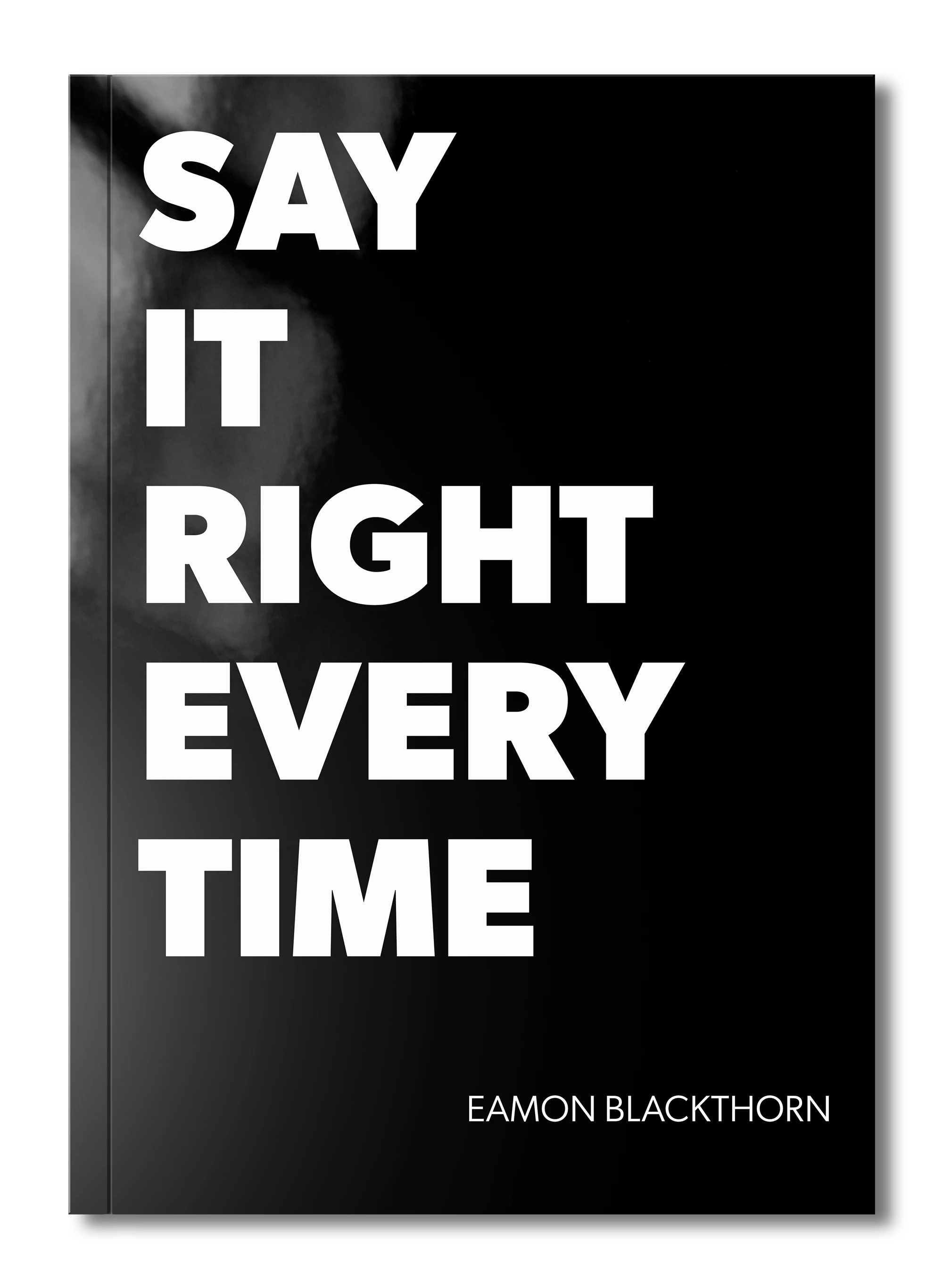
This is exactly the kind of scenario I break down in Say It Right Every Time. The chapter on high-stakes clarity gives you a framework for stripping your message down to the one thing you actually need the audience to believe, and then building every sentence around that single belief. Brands struggle with transparency not because they are dishonest, but because they layer so many protective words around the truth that the truth disappears. That chapter shows you how to reverse that process fast.
Never Be Lost
for Words Again
Get word‑for‑word scripts for the conversations that shape your life, from job interviews and negotiations to difficult talks with family and partners, so you always know exactly what to say and how to say it.
Never Be Lost
for Words Again
Get word‑for‑word scripts for the conversations that shape your life, from job interviews and negotiations to difficult talks with family and partners, so you always know exactly what to say and how to say it.
Key Takeaway
Before your brand posts its next public response to a complaint or controversy, strip out every word that a lawyer put there for protection and not for communication. Read what remains out loud. If it sounds like a human wrote it, send it. If it sounds like a committee approved it, rewrite it from scratch, one person's voice, no passive constructions, no vague commitments.