

What Happened
Harvard Law School's corporate governance forum recently published a guide aimed at board directors on how to use transparency as a tool for building trust with stakeholders. The piece positions transparency as a deliberate leadership practice, not just a default response to crisis. It targets the people sitting at the top of organizations who shape how companies communicate with the outside world.
The Communication Angle
Here is the lesson, stated plainly: transparency fails when leaders treat it as a posture instead of a practice. Most executives think being transparent means saying "we have nothing to hide." That is not transparency. That is a press release. Real transparency is structural. It means building the habit of proactive disclosure before anyone asks you a question.
The mistake corporate directors make, repeatedly, is confusing information volume with communication clarity. They dump data into earnings calls, annual reports, and shareholder letters and call it openness. But flooding people with information is the opposite of transparent. Transparency means choosing the right information, delivered in plain language, at the moment it actually matters to the person receiving it. Volume is noise. Selection is skill.
There is a second failure mode, and it is more dangerous. Directors often become transparent only under pressure. A bad quarter hits, a scandal surfaces, a reporter calls. Suddenly they are "committed to open communication." That timing destroys credibility faster than silence would have. Reactive transparency tells your audience one thing: you were hiding until you could not afford to anymore. Trust does not survive that inference.
The guide from Harvard is pointing directors toward something real, even if the advice stays a bit high-altitude. The core insight is correct: transparency has to be built into the rhythm of how a company talks, not deployed like a fire extinguisher. The leaders who get this right pick a consistent cadence, a consistent format, and a consistent level of candor. Their stakeholders stop being surprised, and that is exactly where trust lives. Surprise is the enemy of trust.
Here are three things directors can do starting now. First, identify one piece of information your stakeholders regularly ask for and start volunteering it before they ask. Second, strip one layer of corporate language out of your next communication. Replace it with a sentence you would say out loud in a hallway. Third, when something goes wrong, communicate within 24 hours, even if you do not have all the answers. Say what you know, say what you do not know, and say when you will have more. That sequence alone puts you ahead of 90 percent of corporate communicators.
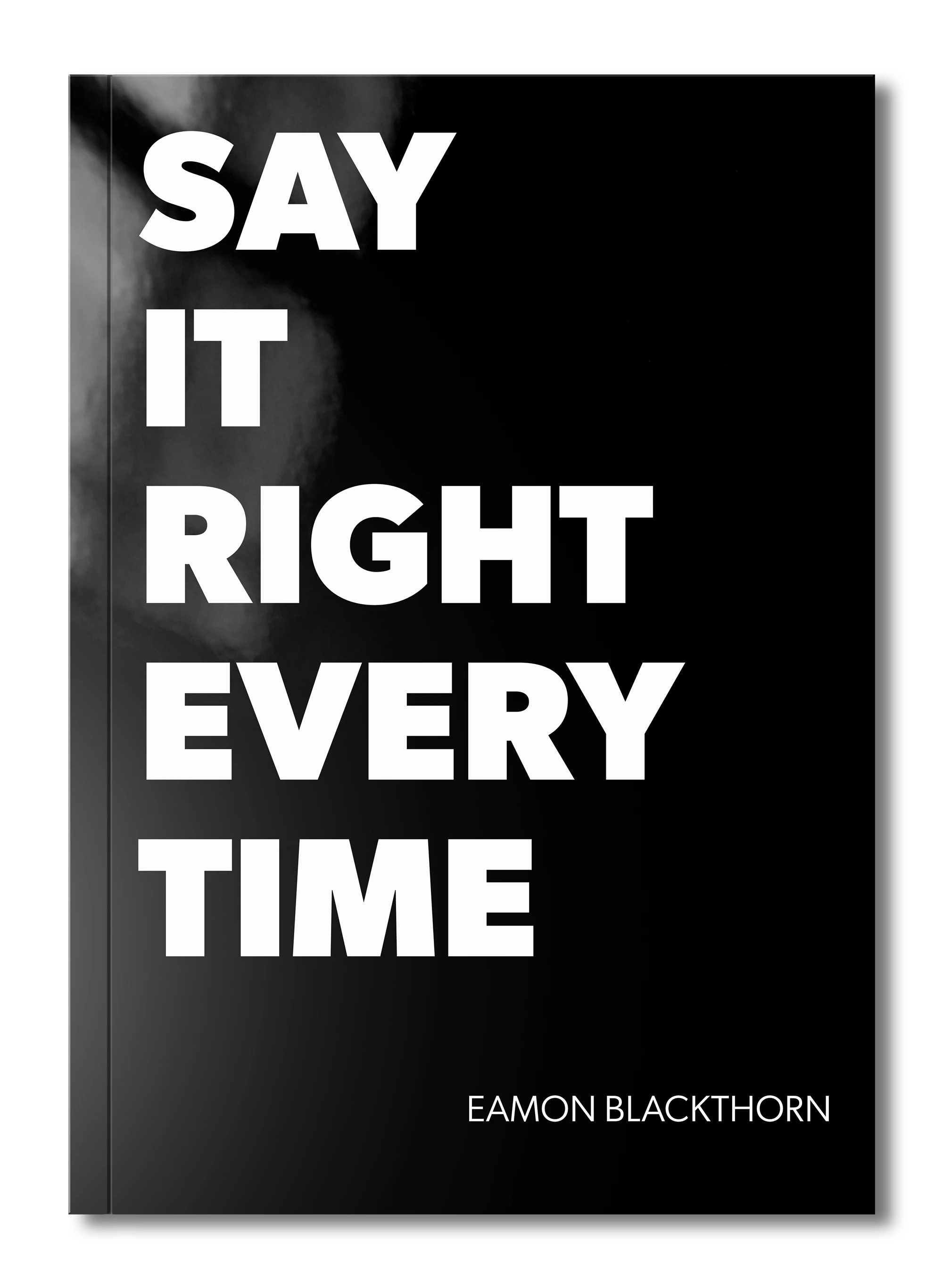
This is exactly the kind of scenario I break down in Say It Right Every Time. The chapter on high-stakes clarity gives you a framework for deciding what to say first, how direct to be, and how to deliver hard information in a way that builds confidence instead of panic. Directors especially need that framework because the instinct under pressure is always to over-qualify and under-communicate. That instinct costs you the room.
Never Be Lost
for Words Again
Get word‑for‑word scripts for the conversations that shape your life, from job interviews and negotiations to difficult talks with family and partners, so you always know exactly what to say and how to say it.
Never Be Lost
for Words Again
Get word‑for‑word scripts for the conversations that shape your life, from job interviews and negotiations to difficult talks with family and partners, so you always know exactly what to say and how to say it.
Key Takeaway
Before your next board report or stakeholder update, write down the one thing your audience is most anxious about right now and make sure that thing is addressed directly in the first three paragraphs. Not buried. Not softened. Addressed. If you cannot do that, you are not being transparent. You are performing it.