

What Happened
A Boston University graduate from the College of Communication took a dehumanizing slur directed at young people in India and flipped it into the engine of a viral online movement. Rather than letting the insult land and fade, she weaponized it, building a digital community around the very word intended to diminish. The movement gained serious traction, turning a moment of contempt into collective identity.
The Communication Angle
Can you take the worst thing someone calls you and make it your greatest rallying cry? Not only can you, but history shows it is one of the most powerful moves in public communication. This story is a textbook case of linguistic reclamation, and it works for a very specific reason: it removes the weapon from the attacker's hand and hands it to the crowd.
The first layer here is reframing. When someone calls you a cockroach, the expected response is defense or silence. Both responses confirm the power dynamic the insult was designed to create. By adopting the label instead, this communicator destroyed that dynamic entirely. She did not argue against the insult. She rendered it useless as an attack by making it a badge. That is not spin. That is structural communication strategy.
The second layer is community architecture. A slur aimed at a generation is not personal. It is tribal. The smart move is to treat it tribally. By building a movement around the shared experience of being dismissed, she gave millions of people a home in a single word. This is what strong communicators understand: the goal is not to win an argument, it is to build an audience. Arguments end. Movements grow.
The third layer is timing. Outrage has a short shelf life. Most people sit with an insult for a day, post about it, and move on. She did not move on. She organized. That is the difference between reacting and communicating. Reacting is emotional. Communicating is intentional. She had a goal beyond the moment, and that goal shaped every decision.
Here is how you apply this. Next time a critic, a competitor, or a hostile room hands you a label you hate, stop before you push back. Ask yourself: can I own this word instead of fighting it? Not every insult converts into a rallying cry, but the ones that target a group you belong to almost always can. The insult only holds power if you treat it as an endpoint. Treat it as an opening.
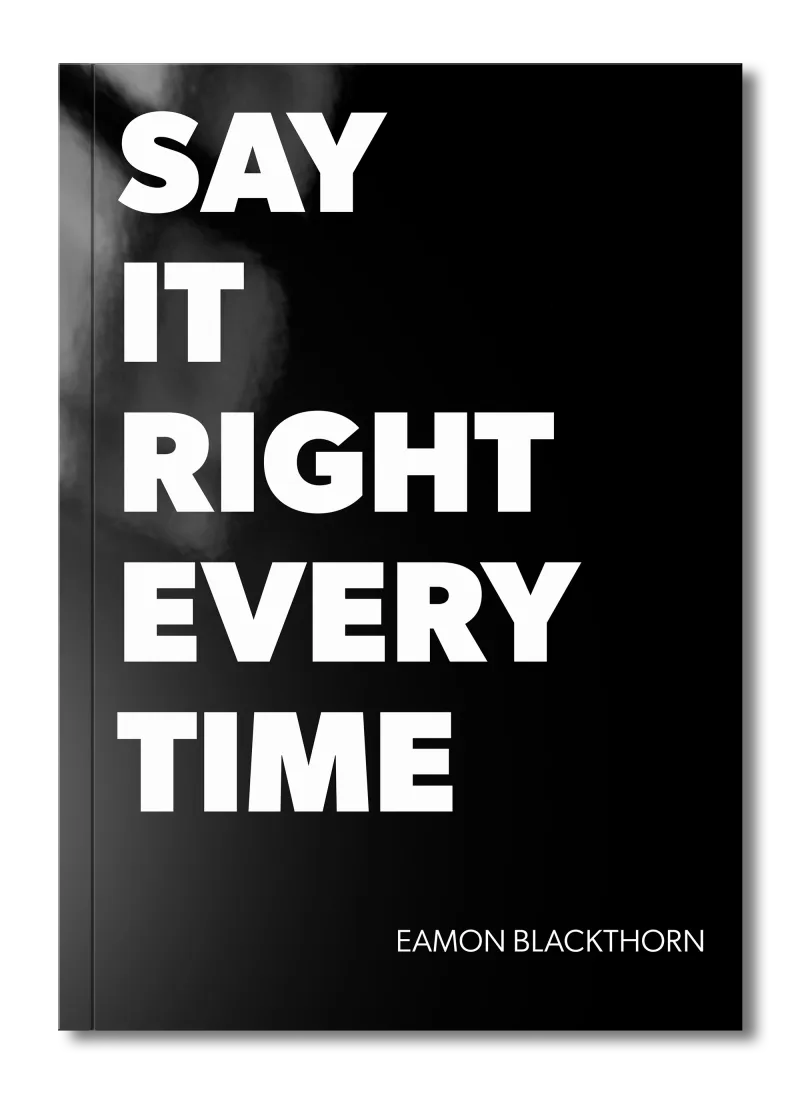
This is exactly the kind of scenario I break down in Say It Right Every Time. The chapter on reframing hostile language gives you a framework for identifying the precise moment when a defensive response will cost you credibility and an assertive reclaim will multiply it. The technique is not about being clever. It is about understanding who holds the power in a conversation and knowing exactly how to shift it.
Never Be Lost
for Words Again
Get word‑for‑word scripts for the conversations that shape your life, from job interviews and negotiations to difficult talks with family and partners, so you always know exactly what to say and how to say it.
Never Be Lost
for Words Again
Get word‑for‑word scripts for the conversations that shape your life, from job interviews and negotiations to difficult talks with family and partners, so you always know exactly what to say and how to say it.
Key Takeaway
Before your next public response to criticism, write the insult or negative label down on paper. Then write one sentence that reframes it as a source of strength or shared identity for your audience. If you can write that sentence, you do not need a defense. You have a movement.