
What Happened
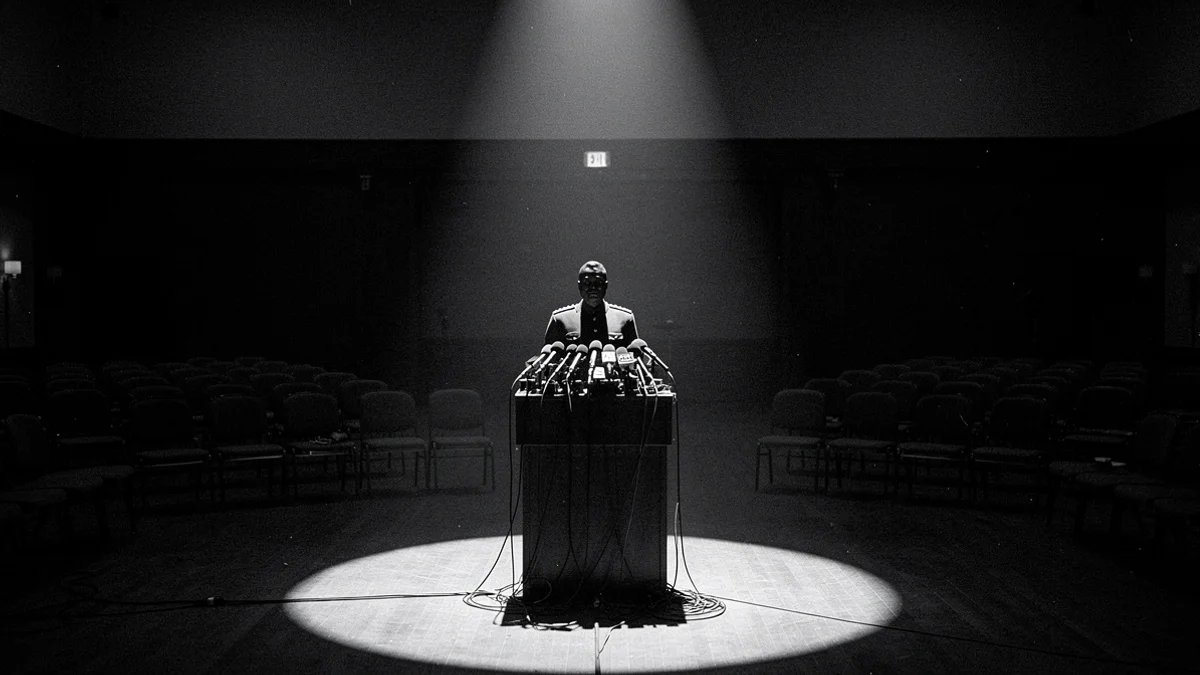
Spanish football's top division, La Liga, has decided that referees will no longer disappear into the tunnel after a match. From now on, officials will face television cameras and answer questions from journalists following each game. It is a significant cultural shift in a sport where referees have historically been invisible after the final whistle, shielded from scrutiny while coaches and players faced the media alone.
The Communication Angle
Here is the lesson: accountability and credibility are built in the same place, the open room, not the closed office.
Referees in football have had a communication problem for decades. Not because they make bad decisions (though sometimes they do), but because they vanish. When the most powerful decision-maker in the room refuses to explain themselves, trust collapses. Fans invent motives. Coaches fill the silence with anger. The referee becomes a villain in a story they never got to tell. Silence is not neutral. Silence is a statement, and in a conflict-heavy environment, it always sounds like guilt.
La Liga has recognized something that most institutions get wrong: the absence of explanation does not protect you from criticism. It multiplies it. By putting referees in front of cameras, they are forcing accountability into the open. That is the right move. A referee who says "I judged that the defender's arm position made contact with the ball" is no longer a mystery. He is a human being applying a standard. You might still disagree, but now you are disagreeing with a person and a reason, not a ghost.
The communication technique at work here is what I call structured transparency. You do not reveal everything. You do not apologize for doing your job. You explain the framework you used to reach your decision. This works because it shifts the conversation from "was the referee wrong?" to "was the standard applied correctly?" That is a far more productive argument, and it is one the referee can actually win.
There is a lesson here for anyone who holds authority in a contentious environment: managers, doctors, coaches, executives. When you make a hard call, the instinct is to retreat. Do not. Step forward, state your reasoning clearly, and invite the disagreement into the light where you can manage it. The decision you refuse to explain becomes the decision that defines you badly.
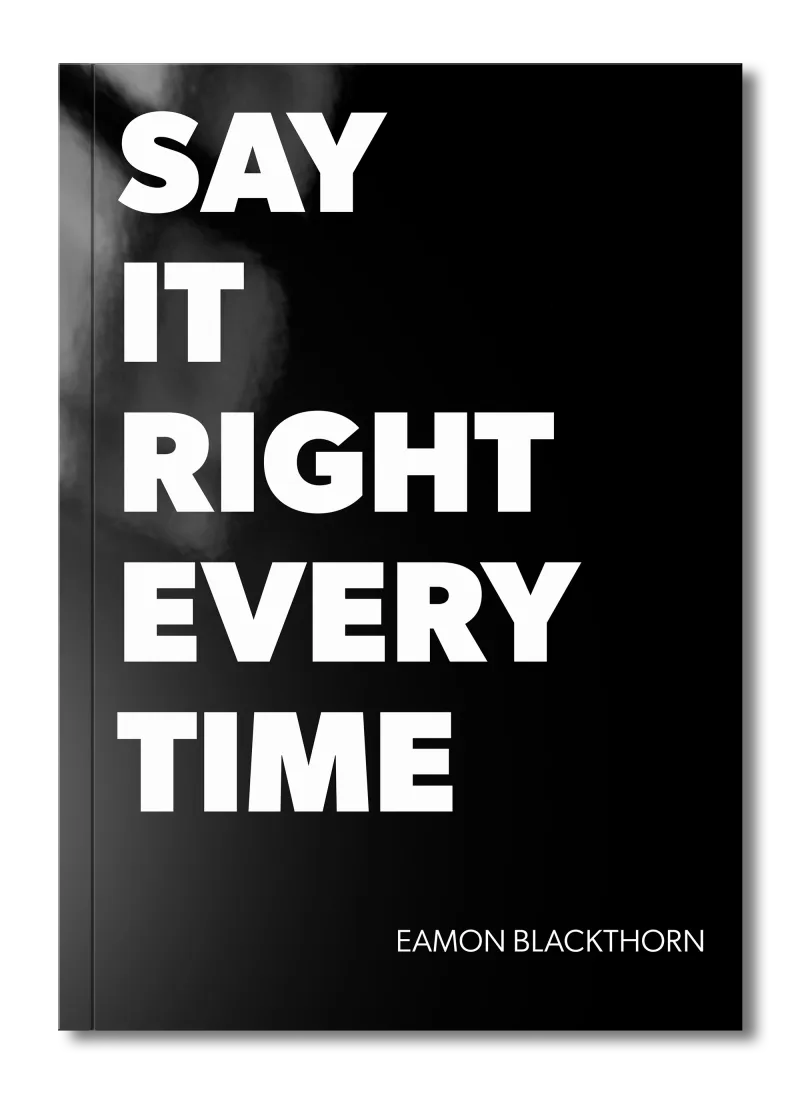
This is exactly the kind of scenario I break down in Say It Right Every Time. The chapter on speaking under pressure gives you a framework for explaining decisions in high-stakes moments without sounding defensive. The goal is not to win the argument after the fact. It is to frame the decision so cleanly, before the questions come, that the argument never gets traction. La Liga's referees are about to learn that lesson in front of millions of viewers. You can learn it before you need to.
Never Be Lost
for Words Again
Get word‑for‑word scripts for the conversations that shape your life, from job interviews and negotiations to difficult talks with family and partners, so you always know exactly what to say and how to say it.
Never Be Lost
for Words Again
Get word‑for‑word scripts for the conversations that shape your life, from job interviews and negotiations to difficult talks with family and partners, so you always know exactly what to say and how to say it.
Key Takeaway
After your next difficult decision, write one sentence that completes this: "I made this call because..." That sentence is your press conference. Deliver it before someone else writes it for you.