

Skip to content
Illustration for Blue Jays Apology Fails: What They Got Wrong
Source: Fox News

Blue Jays Apology Fails: What They Got Wrong

Eamon Blackthorn
By Eamon Blackthorn Author of the best-selling book Say It Right Every Time
3 min read Crisis & Reputation

What Happened

Toronto Blue Jays outfielder Anthony Santander shared Instagram posts that many in the Muslim community labeled as Islamophobic. The backlash was swift and public. Santander stayed silent. So the Blue Jays stepped forward and issued an apology on behalf of their organization, leaving their own player standing beside them without a word.

This is exactly the kind of scenario I break down in Say It Right Every Time. The chapter on crisis ownership gives you a framework for figuring out whose voice needs to be in the room before any public statement goes out. It covers the specific language patterns that signal genuine accountability versus the phrases that sound apologetic but actually deflect responsibility. The Blue Jays used almost every deflection pattern in the book, and the audience recognized it in real time.
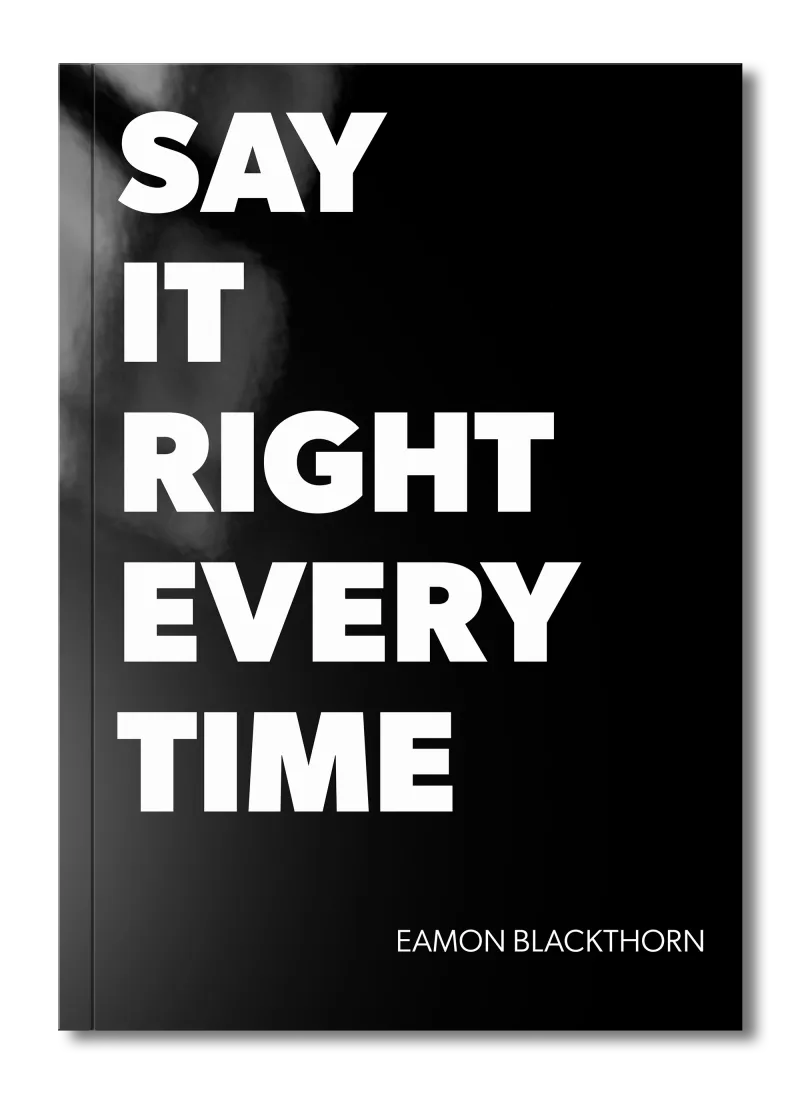
Say It Right Every Time by Eamon Blackthorn

Never Be Lost
for Words Again

By Eamon Blackthorn

Get word‑for‑word scripts for the conversations that shape your life, from job interviews and negotiations to difficult talks with family and partners, so you always know exactly what to say and how to say it.

Go to Book PageFrom $9.97 USD
PaperbackHardcoverKindleAudiobook

Key Takeaway

Before your organization speaks on behalf of anyone, get that person's explicit participation in writing first. Not a vague agreement. Not a nod in a hallway. Actual words they approve. If you cannot get that, do not put your name on their silence and call it accountability.


More in Crisis & Reputation

Illustration for Russell Brand Prison Message: A Crisis Comms Failure
Crisis & Reputation

Russell Brand Prison Message: A Crisis Comms Failure

Russell Brand recorded and shared a video message intended for prisoners, which Downing Street quickly labeled "appalling" and confirmed was under active investigation. The message drew sharp condemnation from government officials at the highest level. Brand, already navigating serious public allegations about his conduct, managed to generate a fresh wave of institutional outrage at precisely the moment silence would have served him best.

Illustration for Why Boards Now Mandate Communication Rehearsal
Crisis & Reputation

Why Boards Now Mandate Communication Rehearsal

Corporate boards are now requiring executives to rehearse their communication before major events like earnings calls, crisis responses, and analyst briefings. This marks a formal shift in how companies treat communication: not as a soft skill left to individual judgment, but as a measurable risk factor that belongs in the same category as financial controls and legal compliance. Boards are building rehearsal mandates directly into governance frameworks.

Illustration for Brand Talent Crisis: What to Say and When to Say It
Crisis & Reputation

Brand Talent Crisis: What to Say and When to Say It

Brands are increasingly caught off guard when the people they hire to represent them self-destruct publicly. Ad Age recently examined how companies can build systems, from initial vetting to post-crisis recovery, to protect themselves when a spokesperson, influencer, or brand ambassador becomes a reputational problem. The piece outlines a strategic playbook for navigating these messy, high-stakes situations before, during, and after they explode.

Illustration for Brand Social Media Fails: What Went Wrong & How to Fix It
Crisis & Reputation

Brand Social Media Fails: What Went Wrong & How to Fix It

Brands across industries have repeatedly torched their own reputations on social media by posting tone-deaf content, responding defensively to criticism, or staying silent when silence reads as guilt. These failures follow a predictable pattern: a company prioritizes speed or cleverness over judgment, the audience pushes back hard, and the brand either doubles down or issues a hollow apology that makes everything worse.

Illustration for Blue Jays Apology Fails: What They Got Wrong

Enjoyed this article?

Blue Jays Apology Fails: What They Got Wrong

Toronto Blue Jays outfielder Anthony Santander shared Instagram posts that many in the Muslim community labeled as Islamophobic. The backlash was swift and public. Santander stayed silent. So the Blue Jays stepped forward and issued an apology on behalf of their organization, leaving their own player standing beside them without a word.

Share it with someone who needs to hear this.

Share