
What Happened
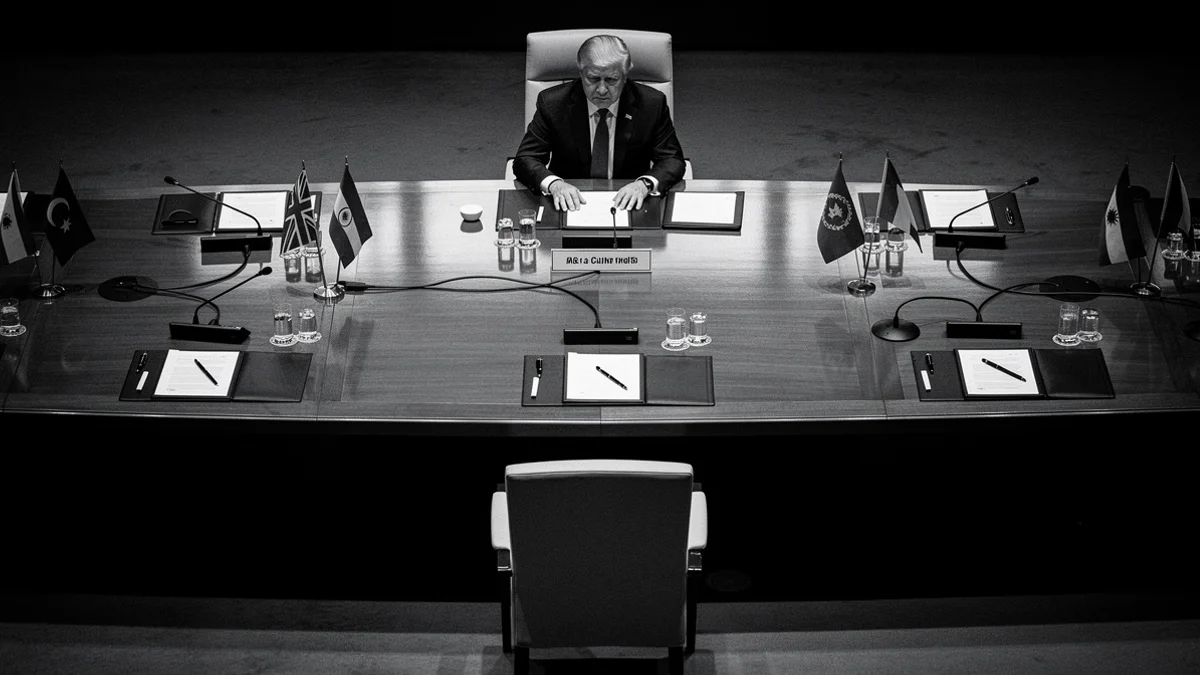
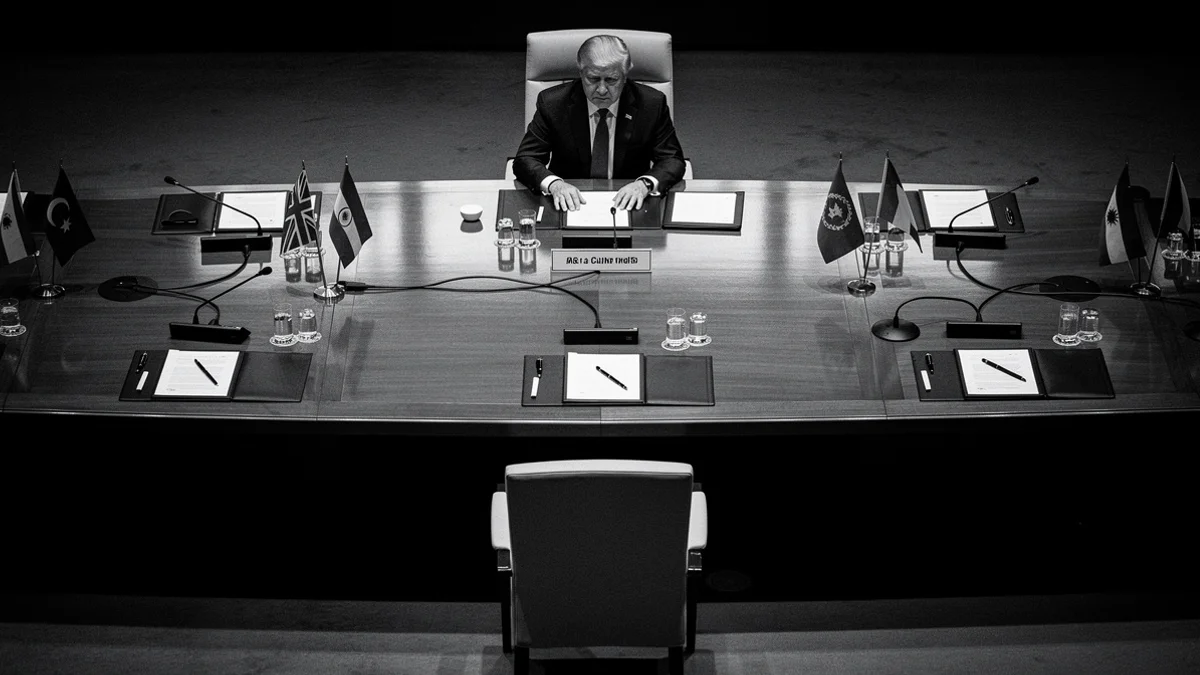
Japanese Prime Minister Sanae Takaichi traveled to the APEC summit in Shenzhen and left without securing a face-to-face meeting with Chinese President Xi Jinping. Before departing, she told reporters that growing cooperation between the United States, China, and Russia posed no threat to Japanese interests. The gap between that reassuring statement and the visible diplomatic snub created a message nobody planned to send.
The Communication Angle
Picture this: you walk into a networking event, tell everyone you are completely fine with how things are going, and then leave early without speaking to the one person who matters most. Everyone in the room notices. That is exactly what happened in Shenzhen.
Takaichi made a strategic communication error that professionals make constantly. She used words to manage a situation that only actions could resolve. Her statement about U.S.-China-Russia cooperation not harming Japan was designed to project calm and confidence. On its own, it is a reasonable message. But she handed the press a devastating counterpoint the moment she boarded her flight home without that meeting. The words said "no problem." The outcome screamed "problem."
This is what I call a split signal. Your verbal message points one direction, and your visible behavior points another. When those two things conflict, people always believe the behavior. Always. Words are easy to manufacture. Actions are harder to fake. Every journalist at APEC could see she did not get the meeting. No statement fixes that.
There is a deeper issue here too. Takaichi's framing was entirely defensive. "This will not harm Japan" is a reactive posture. It answers a question nobody asked out loud, which immediately signals that the question is worth asking. Strong communicators in diplomatic settings do not spend time telling audiences what will not happen. They announce what they are building, what they are pursuing, what they are driving forward. The moment you say "do not worry," you have created something to worry about.
What should she have done? Two options. Option one: secure the Xi meeting before making any public statement. Arrive with proof that the relationship is functional, then speak from a position of demonstrated strength. Option two: if the meeting genuinely could not happen, get ahead of it. Acknowledge the reality plainly, explain the context, and frame your next concrete step. Something like: "We did not meet today. Here is what we are doing next and when." That is honest and it is forward-moving. It respects the audience's ability to see what is right in front of them.
Diplomacy and professional communication share one iron rule: never let your actions contradict your message. If they must contradict, explain the gap before someone else defines it for you.
This is exactly the kind of scenario I break down in Say It Right Every Time. The chapter on nonverbal consistency gives you a framework for auditing your own signals before you deliver them, so you stop sending split messages that erase everything you just said. What you do after you speak is part of the speech. Most people never account for that.
Never Be Lost
for Words Again
Get word‑for‑word scripts for the conversations that shape your life, from job interviews and negotiations to difficult talks with family and partners, so you always know exactly what to say and how to say it.
Never Be Lost
for Words Again
Get word‑for‑word scripts for the conversations that shape your life, from job interviews and negotiations to difficult talks with family and partners, so you always know exactly what to say and how to say it.
Key Takeaway
Before your next high-stakes conversation or public statement, ask yourself one question: does my planned action after this conversation confirm my message or undermine it? Write it down. If the answer is "undermine," either change the action or change the message. Never let the two run in opposite directions and hope nobody notices.