

What Happened
A leaked internal survey at Crown Estate Scotland revealed that fewer than half of staff trust the decisions made by their executive team. The findings also flagged serious concerns about bullying and poor communication across the organization. This is not a minor morale dip. When only 47% of your own people believe in your leadership, you have a structural breakdown on your hands.
The Communication Angle
When did silence become a leadership strategy?
That is the question Crown Estate Scotland's executives need to answer right now. Because here is what a 47% trust rating actually tells you: leadership has been making decisions in a room, then broadcasting outcomes to people who had no voice in the process. That is not communication. That is announcement. And announcement without dialogue destroys trust faster than almost any other leadership failure.
The core problem here is not that bad decisions were made. Every organization makes bad decisions. The problem is that staff have no confidence the people at the top are even listening. That gap between the decision-makers and the people living with those decisions is where trust goes to die. When you combine that gap with reported bullying, you get a workforce that has essentially concluded: not only do leaders not hear us, they do not care that they do not hear us.
Here is what good communication looks like in a scenario like this. Leaders at high-performing organizations do not wait for a survey to tell them morale is collapsing. They create regular, structured moments for two-way conversation. Not a town hall where the CEO talks for 40 minutes and takes three softball questions. I mean small group sessions where leaders ask specific questions, write down what they hear, and then follow up in writing with what they are doing about it. That loop, listen, acknowledge, act, report back, is what builds confidence in leadership judgment over time.
The bullying issue compounds everything. If people do not feel safe speaking up, your feedback channels are worthless. You will only hear what people think is safe to say. Crown Estate Scotland now has a credibility problem that a single email from the CEO will not fix. Repairing this requires visible, repeated, consistent behavior change. Not words. Behavior.
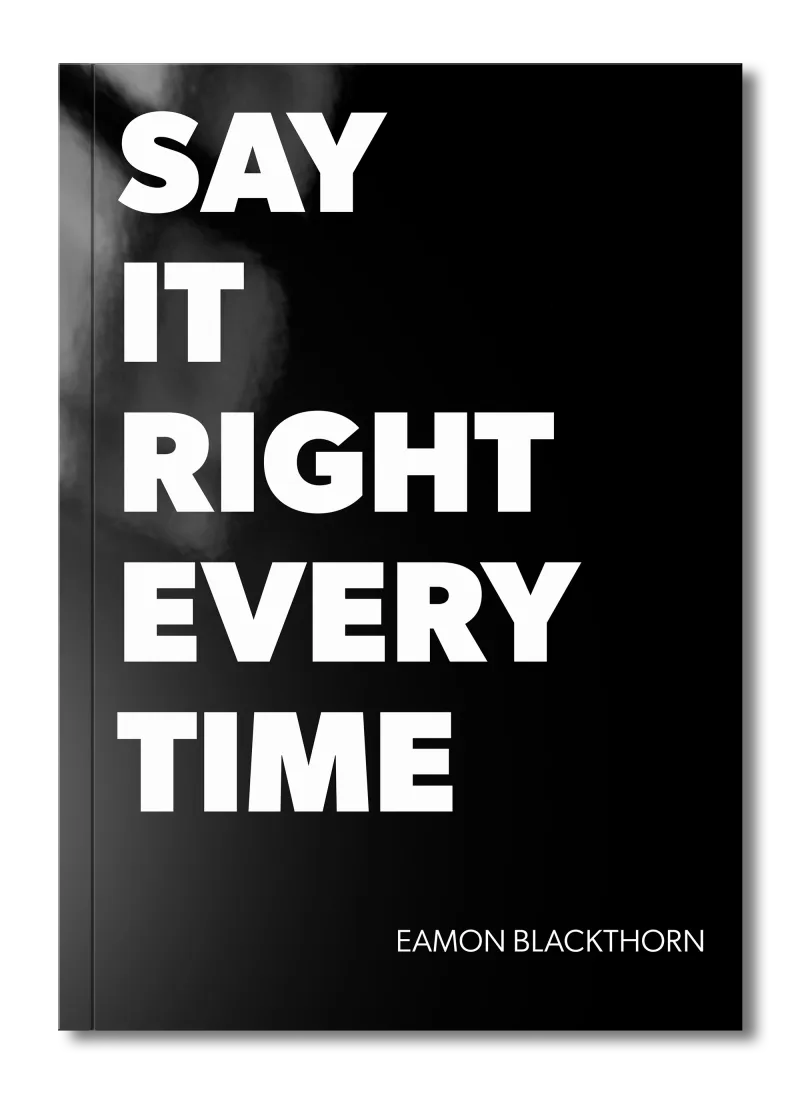
This is exactly the kind of scenario I break down in Say It Right Every Time. The chapter on leadership transparency gives you a framework for distinguishing between informing your team and actually communicating with them. Most leaders think they are doing the second thing when they are only doing the first. The gap between those two is where organizations like Crown Estate Scotland get into serious trouble, and the chapter shows you, step by step, how to close it before a leaked survey closes it for you.
Never Be Lost
for Words Again
Get word‑for‑word scripts for the conversations that shape your life, from job interviews and negotiations to difficult talks with family and partners, so you always know exactly what to say and how to say it.
Never Be Lost
for Words Again
Get word‑for‑word scripts for the conversations that shape your life, from job interviews and negotiations to difficult talks with family and partners, so you always know exactly what to say and how to say it.
Key Takeaway
Before your next team meeting, ask this single question out loud and then stop talking: "What is one decision we have made recently that you think was wrong, and why?" Then write down every answer without defending yourself. Send a follow-up note within 48 hours that says what you heard and what, if anything, you are going to change. That one loop, done consistently, does more for trust than a year of vision statements.