
What Happened
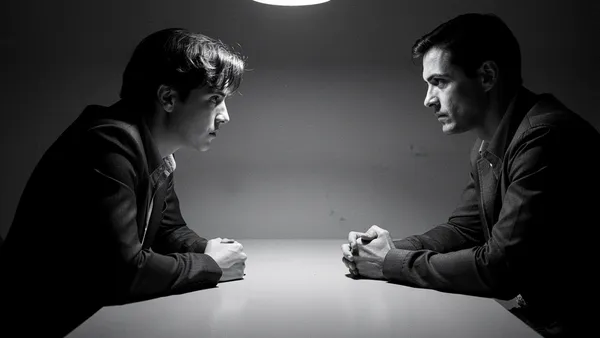
J.I. Case High School in Racine, Wisconsin launched a student-led Restorative Justice program that handles conflict differently than the traditional punishment model. Instead of sending students to the principal's office for a suspension, the program brings the people involved into a structured conversation. Students sit down, speak honestly, and actually listen to each other. The result is resolution instead of resentment.
The Communication Angle
Here is what most schools, and most workplaces, get completely wrong about conflict: they treat it as a problem to eliminate rather than a conversation to have. Suspension removes the person. It does not address the tension. The conflict goes underground, festers, and comes back worse. J.I. Case recognized this and built a system around a different premise. Talk through it. Out loud. With the other person in the room.
The genius of this program is structural, not motivational. It does not simply tell students to "be kind" or "use their words." It creates a formal container for a difficult conversation. That structure matters more than people realize. When you give a conversation a defined format, with turns to speak, a facilitator, and a goal of mutual understanding, you strip away the chaos that makes hard conversations go sideways. People know what is expected. That clarity alone reduces defensiveness by half.
Notice also that this is student-led. That is not an accident, and it is not just feel-good optics. Peer-to-peer communication carries weight that adult-to-student communication rarely does. When someone your own age looks at you and says "I hear you," it lands differently than when a teacher says it. The messenger is part of the message. J.I. Case understood this, and it is a lesson that translates directly to any team environment. If you want buy-in on a cultural shift, the people delivering the message need to look like the people receiving it.
The deeper communication principle at work here is something I call earned listening. You do not get someone to genuinely hear you by demanding it. You earn it by going first. By being willing to sit across from someone you are in conflict with and demonstrate that you are listening before you expect them to. That is what Restorative Justice is built on, and it is exactly why it works where punishment does not.
This is exactly the kind of scenario I break down in "Say It Right Every Time." The chapter on structured difficult conversations gives you a framework for designing the container around a hard talk before the talk even starts. Most people prepare what they want to say. The chapter shows you why preparing the conditions of the conversation matters more than preparing your words.

Never Be Lost
for Words Again
Get word‑for‑word scripts for the conversations that shape your life, from job interviews and negotiations to difficult talks with family and partners, so you always know exactly what to say and how to say it.
Never Be Lost
for Words Again
Get word‑for‑word scripts for the conversations that shape your life, from job interviews and negotiations to difficult talks with family and partners, so you always know exactly what to say and how to say it.
Key Takeaway
Before your next difficult conversation at work, do this one thing: go in with a question instead of a position. Write down the specific thing you want to understand about the other person's point of view before you walk into that room. Not what you want to say. What you want to learn. That single shift moves you from an argument to a conversation, and conversations actually resolve things.