
What Happened
A PR crisis, handled correctly, does not just limit damage. It can actually leave a brand in better standing than before the crisis hit. Recent coverage in Entrepreneur highlighted this counterintuitive reality: companies that communicate with speed, honesty, and clear accountability during a crisis often earn more trust from their audiences than companies that never faced a crisis at all. The key word is "handled." Most companies do not handle it. They survive it, at best.
The Communication Angle
Here is the contrast that matters. Compare two hypothetical companies facing the same product defect scandal. Company A goes quiet for 72 hours, releases a legal-approved statement full of passive voice ("mistakes were made"), and offers a coupon as restitution. Company B's CEO is on camera within six hours, names the problem directly, explains what went wrong in plain language, and announces a concrete fix with a timeline. One of these companies is stronger in six months. It is not Company A.
The reason Company B wins is not just goodwill. It is credibility architecture. When you speak first, you control the frame. When you name the problem yourself before a reporter does, you signal confidence rather than guilt. When you give a specific timeline ("we will have this resolved by March 15"), you make a promise. Promises, when kept, build trust faster than any marketing campaign ever could.
What Company A is doing is the classic defensive crouch: minimize, delay, deflect. Every communication choice signals the same thing to the audience: we care more about protecting ourselves than protecting you. Audiences are not stupid. They read that signal clearly, and they do not forget it.
The technique that separates a brand-building crisis response from a brand-destroying one comes down to three specific choices. First, use the active voice and own the subject of every sentence. Not "errors occurred" but "we made an error." Second, address the impact on real people before you address the impact on the company. Lead with the customer, not the stock price. Third, give one specific next step, not a list of vague commitments. One promise, clearly stated, is worth ten bullet points of corporate intention.
This is not about being perfect. It is about being clear. A brand that communicates clearly under pressure proves something no press release ever could: that there are real people inside that company who can be trusted when things go wrong.
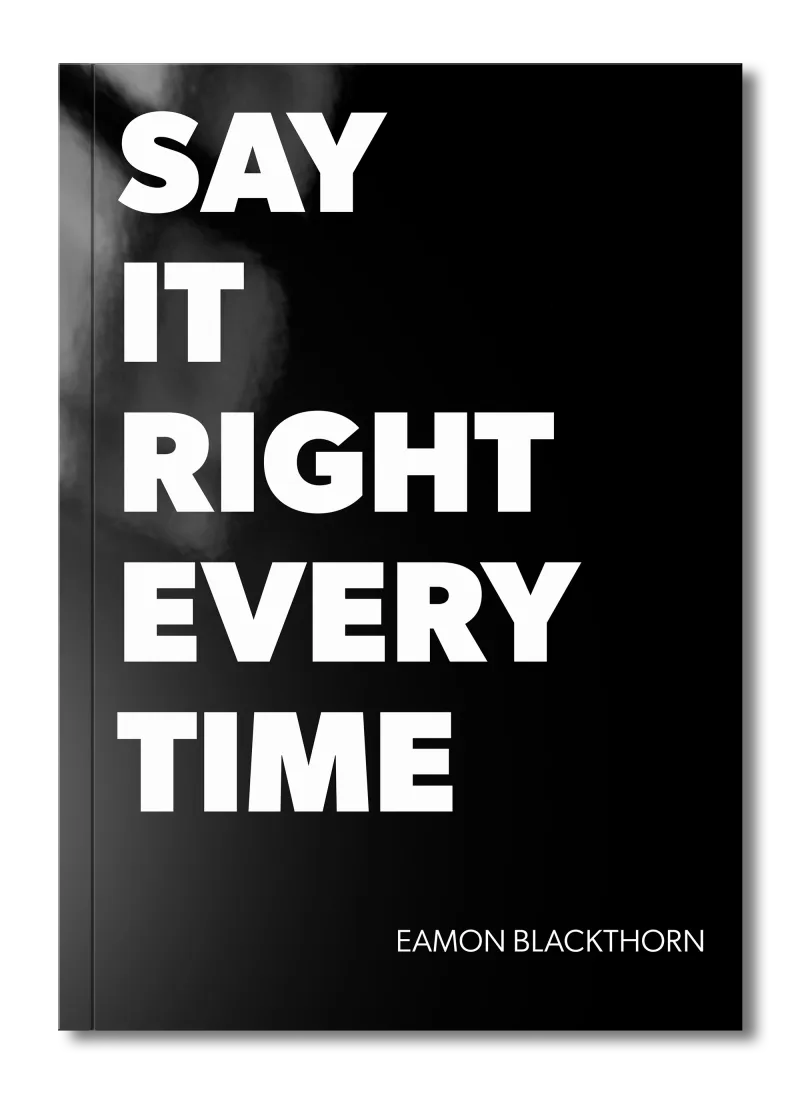
This is exactly the kind of scenario I break down in Say It Right Every Time. The chapter on high-stakes accountability gives you a framework for structuring an apology or crisis statement so that it builds trust instead of eroding it. Most people conflate admitting fault with losing power. That chapter shows you why the opposite is true, and how to use transparency as a strategic tool rather than a last resort.
Never Be Lost
for Words Again
Get word‑for‑word scripts for the conversations that shape your life, from job interviews and negotiations to difficult talks with family and partners, so you always know exactly what to say and how to say it.
Never Be Lost
for Words Again
Get word‑for‑word scripts for the conversations that shape your life, from job interviews and negotiations to difficult talks with family and partners, so you always know exactly what to say and how to say it.
Key Takeaway
Before your next crisis response, or difficult public statement of any kind, write one sentence that completes this prompt: "We did X, it caused Y harm, and by Z date we will do W to fix it." If you cannot write that sentence, you are not ready to speak publicly. Get that sentence right first. Everything else is just filler.