
What Happened
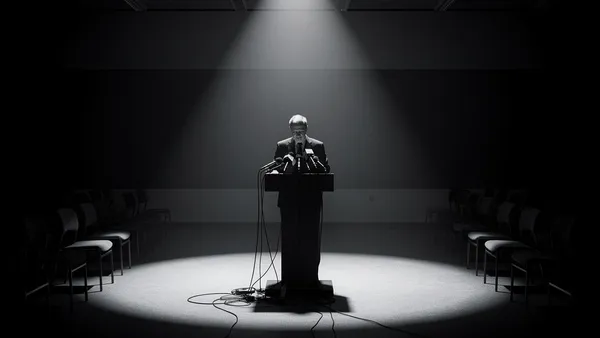
Some of the biggest brand disasters in recent memory did not start with bad products. They started with bad communication. Companies across industries have stumbled publicly on social media, turning minor missteps into full-blown reputation crises. The pattern is consistent: a brand posts something tone-deaf, the audience reacts, and then the brand either says nothing, says the wrong thing, or says the right thing three days too late.
The Communication Angle
What separates a brand that survives a public crisis from one that becomes a cautionary tale?
The answer is not a better PR team. It is not a smarter legal department. It is one thing: the speed and clarity of your first response. The first words out of your brand's mouth after a mistake set the entire frame for how the public will interpret everything that follows. Get it wrong, and you are playing defense forever.
Most brands fail at this for the same reason most people fail in difficult conversations. They prioritize protecting themselves over addressing the other person. On social media, that looks like a corporate non-apology. "We're sorry if anyone was offended" is not an apology. It is blame wrapped in polite language. The audience hears it immediately, and they punish you for it. Every time.
The brands that recover well do three things fast. First, they name the problem out loud, specifically. Not "there was an issue" but "we posted something that was disrespectful, and here is exactly what it was." Second, they take ownership without conditions. No "if," no "but," no qualifications. Third, they state what changes. Not vague promises. Concrete action: who was removed, what policy was rewritten, what will be different tomorrow. Those three moves signal accountability. Accountability is the only currency that buys back public trust.
Here is the hard truth most brands refuse to accept: silence is also a message. When a company goes quiet during a crisis, the audience fills that silence with the worst possible interpretation. Every hour you wait, the story gets worse, because other people are writing it for you.
This is exactly the kind of scenario I break down in Say It Right Every Time. The chapter on crisis language gives you a framework for structuring an apology that actually lands. Most people think an apology is about tone. It is not. It is about sequence. You have to say the right things in the right order, or even a genuine apology sounds hollow. That chapter walks you through the exact sequence, word by word, so you can use it in real time when the pressure is on and you cannot afford to guess.

Never Be Lost
for Words Again
Get word‑for‑word scripts for the conversations that shape your life, from job interviews and negotiations to difficult talks with family and partners, so you always know exactly what to say and how to say it.
Never Be Lost
for Words Again
Get word‑for‑word scripts for the conversations that shape your life, from job interviews and negotiations to difficult talks with family and partners, so you always know exactly what to say and how to say it.
Key Takeaway
Before your brand posts any public response to a crisis, run it through this three-line test. Write down: what specifically went wrong (one sentence, no softening), what you are personally owning (no conditions attached), and what concrete action you are taking before the end of the week. If you cannot fill in all three lines clearly, your response is not ready. Do not post it.