
What Happened
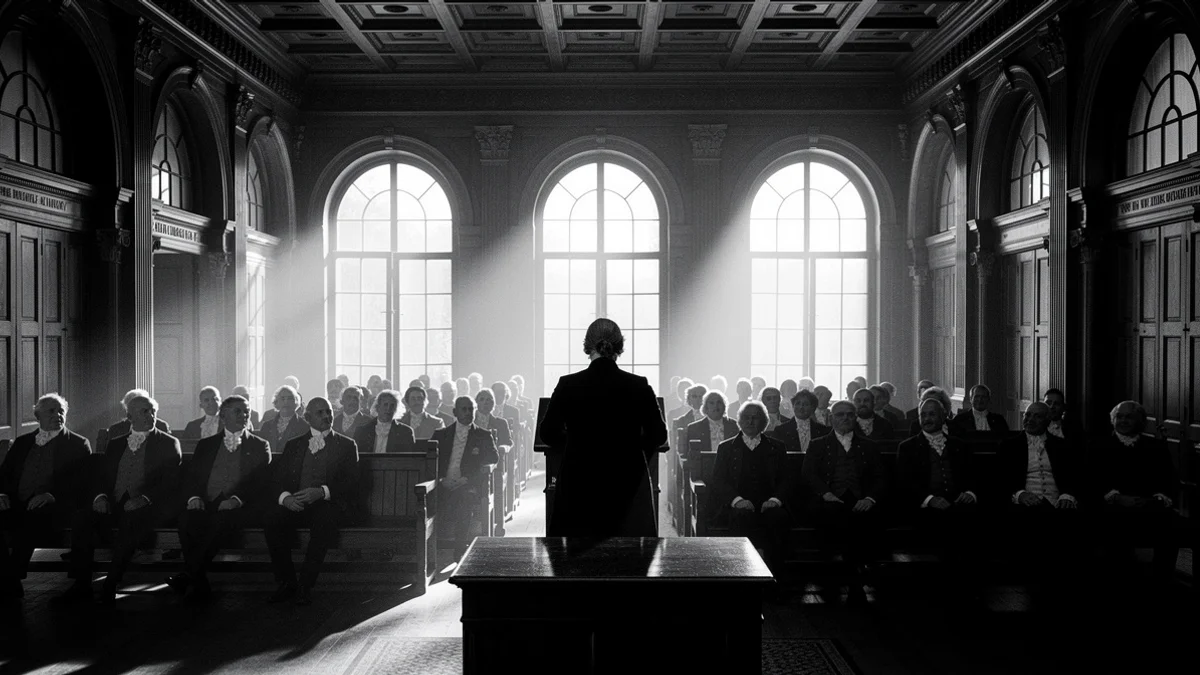
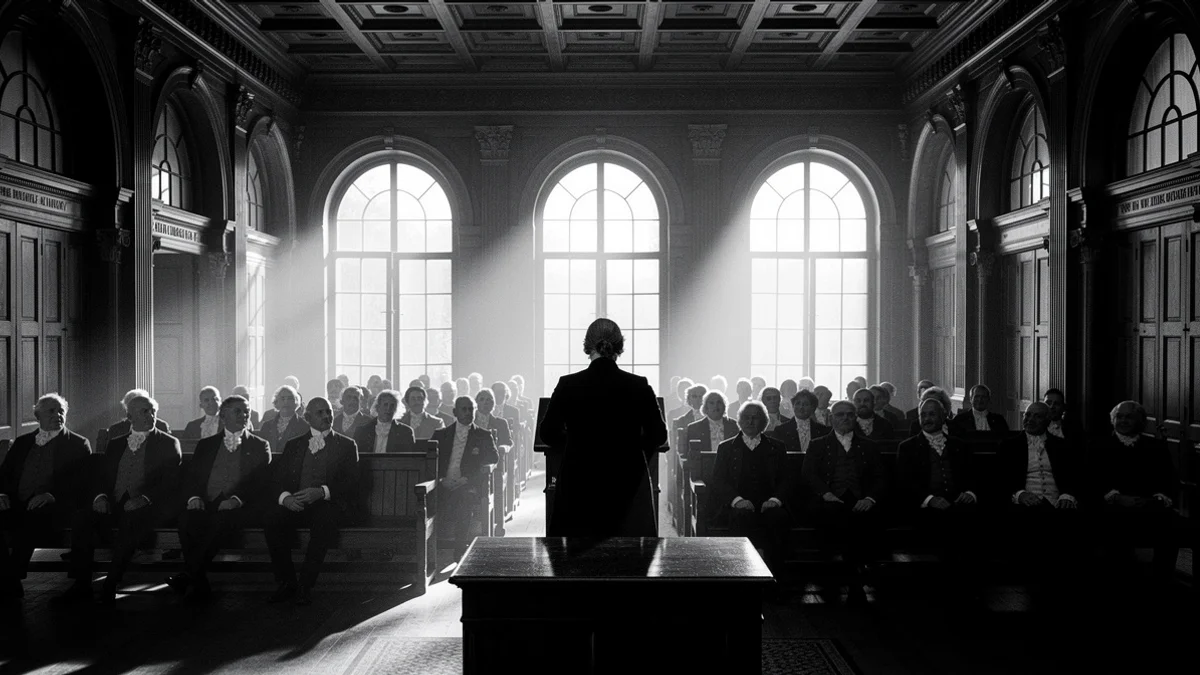
On December 29, 1930, Muhammad Iqbal stood before the Muslim League in Allahabad and delivered a speech that would reshape the political map of South Asia. He proposed consolidating Muslim-majority regions in northwestern India into a distinct political unit. The idea planted a seed that grew into Pakistan by 1947. Scholars still study it today, not just for its politics, but for how it moved an entire population toward a new identity.
The Communication Angle
Compare Iqbal's approach to the way most political leaders handle a radical idea. The standard playbook looks like this: introduce the concept cautiously, surround it with disclaimers, and let the audience decide how seriously to take it. The result is a forgettable speech that changes nothing. Iqbal did the opposite. He walked into that hall with a fully formed vision and stated it plainly. That alone separates most speakers from the ones history remembers.
Here is what he actually did differently. Iqbal opened with a philosophical foundation before he ever made a political demand. He grounded the case for a Muslim homeland in culture, in poetry, in a sense of collective soul. That is not poetry for poetry's sake. That is a master communicator knowing his audience needs to feel the idea before they can adopt it. Facts convince the mind. Feeling moves the body.
Now contrast that with the typical opposition leader giving a press conference today. They lead with a list of grievances and end with a vague call to action. The audience leaves with no picture in their head. Iqbal gave his audience a picture they could carry home and argue about at the dinner table. A political entity. A geographic space. A future. Specific vision beats emotional complaint every single time.
The third thing Iqbal did: he spoke to the right room. This was not a public rally. This was the Muslim League presidential address, a gathering of people already predisposed to listen and act. Great communicators do not waste their sharpest message on a hostile audience. They build the coalition first, then let the message spread outward. Iqbal understood that a speech is not a single event. It is a starting pistol.
This is exactly the kind of scenario I break down in Say It Right Every Time. The chapter on "Anchoring Your Message" gives you a framework for leading with vision instead of argument. Most people think persuasion is about making a better case. It is not. It is about handing someone a picture they cannot forget. Iqbal handed a room full of lawyers and politicians a picture of a nation that did not yet exist. Ninety years later, people are still talking about it. That is what a well-anchored message does. It outlives the moment.

Never Be Lost
for Words Again
Get word‑for‑word scripts for the conversations that shape your life, from job interviews and negotiations to difficult talks with family and partners, so you always know exactly what to say and how to say it.
Never Be Lost
for Words Again
Get word‑for‑word scripts for the conversations that shape your life, from job interviews and negotiations to difficult talks with family and partners, so you always know exactly what to say and how to say it.
Key Takeaway
Before your next major presentation or pitch, write down this sentence: "When this talk is over, I want my audience to be able to describe my idea to someone else in two sentences." If you cannot write those two sentences yourself before you speak, your idea is not ready. Iqbal's audience could absolutely summarize his speech. Can yours summarize yours? Make the vision that specific and that portable before you open your mouth.