

What Happened
Michelle Medious-Washington, founder of Elevated Encounters, recently shared five strategies she uses to communicate effectively in professional settings. Her advice, published on Medium, positions her as a practitioner with real-world experience coaching individuals and teams. The piece frames communication as a learnable skill set, not a personality trait you either have or don't.
The Communication Angle
Here is the central tension in almost every "communication expert shares tips" article: the person giving the advice either models what they preach or they don't. That gap tells you everything.
The approach Medious-Washington takes, leading with a practitioner identity and grounding advice in specific encounters, is the right instinct. Compare that to the typical thought leadership piece, which opens with a vague claim like "communication is the foundation of all success" and then offers five bullet points that could apply to literally any human interaction. One approach builds trust. The other wastes your time.
What works in the practitioner approach is specificity of context. When someone says "in my work with executives navigating conflict," you immediately know who the advice is for and whether it applies to you. That is not an accident. It is a targeting decision. The speaker is narrowing the audience on purpose, because a smaller, more relevant audience will trust you more than a broad, indifferent one ever will. Most communicators do the opposite. They try to appeal to everyone and end up connecting with nobody.
What often fails in these frameworks, and this is where I will push back on the five-strategies format in general, is the assumption that listing techniques is the same as teaching them. Five strategies become useful only when you understand the specific moment each one belongs in. Strategy three might be perfect for a performance review conversation and completely wrong for a client negotiation. Without that context, you are handing someone a toolbox with no instructions.
The stronger move, and what separates genuinely useful communication advice from content that sounds good but changes nothing, is to pair each strategy with a failure case. Show me what happens when you skip it. That contrast makes the lesson stick. It also signals that the advisor has actually watched things go wrong, which is the only real credential that matters.
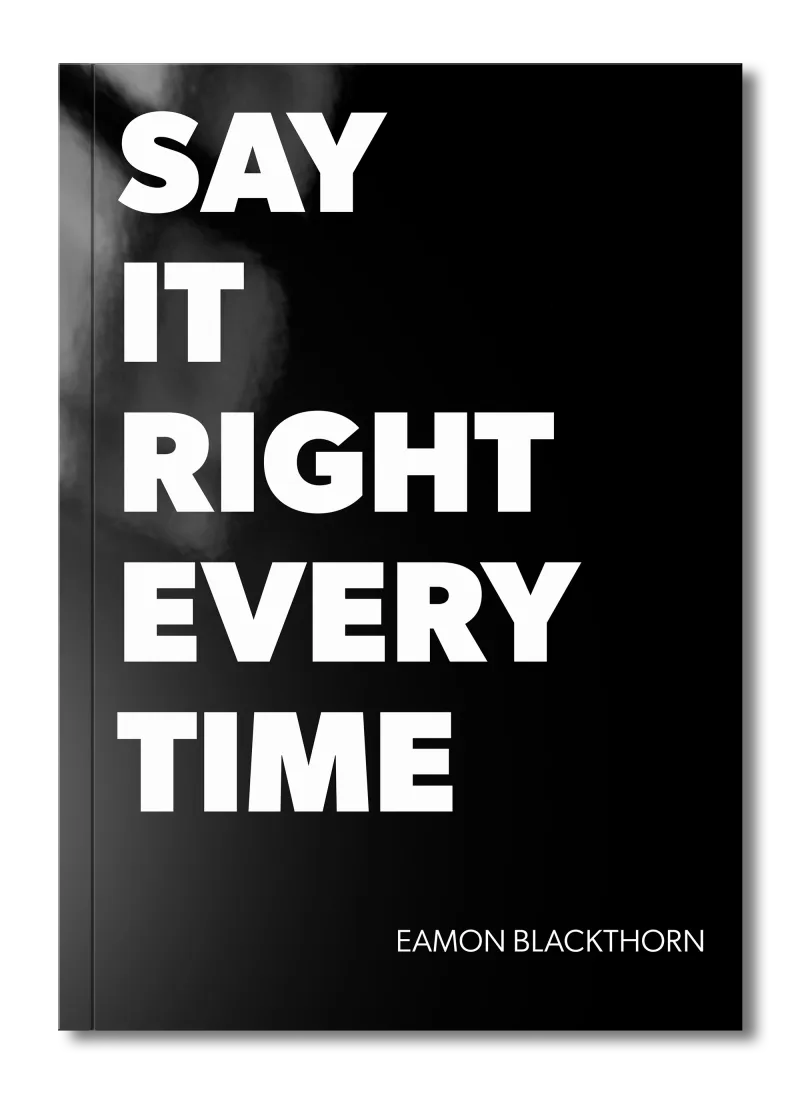
This is exactly the kind of scenario I break down in Say It Right Every Time. The chapter on context-first communication gives you a framework for diagnosing the situation before you choose your words. The technique is not complicated, but most people skip it entirely and then wonder why their carefully chosen words landed wrong. The situation always shapes the message. Get the situation right first, and the rest follows.
Never Be Lost
for Words Again
Get word‑for‑word scripts for the conversations that shape your life, from job interviews and negotiations to difficult talks with family and partners, so you always know exactly what to say and how to say it.
Never Be Lost
for Words Again
Get word‑for‑word scripts for the conversations that shape your life, from job interviews and negotiations to difficult talks with family and partners, so you always know exactly what to say and how to say it.
Key Takeaway
Before you share any communication advice, tip, or strategy with a colleague or team, name the specific situation it belongs in. Say: "This works when you are dealing with X. It backfires when you are dealing with Y." One sentence of context doubles the value of anything you are about to say. Try it in your next team meeting or one-on-one.