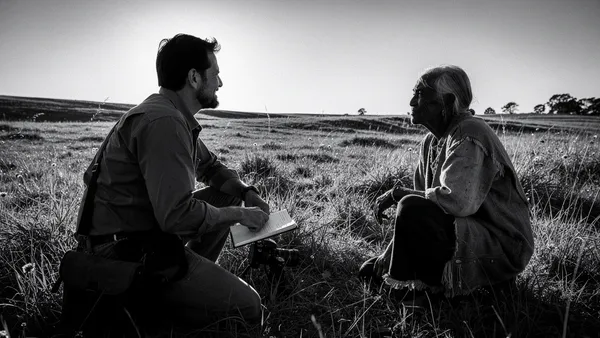

What Happened
A plagiarism controversy has emerged around leadership in Ethiopia, raising serious questions about the honesty and integrity of those in power. The scandal centers on accusations that a prominent figure copied the work of others and presented it as their own. Beyond the academic offense, the story has ignited a broader conversation about whether leaders who deceive in small ways can be trusted with large responsibilities.
This is exactly the kind of scenario I break down in "Say It Right Every Time." The chapter on credibility under pressure gives you a framework for what to say in the first 48 hours of a reputation crisis: how to structure an admission that rebuilds trust instead of accelerating the damage, and why the specific words you choose in that window determine whether you recover or disappear.
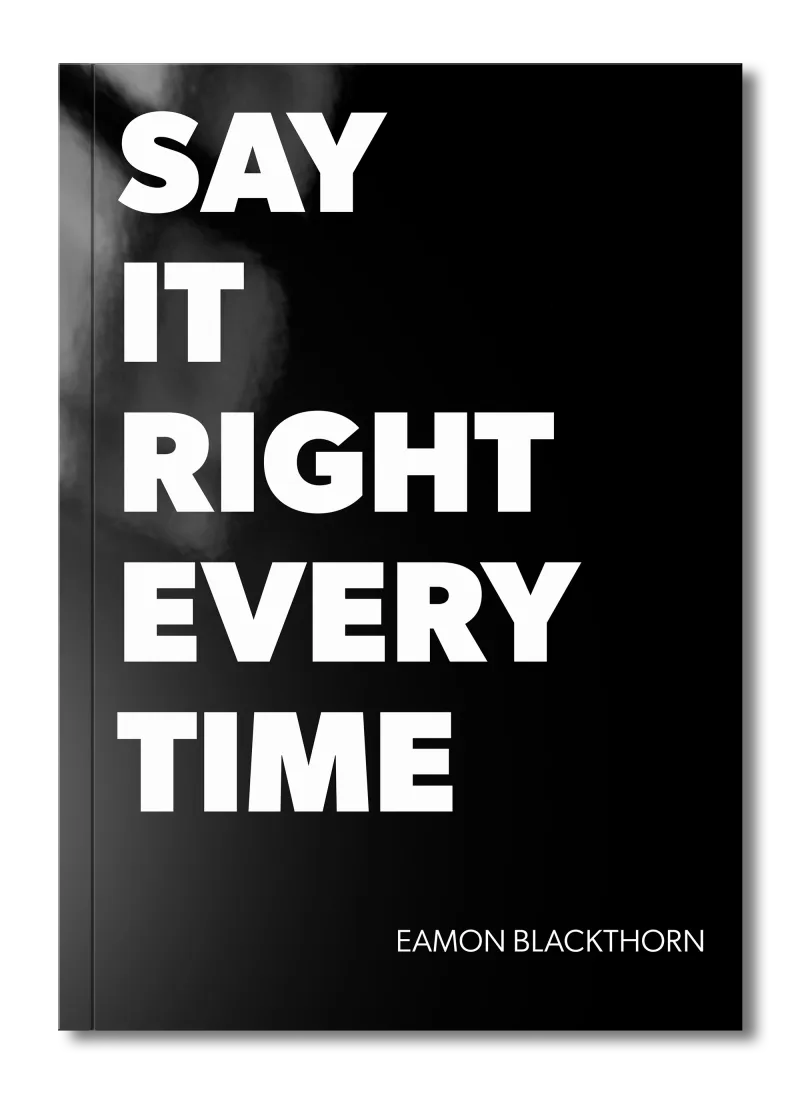
Never Be Lost
for Words Again
Get word‑for‑word scripts for the conversations that shape your life, from job interviews and negotiations to difficult talks with family and partners, so you always know exactly what to say and how to say it.
Never Be Lost
for Words Again
Get word‑for‑word scripts for the conversations that shape your life, from job interviews and negotiations to difficult talks with family and partners, so you always know exactly what to say and how to say it.
Key Takeaway
Before your next public statement or high-stakes message, ask yourself one question: "Could this sentence be traced back to me and only me?" If the answer is no, rewrite it. Authenticity is not about being emotional or vulnerable. It is about making sure every word you say actually belongs to you.