
What Happened
Indian comedian Yash Maheshwari performed a stand-up bit mocking women who observe Chhath Puja and wear sindoor. The backlash was swift and serious: a formal police complaint was filed against him, and Maheshwari deleted both the video from YouTube and his Instagram account entirely. What started as a joke on stage became a full-blown public crisis.
The Communication Angle
Here is the lesson: silence is not a neutral act. When you delete your content and vanish from your platforms, you do not calm a storm. You confirm it.
Maheshwari made two moves that communicators should study closely. First, he removed the video. Second, he disappeared from Instagram. Both actions signal guilt without providing resolution. That is the worst possible combination. You have now given your critics a headline ("comedian deletes video after outrage") while giving your supporters nothing to rally around. You have handed over narrative control completely.
The core mistake here is treating a communication crisis like a fire you can smother by cutting off oxygen. That only works if no one saw the fire. By the time an FIR is filed, everyone has seen it. At that point, the only path forward is through, not away. A comedian in this position needed to do one of two things: defend the work clearly and specifically, explaining the intent and standing behind it, or apologize directly and completely, naming the harm without excuses. Maheshwari did neither. He just left the room.
There is also a lesson here about reading your audience before you perform, not after. Jokes that touch religious practice and gender intersect two of the most charged topics in public life. That does not mean those topics are off limits. It means the craft has to be airtight. If your material cannot survive scrutiny in the room, it will not survive a camera and the internet. Maheshwari's bit apparently could not hold up, and when it collapsed, he had no structural support underneath it. No clear intent, no defensible framing, no community of people who understood the context.
Professionals watching this story should write it down: your response to criticism reveals your communication character more than the original message ever did. Maheshwari's response revealed someone who had not thought past the punchline.
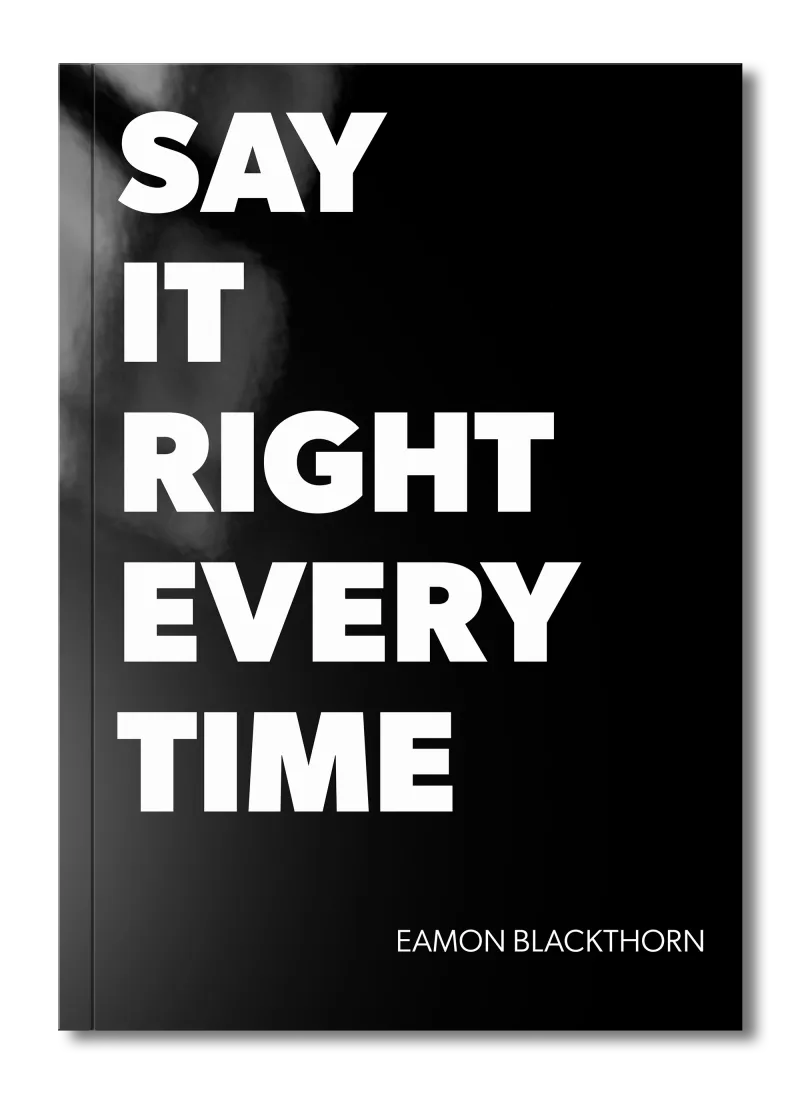
This is exactly the kind of scenario I break down in Say It Right Every Time. The chapter on crisis response gives you a framework for what to say in the first 24 hours of public backlash: how to structure an acknowledgment that neither collapses into groveling nor doubles down into defensiveness. Most people skip that chapter because they assume the crisis will never happen to them. Maheshwari probably thought the same thing.
Never Be Lost
for Words Again
Get word‑for‑word scripts for the conversations that shape your life, from job interviews and negotiations to difficult talks with family and partners, so you always know exactly what to say and how to say it.
Never Be Lost
for Words Again
Get word‑for‑word scripts for the conversations that shape your life, from job interviews and negotiations to difficult talks with family and partners, so you always know exactly what to say and how to say it.
Key Takeaway
Before you publish, post, or perform anything on a sensitive topic, write one sentence that completes this prompt: "If this gets challenged, I will defend it by saying..." If you cannot finish that sentence clearly and confidently, you are not ready to go public. That single exercise forces you to own your intent before the audience owns your words for you.