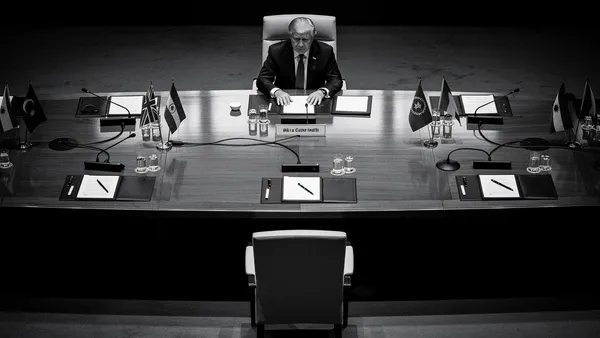

What Happened
A Democratic primary race in Michigan turned ugly when Abdul El-Sayed and Haley Stevens found themselves in what sources described as a full breakdown in their working relationship. The two figures, both prominent voices in Michigan Democratic politics, apparently let personal and political tensions boil over in a way that became impossible to contain privately. The fallout went public, and now both of them are answering for it.
The Communication Angle
Picture two people in a room who both believe they are right. Not partially right. Completely, unquestionably right. That is the moment most political relationships die, and it is the moment most professionals recognize too late.
What happened between El-Sayed and Stevens is a story as old as politics itself, but the communication failure here is specific and diagnosable. When two people are competing for the same prize, one of two things keeps the relationship functional: either they establish a clear boundary around what is off-limits, or one of them decides the relationship is worth more than the win. Neither apparently happened here. Instead, what likely unfolded was a slow accumulation of unaddressed grievances, the kind where every small slight gets stored instead of spoken. Then one day the wall breaks.
The public dimension makes it worse. Once a conflict like this leaks, both parties lose control of the narrative. At that point, the only communication move that works is radical ownership. Not a joint statement full of soft language and mutual respect talking points. Actual ownership. One or both of them needed to step in front of a camera and say clearly: here is what I did that made this worse, and here is what I am doing about it. Neither appears to have done that cleanly.
There is also a tactical problem. In a primary race, your opponent is also a potential ally in the general election. Every sharp word you use against them is a word you may have to swallow later when you need their voters. Professionals who understand this do not go quiet during conflict. They choose language that leaves a door open. You can draw a sharp contrast on policy without burning the person down. El-Sayed and Stevens apparently skipped that calculation entirely.
The lesson is not about being nice. It is about being strategic with your words when the stakes are highest. Anger is not the problem. Unmanaged anger, expressed without any eye on the long game, is.
This is exactly the kind of scenario I break down in Say It Right Every Time. The chapter on conflict language gives you a framework for drawing hard lines without destroying the bridge you built to get there. The core move is separating what you feel from what you need the other person to do next. Those are two different conversations, and most people collapse them into one explosive moment they spend months cleaning up.
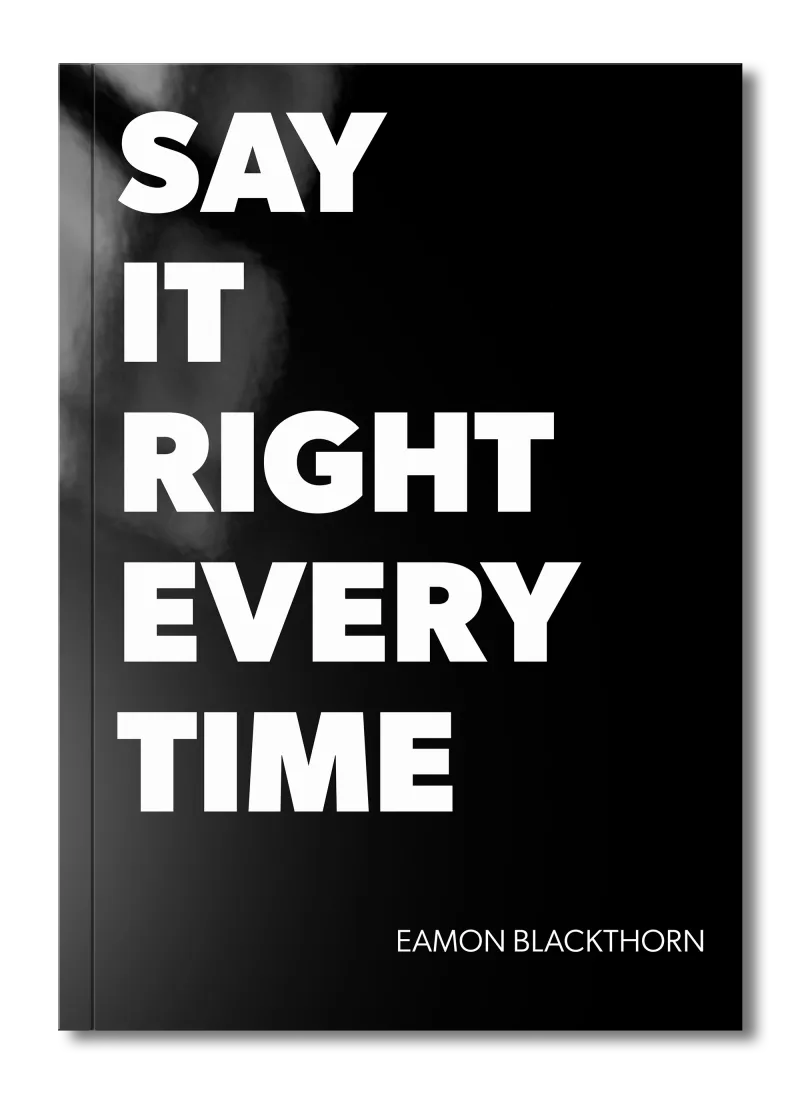
Never Be Lost
for Words Again
Get word‑for‑word scripts for the conversations that shape your life, from job interviews and negotiations to difficult talks with family and partners, so you always know exactly what to say and how to say it.
Never Be Lost
for Words Again
Get word‑for‑word scripts for the conversations that shape your life, from job interviews and negotiations to difficult talks with family and partners, so you always know exactly what to say and how to say it.
Key Takeaway
Before your next high-stakes conflict, write one sentence that answers this question: "What do I need this person to be able to do for me in six months?" Write that sentence. Put it somewhere visible. Then let it edit every word you are about to say out loud. That single habit will stop you from torching relationships you are going to need.