
What Happened
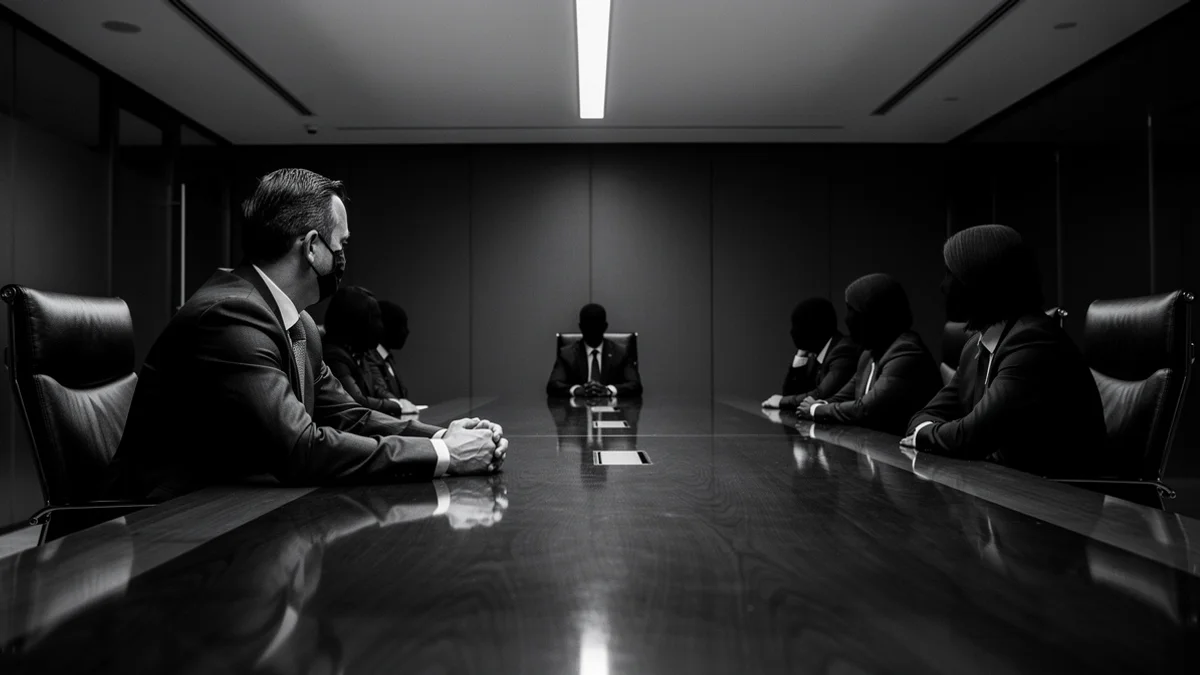
In many corporate settings, junior and mid-level professionals find themselves cut off or completely overlooked by senior executives during high-stakes meetings. The pattern is familiar: someone starts to speak, a VP talks over them, and the room moves on as if nothing happened. This dynamic is not just rude. It is a communication crisis, and how you respond in that moment shapes how people see you for months afterward.
The Communication Angle
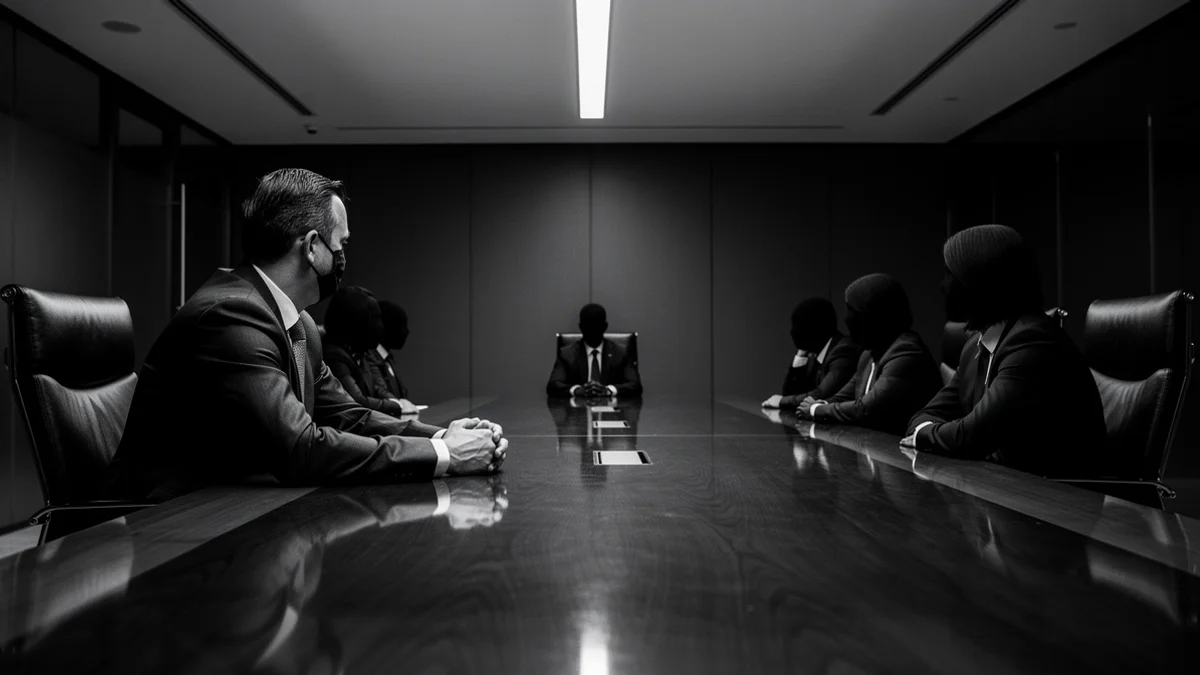
Picture this. You are sitting in a boardroom. You have prepared. You know your numbers. You open your mouth, and before you finish your second sentence, the CFO is already talking to someone across the table. The room follows the CFO. You are left holding words no one heard.
Most people do one of two things here. They either shrink (they go quiet, they wait, they tell themselves they will try again later) or they over-correct (they get louder, they talk faster, they repeat themselves with an edge of desperation). Both responses make the problem worse. Shrinking confirms to the room that you are optional. Over-correcting signals that you are rattled.
The move that actually works is what I call the planted pause. After the interruption dies down, you do not start over. You do not apologize for the interruption that was not your fault. You wait for a natural breath in the conversation, you say the executive's name once, clearly, and you finish your original point in one sentence. Just one. "David, to close the loop on what I was saying: the Q3 numbers support a different conclusion." That is it. No preamble. No re-explaining. One sentence that picks up exactly where you were cut off.
This works for two reasons. First, using the name creates a micro-moment of direct address that is very hard for a room to ignore. Second, referencing "what I was saying" signals that you know you were interrupted and you are not pretending otherwise. It is calm. It is confident. It rewrites the power dynamic without a confrontation.
The deeper principle here is this: your credibility in a room full of senior people is built entirely on your composure, not your content. They already assume you know your stuff or you would not be there. What they are watching is whether you hold your ground when things get uncomfortable. The professional who handles an interruption with zero drama and complete clarity is the one who gets called back to the room.
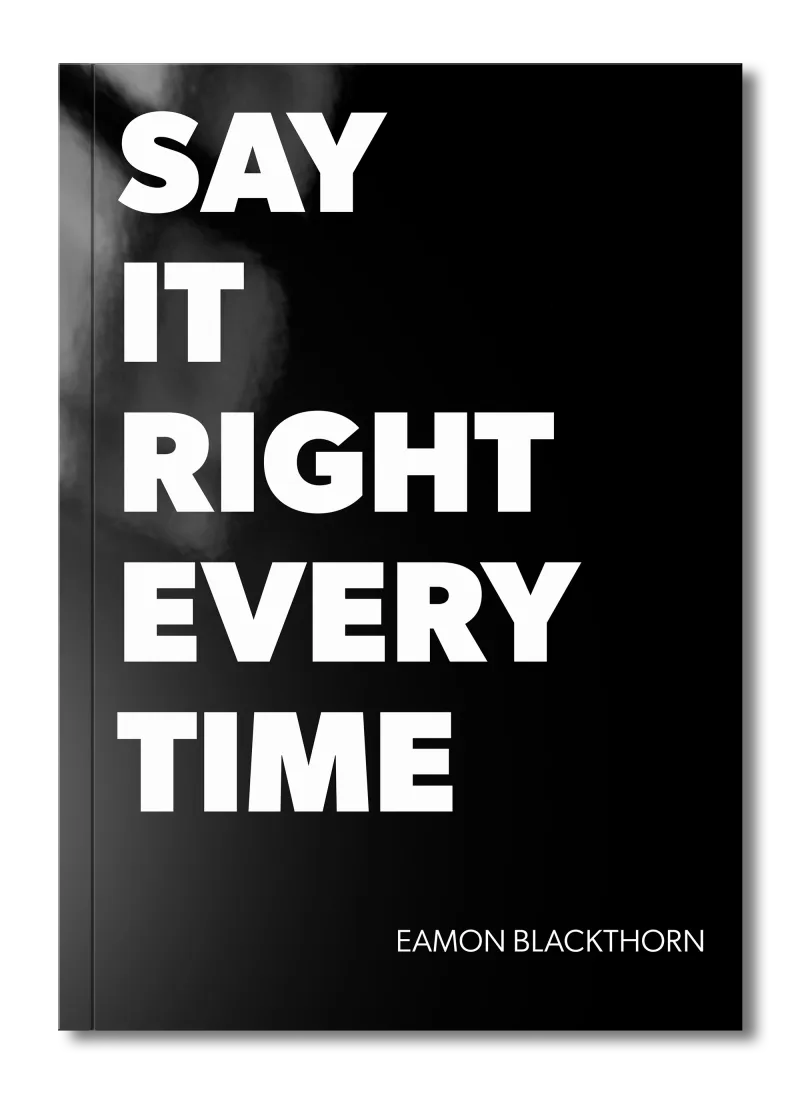
This is exactly the kind of scenario I break down in Say It Right Every Time. The chapter on high-stakes room dynamics gives you a framework for reading the power structure of any meeting before you open your mouth, so you are never caught off guard when someone senior decides your words are negotiable.
Never Be Lost
for Words Again
Get word‑for‑word scripts for the conversations that shape your life, from job interviews and negotiations to difficult talks with family and partners, so you always know exactly what to say and how to say it.
Never Be Lost
for Words Again
Get word‑for‑word scripts for the conversations that shape your life, from job interviews and negotiations to difficult talks with family and partners, so you always know exactly what to say and how to say it.
Key Takeaway
Before your next meeting with executives, write down one sentence that captures your single most important point. Practice saying it out loud until it feels natural at a slow, steady pace. If you get interrupted, that sentence is your re-entry. Having it ready means you will not fumble, you will not over-explain, and you will not go quiet. One sentence, said calmly, is more powerful than three minutes of recovery.