
What Happened
Harvard Law School's corporate governance forum recently spotlighted the qualities that separate strong board leaders from weak ones, and the organizational damage that follows when leadership fails at the top. The piece examined what effective board chairs actually do differently, beyond the procedural basics most people assume are sufficient. The core finding: board leadership is fundamentally a communication problem, not a strategy problem.
The Communication Angle
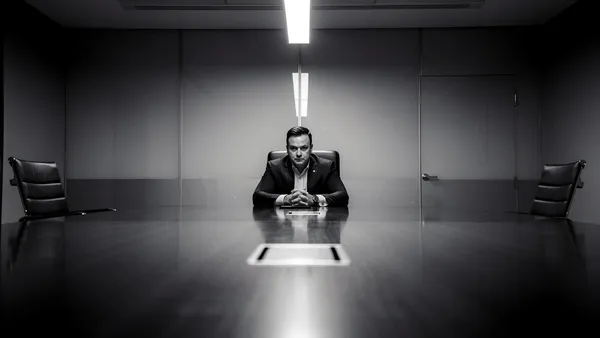
Here is the question every executive and board member should be asking: If the most powerful people in your organization cannot run a room effectively, what chance does anyone else have?
Board leadership fails in a predictable way. The chair calls meetings, distributes agendas, and believes that counts as leadership. It does not. What actually determines whether a board functions well is whether the chair can do three hard things: draw out the person who knows something important but will not say it, shut down the person who talks too much without creating an enemy, and frame the real question on the table when everyone is dancing around it. These are communication skills, not governance procedures.
The Harvard piece touches on "tone at the top," which is usually treated as a vague cultural concept. It is not vague. Tone is set by specific, observable choices. Does the chair summarize accurately and fairly after a messy debate? Does the chair name disagreement directly instead of letting tension fester unaddressed? Does the chair give the quietest person in the room a real invitation to speak, not a performative one? Every one of those is a technique, and every one of them can be learned or botched.
The risk of getting it wrong is not abstract. When a board chair cannot manage the room, two things happen. First, the loudest and most confident people set the agenda by default. Second, the people who see problems early stay quiet, because nothing in the meeting structure rewards honesty. That is how organizations walk into disasters that multiple people saw coming. The communication failure at the top creates silence all the way down.
The fix is not a better agenda template. It is a chair who treats every meeting as a live communication challenge with specific outcomes to achieve. Before the meeting: decide what decision needs to be made and what information is missing. During the meeting: name the actual sticking point out loud instead of letting the group orbit it. After the meeting: confirm in writing who owns what, so accountability is never implied, always explicit.
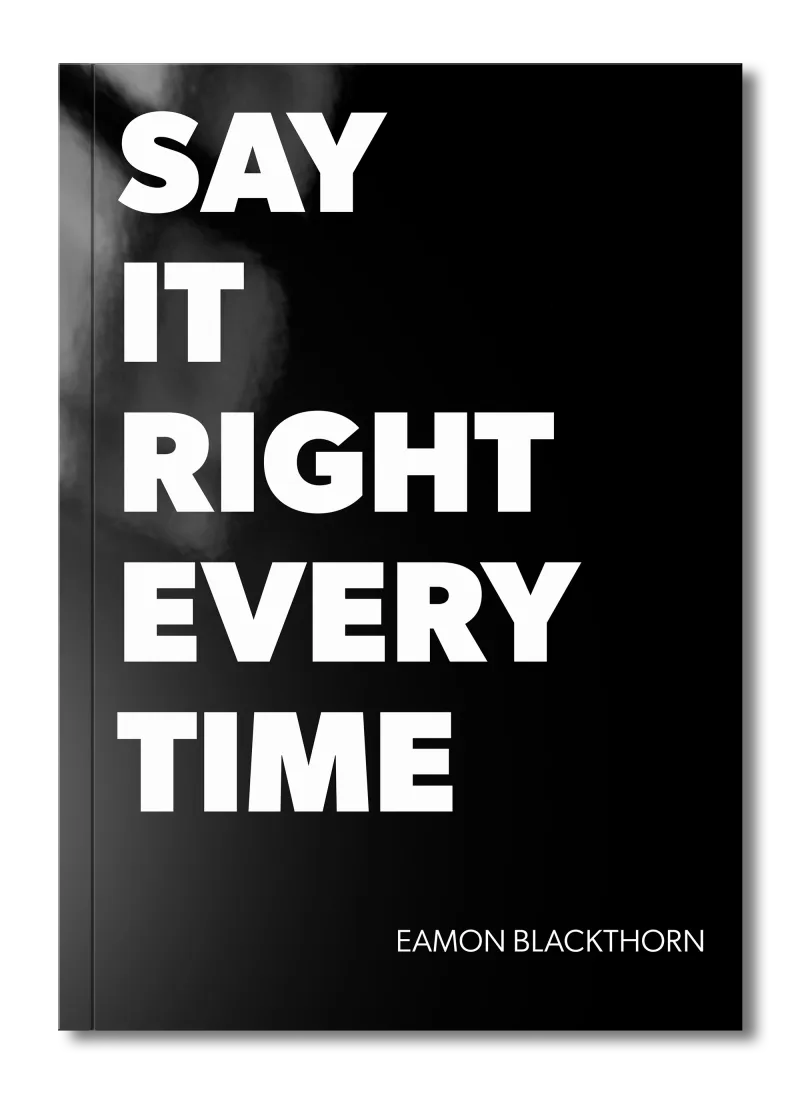
This is exactly the kind of scenario I break down in Say It Right Every Time. The chapter on running high-stakes group conversations gives you a framework for identifying when a room is performing discussion versus actually making progress. Those are two completely different things, and most leaders cannot tell them apart in the moment. The book gives you the specific signals to watch for and the exact phrases to use when you need to redirect a conversation without losing the room's trust.
Never Be Lost
for Words Again
Get word‑for‑word scripts for the conversations that shape your life, from job interviews and negotiations to difficult talks with family and partners, so you always know exactly what to say and how to say it.
Never Be Lost
for Words Again
Get word‑for‑word scripts for the conversations that shape your life, from job interviews and negotiations to difficult talks with family and partners, so you always know exactly what to say and how to say it.
Key Takeaway
Before your next board or leadership meeting, write down one sentence: "The real question we need to answer today is ___." Read it aloud at the start of the meeting before anything else. This single move forces clarity, sets your authority as the person running the room, and gives every participant a reason to stay focused. It takes ten seconds and most chairs never do it.