
What Happened
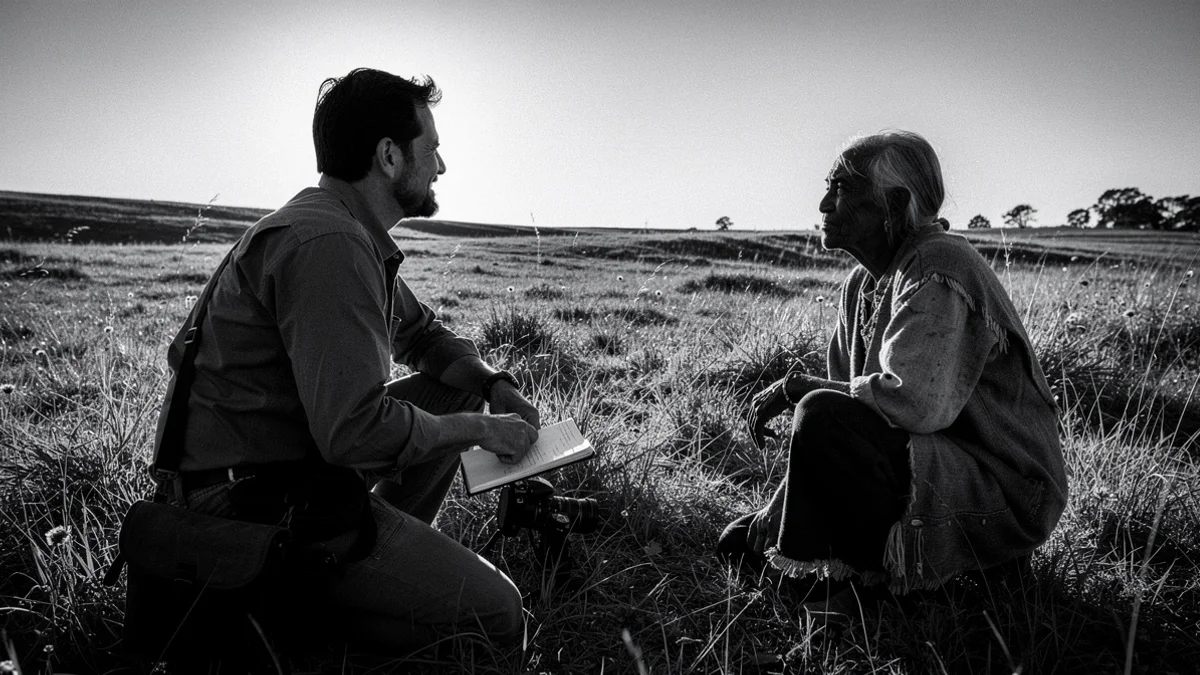
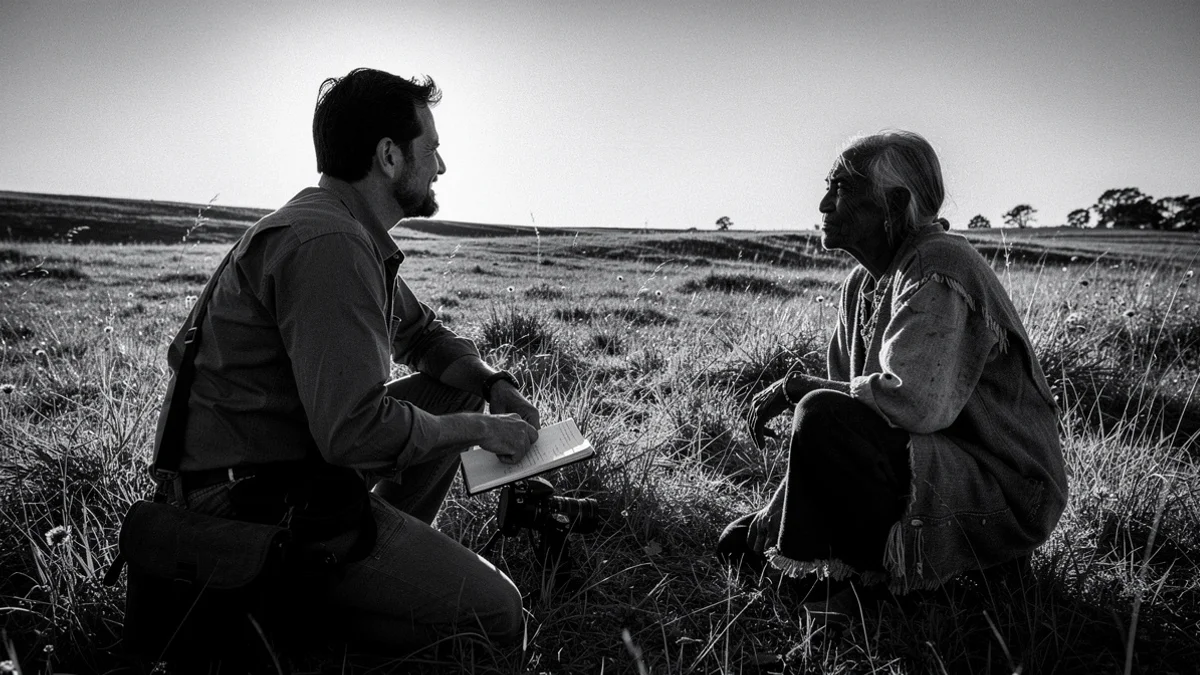
National Geographic Explorers working in Africa are pushing back against conservation communication that leads with data and buries the human story. Their argument: science without narrative loses people before it can move them. The case they're making is not new, but it is urgent. Conservation in Africa faces a credibility gap, and the way researchers talk about their work is a big part of why.
The Communication Angle
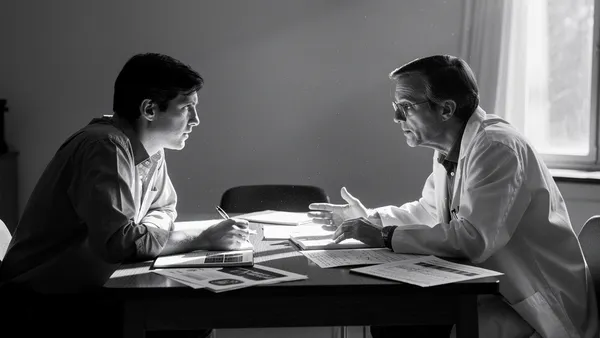
Here is the contrast that matters. Scientist A publishes a report on elephant migration corridors. It is accurate, peer-reviewed, and completely ignored by the communities living next to those corridors. Scientist B sits with a village elder, listens to what that elder calls the land, and builds the science around that language. One approach treats communication as a footnote. The other treats it as the foundation.
The National Geographic Explorers making this case are not just being sentimental. They are identifying a structural failure in how conservation gets sold to the public, to funders, and to the people most affected by it. Data without a human anchor does not persuade. It informs, briefly, then disappears. A story with a real person at its center stays. It travels. It changes minds in rooms where the researcher is not present.
The comparison is clean: institutions that lead with statistics lose ground to institutions that lead with people. Look at how climate communication evolved over the past decade. The turning point was not a better graph. It was a teenager from Sweden standing in front of a parliament. The science did not change. The delivery did. Conservation communicators in Africa are facing the same fork in the road right now, and many are still choosing the wrong path.
What the Explorers are doing right is integrating lived experience into the research frame, not adding it as decoration afterward. That is a critical distinction. Too many scientists think storytelling means writing a punchy introduction before the methodology section. It does not. It means letting the human context shape which questions get asked in the first place. That changes everything about how the final message lands.
The lesson for anyone who communicates research: your audience does not need to understand your methods. They need to feel the stakes. If you cannot explain why your work matters to the person most affected by it, you have not finished thinking about your work.
This is exactly the kind of scenario I break down in Say It Right Every Time. The chapter on "Anchoring Your Message" gives you a framework for identifying the human entry point in any complex topic, so your audience connects emotionally before they engage intellectually. That sequence, emotion first, then evidence, is not manipulation. It is how persuasion actually works.
Never Be Lost
for Words Again
Get word‑for‑word scripts for the conversations that shape your life, from job interviews and negotiations to difficult talks with family and partners, so you always know exactly what to say and how to say it.
Never Be Lost
for Words Again
Get word‑for‑word scripts for the conversations that shape your life, from job interviews and negotiations to difficult talks with family and partners, so you always know exactly what to say and how to say it.
Key Takeaway
Before you write your next report, grant proposal, or presentation, identify one specific person whose life is directly shaped by your subject. Not a demographic. A person. Write two sentences about that person first. Put them at the top of your document. Everything you write after that will be sharper, more human, and far more likely to move someone to act.