

What Happened
A PR crisis, handled well, does not just limit damage. It can actually leave a brand more trusted than before the trouble started. The core argument is simple: companies that respond to public problems with speed, honesty, and clear accountability tend to emerge with stronger reputations than competitors who never faced a public test at all.
The Communication Angle
Most executives treat a crisis like a fire to extinguish. That is the wrong frame entirely. The better frame is this: a crisis is the first moment your audience gets to see who you actually are under pressure. Everything before that moment was marketing. This moment is proof.
The brands that come out stronger share one specific communication trait. They lead with acknowledgment before they lead with explanation. This order matters more than people realize. When you explain before you acknowledge, your audience hears defensiveness. When you acknowledge first, you signal that you understand the impact on real people. That single sequencing choice separates brands that recover from brands that collapse.
The second layer is specificity. Vague apologies are worse than no apology at all. "We're sorry if anyone was affected" is not an apology. It is a legal hedge dressed up in polite language, and audiences know it instantly. The brands that recover name the specific failure, name who was harmed, and name the exact steps being taken to fix it. That level of precision communicates one thing above all else: we investigated, we understand what went wrong, and we are not guessing at the solution.
The third layer is tone consistency. This is where most brands stumble even after getting the first two right. They issue a strong initial statement, then revert to corporate-speak in the follow-up communications. That whiplash destroys credibility fast. The human voice you use in the first 24 hours has to carry through the second statement, the CEO interview, and the six-month update. Consistency across time is what converts a good crisis response into an actual reputation asset.
The brands that execute all three layers (acknowledgment first, specific language throughout, consistent tone over time) do not just survive. They collect something rare: proof of character. And proof of character is the one thing you cannot manufacture with a marketing budget.
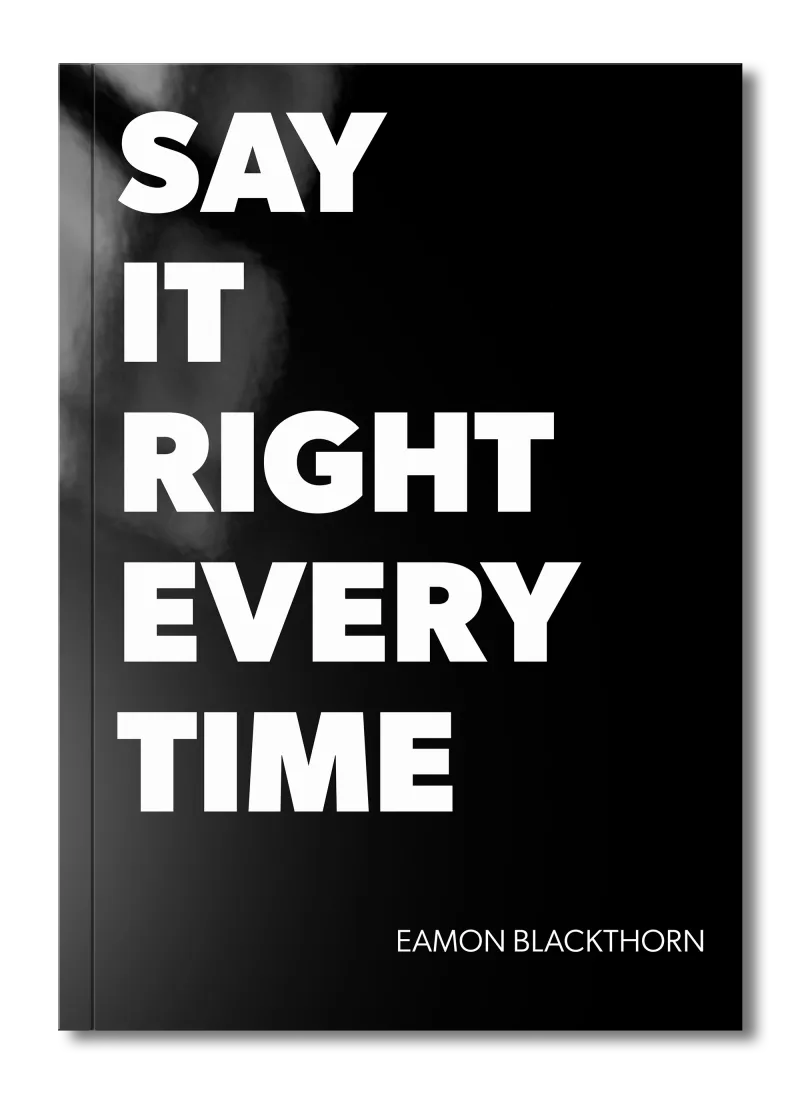
This is exactly the kind of scenario I break down in Say It Right Every Time. The chapter on high-stakes apologies gives you a framework for sequencing difficult messages so that your first words land as accountability rather than damage control. The difference between those two things is not intention. It is word order and specificity, and you can learn to get it right before the crisis arrives, not during it.
Never Be Lost
for Words Again
Get word‑for‑word scripts for the conversations that shape your life, from job interviews and negotiations to difficult talks with family and partners, so you always know exactly what to say and how to say it.
Never Be Lost
for Words Again
Get word‑for‑word scripts for the conversations that shape your life, from job interviews and negotiations to difficult talks with family and partners, so you always know exactly what to say and how to say it.
Key Takeaway
Before your next difficult public statement, write two sentences before you write anything else. The first sentence names the specific harm that occurred. The second names the specific action you are taking to address it. Those two sentences are your anchor. Everything else in the statement builds around them. If you cannot write those two sentences clearly, you are not ready to communicate yet.