
What Happened
SmartBrief recently published a five-step framework for building a crisis communication plan, aimed at organizations that want to get ahead of reputational disasters before they strike. The piece lays out a structured approach to preparing spokespeople, identifying stakeholders, and controlling narrative during high-pressure moments. It is a solid primer, but it stops short of the harder truth.
The Communication Angle
Picture this: a company's product fails publicly. Social media lights up. Journalists start calling. The CEO gathers the leadership team and someone says, "We need a crisis communication plan." That sentence is the problem. You needed that plan six months ago, sitting in a drawer, already rehearsed.
Most organizations treat crisis communication like a fire extinguisher they buy after the building burns down. The five-step framework SmartBrief outlines is genuinely useful, but its fatal flaw is the assumption that you will have time and clarity to build that plan once something goes wrong. You will not. When a crisis hits, your brain operates on adrenaline, not strategy. Every word you say gets scrutinized. Every pause gets interpreted. This is exactly the wrong moment to be making structural decisions about who your spokesperson is.
The real communication principle at the heart of any crisis plan is this: speed is not your enemy, silence is. Organizations that survive reputational hits do so because they say something fast, say it honestly, and say it with a human voice. They do not wait for legal to approve seventeen drafts. They do not issue a cold, passive-voice statement that starts with "We have become aware of concerns." They stand up, name the problem, and tell people what they are doing about it. That sequence, name it, own it, fix it, is the spine of every successful crisis response I have ever studied.
Here is what the five-step approach gets right: stakeholder mapping. Knowing your audiences before the crisis means you are not scrambling to figure out who you are even talking to when things go sideways. Your employees hear something different from your customers, who hear something different from regulators. Same core truth, different emphasis, different channel. That is not spin. That is respect for your audience. Getting that mapping done in advance is one of the highest-return communication investments any organization can make.
What the framework underweights is message rehearsal. A plan on paper is not a plan. It is a wish. The organizations that handle crises well run tabletop drills. They put their spokespeople in front of hostile questions in a conference room before those questions come from a journalist with a recording device. Rehearsal builds muscle memory, and muscle memory is the only thing that works when your heart rate is 140 and a camera is in your face.
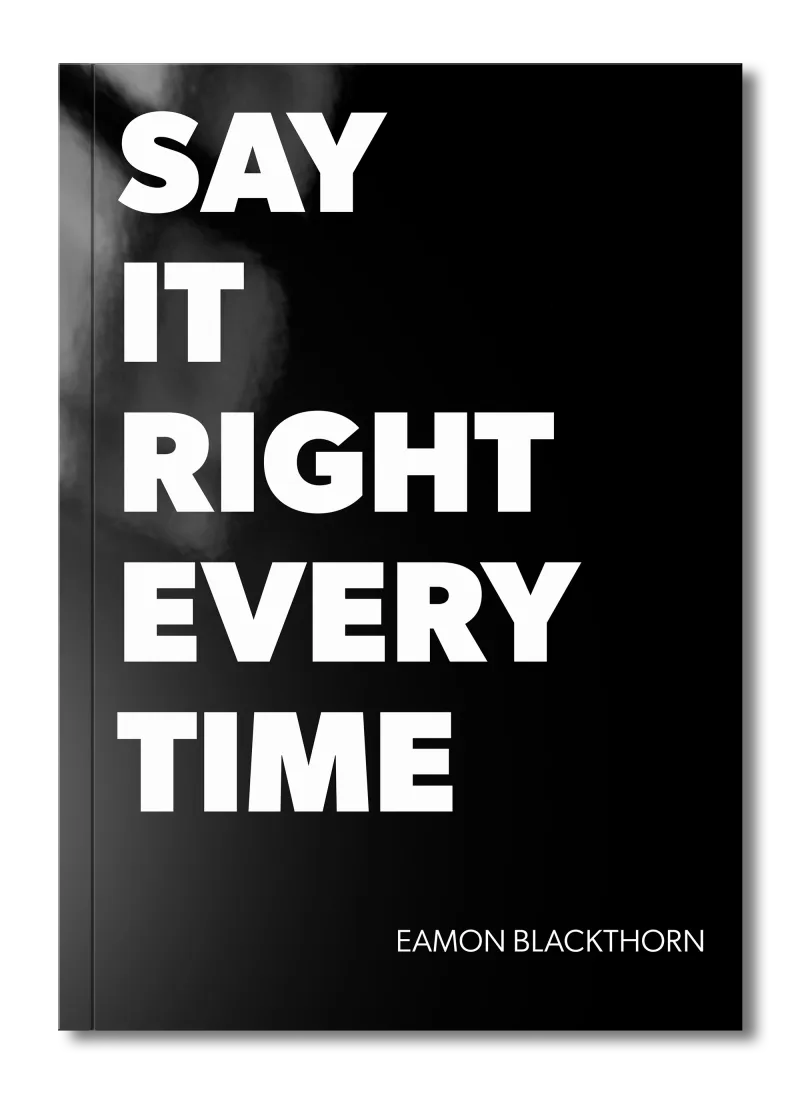
This is exactly the kind of scenario I break down in Say It Right Every Time. The chapter on high-stakes communication gives you a framework for structuring your message under pressure, specifically how to sequence your words so that you project calm and competence even when you feel neither. Preparation is not optional in those moments. It is the whole game.
Never Be Lost
for Words Again
Get word‑for‑word scripts for the conversations that shape your life, from job interviews and negotiations to difficult talks with family and partners, so you always know exactly what to say and how to say it.
Never Be Lost
for Words Again
Get word‑for‑word scripts for the conversations that shape your life, from job interviews and negotiations to difficult talks with family and partners, so you always know exactly what to say and how to say it.
Key Takeaway
This week, write down three scenarios that could realistically damage your organization's reputation. For each one, write two sentences: what you would say first, and who would say it. That exercise takes twenty minutes and it will do more for your crisis readiness than any consultant's slide deck.