
What Happened
Entrepreneur magazine recently spotlighted research confirming what most business insiders already suspect: a CEO's public visibility directly shapes how the outside world perceives the company they lead. When a CEO goes quiet, the brand pays the price. When a CEO shows up consistently and communicates clearly, the company earns credibility that no marketing budget can manufacture.
The Communication Angle
Let's compare two types of CEOs. The first type treats visibility as optional. They show up for earnings calls, dodge interviews, and delegate all public statements to a PR team. The second type treats visibility as a core responsibility. They write, they speak, they respond. One of these CEOs is building something durable. The other is building a vacuum.
The vacuum CEO is not neutral. Silence is never neutral. When your company faces a product failure, a cultural controversy, or a rough quarter, the absence of a recognizable, trusted voice at the top creates a crisis inside the crisis. Journalists fill that silence with speculation. Employees fill it with anxiety. Customers fill it with doubt. You do not get to stay quiet and also stay trusted.
Here is the communication mistake most invisible CEOs make: they confuse "staying out of it" with "staying professional." These are opposites. Professionalism means owning your platform. Staying out of it means surrendering your platform to whoever is loudest. And the loudest voice in a vacuum is rarely the one you want speaking for your company.
The visible CEO does something specific that the invisible CEO refuses to do. They make themselves legible. That word matters. Legible means people can read you clearly. They know what you stand for. They know how you think. They know what you will do when things get hard. That kind of legibility is built through consistent, repeated, specific communication over time. Not one splashy interview. Not a LinkedIn post when things are going well. Consistent presence, real opinions, and the willingness to be on record.
Look at any company that has successfully navigated a public crisis in the last decade. In every case, the turnaround started when someone at the top stepped in front of the problem and spoke directly. No spokesperson. No statement. A human being with a name and a face, saying something real.
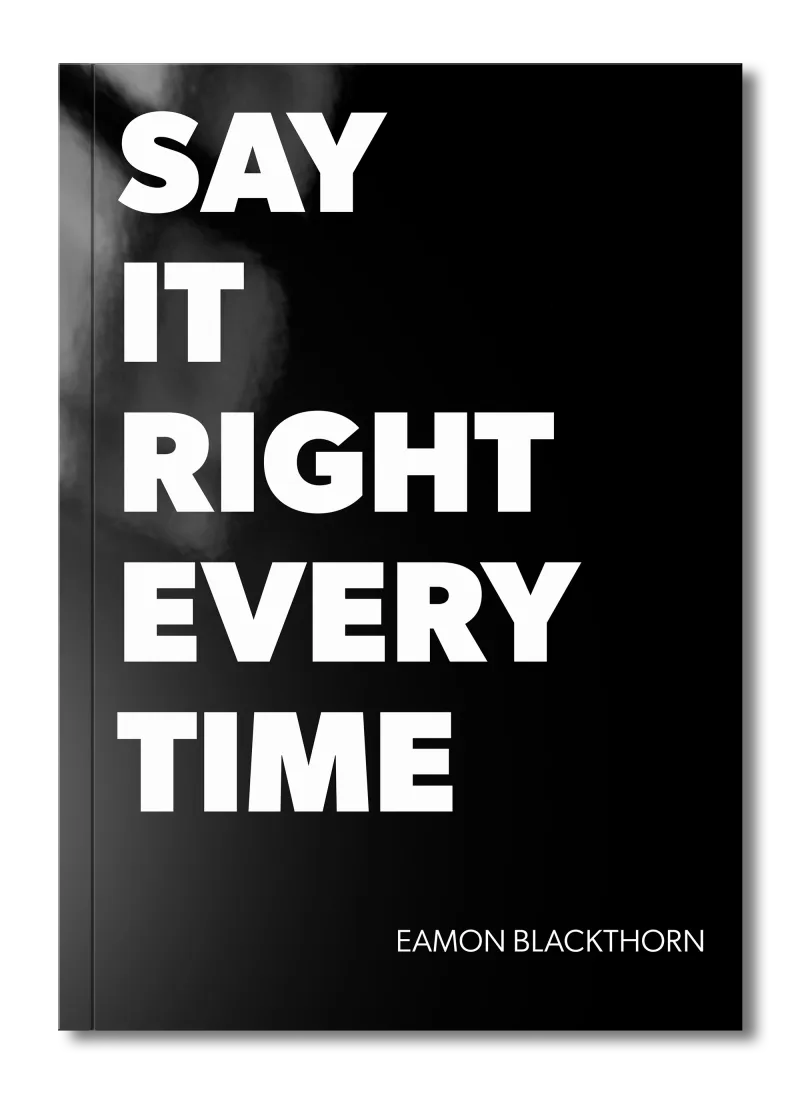
This is exactly the kind of scenario I break down in Say It Right Every Time. The chapter on presence and authority gives you a framework for building what I call a "communication posture," the consistent stance you take in public that tells people exactly who you are before you open your mouth. Most leaders wait until they need credibility to start building it. That is too late. The chapter walks you through how to establish that posture deliberately, so when the hard moments come, your audience already trusts you enough to listen.
Never Be Lost
for Words Again
Get word‑for‑word scripts for the conversations that shape your life, from job interviews and negotiations to difficult talks with family and partners, so you always know exactly what to say and how to say it.
Never Be Lost
for Words Again
Get word‑for‑word scripts for the conversations that shape your life, from job interviews and negotiations to difficult talks with family and partners, so you always know exactly what to say and how to say it.
Key Takeaway
Pick one platform where your customers or industry peers actually spend time. Post one specific, opinionated piece of content this week. Not a company update. Not a press release. Your actual perspective on something that matters in your field. Do it under your name, in your voice, with a point of view. That is how legibility starts. One post, one real opinion, one moment of showing up.