
What Happened
Researchers published a study examining a fundamental tension in science communication: scientists want to inform public decision-making, but most people have limited time and attention to process complex information. The study drew lessons from audience-driven science journalism, where readers shape the questions asked rather than experts deciding what the public "needs to know." The findings reveal that this bottom-up approach cuts through the noise more effectively than traditional expert-led communication.
The Communication Angle
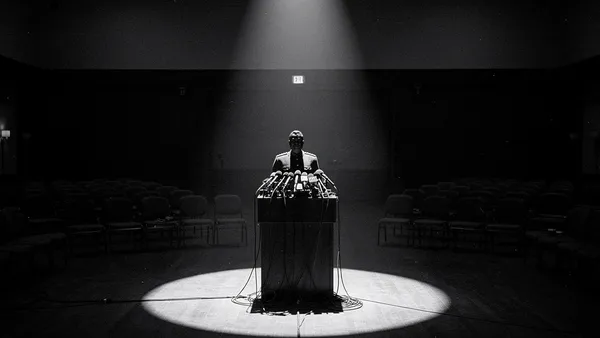
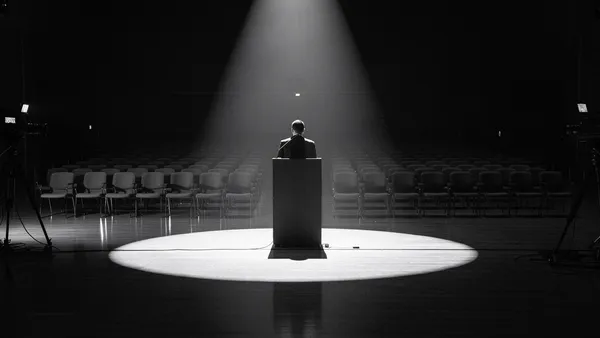
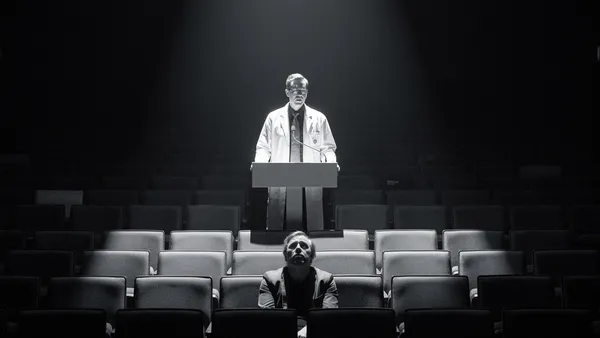
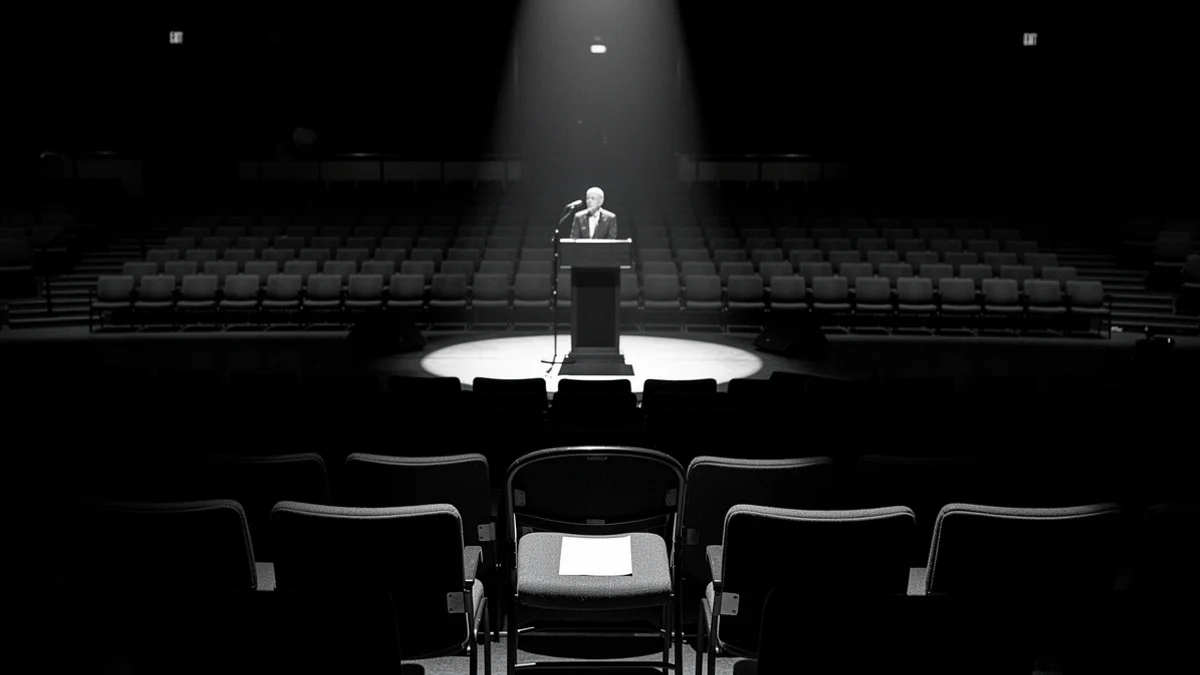
Picture a scientist at a podium, presenting a careful, thorough, beautifully sourced explanation of climate risk to a room of people who are mentally drafting grocery lists. This is not a failure of intelligence on either side. It is a failure of design. And it happens every single day.
Here is the core problem with how science communicates to the public. Experts build their messages around what they find important. But audiences only pay attention to what they find relevant. Those two things almost never overlap by accident. You have to engineer the overlap deliberately, and most scientists never learned how.
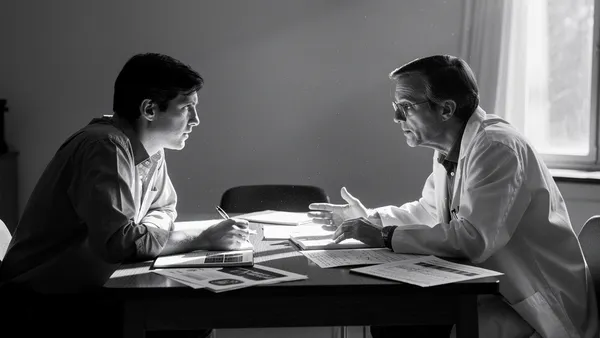
What audience-initiated journalism gets right is something I have been preaching for years: start with the question the audience is already asking, not the answer you are already holding. When a reader submits a question to a science journalist, something powerful shifts. The reader is now invested. They asked. They want to know. The journalist's job becomes answering that specific person's specific concern, not broadcasting general information into the void. That is a conversation, not a lecture. Conversations land. Lectures drift.
The communication technique at work here is called demand-first framing. Instead of pushing information out, you pull the audience in by meeting them at their actual point of confusion or curiosity. It sounds simple because it is simple. But simple is not the same as easy. Scientists are trained to be comprehensive. Comprehensive is the enemy of clear. When you try to tell people everything, they retain nothing.
The practical application for anyone who communicates complex ideas: stop deciding what your audience needs to know before you know what they are already thinking about. Ask them. Survey them. Read the questions they post online. Find the gap between what they believe and what is true, and build your message to close exactly that gap. Not the gap you find most intellectually interesting. The gap they are already standing in.
This is exactly the kind of scenario I break down in Say It Right Every Time. The chapter on audience architecture gives you a framework for mapping the gap between what you know and what your audience cares about, so you can build a bridge instead of just shouting across the canyon. The science is clear on this. Meet people where they are, or accept that they are not coming to you.

Never Be Lost
for Words Again
Get word‑for‑word scripts for the conversations that shape your life, from job interviews and negotiations to difficult talks with family and partners, so you always know exactly what to say and how to say it.
Never Be Lost
for Words Again
Get word‑for‑word scripts for the conversations that shape your life, from job interviews and negotiations to difficult talks with family and partners, so you always know exactly what to say and how to say it.
Key Takeaway
Before your next presentation, report, or pitch involving complex information, find three real questions your audience has actually asked before. Not questions you assume they have. Real ones, from emails, social media, forums, or direct conversations. Build your opening around answering the most urgent of those three questions. Your audience will feel heard before you have said anything new, and that feeling is what makes everything else you say land harder.