
What Happened
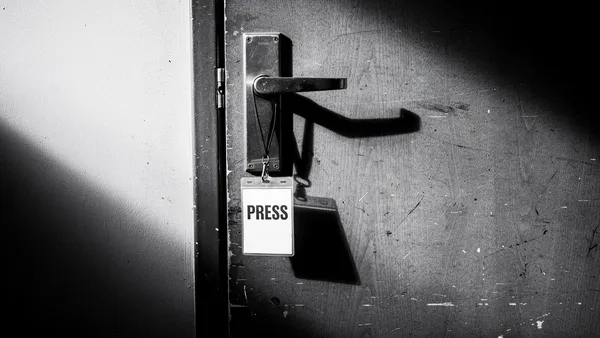
OpenAI CEO Sam Altman was slated to attend a private celebrity dinner organized by actress Gwyneth Paltrow, reportedly part of a broader strategy to polish the company's public image through Hollywood connections. The backlash online was swift and brutal, forcing the event to be postponed. A broker named Charles Porch, hired specifically to help OpenAI build cultural cachet, defended the approach despite the obvious optics problem.
The Communication Angle
Let's start with the core mistake: someone at OpenAI confused visibility with credibility. These are not the same thing. Showing up at a celebrity dinner does not make people trust you. It makes people talk about you. Right now, OpenAI does not have a recognition problem. It has a trust problem. And trust is not fixed with canapes and famous friends.
The timing here is the thing that kills this. Public sentiment toward AI companies is genuinely sour. People are scared about job loss, data privacy, and the unchecked speed of the whole industry. Walking into that environment with a Goop-adjacent dinner party is not tone-deaf by accident. It reveals a deeper failure: whoever planned this was not listening to the room. The first rule of communication in a crisis is simple. Read your audience before you open your mouth. OpenAI skipped that step entirely.
Charles Porch's defense of the strategy makes it worse. When your approach blows up publicly, the move is not to double down with explanations about why celebrity partnerships still work "despite shifting sentiment." That framing concedes that you know people are unhappy and you are proceeding anyway. It signals arrogance, not confidence. There is a difference. Confidence says: "We hear your concerns, and here is what we are doing about them." Arrogance says: "We know better than you about what earns your trust." Guess which one Porch delivered.
What should have happened is straightforward. If OpenAI wants cultural relevance, earn it through substance. Put Altman in conversations with educators, factory workers, and healthcare professionals who are actually affected by AI. Let him answer hard questions in front of people who have real grievances. That is not comfortable, but it is credible. A private dinner with celebrities is a closed loop. It reinforces the exact narrative that critics are already running: that AI leaders live in a bubble of wealth and influence, completely disconnected from the people their technology affects.
The postponement, ironically, was the first smart communication decision in this whole episode. Pulling back when the room turns on you shows situational awareness. But it only counts if it leads to a genuine rethink, not a reschedule for a quieter news cycle.
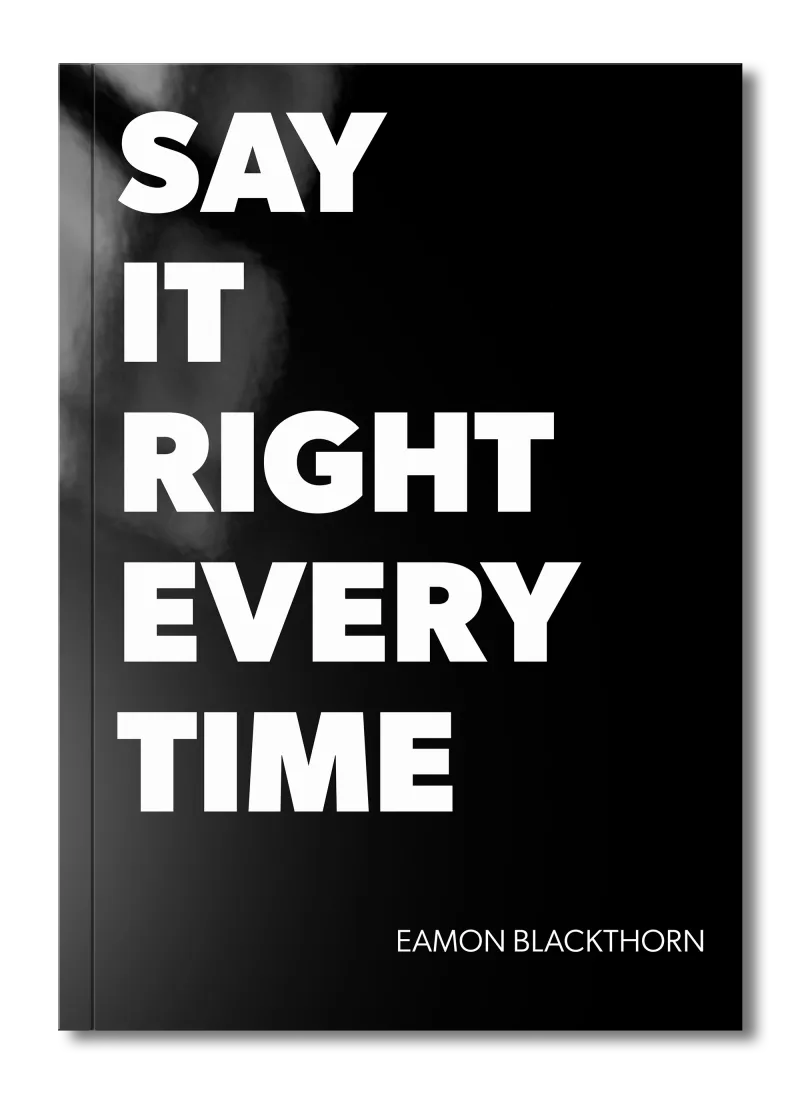
This is exactly the kind of scenario I break down in Say It Right Every Time. The chapter on audience calibration gives you a framework for matching your message to the emotional state of your listener, not the emotional state you wish they were in. OpenAI wanted to speak to an audience that admired them. They got an audience that resented them. Those are two completely different conversations, and conflating them is how smart organizations say exactly the wrong thing.
Never Be Lost
for Words Again
Get word‑for‑word scripts for the conversations that shape your life, from job interviews and negotiations to difficult talks with family and partners, so you always know exactly what to say and how to say it.
Never Be Lost
for Words Again
Get word‑for‑word scripts for the conversations that shape your life, from job interviews and negotiations to difficult talks with family and partners, so you always know exactly what to say and how to say it.
Key Takeaway
Before your next public-facing initiative (a campaign, an event, an announcement), write down the specific criticism your harshest skeptic would level at it. If you cannot answer that criticism clearly and honestly, the initiative is not ready. Fix the answer first, then proceed.